Like
Share
멍실장
강아지 포도·건포도 먹으면 신부전? 응급 대처와 예후

My Dog Ate Grapes or Raisins — Risk of Kidney Failure and the Emergency Golden Window

Emergency/ToxicityQ&AMeongsiljang Veterinary Advisory Board

We’ve put together everything you need to know about the risk of acute kidney failure in dogs after eating grapes or raisins, including emergency first aid within the 4–6 hour golden window, diagnosis and treatment steps, recovery prognosis, and prevention tips.

What Is Grape Toxicity in Dogs?
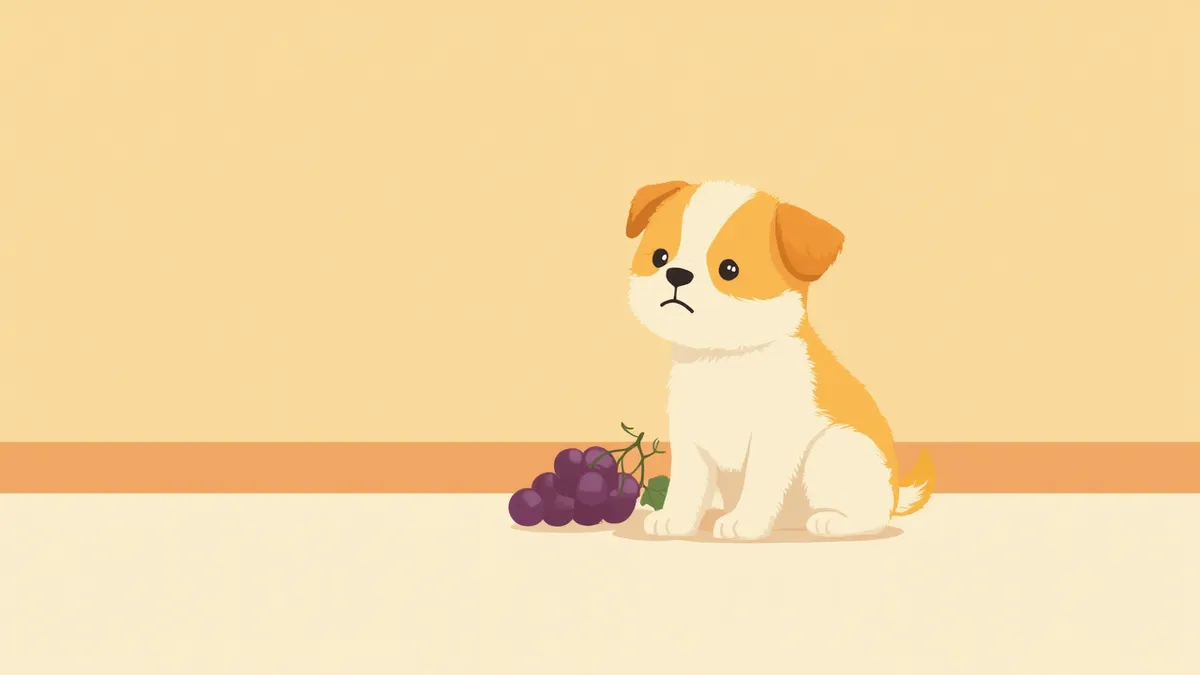
A dog eyeing grapes — A guide to the risks of grape poisoning
Grape toxicity in dogs is an emergency condition in which acute kidney injury can occur after ingestion of grapes, raisins, Muscat, or Shine Muscat grapes—all members of the Vitis genus. Vomiting typically begins within a few hours of ingestion, and kidney markers such as BUN and creatinine start to rise between 12 and 18 hours afterward. Time is of the essence; if you confirm your dog has eaten even a single grape, seek veterinary care as soon as possible for induced vomiting and activated charcoal administration. Decontamination is recommended if a dog has consumed more than one grape per 5 kg (10 pounds) of body weight, but because individual susceptibility varies widely, assuming that small amounts are safe is dangerous. However, commercial grape juice, wine, and jam have been reported to pose no risk of kidney failure because they are detartrated (tartaric acid removed). Therefore, the truly hazardous substances are fresh grapes, raisins, foods containing grape or raisin pieces, and products such as yogurt or bread topped with raisins.

Why Are Grapes Nephrotoxic Only to Dogs?

The exact reason grapes are dangerous to dogs remains unclear, as no single toxic compound has been definitively identified. However, recent veterinary toxicology research points to tartaric acid, found in both grapes and raisins, as a leading candidate for causing kidney damage. Tartaric acid levels vary significantly depending on the grape variety and ripeness, which helps explain why toxicity can be inconsistent even among the same type of grape. The key issue is that dogs lack the specific renal transporter (OAT-4) needed to excrete this organic acid in their urine, meaning they cannot eliminate tartaric acid as efficiently as humans do. As a result, dogs are particularly vulnerable to this toxin, which can damage the cells of the renal proximal tubules. Ultimately, individual susceptibility matters more than the amount ingested; while over half of dogs may show no symptoms after eating a certain weight of grapes, others can progress to anuric renal failure.

Comparing the Risk of Different Vitis Genus Foods

ItemRisk levelNotes
Fresh grapes (green / red)⚠️ Very highDecontamination is recommended if more than one grape per 5kg of body weight is eaten — individual variation is large, so even small amounts can be dangerous
Raisins🔴 HighWith moisture removed, tartaric acid is concentrated, making them more dangerous per unit weight
Shine Muscat / green grapes⚠️ Very highAll belong to the same grape genus, so the risk is identical, and their strong sweetness increases the risk of voluntary ingestion
Commercial grape juice / wine / jam🟢 LowTartaric acid is removed (detartrated), so they are reported to pose no kidney failure risk (for commercial products)
Bread / cereal containing raisins🟡 Relatively lowHeating partially breaks down tartaric acid, so they are less involved than fresh raisins, but large amounts are subject to decontamination
Grape seed extract supplements🟡 CautionHuman products have unknown concentrations — do not give to dogs

Risk levels are based on clinical reports and textbook evidence, and may be more severe or vary depending on individual sensitivity

Suspect Grape Toxicity If You See These Symptoms
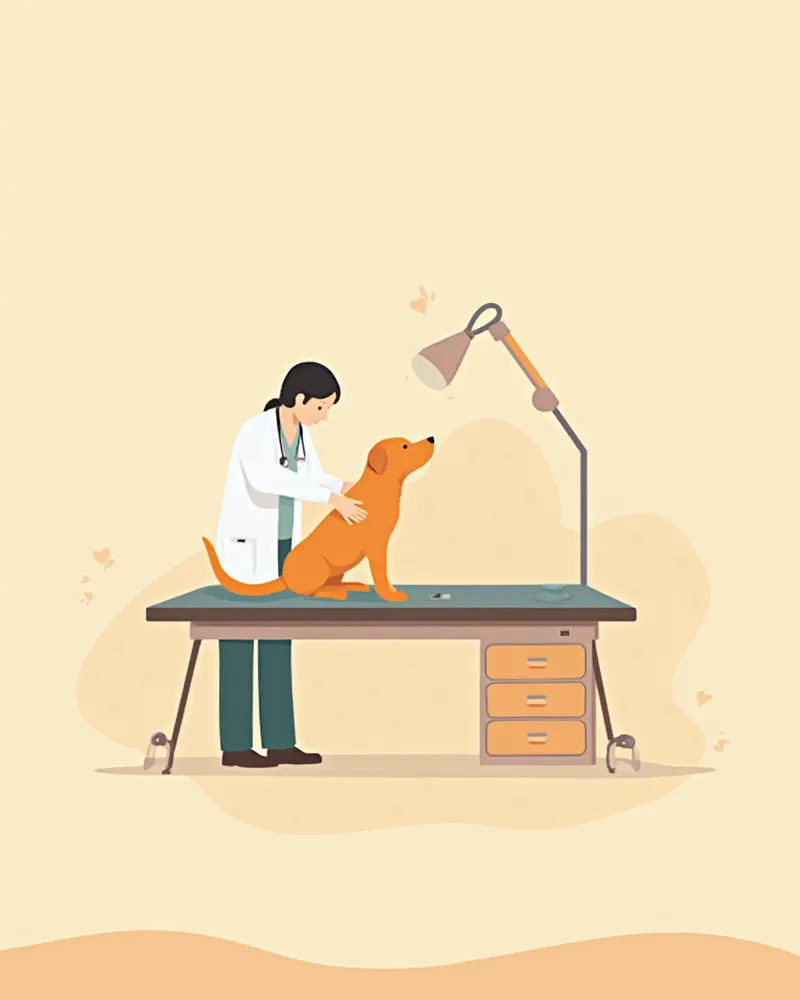
Symptoms of grape toxicity typically begin within a few hours of ingestion. Vomiting is often the first sign, appearing within six hours, while elevated BUN and creatinine levels indicate clear signs of kidney failure 12 to 18 hours later.
Vomiting: This is the earliest sign, and vomit often contains pieces of chewed grapes.
Lethargy: Your pet may be less responsive than usual and refuse walks.
Dehydration and Loss of Appetite: They may reject their favorite treats, and dehydration can occur.
Polydipsia and Polyuria followed by Oliguria: Initially, they may drink excessive amounts of water, but urine output can drop sharply over time, potentially progressing to anuria (no urine production).
Halitosis and Oral Ulcers: As uremia progresses, bad breath and oral ulcers may appear.
Abdominal and Renal Pain: Your pet may show discomfort when you touch their flank or lower back, where the kidneys are located.
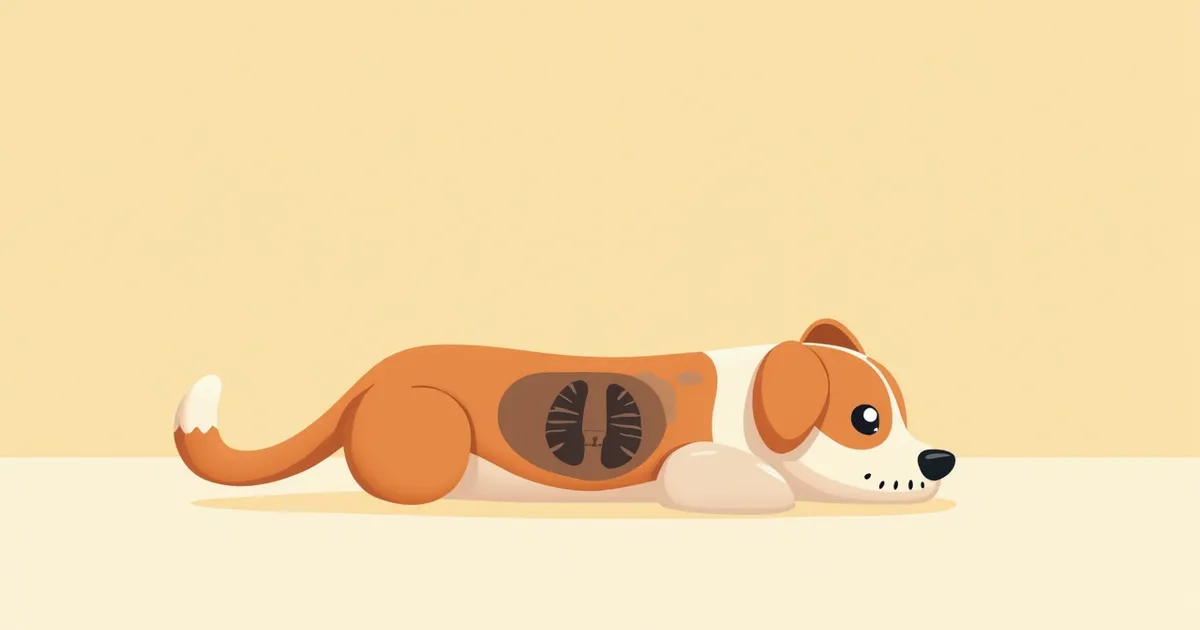
A veterinarian examining a dog’s abdomen — diagnosing symptoms of grape poisoning

🚨 Go to the Vet Immediately If Even One Grape Is Ingested

If you confirm your pet has ingested even a single grape or raisin, don’t wait—head to a 24-hour veterinary clinic immediately. If vomiting can be induced within 4–6 hours, most of the ingested material can be expelled before absorption. However, if more time has passed, intensive care such as hospitalization, intravenous fluids, diuretics, and avoidance of nephrotoxic medications will be necessary. We do not recommend inducing vomiting at home with hydrogen peroxide due to the risk of burns to the stomach and esophagus. Calling the clinic ahead of time to provide the time of ingestion, estimated amount, and your pet’s weight can help ensure immediate treatment upon arrival.

How Is It Treated at the Veterinary Clinic?
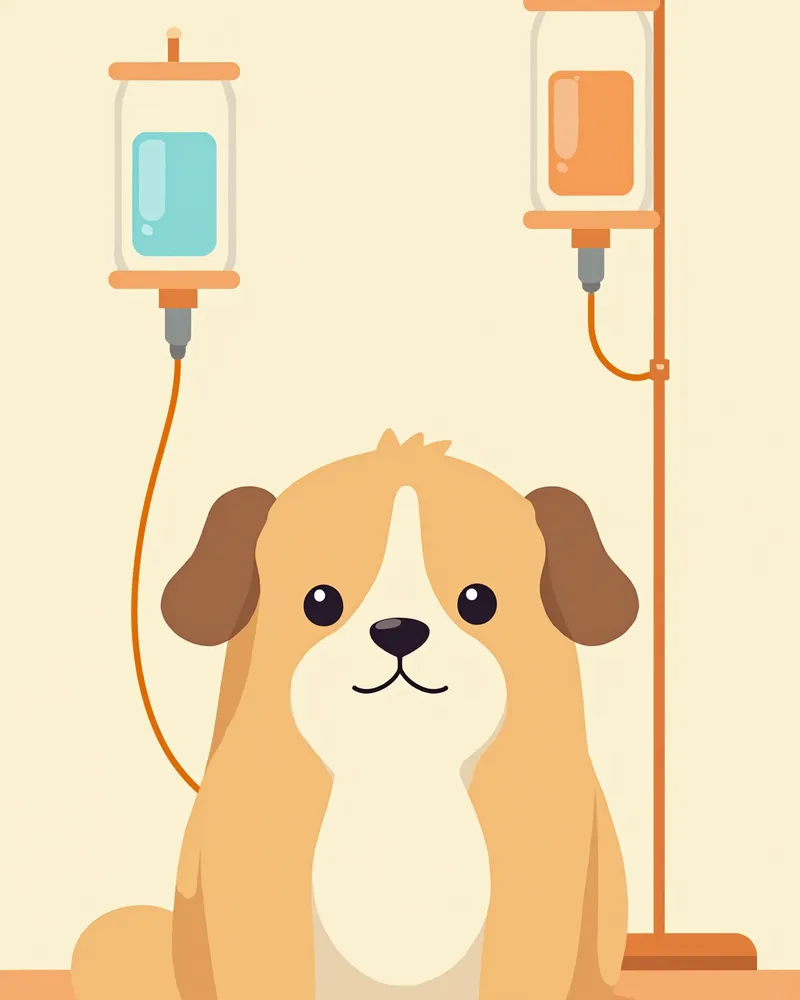
At the veterinary clinic, treatment is administered in stages after confirming when and how much was ingested. First, if less than four hours have passed, apomorphine injections are used to induce vomiting and clear the stomach contents. Second, activated charcoal is given orally one to two times to block further absorption of any remaining toxin. Third, during hospitalization, intravenous fluid therapy is maintained for 48 to 72 hours while monitoring BUN, creatinine, phosphorus, potassium, and urine specific gravity every 6 to 12 hours. Fourth, if oliguria or anuria develops, diuretics or hemodialysis may be considered. The sooner treatment begins, the higher the chance of recovery.
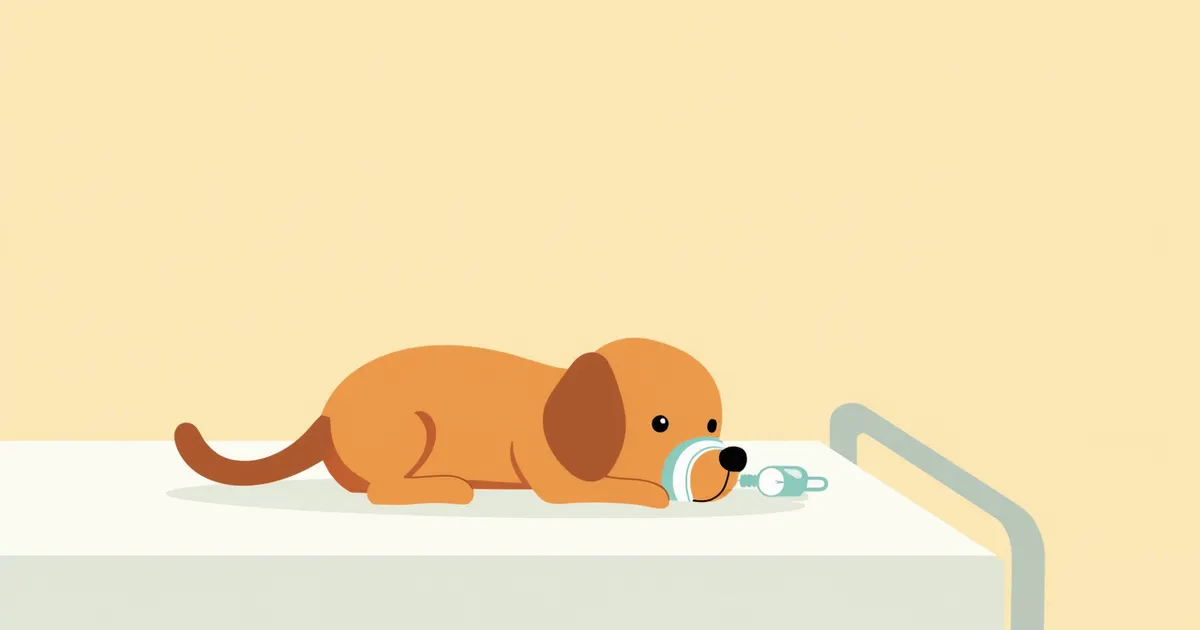
A puppy receiving IV fluid therapy — hospitalized for grape poisoning

Prognosis — Time Determines the Recovery Rate

The prognosis depends almost entirely on the amount ingested and how quickly treatment begins. If interventions such as inducing vomiting and intravenous fluid therapy are started promptly, most dogs recover well without significant complications. Conversely, the prognosis worsens if the dog progresses to oliguria or anuria, where little to no urine is produced. Even after recovery, some dogs may develop chronic kidney disease or soft tissue calcification, so it is advisable to monitor kidney function through blood tests (BUN, creatinine, SDMA) and urinalysis for a certain period post-recovery. Kidney values should be checked against baseline levels at 24 and 48 hours (and beyond if acute kidney injury is present), and if AKI occurs, switch to a prescription renal diet. If gastrointestinal symptoms are present, incorporating a low-irritant diet can be helpful.

Grape Toxicity Is 100% Preventable

Grape poisoning is a condition that can be completely prevented through proper environmental management. By ensuring that all family members block any potential access to grapes, you can eliminate the risk entirely.
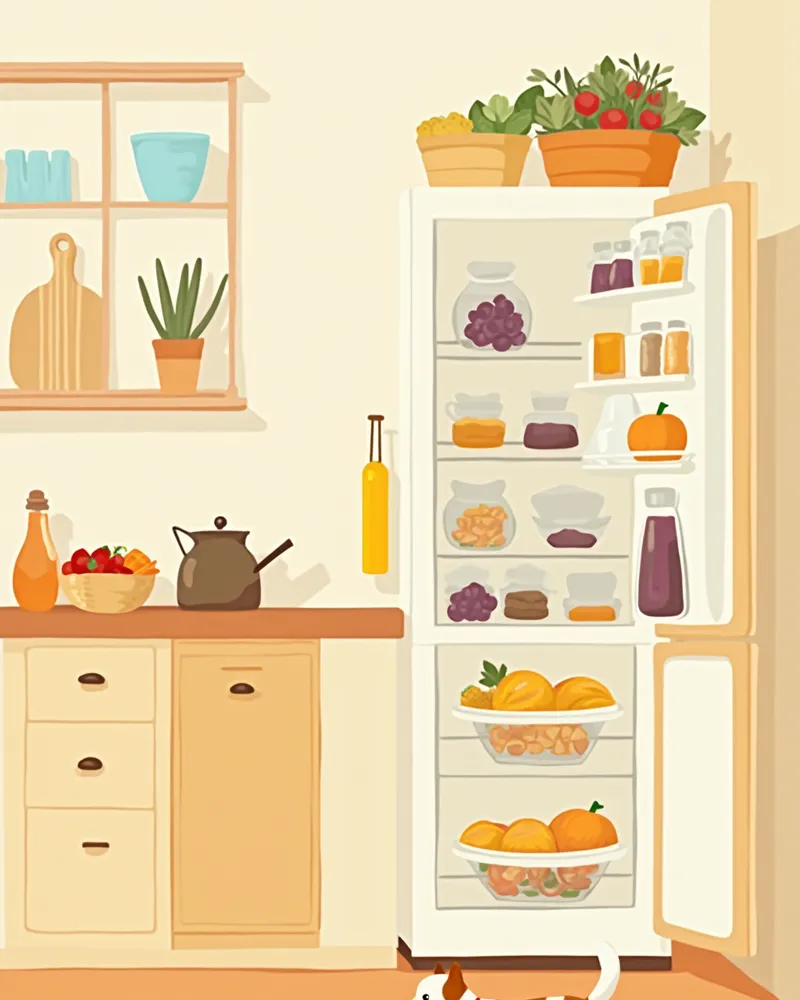
Kitchen Management: Always store grapes in the refrigerator or in containers with secure lids.
Family Education: Make sure everyone knows not to give grapes or raisins to your dog.
Watch Out for Hidden Raisins: Raisins can be hidden in cereals, muffins, bread, trail mixes, and cinnamon rolls.
Keep an Eye on Walks: Keep the leash short to prevent your dog from picking up and eating dropped grapes.
Emergency Contacts: Save the phone numbers for a 24-hour emergency animal hospital and the Animal Health and Welfare Center’s poison control hotline in your phone.
A kitchen where grapes are safely stored — preventing grape poisoning in dogs

Reviewed by a veterinarian

Dr. Tony — Punnawat Phongkittirak

Dr. Tony — Punnawat Phongkittirak

Veterinarian

A veterinarian who majored in veterinary medicine at Khon Kaen University, Thailand, and completed the IVSA program at North Carolina State University in the United States. Drawing on clinical experience at animal hospitals, he works in the pet healthcare field and is dedicated to building a digital care environment that connects pet parents with veterinarians.

Frequently Asked Questions

Is even a single grape really that dangerous?
Yes, even small amounts can be dangerous, depending on the individual dog. We generally recommend seeking veterinary care to remove the grapes if a dog has eaten more than one grape per 5 kg of body weight. While over half of exposed dogs show no symptoms, some can develop severe kidney failure from even a tiny amount. Don’t assume a small quantity is safe; please contact your veterinarian if your dog has ingested even a single grape.
Are raisins more dangerous than grapes?
Raisins are dehydrated, which concentrates their tartaric acid content, making them potentially more dangerous than fresh grapes on a weight-for-weight basis. However, studies suggest that raisins heated or cooked in baked goods like muffins or bread may pose a lower risk of kidney failure, as some of the tartaric acid breaks down during the heating process. Nevertheless, large quantities can still be harmful, so do not take any chances; if you suspect your pet has ingested raisins, please visit the clinic immediately.
Are Shine Muscat grapes also equally dangerous?
Yes, Shine Muscat, green grapes, and red grapes all belong to the same grape species and carry the same risk of kidney toxicity. Their strong sweetness makes dogs more likely to eat them voluntarily, so extra caution is needed.
If I induced vomiting at home, do I still need to take my pet to the vet?
No, it is absolutely necessary to go to the hospital. There is no guarantee that all the grapes have been expelled through vomiting induced at home, and there is also a risk of damage to the stomach lining. Administering activated charcoal, providing intravenous fluids, and monitoring kidney function levels can only be done at a veterinary clinic.
How much will the treatment cost?
If detected early, treatment involving induced vomiting and activated charcoal typically costs between $200 to $400. If hospitalization is required for 48 to 72 hours of intravenous fluid therapy, costs range from $700 to $1,000. In severe cases progressing to anuric renal failure requiring hemodialysis, expenses can exceed $2,000. Final costs vary significantly depending on pet insurance coverage and the specific veterinary clinic.

Share

Related Guides

References

[1] Notes on Canine Internal Medicine, 4th Ed — Renal chapter (AKI, toxin-induced)

[2] Clinical Medicine of the Dog and Cat, 4th Ed — Toxicology / Acute Kidney Injury

[3] Wegenast et al., Acute kidney injury associated with grape or raisin ingestion in dogs, JAVMA, 2022

[4] Urinalysis in the Dog and Cat — Azotemia and CKD progression

This information is based on veterinary literature and does not replace diagnosis or treatment. Please consult a veterinarian for specific health concerns.

Metapet Co., Ltd. | CEO: Park Sung-yong | Business Reg. No. 417-88-02562 | Seoul, South Korea | Customer Center

Dog Ate Grapes or Raisins? Kidney Failure & Golden Window | Meongsiljang