

What is the Pancreatitis SNAP Test? How to Interpret Results and Accuracy
We’ve put together a clear overview of the canine pancreatitis SNAP test, covering how it works, how to interpret the results, its accuracy, and whether additional testing is needed.
What is the Pancreatitis SNAP Test?
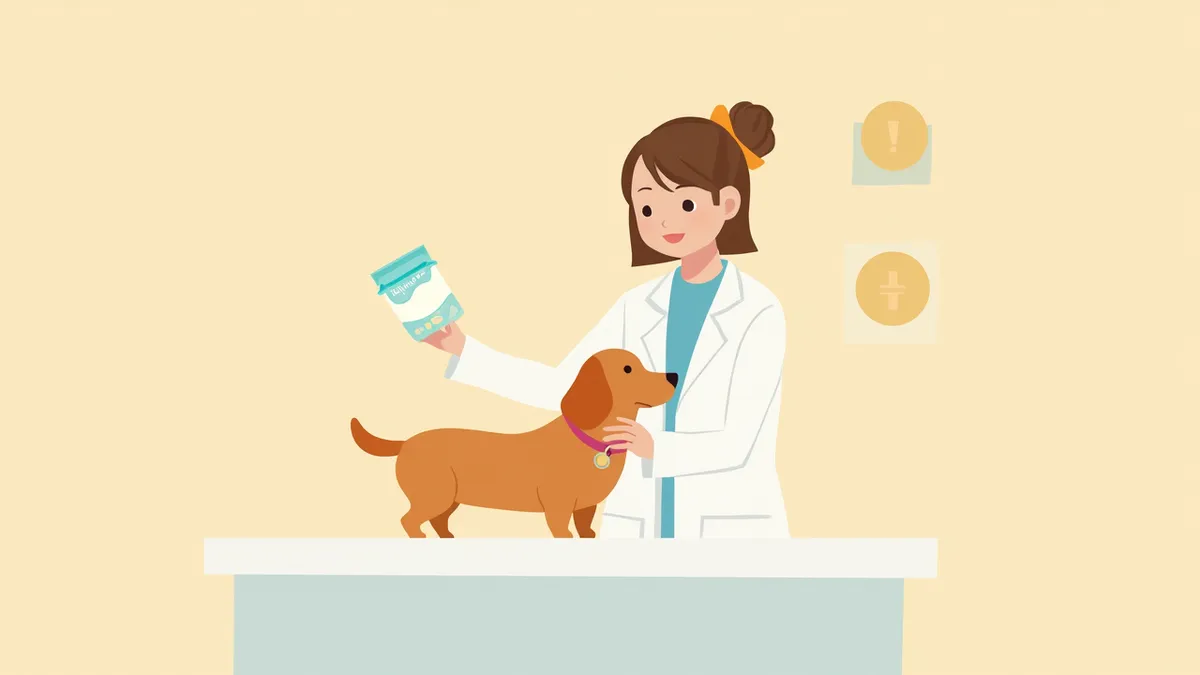
Why Is It Important to Confirm Pancreatitis Quickly?
SNAP Test vs. Quantitative cPL vs. Ultrasound Comparison
Comparison of Pancreatitis Test Methods
| Item | SNAP cPL | Quantitative Spec cPL | Abdominal ultrasound |
|---|---|---|---|
| Time required | About 10–15 minutes | 1–3 days (external lab) | About 20–30 minutes |
| Purpose | Screening (positive/negative) | Value-based diagnostic confirmation aid | Visual confirmation of inflammation/edema |
| Accuracy | High sensitivity (useful for ruling out when negative) | High specificity (sensitivity lower than SNAP) | Depends on operator skill and equipment |
| Pain/anesthesia | Blood draw only | Blood draw only | Painless, no anesthesia |
Standard protocol at domestic primary/secondary animal hospitals as of 2026
How to Interpret SNAP Results

Do Not Delay Testing If You See These Symptoms
If your pet is experiencing repeated vomiting, loss of appetite for more than 24 hours, a prayer position (chest on the floor, rear end raised), severe abdominal pain, jaundice, or diarrhea, pancreatitis is highly likely. These symptoms appearing shortly after consuming high-fat treats or human food require immediate veterinary attention for a SNAP test, ultrasound, and basic blood work.
Post-Test Care and Dietary Management

SNAP Is Negative but Symptoms Persist
Things to Know Before the Test
While fasting isn't strictly required for the SNAP test, severe hyperlipidemia can interfere with pancreatic lipase immunoreactivity (PLI) measurements, so collecting blood while your pet is fasting may improve accuracy. The specific fasting duration should be determined by your veterinarian. If pancreatitis is suspected, avoid giving treats or human food on your own judgment; instead, offer only small amounts of water and head straight to the clinic.
Reviewed by a veterinarian

Dr. Tony — Punnawat Phongkittirak
VeterinarianA veterinarian who majored in veterinary medicine at Khon Kaen University, Thailand, and completed the IVSA program at North Carolina State University in the United States. Drawing on clinical experience at animal hospitals, he works in the pet healthcare field and is dedicated to building a digital care environment that connects pet parents with veterinarians.
Reviewed 2026-04-26
Frequently Asked Questions
How much does the SNAP test cost?
Does a positive SNAP test always mean your pet needs to be hospitalized?
Does pancreatitis always recur for the rest of a pet’s life after one episode?
What should you do if the SNAP test results are inconclusive?
Is there a SNAP test I can do at home?
Share
Related Guides
My Senior Cat Won’t Eat — A Complete Guide to Choosing Food for Cats with Weak Digestion
Top 5 Prescription Diets for Feline Pancreatitis Recommended by Veterinarians — Low-Fat, Highly Digestible Food Guide

Royal Canin vs Hill’s vs Purina vs Orijen — Which Brand Is Right for Your Pet, According to Veterinarians?
Senior Cat Litter Box Accessibility Guide: Why a Low-Entry Box Is Necessary

When to Change Your Senior Dog’s Food — Timing and Safe Transition Methods

How to Help Your Dog Who Refuses Brushing Adapt — A Step-by-Step Training Method Without Resistance

Correcting Fear of Other Dogs
7 Cognitive Stimulation Activities for Senior Cats to Preserve Cognitive Function — A Complete Guide to Preventing Dementia

The Complete Guide to Cognitive Stimulation Activities for Senior Dogs

Puppy Biting Correction Methods Vary by Stage
References
[1] Applied Veterinary Clinical Nutrition, 2nd Edition, Chapter on Pancreatitis
[2] Clinical Medicine of the Dog and Cat, 4th Edition, Chapter 25
[3] Fundamentals of Veterinary Clinical Pathology, 3rd Edition, Pancreatitis section