Like
Share
멍실장
고양이 만성 재발 요로 감염 자주 묻는 질문 Q&A — 보호자가 꼭 알아야 할 핵심

Frequently Asked Questions (FAQ) on Chronic Recurrent Urinary Tract Infections in Cats — Key Information Every Pet Owner Must Know

UrinaryQ&AMeongsiljang Veterinary Advisory Board

Chronic recurrent urinary tract infections in cats can significantly diminish their quality of life due to persistent urinary issues. Here’s a summary of the essential information every pet owner should know.

What is chronic recurrent urinary tract infection in cats?
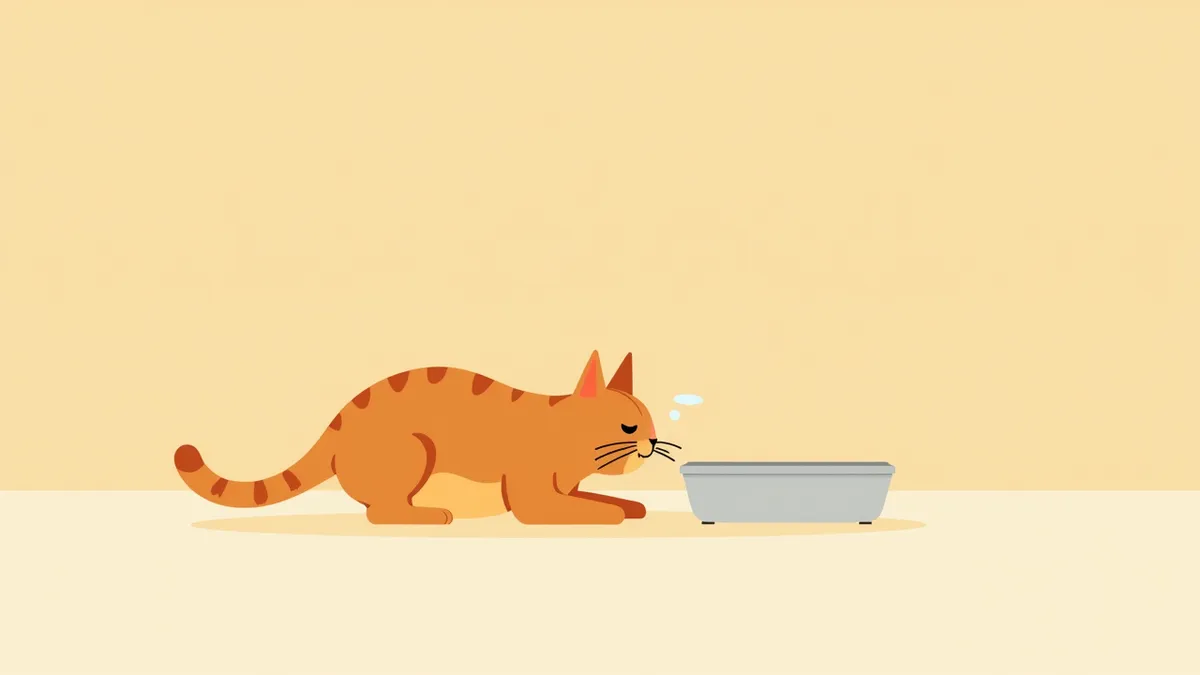
A cat showing signs of discomfort near the litter box
Feline chronic recurrent lower urinary tract disease is a condition characterized by recurring urinary issues, most commonly caused by feline idiopathic cystitis (FIC). FIC is the leading cause of feline lower urinary tract disease (FLUTD), and approximately half of cats that experience an acute episode of FIC may see their symptoms return within one to two years. - Feline Idiopathic Cystitis (FIC): This is a sterile, hemorrhagic inflammatory condition that occurs without bacterial infection. Signs include straining during urination, pain (dysuria), blood in the urine, and frequent trips to the litter box with little or no urine output. Pain and discomfort are the key indicators. - Stress Factors: Environmental changes, multi-cat households, and inter-cat conflict are major triggers. Stress can exacerbate urinary symptoms. - Insufficient Water Intake: Inadequate water consumption leads to concentrated urine, which can increase irritation to the urinary tract. - Genetic Predisposition: Certain breeds, particularly purebred cats, may have a higher risk, making early management essential. - Environmental Improvements: Regular litter box cleaning, providing an adequate number of litter boxes, and placing them in quiet locations are key preventive measures. Regular veterinary check-ups and careful observation by pet owners are essential.

Why do urinary tract infections recur in cats?
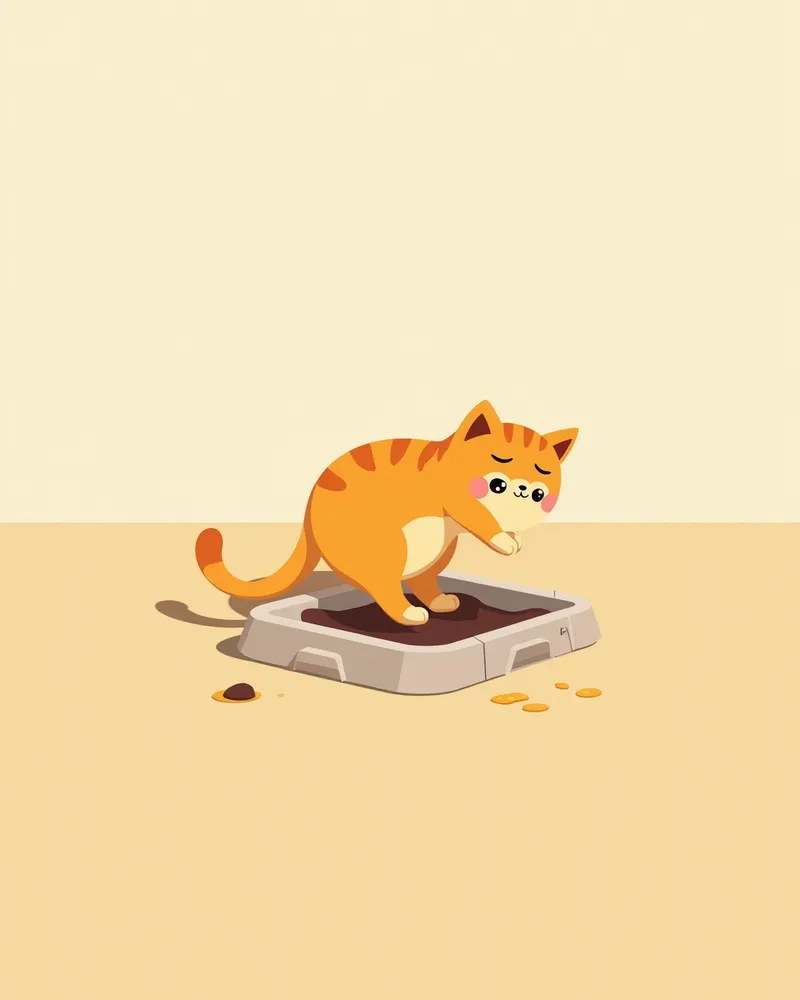
The main causes of recurrent feline lower urinary tract disease include stress, insufficient water intake, dissatisfaction with the litter box environment, and genetic predisposition. Stress activates the sympathetic nervous system, which can worsen the clinical signs of feline idiopathic cystitis (FIC) and hinder recovery. Additionally, FIC is a sterile inflammatory condition rather than a bacterial infection, so antibiotics are ineffective. Inadequate water intake leads to concentrated urine, which can increase irritation of the urinary tract. If the litter box is dirty or inconveniently located, cats may withhold urination, exacerbating their symptoms. Therefore, it is essential to comprehensively analyze the underlying causes and improve environmental factors.
Cats avoiding a dirty litter box

Key management methods to prevent recurrence

To prevent chronic recurrent lower urinary tract disease in cats, increasing water intake is the most important step. - Increase water intake: Feed primarily wet food and place multiple water bowls around the home to improve accessibility. - Improve the litter box environment: Keep the litter box in a clean, quiet location and clean it daily. - Reduce stress: Maintain a consistent routine and a stable environment to minimize your cat’s anxiety. - Manage water quality: Ensure the water is always fresh and clean; shiny or reflective bowls can attract your cat’s attention. - Regular check-ups: Monitor your cat’s condition through regular consultations with your veterinarian. All of these factors must work together to effectively prevent recurrence.
The home is equipped with multiple water fountains and clean litter boxes.

Comparison of management strategies by recurrence type

ItemMain causeMain management approachTreatment duration
Stress-induced typeEnvironmental changes, presence of other animals, conflict between catsStabilize the environment, provide a comfortable spaceVaries by individual and environment; gradually improves once the environment is stabilized
Dehydration typeInsufficient water intake, mainly dry foodAdd more water bowls, introduce wet foodGradually improves once water intake improves; duration varies
Feline idiopathic cystitis (FIC)Sterile inflammation occurring without infection, stress, environmental factorsReduce stress, increase water intake, apply nutritional therapyReducing the recurrence cycle is possible, but a complete cure is difficult

Accurately identifying the cause of recurrence is the key to effective management. In particular, for FIC that is not a bacterial infection, antibiotics are ineffective.

Signs that your cat is suffering from a urinary tract infection
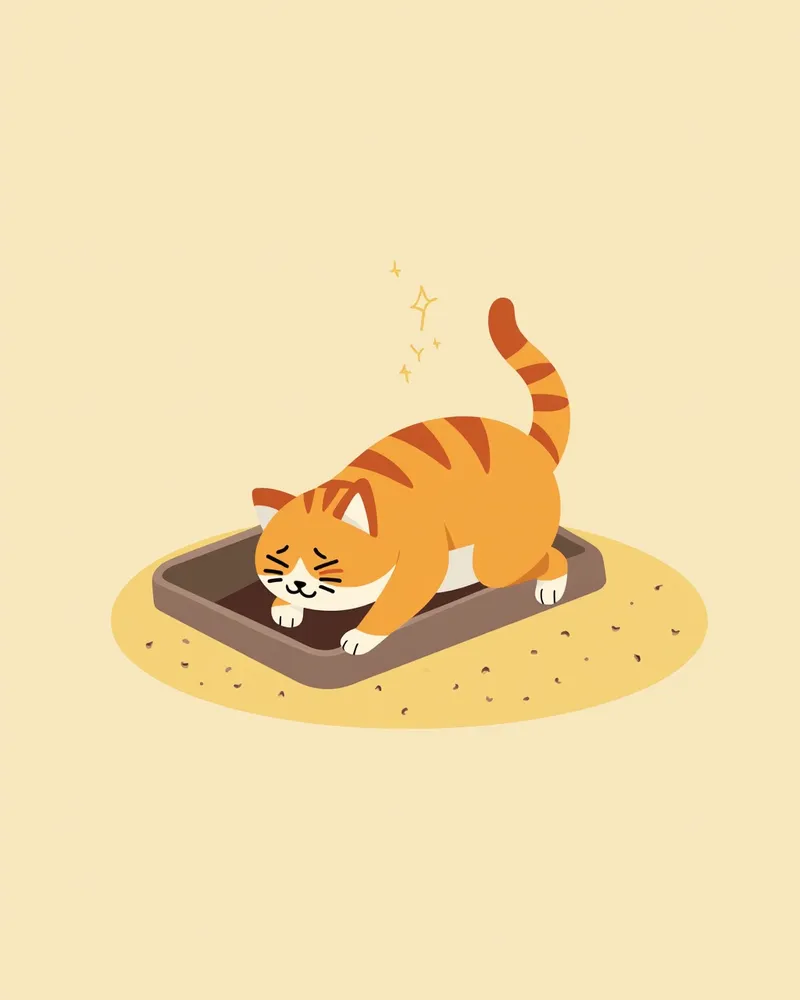
If your cat is suffering from a urinary tract disease, they may visit the litter box frequently but pass little to no urine, or produce small amounts of concentrated urine. You might also notice them sitting in the litter box for extended periods with a pained expression or taking a long time to urinate. Accidents outside the litter box, particularly on the floor or bed, are also warning signs. These behaviors indicate pain or discomfort and require immediate veterinary attention. Early detection and proper management, such as increasing water intake and stabilizing the environment, are key to preventing complications. As a pet owner, it is essential to monitor your cat closely so you don’t miss these changes.
A cat showing signs of distress while using the litter box

Signs requiring immediate veterinary visit

If your cat is unable to urinate at all or appears to be in pain while using the litter box, seek veterinary care immediately. This could indicate a urinary tract obstruction, which is life-threatening. Male cats are at higher risk due to their narrower urethras. Immediate veterinary attention is essential, as untreated obstructions can be fatal.

Reasons for recurrence after treatment
Recurrences after treatment are usually due to unresolved triggers. For example, if the litter box remains dirty or the cat continues to live in a stressful environment, urinary tract inflammation can recur. Insufficient water intake concentrates the urine, which can further irritate the urinary tract. Additionally, feline idiopathic cystitis (FIC) is a sterile inflammatory condition rather than an infection, so antibiotic therapy is ineffective. Therefore, it is essential to move past misconceptions about infection and combine medical treatment with environmental improvements and daily care. The key to preventing recurrence lies in the owner’s consistent monitoring and appropriate adjustments to the cat’s lifestyle.
A cat resting quietly in a calm and comfortable space

Management points pet owners must check

Litter box cleaning frequency: Clean the litter box at least once or twice a day.
Water bowl placement: Place water bowls in multiple locations, ensuring they are easily accessible to your cat.
Type of food: Primarily offer wet food to increase water intake.
Environmental stability: Introduce new objects, people, or other animals gradually to help your cat adjust.
Stress monitoring: Excessive grooming, hiding, or other unusual behaviors may indicate stress.
A checklist image featuring a clean litter box, a steady stream of water, wet food, and a calm cat.

Reviewed by a veterinarian

Dr. Tony — Punnawat Phongkittirak

Dr. Tony — Punnawat Phongkittirak

Veterinarian

A veterinarian who majored in veterinary medicine at Khon Kaen University, Thailand, and completed the IVSA program at North Carolina State University in the United States. Drawing on clinical experience at animal hospitals, he works in the pet healthcare field and is dedicated to building a digital care environment that connects pet parents with veterinarians.

Frequently Asked Questions

Can a cat develop a urinary tract infection again after recovering from one?
Yes, feline chronic recurrent lower urinary tract disease can recur. However, most cases are not caused by bacterial infections but rather by sterile inflammation due to feline idiopathic cystitis (FIC). In fact, about half of cats that experience acute FIC may have symptoms reappear within 1 to 2 years, so if the underlying cause is not addressed, the likelihood of recurrence is high.
What should I do if the infection comes back even after giving antibiotics?
If the condition recurs after antibiotic treatment, your vet will need to perform urine analysis and culture tests to check for the presence of pathogens. However, in most cases, no bacteria are found, which suggests the possibility of feline idiopathic cystitis (FIC), a sterile inflammatory condition. Tailored management, such as stress reduction and increased water intake, is essential.
Does giving more water prevent urinary tract infections?
Water intake is very important. However, to effectively prevent issues, it's also essential to address environmental stressors and the condition of the litter box. In particular, feline idiopathic cystitis (FIC) is not caused by infection, so antibiotics are ineffective.
Are male cats more susceptible to urinary tract infections?
Yes, male cats have narrower urethras, which puts them at a higher risk for urinary tract obstruction. If you suspect a urinary blockage, it is essential to visit the vet immediately. The risk of life-threatening urinary obstruction is more critical than the infection itself.
Can having multiple litter boxes help?
Yes, placing litter boxes in multiple locations helps reduce your cat’s stress and keeps the environment cleaner. In multi-story homes, it’s ideal to have a litter box on each floor. The general recommendation is to provide one litter box per cat, plus one extra. This setup can also help prevent recurrences of feline idiopathic cystitis (FIC).

Share

Related Guides

References

[1] Westropp JL, Buffington CA. Feline idiopathic cystitis: current understanding of pathophysiology and management. Vet Clin North Am Small Anim Pract. 2004;34:1043–1055.

[2] Osborne CA, Sanderson SL, Lulich JP, et al. Medical management of iatrogenic rents in the wall of the urinary bladder. Vet Clin North Am Small Anim Pract. 1996;26(3):551–562.

[3] Pressler BM, Vaden SL, Lane IF, et al. Candida spp. urinary tract infections in 13 dogs and seven cats: predisposing factors, treatment, and outcome. J Am Anim Hosp Assoc. 2003;39(3):263–270.

This information is based on veterinary literature and does not replace diagnosis or treatment. Please consult a veterinarian for specific health concerns.

Metapet Co., Ltd. | CEO: Park Sung-yong | Business Reg. No. 417-88-02562 | Seoul, South Korea | Customer Center

Feline Chronic Recurrent UTI: 5 Frequently Asked Questions | Meongsiljang