Like
Share
멍실장
고양이 스트레스 유발 방광염 관리 자주 묻는 질문 Q&A — 보호자가 꼭 알아야 할 핵심

Feline Stress-Induced Cystitis Management FAQ — Key Points Pet Owners Must Know

UrinaryQ&AMeongsiljang Veterinary Advisory Board

Feline stress-induced cystitis is a bladder condition triggered by environmental changes or anxiety. Here’s a summary of the key management strategies and coping methods that pet owners should know.

What is feline stress-induced cystitis?
An image depicting the expression of a cat sitting near the bathroom.
Feline stress-induced cystitis is a condition in which the bladder becomes inflamed due to environmental changes or emotional distress. - Stress response: When stressed, cats may suppress urination or experience pain that leads them to visit the litter box more frequently. - Inflammation: The inner lining of the bladder becomes irritated and swollen, causing pain and difficulty urinating. - Environmental factors: Moving to a new home, the arrival of new family members, the introduction of other animals, and changes in noise levels are common triggers. - Multi-cat households: The risk increases when there is insufficient space or heightened social tension among cats. - Persistent symptoms: If stress continues, symptoms may recur and worsen, potentially leading to urinary blockage. Early management is essential to prevent complications.

What are the main causes of this condition?
The main causes of feline stress-induced cystitis are emotional anxiety and environmental changes. - Environmental changes: Moving, new family members, or the introduction of other animals can cause significant stress in cats. - Social tension: In multi-cat households, lack of space or unstable relationships between cats can be a contributing factor. - Routine changes: Alterations in feeding times, litter box location, or noise levels can also act as triggers. - Physical response: Stress interferes with bladder contraction, leading to urinary dysfunction and worsening pain. - Psychological factors: Cats are highly sensitive to external stimuli, and their emotions can directly affect the bladder.
The sight of an anxious cat hiding behind the sofa

What are the main symptoms?

The main symptoms of feline stress-induced cystitis include the following:
Frequent trips to the litter box: Your cat repeatedly visits the litter box at short intervals.
Painful posturing in the litter box: Your cat may cry out or show signs of distress while urinating.
Urination outside the litter box: Your cat begins urinating in places other than the litter box.
Decreased urine output: Your cat may pass very little urine or appear to have difficulty urinating.
Increased grooming: Your cat excessively licks the bladder area.
These signs require immediate consultation with a veterinarian.
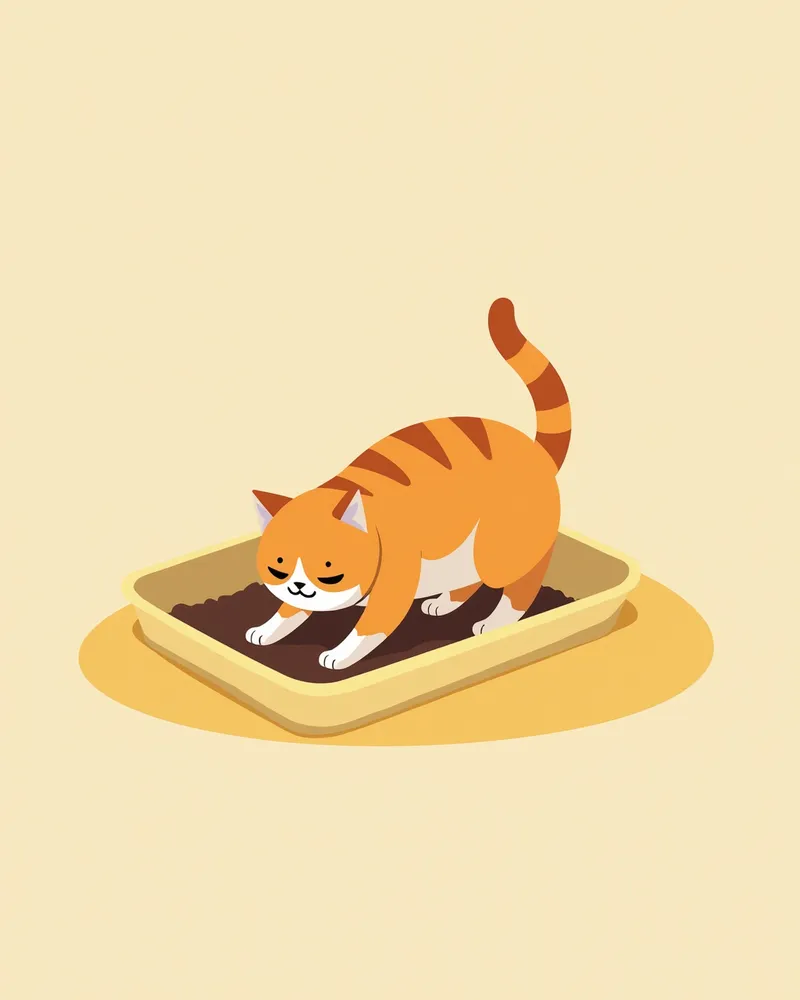
A cat displaying anxious postures near the litter box

Signs requiring immediate veterinary visit

If your cat is straining to urinate in the litter box without producing urine, or if they are vocalizing in pain, you should take them to the vet immediately. This could be a sign of a blocked bladder or severe inflammation. If left untreated, it can become life-threatening.

How is it diagnosed?
Feline stress-induced cystitis is accurately diagnosed through a series of tests. - Urinalysis: Checks for bacterial infections and identifies markers of inflammation. - Blood tests: Evaluates kidney function and electrolyte balance to rule out other diseases. - Ultrasound imaging: Visually assesses the bladder’s condition, checks for residual urine, and detects any obstructions. - Medical history review: The veterinarian carefully listens to and analyzes recent environmental or behavioral changes. - Symptom assessment: Holistically evaluates signs such as frequent trips to the litter box, painful postures, and decreased urine output.
A veterinarian performing a urinalysis on a cat

What are the treatment methods?

Treatment focuses on both reducing stress and alleviating symptoms. - Medication: Pain relievers and anti-inflammatory drugs are administered to reduce pain and inflammation. - Environmental adjustments: Provide a dedicated space for your cat and use pheromone products to help them feel secure. - Routine consistency: Maintain regular schedules for meals, litter box use, and sleep. - Emotional support: Your attention and a stable relationship with your cat play a significant role in reducing stress. - Psychological intervention: In severe cases, a veterinarian may prescribe antidepressants or anti-anxiety medications.
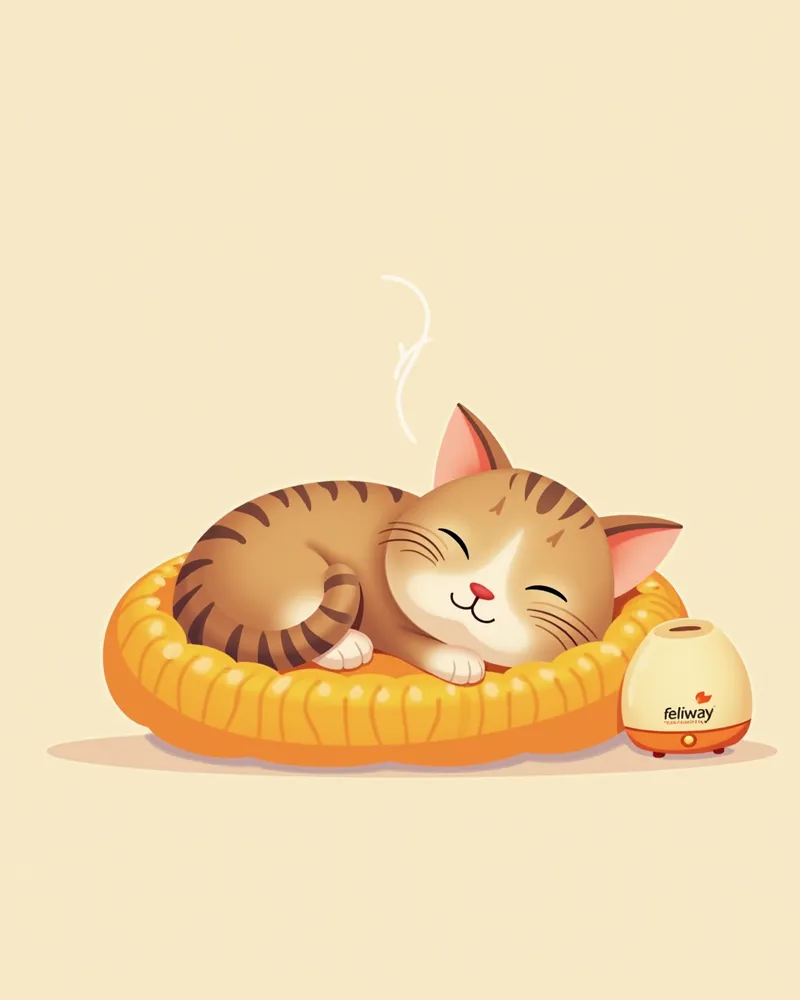
A cat resting comfortably next to a Feliway diffuser

Comparison of coping methods for stress-induced cystitis

ItemEffectWhen to usePrecautions
Pheromone diffuser (Feliway)Relieves stress, induces a sense of calmDuring environmental changes, before and after veterinary visitsContinuous use is recommended
Securing a cat-only spaceReduces anxiety by securing the cat's own spaceWhen moving, when a new family member arrivesSeparate the litter box, feeding, and resting areas
Maintaining a regular routineReduces anxiety through a predictable environmentIn all situationsFix the schedule for time, meals, and play
Antidepressants/anti-anxiety medicationsReduces severe anxiety, improves behaviorAfter a veterinary prescription, for long-term useMonitoring is needed during administration

Choose after consulting the veterinarian. All methods can be used together.

Points to note

When a cat urinates outside the litter box, it’s not simply a “bad habit” but a sign of stress. Punishing or scolding the cat will only increase its anxiety. If this behavior recurs, consult a veterinarian right away.

Reviewed by a veterinarian

Dr. Tony — Punnawat Phongkittirak

Dr. Tony — Punnawat Phongkittirak

Veterinarian

A veterinarian who majored in veterinary medicine at Khon Kaen University, Thailand, and completed the IVSA program at North Carolina State University in the United States. Drawing on clinical experience at animal hospitals, he works in the pet healthcare field and is dedicated to building a digital care environment that connects pet parents with veterinarians.

Frequently Asked Questions

My cat peed outside the litter box. Why is that happening?
This behavior can be a sign of cystitis caused by stress or anxiety, often triggered by environmental changes or stressful situations. Please consult your veterinarian right away.
Do pheromone products really work?
Pheromone products (such as Feliway) can be a helpful part of environmental management to reduce stress in cats. However, it’s difficult to say they work the same way for every cat. Rather than relying solely on pheromones, it’s best to use them alongside other environmental adjustments, such as providing a dedicated safe space and maintaining a consistent daily routine. They can be especially useful as a supportive measure during environmental changes, such as moving to a new home or welcoming a new family member.
What are some ways to help reduce your pet’s stress at home?
Providing a dedicated space for your cat, maintaining a consistent daily routine, using a pheromone diffuser, and ensuring a quiet environment are all effective strategies. Be sure to also set aside time for play.
What should I do if my pet’s cystitis keeps coming back?
A relapse signals that stressors are still present. It’s important to adjust the environment and maintain regular check-ups with your veterinarian. In some cases, antidepressants or anti-anxiety medications may be considered.
It seems like my cat is having trouble urinating. Is this an emergency?
Yes, this could be a urinary blockage emergency. You need to go to the vet immediately. If left untreated, it can be life-threatening.

Share

Related Guides

References

[1] Frank, D. et al. (1999) Efficacy of synthetic feline facial pheromone (Feliway) in reducing urine marking in multi-cat households. Journal of Feline Medicine and Surgery.

[2] Mills, D. S. & White, S. (2000) The use of pheromone therapy in the management of feline stress-related disorders. Veterinary Clinics of North America: Small Animal Practice.

[3] Gaultier, E. et al. (1998) Effect of Feliway on stress-related behaviors in cats during travel. Applied Animal Behaviour Science.

This information is based on veterinary literature and does not replace diagnosis or treatment. Please consult a veterinarian for specific health concerns.

Metapet Co., Ltd. | CEO: Park Sung-yong | Business Reg. No. 417-88-02562 | Seoul, South Korea | Customer Center

Feline Stress-Induced Cystitis: Key Management Q&A | Meongsiljang