Like
Share
멍실장
차량 장거리 안전 (1·3·8시간)

Long-Distance Car Safety (1, 3, and 8 Hours)

ImmunityQ&AMeongsiljang Veterinary Advisory Board

We’ve compiled essential safety guidelines, packing lists, and tips for managing motion sickness, dehydration, and stress during long car trips with your pet, broken down by 1-hour, 3-hour, and 8-hour travel segments.

Key Essentials for Long-Distance Car Travel with Pets

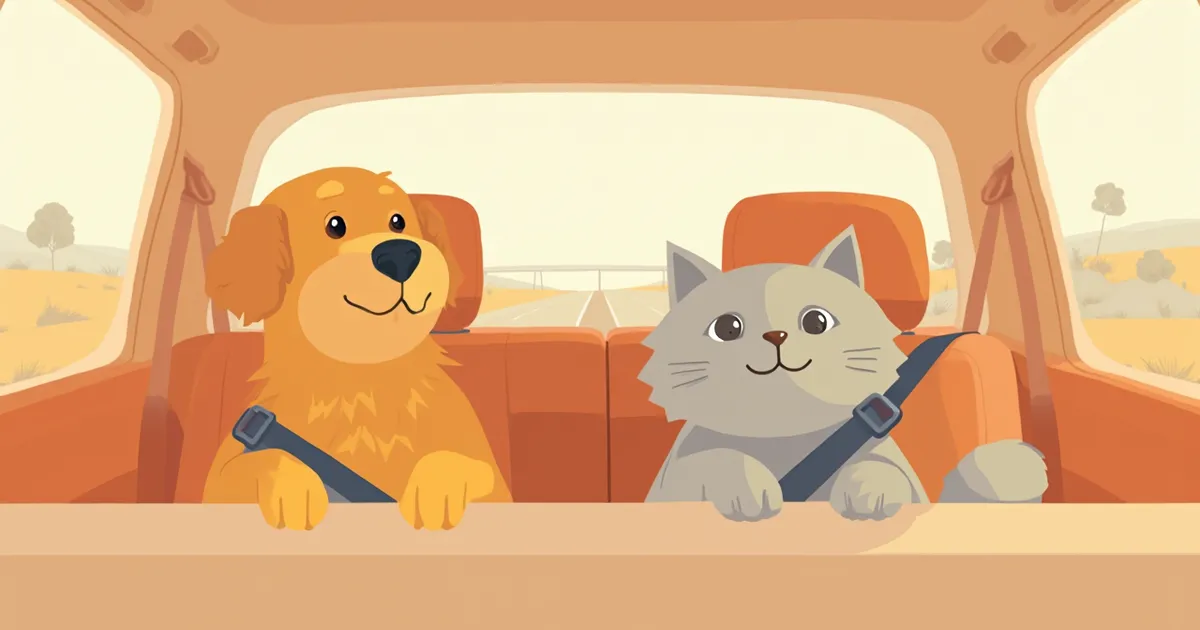
A pet securely restrained for safe long-distance car travel
Long car trips expose pets to vibrations, temperature fluctuations, and unfamiliar odors in a confined space for over an hour. Since travel itself can be highly stressful for many animals, the most critical measures are securing them in a carrier or with a safety harness and ensuring regular, adequate rest stops. Motion sickness and stress responses are the most common issues, so during extended journeys, you must also monitor temperature regulation, hydration, and elimination. Cats, in particular, are much more sensitive to unfamiliar environments and car rides, making them prone to stress signals such as changes in appetite or elimination habits, and excessive drooling. Be sure to provide a quiet environment and bring along a familiar blanket to help keep them calm.

Preparation Intensity Varies by Travel Duration

For trips under an hour, light preparation is usually sufficient. However, once the journey exceeds three hours, rest and hydration become essential, and anything over eight hours essentially requires a full travel plan. Since travel can cause stress and motion sickness in animals, regular breaks and condition checks become increasingly important as the trip lengthens. If you’re concerned about motion sickness, consult your veterinarian beforehand to prepare preventive measures. Even for short trips, smooth driving and a familiar environment can help reduce stress. A helpful rule of thumb is that the longer the trip, the more supplies you’ll need and the more frequent your check-ins should be.

Checklist for 1-, 3-, and 8-Hour Segments

ItemWithin 1 hourWithin 3 hours8 hours or more
Carrier/seatbelt securedTrueTrueTrue
Water·snacks preparedFalseTrueTrue
Rest breaks (toilet·stretching)Optional1 recommended2 or more required
Blanket·toysOptionalTrueTrue
Pee pads·wet wipesOptionalTrueTrue
Temperature·breathing checkOptionalTrueRequired
Check lodging·vet locationsFalseFalseTrue

For sick pets, senior dogs, and brachycephalic breeds, prepare according to the next level up

Essential Items to Pack
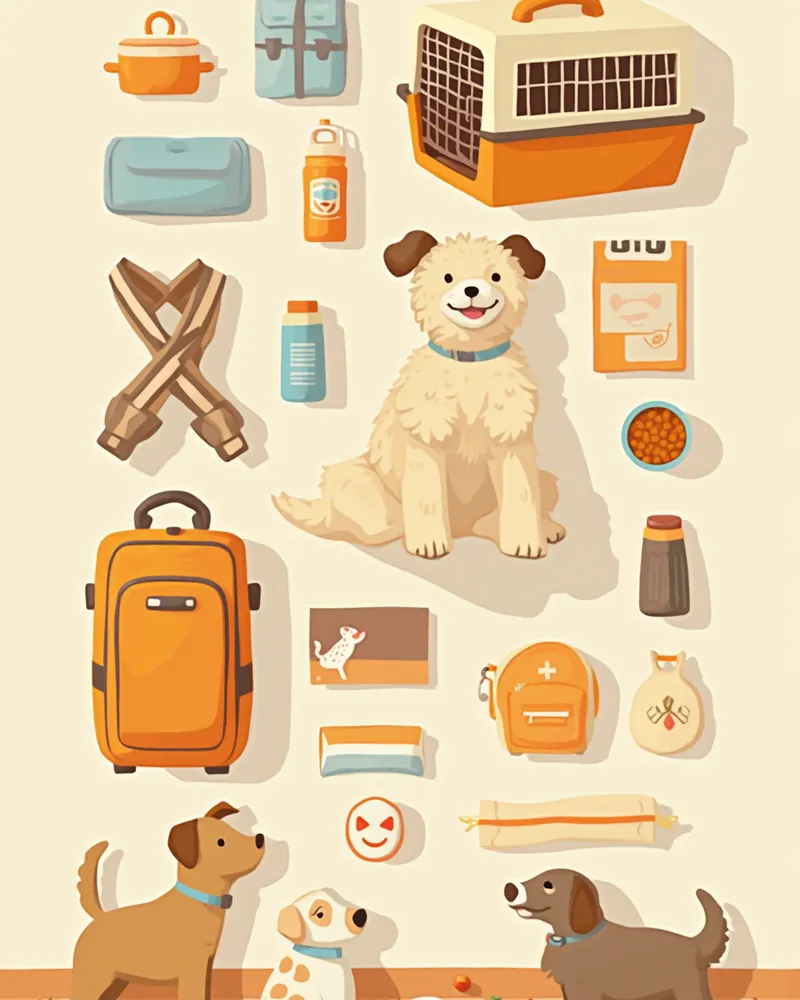
- Travel crate or safety harness: Prevents your pet from being thrown forward during sudden stops. - Water and portable bowl: Offer small amounts every 2–3 hours. - Pee pads and wet wipes: Keep on hand for unexpected accidents. - Familiar blanket and toys: Help mask unfamiliar scents and reduce stress. - A small amount of their regular food: Unfamiliar foods can cause digestive upset. - First aid kit: Essentials include motion sickness medication, hemostatic gauze, and a thermometer.
Essential supplies for your pet’s long-distance car travel

Never Leave Your Pet Alone in the Car

Even on a mild day with an outside temperature of around 24°C (75°F), the interior of a car can exceed 48°C (120°F) in less than 20 minutes. Cracking the windows open does little to slow this rapid temperature rise. Whenever you stop at a rest area, even briefly, you must either take your pet out of the vehicle or leave one person inside with the air conditioning running. This is especially critical for brachycephalic breeds (such as Bulldogs and Persians), large dogs, and overweight animals, as heatstroke can progress very quickly in a poorly ventilated car, making even a short period of neglect dangerous.

Tips to Reduce Motion Sickness and Stress

- Smooth driving: Avoid sudden acceleration, hard braking, and frequent turns to help reduce motion sickness. - Create a familiar environment: Place your pet’s usual blanket in the carrier to create a soft, comforting resting spot. - Short practice drives: Start by letting your pet get used to the car with the engine off, then gradually introduce short trips to help them associate the car with positive experiences. - Minimize visual stimulation: Since passing animals and scenery can overstimulate your pet, blocking their view can be helpful. - Consult about motion sickness medication: If your pet frequently experiences motion sickness, talk to your veterinarian about using an antiemetic (such as maropitant) at least two hours before departure. Never use human motion sickness medications without veterinary guidance.
A cat comfortably resting inside a carrier

Additional Precautions for Trips Over 8 Hours

Long trips can be physically and mentally taxing for pets due to the confined space. Make regular stops to allow your pet to stretch and relieve themselves, and offer small amounts of water throughout the journey. Drive smoothly, and on hot days, be especially diligent about ventilation and air conditioning to prevent the car from heating up quickly. Avoid traveling at night, and always book accommodations in advance that explicitly allow pets. Additionally, save the contact information for 24-hour veterinary clinics near your destination in advance to ensure you’re prepared for any emergencies.

Cats Require More Meticulous Preparation

Cats are extremely sensitive to unfamiliar environments. Cover the carrier with a cloth to darken it, and place it in the living room several days before departure to help your cat get used to it. Spraying feline pheromone spray inside the carrier can help reduce stress. If panting, drooling, or vomiting persists for more than 30 minutes, stop the car immediately and contact your veterinarian.

Post-Travel Monitoring Is Necessary

Arriving at your destination isn’t the end of the journey. For 24 to 48 hours after long-distance car travel, your pet may experience decreased appetite, diarrhea, or lethargy. Help them regain their strength by offering small amounts of water and their regular food. If your pet is reluctant to leave the carrier, do not force them out; wait patiently until they come out on their own. Seek veterinary care if you notice labored breathing or if their condition does not improve within 48 hours.

Reviewed by a veterinarian

Dr. Tony — Punnawat Phongkittirak

Dr. Tony — Punnawat Phongkittirak

Veterinarian

A veterinarian who majored in veterinary medicine at Khon Kaen University, Thailand, and completed the IVSA program at North Carolina State University in the United States. Drawing on clinical experience at animal hospitals, he works in the pet healthcare field and is dedicated to building a digital care environment that connects pet parents with veterinarians.

Frequently Asked Questions

Is it okay to feed my pet before we leave?
It’s best to avoid feeding your pet a large meal right before travel. If you’re concerned about motion sickness, consult your veterinarian about administering an antiemetic (such as maropitant) at least two hours before departure. You can let your pet drink water as usual.
Can I use any motion sickness medication?
Never give your pet human motion sickness medication. The ingredients and dosages are not suitable for animals. Always consult a veterinarian and use only prescription medication tailored to your pet’s weight.
Should cats wear safety harnesses too?
Securing your cat in a carrier is essential. Carriers cause less stress than harnesses and offer better protection in case of an accident. Please secure the carrier to the seat with a seatbelt.
Is it okay to let my pet out at a rest stop?
Keep the leash under 2 meters at all times. Pets often get startled and run away in unfamiliar environments. After they relieve themselves or stretch, please guide them back into the carrier.
Can senior dogs also travel long distances?
It is possible, but requires more careful preparation. Check your pet’s health status before departure, take frequent breaks, and avoid overexertion. If your pet has heart or joint conditions, consult with your veterinarian before making a decision.

Share

Related Guides

References

[1] Puustjärvi K. et al., Long-distance running alters bone anthropometry, elemental composition and mineral density of young dogs, Scand. J., 1995

[2] Blackwell's Five-Minute Veterinary Consult Clinical Companion, Small Animal Toxicology, 3rd Edition

[3] The Cat, Clinical Medicine and Management, 2nd Edition

This information is based on veterinary literature and does not replace diagnosis or treatment. Please consult a veterinarian for specific health concerns.

Metapet Co., Ltd. | CEO: Park Sung-yong | Business Reg. No. 417-88-02562 | Seoul, South Korea | Customer Center

Long-Distance Car Travel with Pets: 1, 3 & 8-Hour Guide | Meongsiljang