
The Ultimate Guide to Dog Paw Shapes (Cat Feet and Hare Feet)
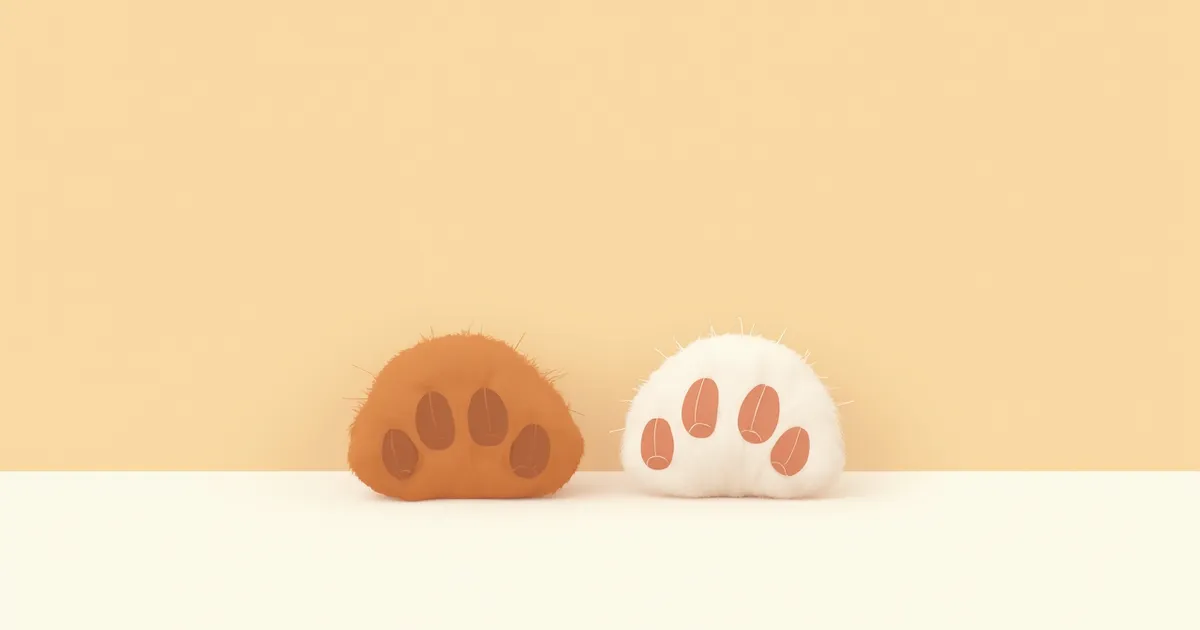
Dog paws generally fall into two main types: cat feet and hare feet. Here’s a comprehensive guide to breed-specific traits and paw care tips.
What Is a Dog’s Paw Shape?
Why Does Paw Shape Matter?
Cat Feet vs. Hare Feet: A Quick Comparison
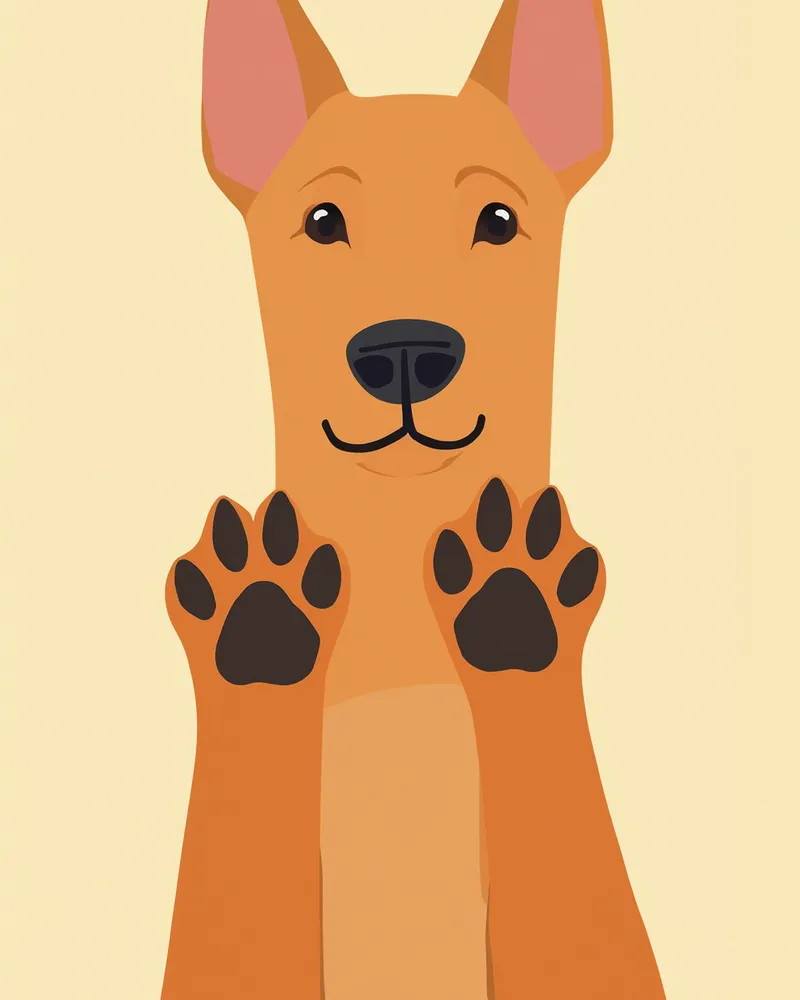
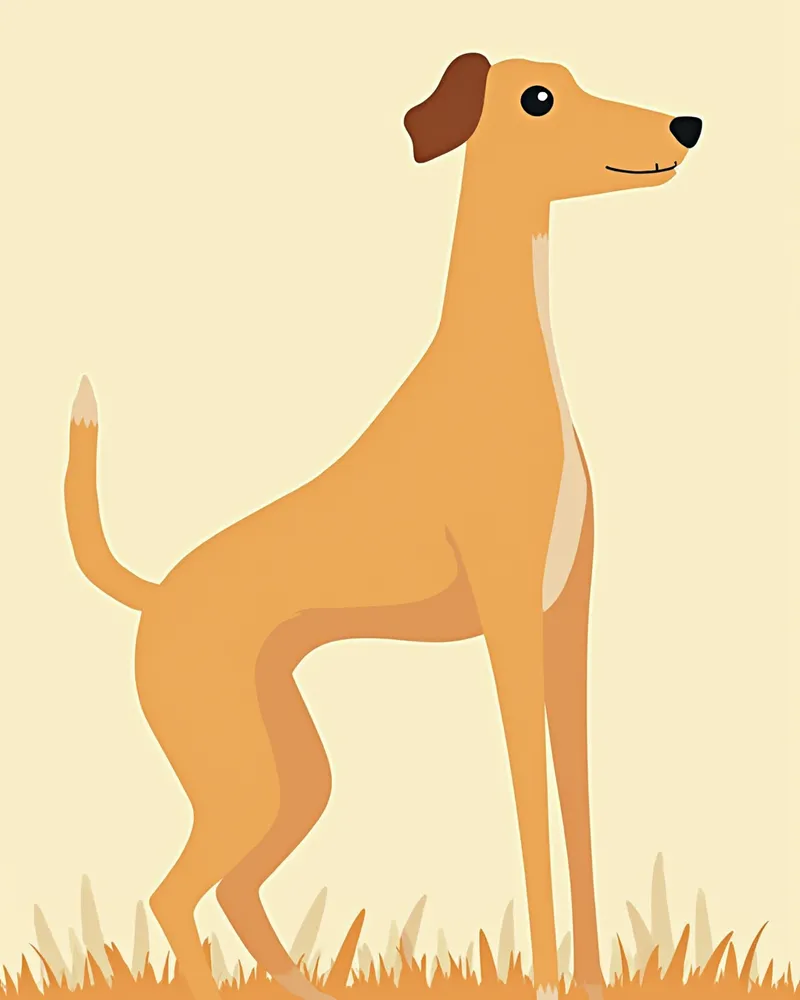
| Item | Cat Foot | Hare Foot |
|---|---|---|
| Foot shape | Short, round shape | Long oval shape |
| Toe arrangement | 3rd and 4th toes are similar in length | 3rd and 4th toes protrude longer |
| Advantages | Endurance, weight distribution | Burst speed, jumping ability |
| Representative breeds | Akita, Doberman, Newfoundland | Greyhound, Border Collie, Samoyed |
| Energy expenditure | Efficient when walking | Relatively more energy consumed |
There is individual variation, and foot shapes can be mixed even within the same breed
Detailed Characteristics of Cat Feet
Detailed Characteristics of Hare Feet
Check Your Pet’s Paws If You Notice These Symptoms
Regardless of your pet’s paw shape, the following symptoms may indicate a skin condition affecting the paw pads or the spaces between the toes. If your pet repeatedly licks its paws or limps, please seek veterinary care immediately. - The skin between the toes is red and swollen. - The paw pad cushions are cracked or hardened. - Your pet persistently licks or chews at one specific paw. - Your pet limps or holds one paw off the ground while walking. - Blood or pus is draining from around the nails.
Paw Shape-Specific Care Tips

Paw Pad Health Checklist
Breed-Specific Genetic Paw Condition Precautions
Certain breeds are genetically predisposed to paw-related skin conditions, making regular check-ups especially important for owners of these dogs. - West Highland White Terriers, Boxers, Bull Terriers, and Bulldogs: These breeds have a higher incidence of atopic dermatitis. Atopy is one of the primary causes of interdigital dermatitis, which presents with symptoms such as itching and redness between the toes. - Akita, Newfoundland, Border Collie, German Shepherd, Dachshund, and Chow Chow: These breeds have a reported predisposition to autoimmune skin diseases, such as pemphigus foliaceus. This condition progresses from pustules to crusts and may be accompanied by hyperkeratotic lesions on the paw pads. - German Shepherds: This breed also has a reported predisposition to lupoid onychitis (symmetrical lupoid onychodystrophy), a condition that affects the nails and nail beds. Because it can lead to nail loss, limping, and pain, please monitor the nails and paws closely. - Labrador Retrievers and Labrador mixes: These dogs may develop familial hyperkeratosis, a hereditary condition causing excessive thickening of the paw pads. For the breeds listed above, we recommend having a veterinarian check their paws every six to twelve months.
Reviewed by a veterinarian

Dr. Tony — Punnawat Phongkittirak
VeterinarianA veterinarian who majored in veterinary medicine at Khon Kaen University, Thailand, and completed the IVSA program at North Carolina State University in the United States. Drawing on clinical experience at animal hospitals, he works in the pet healthcare field and is dedicated to building a digital care environment that connects pet parents with veterinarians.
Reviewed 2026-04-26
Frequently Asked Questions
How can I tell whether my cat has cat feet or hare feet?
It looks like my cat’s paw shape is somewhere between a cat foot and a hare foot. Is that okay?
Do Hairfoot puppies get tired more easily than Catfoot puppies?
Do I really need to shave the fur between my pet’s toes?
My dog’s paw pads are cracked. Should I take them to the vet?
Share
Related Guides

Primary vs. Secondary Veterinary Hospitals: A Comparison

5 Easy-to-Raise Cat Breeds for First-Time Owners — Grooming Difficulty Comparison

Top 7 Short-Legged Dog Breeds
Acute Kidney Failure in Dogs: Why Does It Happen Suddenly? — Causes and Emergency Care Q&A

What is feline urine specific gravity? — How to read kidney function
Is Kidney Transplantation in Cats Really Possible? — Surgical Criteria and Survival Rates

What are feline kidney tumors? — How do benign and malignant differ?

Are Feline Renal Cysts Dangerous? — From Causes and Symptoms to When to Visit the Vet

What Are Cat Kidney Markers BUN, Creatinine, and SDMA? — Interpretation and When to Visit the Vet
What is Feline Polycystic Kidney Disease (PKD)? — Genetics, Symptoms, and Management
References
[1] Miller WH, Griffin CE, Campbell KL, Muller and Kirk's Small Animal Dermatology, 7th Ed
[2] BSAVA Manual of Canine and Feline Dermatology, 4th Ed
[3] Nuttall T (2019) Chronic pododermatitis and interdigital furunculosis in dogs. Companion Animal 24, 194-200