
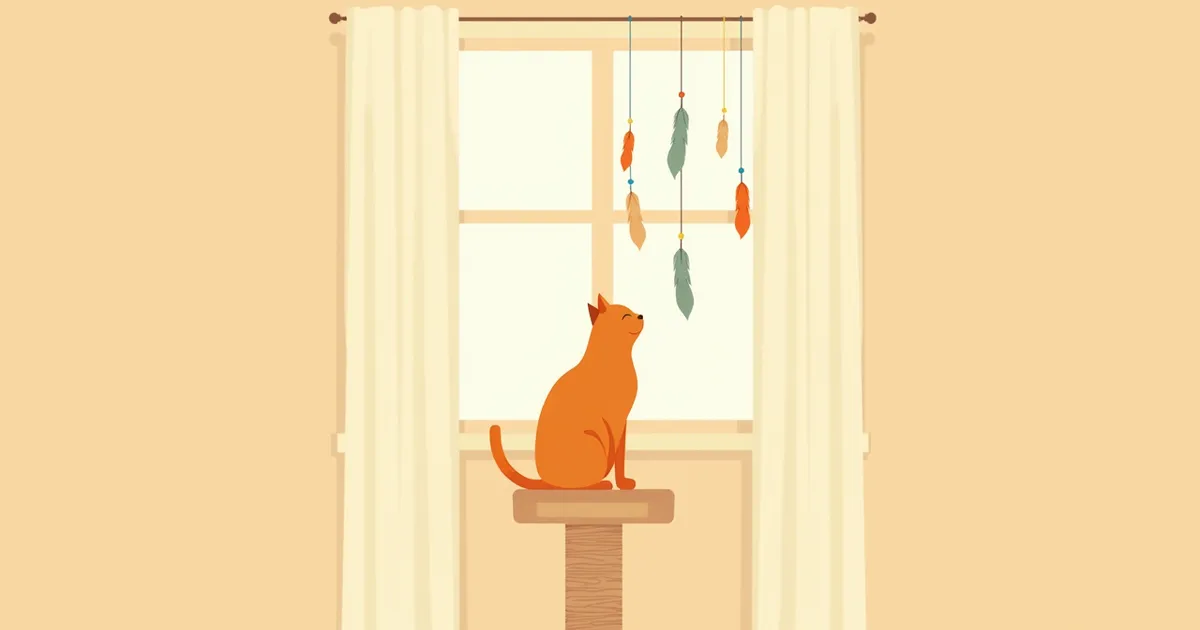
What is feline behavioral enrichment? — A guide to creating a stress-reducing environment
We’ve organized behavior-enrichment strategies that satisfy the instinctual needs of indoor cats in a Q&A format. From hunting play and environmental setup to food enrichment, plus important tips for multi-cat households, this guide offers practical advice that cat owners can put into practice right away.
What is feline behavioral enrichment?
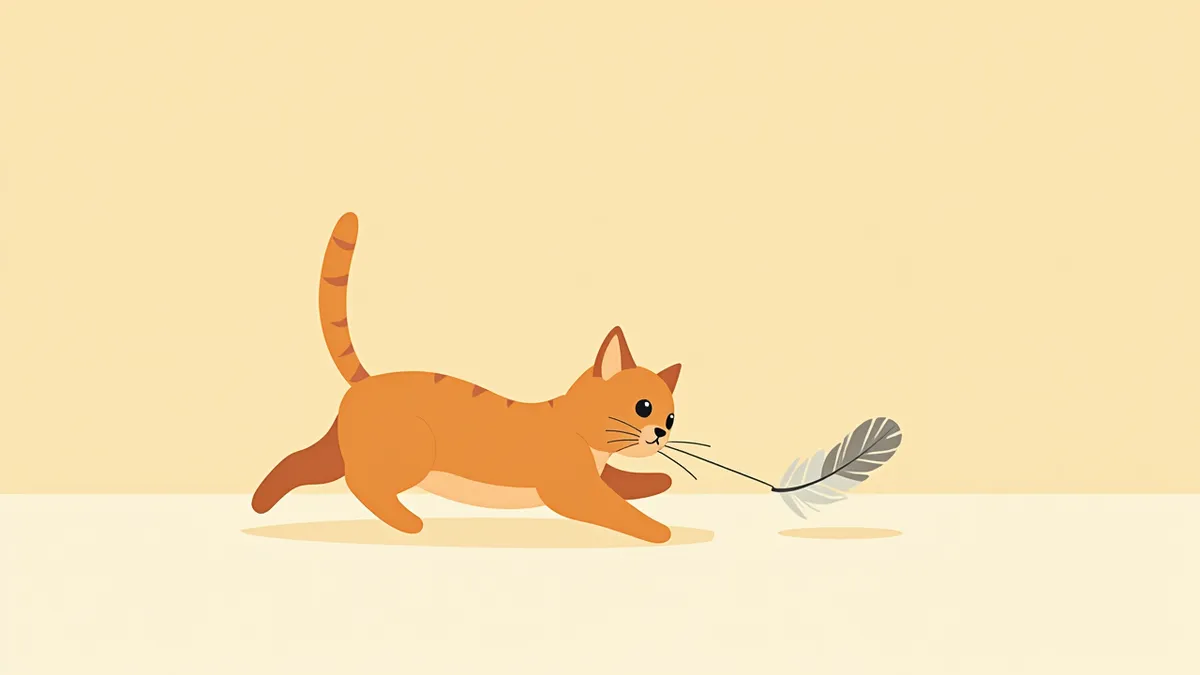
Why enrichment is essential for indoor cats
At a glance: 5 types of behavioral enrichment
| Item | Purpose | Representative examples | Difficulty |
|---|---|---|---|
| Environmental enrichment | Providing vertical space and hiding spots | Cat tower, boxes, window perch | Easy |
| Sensory enrichment | Visual, auditory, and olfactory stimulation | Window-view videos, classical music, catnip | Easy |
| Food enrichment | Satisfying hunting instinct | Puzzle feeders, hidden treats | Moderate |
| Cognitive enrichment | Brain stimulation and problem solving | Clicker training, trick learning | Moderate |
| Social enrichment | Bonding and interaction | Owner play sessions, companion cats | Situation-dependent |
Organized based on the enrichment classification from veterinary behavior textbooks (UFAW: social, occupational, physical, sensory, nutritional)
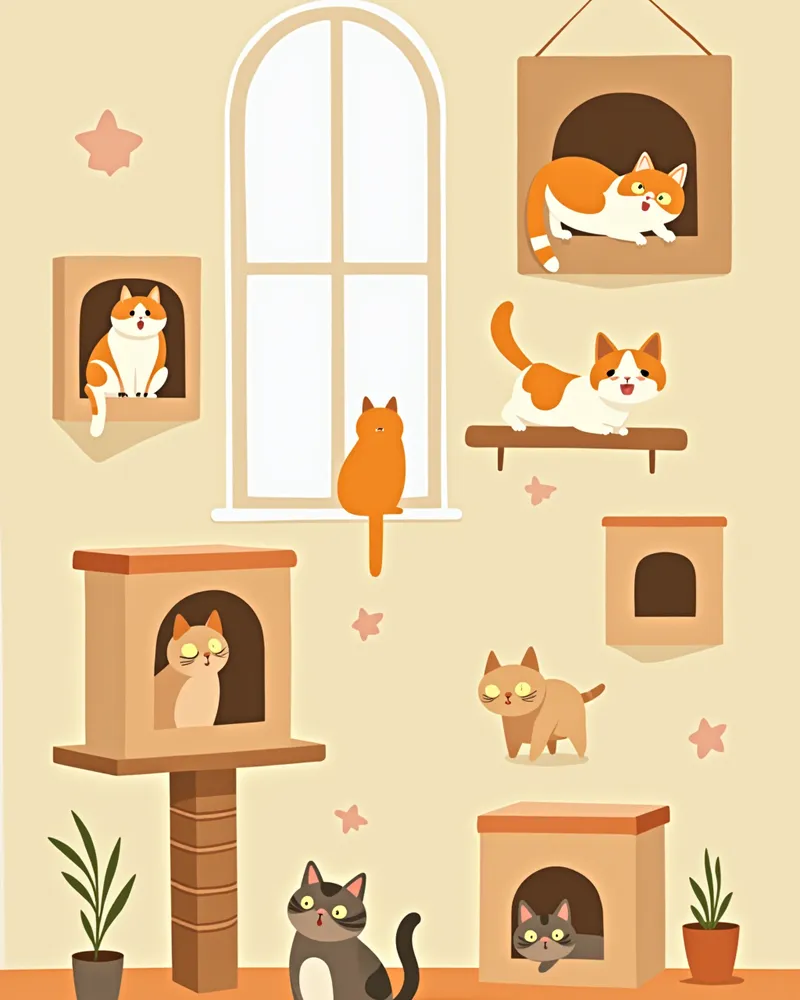
Environmental enrichment — Things you can do right now
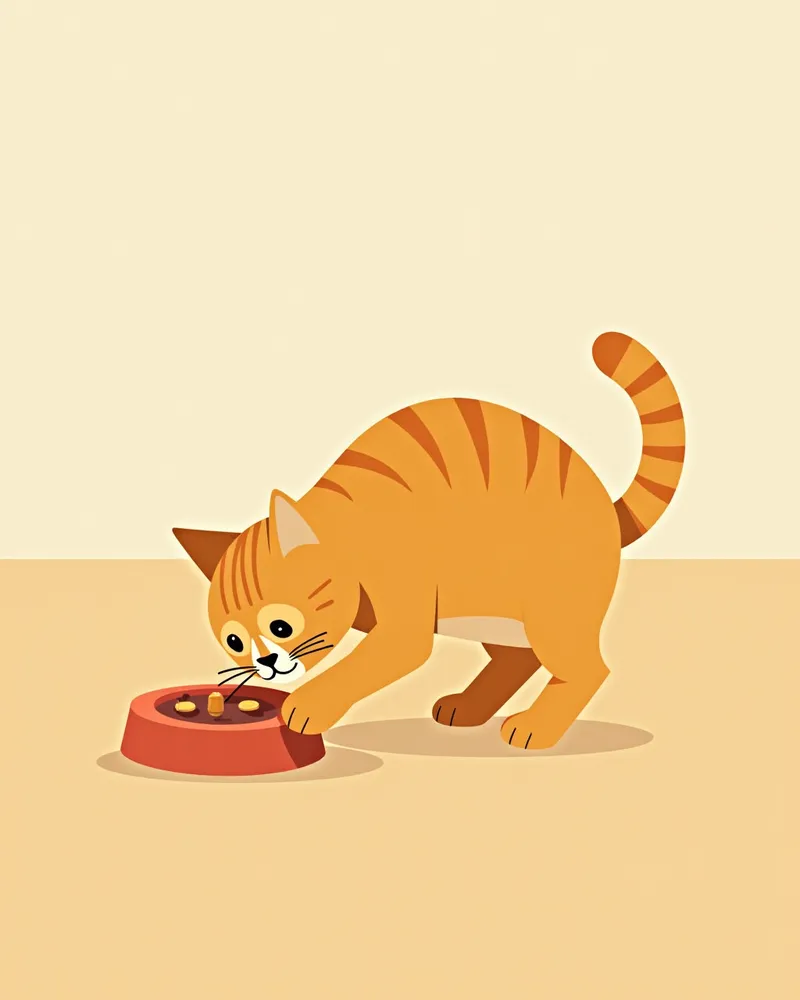
Food enrichment & cognitive stimulation — Awaken the hunting instinct
Key points to check when creating an enrichment environment
Forcing interaction can backfire. Introduce new toys and environmental changes gradually, allowing your cat to explore at their own pace, and always provide accessible hiding spots. Since responses to catnip vary among cats, start with a small amount. Overusing catnip spray daily can lead to diminished effects over time.
Enrichment tips for multi-cat households and senior cats
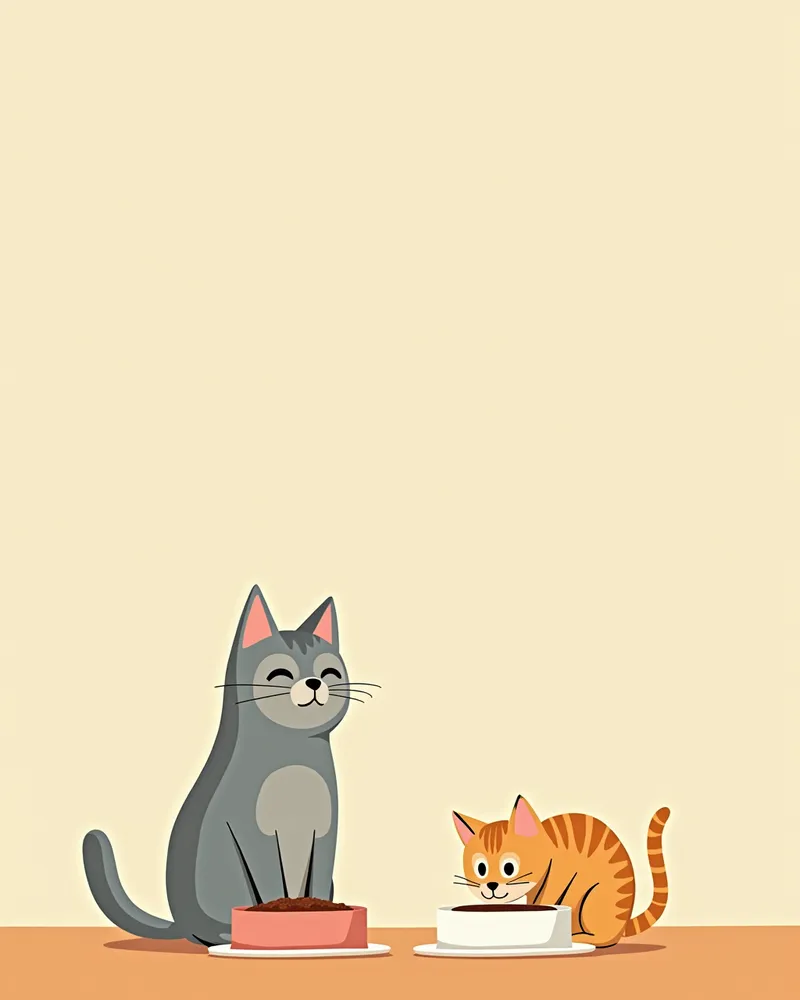
Signs that your cat needs more enrichment
- Excessive grooming: Repeatedly licking the belly and sides to the point of hair loss. - Increased aggression: Unprovoked attacks on owners or other cats in the household. - Repetitive behaviors: Continuously pacing along the same route. - Overeating and weight gain: Coping with boredom by eating. - Elimination outside the litter box: Stress-induced inappropriate elimination.
Reviewed by a veterinarian

Dr. Tony — Punnawat Phongkittirak
VeterinarianA veterinarian who majored in veterinary medicine at Khon Kaen University, Thailand, and completed the IVSA program at North Carolina State University in the United States. Drawing on clinical experience at animal hospitals, he works in the pet healthcare field and is dedicated to building a digital care environment that connects pet parents with veterinarians.
Reviewed 2026-06-01
Frequently Asked Questions
How much playtime should I give my pet each day?
What should I do if I don’t have a cat tree?
My cat shows no interest in toys at all.
Do outdoor cats also need environmental enrichment?
Even with environmental enrichment, the problem behaviors persist.
Share
Related Guides

7 Behavioral Enrichment Strategies for Mental Stimulation Recommended by Veterinarians
Top 5 Calming Supplements for Dogs and Cats in 2026
L-Theanine Effects and Calming Support
Average Cat Lifespan and Secrets to Longevity: A Complete Guide
Types of Dog Allergy Tests and the Procedure
Frequently Asked Questions on Early Detection of Health Issues in Cats — Key Points for Pet Owners
Is My Dog’s Skin Lump Okay? — Key to Distinguishing Lipomas from Malignant Liposarcomas
What is Feline Chronic Kidney Disease (CKD)? — From Early Signs to Stage-by-Stage Management
Complete Guide to Postoperative Recovery and Intensive Care for Cats — Key Points for Pet Owners
Essential Guide to the Safe Use of Dog NSAIDs — Key Information for Pet Owners
References
[1] Ellis, S.L. (2009). Environmental enrichment: Practical strategies for improving feline welfare. Journal of Feline Medicine and Surgery, 11(11), 901-912.
[2] Hampton, A. et al. (2019). Effects of music on behavior and physiological stress response of domestic cats in a veterinary clinic. Journal of Feline Medicine and Surgery, 22(2), 122-128.
[3] A Professional's Guide to Feline Behaviour: Understanding, Improving and Resolving Problems. CRC Press, 2022. (Chapter 3: MEMO Framework)
[4] Hammerle, M. et al. Veterinary Guide to Preventing Behavior Problems in Dogs and Cats. Wiley-Blackwell, 2022.