Like
Share
멍실장
강아지 예방접종 후 부작용 모니터링 자주 묻는 질문 Q&A — 보호자가 꼭 알아야 할 핵심

Puppy Vaccination Side Effect Monitoring FAQ — Key Points Every Pet Owner Must Know

Lifestyle & Age CareQ&AMeongsiljang Veterinary Advisory Board

It’s essential for pet owners to understand how to recognize and properly respond to potential side effects after their puppy’s vaccinations. Here’s a clear summary of warning signs and what to do.

Monitoring for Side Effects After Puppy Vaccination Is Essential
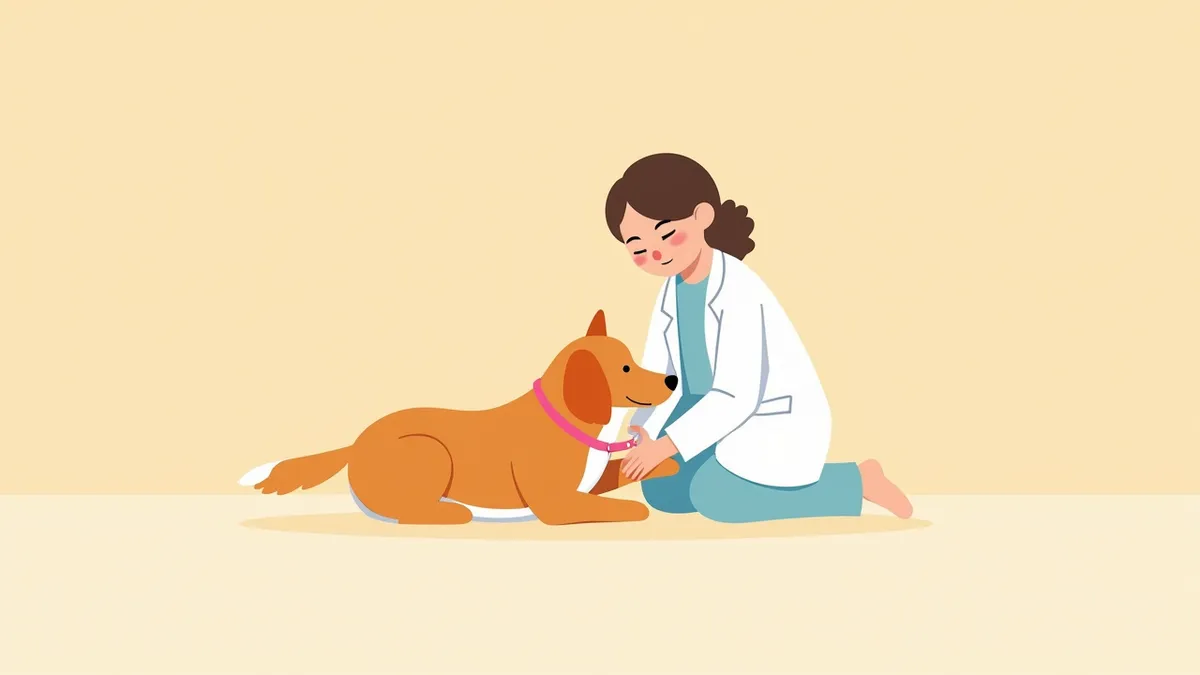
A veterinarian examining a puppy after vaccination
Monitoring for side effects after your puppy’s vaccinations is an essential step that you, as the pet owner, must take. The first three days (72 hours) following vaccination are particularly important for close observation. While most reactions are temporary and resolve within three days, any severe symptoms that clearly indicate your puppy is in pain require immediate attention. - Fever: A slight increase in body temperature may occur after vaccination. This is usually temporary, but if the fever persists for several days or your puppy appears noticeably unwell, veterinary care is necessary. - Lethargy and decreased appetite: Temporary fatigue or reduced appetite may occur, but most puppies recover within 1–2 days. - Swelling at the injection site: Mild pain, swelling, or inflammation may develop at the injection site, but these symptoms typically subside over time. Your careful observation is key to safeguarding your puppy’s health.

Common Reactions After Vaccination and Their Causes
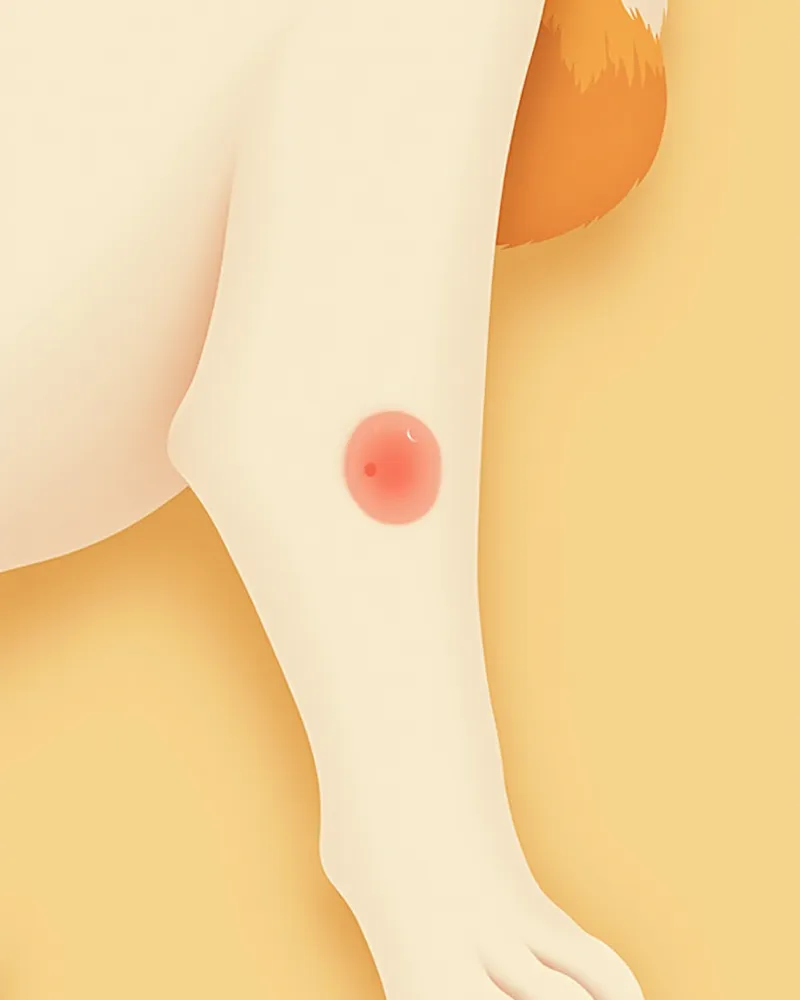
Common reactions after a puppy’s vaccination include pain at the injection site, fever, lethargy, and decreased appetite. These are normal signs that the immune system is responding to the vaccine. The vaccine ingredients stimulate immune cells to produce antibodies, causing these temporary reactions. In most cases, symptoms resolve naturally within 1–2 days, and in nearly all cases, they subside within three days. - Signs of an immune response: This also indicates that the vaccine is working effectively. - Ongoing observation is essential: If your puppy appears clearly unwell or symptoms do not improve within the first three days after vaccination, a veterinary visit is necessary. Your careful monitoring helps ensure your pet’s safety.
Mild swelling at your dog’s vaccination site

5 Signs of Serious Side Effects

- Persistent fever: If your pet’s temperature remains elevated more than three days after vaccination, or if they appear noticeably unwell, close monitoring is necessary. - Severe vomiting or diarrhea: Seek veterinary care if vomiting or diarrhea persists or if blood is present in the stool. - Difficulty breathing: Watch for rapid breathing or signs of labored respiration. - Generalized rash or swelling: Look for facial or bodily swelling, red spots, or itching. - Fainting or seizures: Sudden collapse, trembling, or seizures may indicate a severe allergic reaction (anaphylaxis), requiring immediate veterinary attention. Delaying care increases the risk, so consult your veterinarian as soon as possible.
Symptoms of breathing difficulty in dogs

Emergency Signs Requiring Immediate Veterinary Visit

If your dog shows signs of difficulty breathing, fainting, severe seizures, or swelling and rashes on the face or body, take them to a veterinary clinic immediately. These symptoms may indicate a severe allergic reaction, such as anaphylaxis, or other serious side effects. Such reactions can be life-threatening, so do not delay—aim to reach a veterinary clinic as quickly as possible.

Step-by-Step Guide to Managing Side Effects

- Mild reactions: Let your pet rest comfortably indoors and encourage frequent water intake. Most pets recover on their own within 1–2 days without any special treatment. - Vomiting or diarrhea: If symptoms are mild, withhold food temporarily and offer small amounts of water frequently. However, if vomiting or diarrhea persists or if you notice blood in the stool, consult your veterinarian immediately. - Swelling at the injection site: Avoid irritating the injection area and check it daily. If swelling or pain persists for several days or if pus develops, a veterinary visit is necessary. - Persistent symptoms: If your pet appears clearly uncomfortable or if symptoms worsen, contact your veterinarian right away. Supportive treatments such as intravenous fluids or anti-inflammatory medications may be required. Your prompt decision-making helps ensure your pet’s safety.
Applying a cold compress to the puppy's vaccination site

Comparison of Management Methods by Severity of Side Effects

ItemSymptom SeverityKey SignsHow to RespondWhether to Visit the Hospital
MildSlight fever, drowsiness, decreased appetiteTemporary discomfort, recovery within 1–2 daysRest indoors, drink plenty of waterUsually not necessary
ModerateFever lasting three or more days, repeated vomiting/diarrheaSymptoms not subsiding or worseningConsult a veterinarian; supportive care such as fluids and anti-inflammatories if neededNecessary
SevereDifficulty breathing, fainting, seizures, facial/whole-body swelling/rashRapid deteriorationTransport to the hospital immediatelyAbsolutely necessary

If symptoms worsen or do not subside within a few days after vaccination, an immediate hospital visit is recommended.

5 Post-Vaccination Care Tips
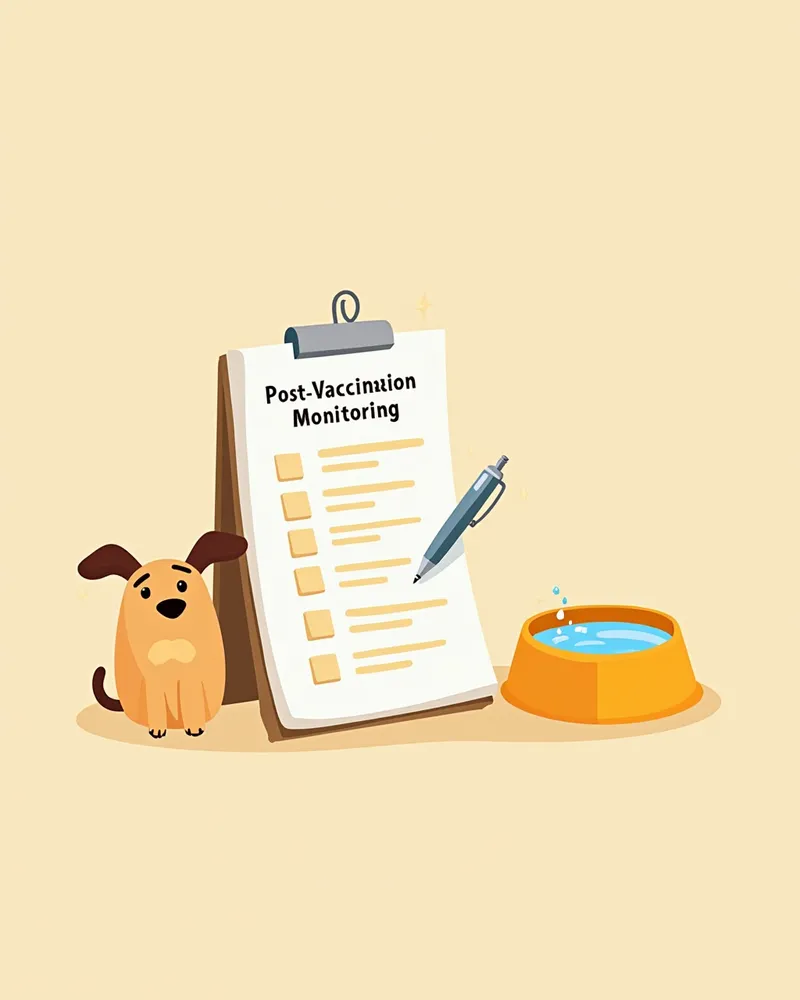
Ensure rest time: Reduce activity for one day after vaccination. Keep walks short and play quiet.
Diet management: Start with plain rice broth or special diet food. Avoid meat or fatty foods.
Monitor vaccination site: Check the area 2–3 times daily. If swelling, pain, or pus appears, visit the clinic.
Encourage water intake: If your pet is too sleepy or has no appetite to drink, offer cool water or place multiple water bowls around.
Keep records: Note any side effects, including timing and symptoms. Share this information with your vet at the next vaccination.
Post-Vaccination Care Checklist for Puppies

Caution: Absolutely No Outdoor Activity for 24 Hours After Vaccination

For a few days after vaccination, it’s best to limit strenuous activity and minimize exposure to external stimuli or contact with other dogs. If your pet appears clearly unwell or shows severe reactions within three days post-vaccination, consult your veterinarian immediately for the safest course of action. While keeping your pet comfortable at home is recommended, strict confinement indoors isn’t always necessary.

Reviewed by a veterinarian

Dr. Tony — Punnawat Phongkittirak

Dr. Tony — Punnawat Phongkittirak

Veterinarian

A veterinarian who majored in veterinary medicine at Khon Kaen University, Thailand, and completed the IVSA program at North Carolina State University in the United States. Drawing on clinical experience at animal hospitals, he works in the pet healthcare field and is dedicated to building a digital care environment that connects pet parents with veterinarians.

Frequently Asked Questions

What should I do if my puppy’s fever persists for two days after vaccination?
A slight rise in body temperature after vaccination is usually temporary and should subside within a few days. However, if the fever persists beyond three days or your pet appears noticeably unwell, a veterinary visit is necessary. The veterinarian will check for allergic reactions or signs of infection.
My pet has vomited more than three times after vaccination. Is it okay to give them food?
If symptoms are mild, withhold food temporarily and offer small amounts of water frequently. If vomiting persists or is accompanied by bloody stools or other symptoms, seek veterinary care immediately. The veterinarian may provide supportive treatments such as intravenous fluids if necessary.
The injection site has been swollen and painful for three days. Is this normal?
Swelling or tenderness at the injection site usually subsides within a few days. If the swelling or pain persists beyond a few days, or if pus develops, please consult your veterinarian.
When should the next vaccine be administered?
Your veterinarian will determine the vaccination schedule based on your pet’s weight, age, and overall health. Since initial vaccinations are typically administered in a series, please follow your vet’s guidance for subsequent appointments.
If my pet experiences side effects after a vaccination, can I skip the next one?
If your pet experienced any serious side effects, be sure to consult with your veterinarian. Most side effects are temporary, and your pet can usually receive the next vaccine, but your vet may adjust the vaccination schedule based on your pet's risk factors.

Share

Related Guides

References

[1] Scherk MA, Ford RB, Gaskell RM, Hartmann K, Hurley KF, Lappin MR, et al. 2013 AAFP Feline Vaccination Advisory Panel Report. J Feline Med Surg. 2013;15(9):785–808.

[2] The Veterinary Workbook of Small Animal Clinical Cases. British Small Animal Veterinary Association. https://www.bsava.com/Resources/Veterinary-resources/Position-statements/Vaccination

[3] Clinical Medicine of the Dog and Cat, 4th Ed. Elsevier. Chapter 21.2.1: Vaccination Protocols and Adverse Reactions.

This information is based on veterinary literature and does not replace diagnosis or treatment. Please consult a veterinarian for specific health concerns.

Metapet Co., Ltd. | CEO: Park Sung-yong | Business Reg. No. 417-88-02562 | Seoul, South Korea | Customer Center

Puppy Vaccine Side Effects FAQ: 5 Key Points to Know | Meongsiljang