

Cat Teeth Grinding (Bruxism) FAQ — Key Information Every Pet Owner Should Know
Teeth grinding in cats can be caused by a variety of factors, including stress, pain, and neurological disorders. Here’s a summary of the key information every pet owner should know.
What Is Cat Teeth Grinding (Bruxism)?

What Are the Main Causes of Teeth Grinding?

5 Main Causes Associated with Teeth Grinding
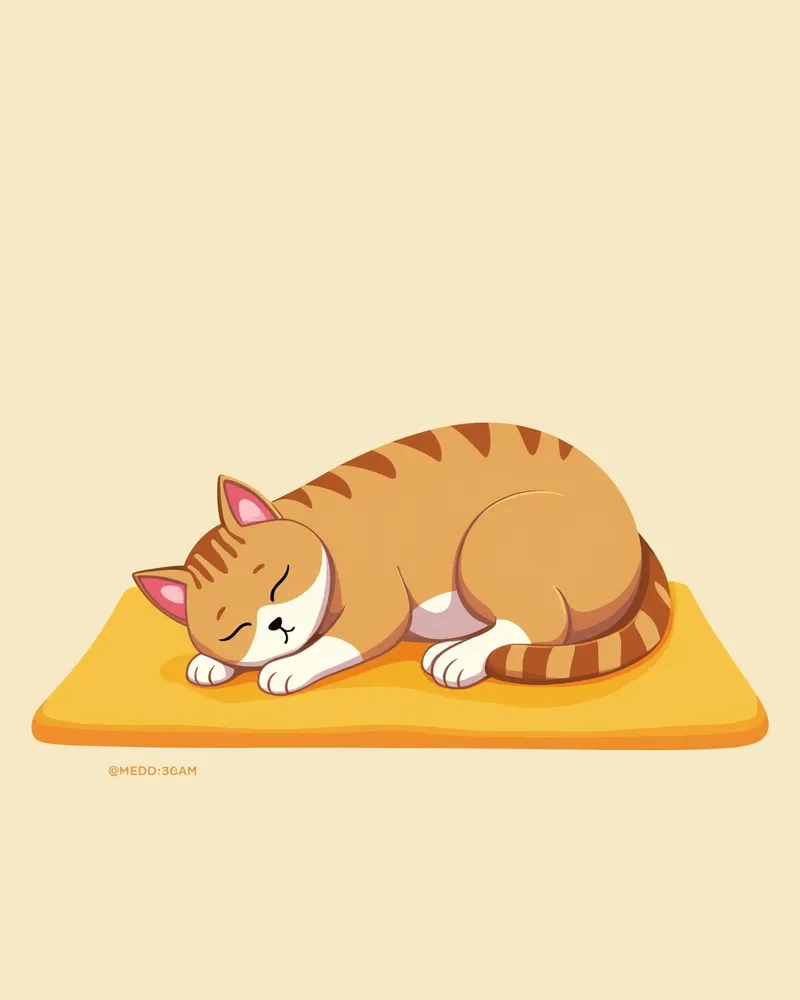
When to Visit the Vet Immediately
If your pet repeatedly grinds their teeth, shows a decreased appetite, loses weight, develops worse bad breath, or produces saliva mixed with blood, consult a veterinarian immediately. These symptoms may indicate serious dental disease or an underlying internal condition.
What the Veterinarian Checks for Teeth Grinding Diagnosis

How to Handle Teeth Grinding and Treatment Steps

Management Tips You Can Do at Home

Precautions
If left untreated, teeth grinding can lead to serious oral health issues such as tooth fractures, gum damage, and infections. Additionally, if the underlying cause is an internal disease, early treatment can significantly impact survival rates.
Comparison of Responses by Cause of Teeth Grinding
| Item | Main Symptoms | Response | Treatment Expectation |
|---|---|---|---|
| Dental/oral pain | Teeth clenching, increased drooling, chewing on only one side | Oral examination under anesthesia, dental treatment | Veterinarian-prescribed analgesics (NSAIDs, etc.) |
| Stress response | Occurs after environmental changes, anxious behavior | Environmental stabilization, trigger management, training | Behavioral modification and environmental enrichment |
| Neurologic/pain syndrome | Involuntary repetition, hypersensitive reactions | Neurologic evaluation, medication therapy | Long-term management required |
| Systemic/gastrointestinal disease | Drooling, decreased appetite, oral ulcers (abdominal pain may not be evident in cats) | Blood tests, systemic evaluation | Improvement after treating the underlying disease |
Identifying the cause is the key to treatment. Proceed with diagnosis together with your veterinarian.
Reviewed by a veterinarian

Dr. Tony — Punnawat Phongkittirak
VeterinarianA veterinarian who majored in veterinary medicine at Khon Kaen University, Thailand, and completed the IVSA program at North Carolina State University in the United States. Drawing on clinical experience at animal hospitals, he works in the pet healthcare field and is dedicated to building a digital care environment that connects pet parents with veterinarians.
Reviewed 2026-06-07
Frequently Asked Questions
Is teeth grinding common in cats?
Can teeth grinding damage the teeth?
What home care options are available to help relieve bruxism?
Is medication necessary for treating bruxism?
Is there a connection between a cat's age and its tendency to grind its teeth?
Share
Related Guides

7 Best Cat Dental Chews for Tartar Prevention Recommended by Veterinarians and Selection Criteria

Top 5 Recommended Dental Treats for Dogs in 2026 — VOHC Certification Criteria

7 Criteria for Choosing Dog Tartar Prevention Dental Chews Recommended by Veterinarians

Frequently Asked Questions on the Risk of Zoonotic Parasitic Infections in Cats — Key Points Pet Owners Must Know

Cat Roundworm FAQs — Essential Information for Pet Owners

Cat Tick Prevention & Removal FAQ — Key Information Every Owner Must Know

Frequently Asked Questions About Feline Spot-On Preventatives — Key Information for Pet Owners
Cat Seasonal Parasite Prevention Strategy FAQ — Key Information Every Pet Owner Should Know
Frequently Asked Questions on Parasite Management in Pregnant and Nursing Cats — Key Information Every Pet Owner Should Know
Frequently Asked Questions About Feline Lung Flukes — Key Information Every Pet Owner Should Know
References
[1] AAFP (2024) '2024 AAFP indoor/outdoor lifestyle position statement'. Journal of Feline Medicine and Surgery, 26(2). doi:10.1177/1098612x241227827.
[3] The Cat, Clinical Medicine and Management, 2nd Edition. Elsevier, 2023.