
Frequently Asked Questions About Proteinuria in Cats — Key Information Every Pet Owner Should Know
Proteinuria in cats can be an early sign of kidney dysfunction. Here are the key questions and answers every pet owner should know.
What Is Proteinuria in Cats?
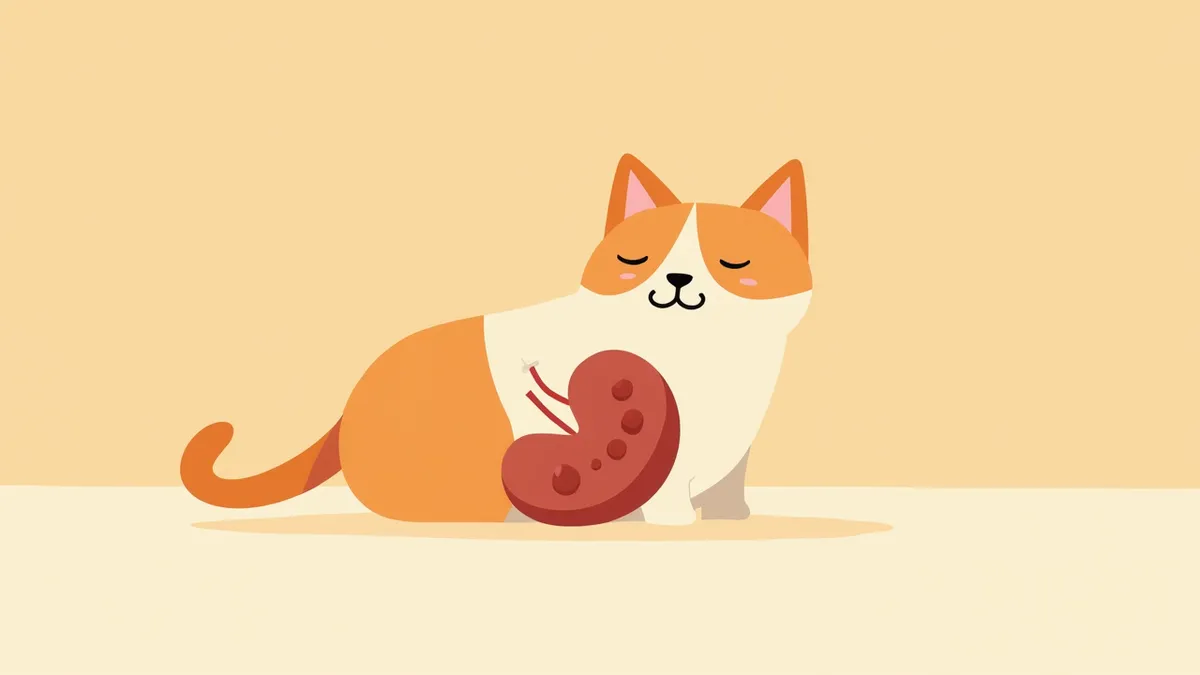
What Are the Main Causes of Proteinuria?
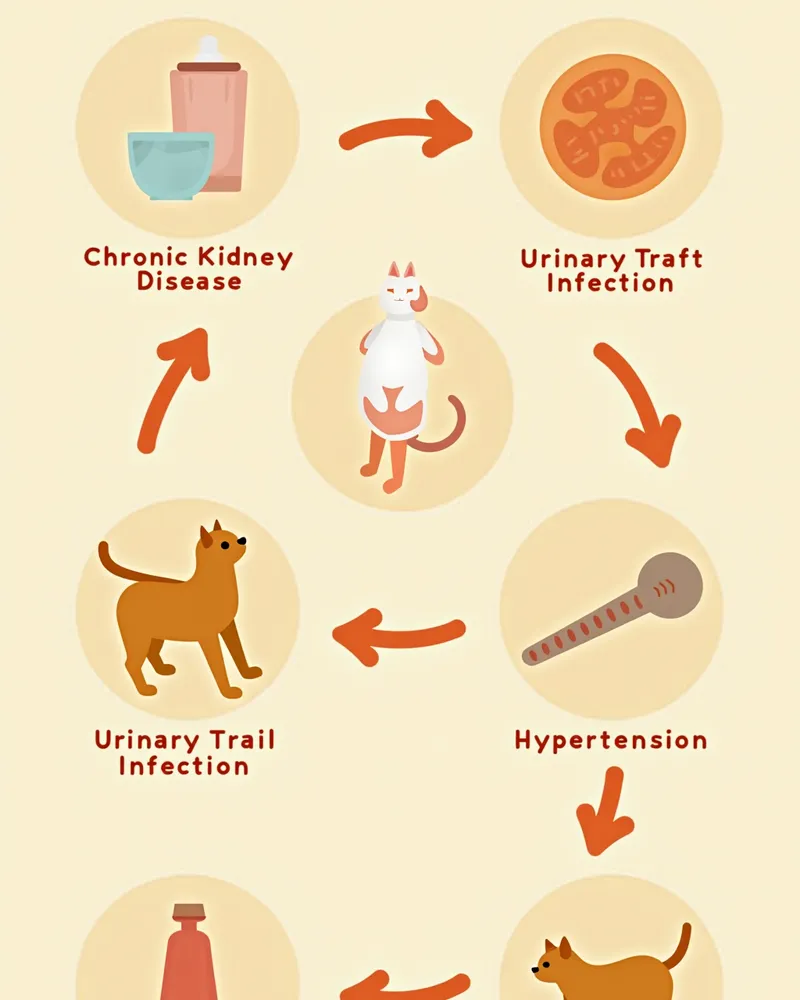
What Are the Signs That May Indicate Proteinuria?

What Tests Are Needed to Diagnose Proteinuria?

Characteristics and Management by Severity of Proteinuria
| Item | Mild | Moderate | Severe |
|---|---|---|---|
| Urine protein/creatinine ratio (UPC) | <0.5 | 0.5–2.0 | >2.0 |
| Main symptoms | None or nonspecific symptoms | Increased thirst, increased urine volume | Decreased appetite, weight loss, vomiting, etc. |
| Need for additional testing | Regular monitoring and identifying the cause | Consider blood tests, ultrasound, or biopsy | Refer for in-depth diagnosis and specialty hospital |
A UPC ratio of 2.0 or higher raises suspicion of persistent glomerular proteinuria, and because there is a possibility of kidney damage, it is important to seek veterinary care immediately.
How Is Proteinuria Treated?

When to Seek Immediate Veterinary Care
If you notice excessive foam in the urine, a complete loss of appetite, vomiting, or signs of shock, seek veterinary care immediately. These symptoms may indicate a sudden and severe decline in kidney function.
5 Tips for Managing Proteinuria
Reviewed by a veterinarian

Dr. Tony — Punnawat Phongkittirak
VeterinarianA veterinarian who majored in veterinary medicine at Khon Kaen University, Thailand, and completed the IVSA program at North Carolina State University in the United States. Drawing on clinical experience at animal hospitals, he works in the pet healthcare field and is dedicated to building a digital care environment that connects pet parents with veterinarians.
Reviewed 2026-06-29
Frequently Asked Questions
Can proteinuria in cats be treated?
Does protein in the urine always mean I need to change my pet’s food?
Is proteinuria related to a cat's age?
Does protein in the urine mean a cat is more likely to die?
Can I perform a urine test at home?
Share
Related Guides

Top 5 Prescription Diets for Feline FLUTD — Comparison by Struvite and Calcium Oxalate Stones

Top 7 Prescription Diets for Feline Bladder and Urinary Tract Health Recommended by Veterinarians — Including Selection Criteria

Top 5 Cranberry Urinary Supplements for Dogs — Preventing Cystitis

Dog Dental Preventive Care FAQ — Key Points Every Pet Owner Should Know

Dog Water Intake Monitoring FAQ — Key Points Every Pet Owner Should Know

Breed-Specific Dog Exercise Recommendations: Frequently Asked Questions — Key Points for Owners
Dog Annual Deworming Schedule FAQ — Key Information Every Pet Owner Must Know

Frequently Asked Questions on Regular Health Check-ups by Puppy Age — Key Points for Pet Owners

Feline Weight and Obesity Prevention Management FAQ — Key Points Every Owner Must Know

Frequently Asked Questions on Cat Travel and Transport Health Care — Key Points Every Owner Must Know
References
[1] Polzin DJ, Churchill JA. Controversies in veterinary nephrology: renal diets are indicated for cats with International Renal Interest Society chronic kidney disease stages 2 to 4: the pro view. Vet Clin North Am Small Anim Pract. 2016;46(5):907-920.
[2] Klein S, et al. Urinalysis in cats: a practical guide for veterinarians. J Feline Med Surg. 2020;22(1):47-57.
[3] Nelson RW, Couto CG. Small Animal Internal Medicine, 5th ed. Elsevier, 2018.