Like
Share
멍실장
강아지 지아르디아 자주 묻는 질문 Q&A — 보호자가 꼭 알아야 할 핵심

Canine Giardiasis FAQ — Key Information Every Pet Owner Should Know

Infection/ParasitesQ&AMeongsiljang Veterinary Advisory Board

Canine giardiasis is an intestinal inflammation caused by a parasite that can lead to diarrhea and abdominal pain. Here’s a summary of the key information every pet owner should know.

What is Canine Giardiasis?
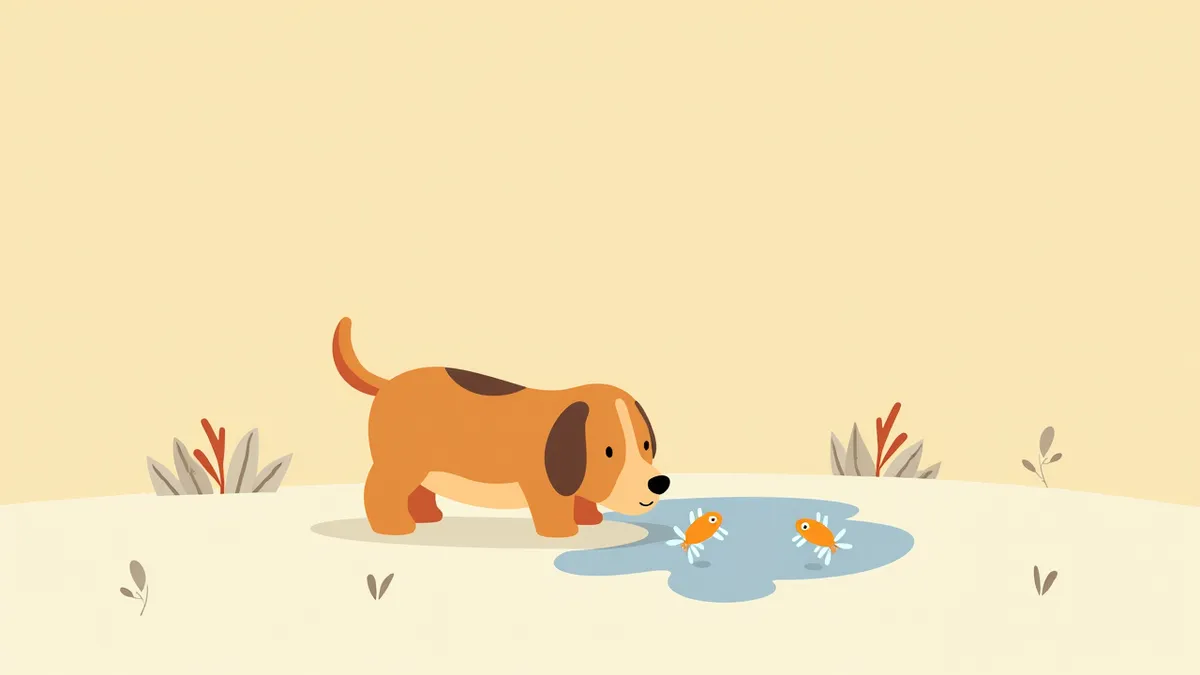
A scene of a puppy drinking contaminated water
Canine giardiasis is an infectious disease caused by a protozoan parasite that lives in the small intestine, primarily leading to diarrhea and digestive issues. This parasite survives for extended periods in the external environment in the form of cysts with a tough double wall, and under favorable conditions, it can remain viable for more than three weeks. Infection typically occurs when dogs ingest these cysts from contaminated water, soil, food, or fur. Symptoms tend to be more severe in puppies and dogs with weakened immune systems. Infected dogs shed cysts in their feces, which can spread contamination to other dogs and the surrounding environment. Therefore, it is crucial for owners to maintain good hygiene and be aware of potential infection routes. However, because complete eradication of the parasite can be challenging even with treatment, early detection and consistent hygiene management are key.

What are the Main Causes of Giardia Infection?
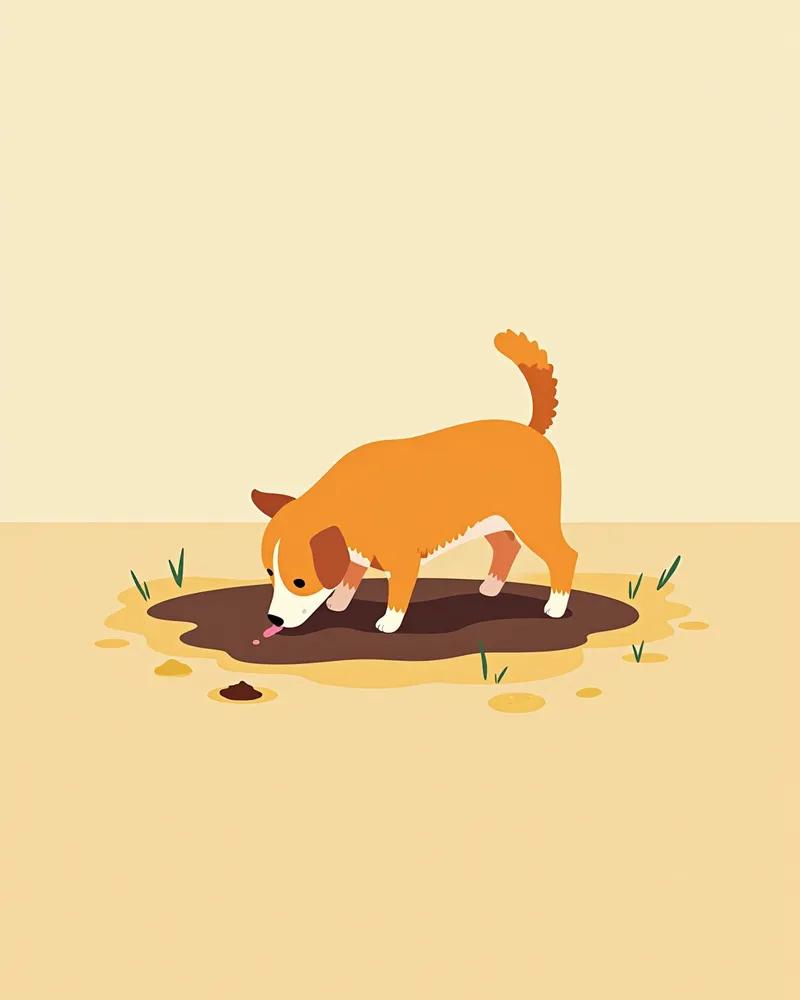
Giardia infection primarily occurs when dogs ingest the parasite’s cysts through contaminated water, soil, or food. Puppies can become infected by licking rivers, lakes, or park soil, or by coming into contact with other dogs’ feces. Since Giardia spreads via the fecal-oral route—where cysts shed in feces are ingested—walkways and play areas with leftover feces pose a risk of infection. Cysts can survive in the environment for several weeks, making exposure more likely in unclean conditions. To help prevent infection, wipe your dog’s paws after walks and provide filtered or boiled water. Also, be cautious when your dog interacts with other dogs. Understanding how Giardia spreads is the first step toward prevention.
A puppy licking contaminated soil

What are the Main Symptoms of Giardiasis?
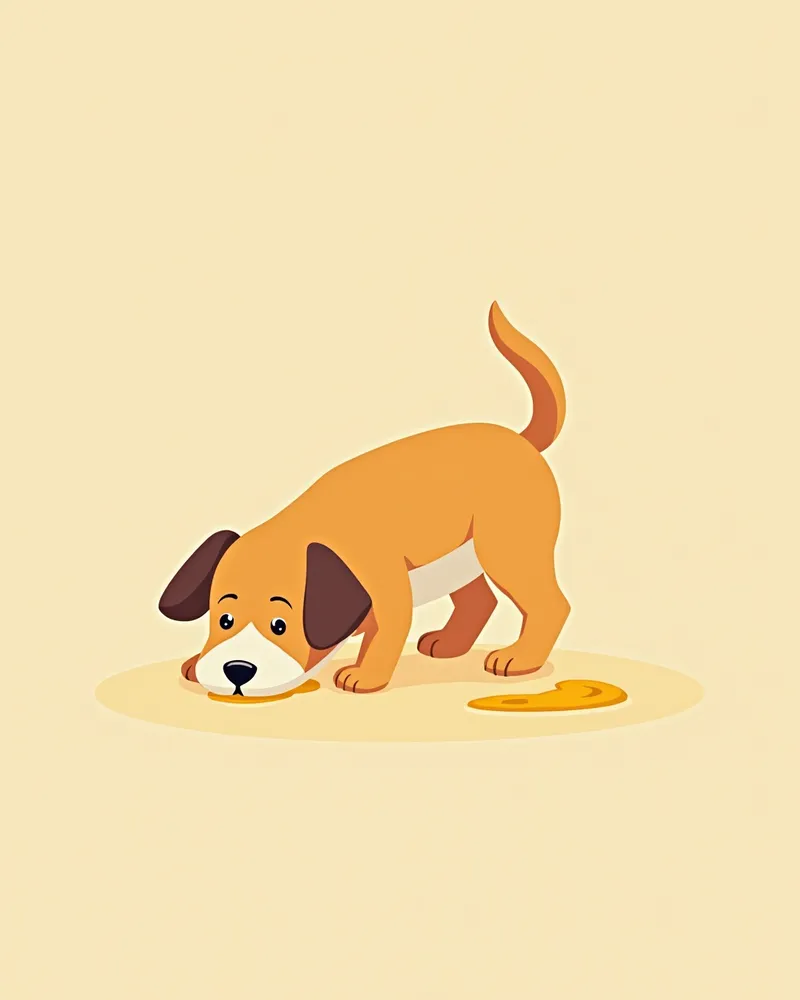
The most common symptom of giardiasis in dogs is small intestinal diarrhea. The stool becomes watery, has a strong odor, and may sometimes contain mucus. While diarrhea may resolve after a single episode, it can also recur chronically, potentially presenting as steatorrhea (fatty, greasy stool) accompanied by weight loss. Conversely, fever, vomiting, and loss of appetite are relatively uncommon. However, persistent diarrhea increases the risk of dehydration, and the condition can deteriorate rapidly in puppies and senior dogs. Owners should visit a veterinarian if diarrhea lasts more than two days or is accompanied by other symptoms. Note that many dogs remain asymptomatic despite infection, making early diagnosis and regular testing beneficial for treatment.
A puppy experiencing watery diarrhea

How is Giardiasis Diagnosed?

Giardia is diagnosed through fecal testing. A veterinarian collects a stool sample from your dog and examines it under a microscope to identify cysts. The zinc sulfate flotation technique, using 33% zinc sulfate, is the most sensitive method for detecting these cysts. In fresh, diarrheal stool, motile trophozoites may also be directly observed. Additionally, fecal antigen tests, such as ELISA, are used to determine infection status. Because cysts are shed intermittently, multiple tests may be necessary even if an initial result is negative. Since some infected dogs show no symptoms, regular testing is important. After diagnosis, a treatment plan should be established, and environmental cleaning should be carried out concurrently. Test results serve as the key information for determining the direction of treatment.
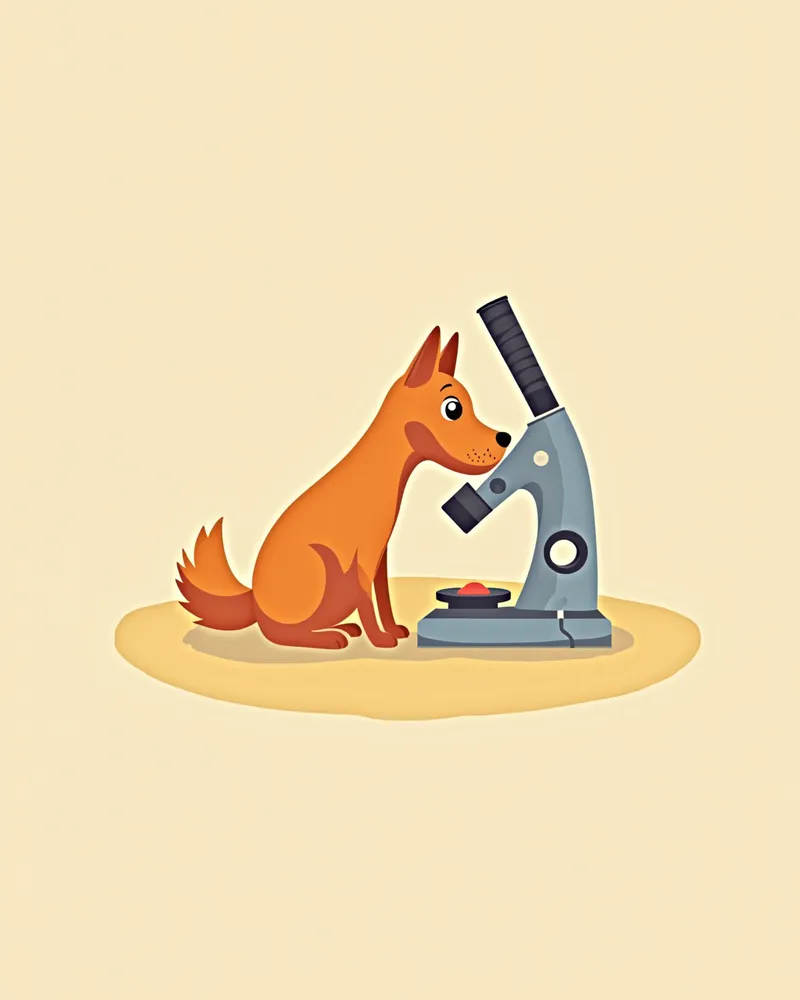
A veterinarian examining a dog’s stool under a microscope.

How is Giardiasis Treated?

Giardia treatment primarily involves antiparasitic medications. - Metronidazole: This medication disrupts the parasite’s metabolic processes, making it difficult for them to survive. The typical dosage is 25–30 mg/kg administered every 12 hours for 5–8 days. Side effects may include nausea and loss of appetite. - Fenbendazole: This drug interferes with the metabolism of intestinal parasites, inhibiting their survival. It is usually given at a dose of 50 mg/kg every 24 hours for 5 days and is known to have similar efficacy to metronidazole. The dosing schedule may vary depending on the dog’s weight and condition. The goal of treatment is to stop diarrhea, though completely eradicating the parasite can sometimes be challenging. During treatment, ensure your pet has access to adequate food and water, and maintain a clean elimination environment. Even after symptoms subside, follow-up fecal tests are necessary to confirm complete recovery. Avoid contact with other dogs during treatment and promptly dispose of feces.
A puppy receiving medication from a veterinarian

Comparison of Giardiasis Treatment Medications

ItemDuration of EffectMain Side EffectsPrecautions for Use
Metronidazole5–8 daysVomiting, decreased appetiteFollow veterinarian's instructions for dose and duration
Fenbendazole5 daysIndigestion, fatigueAdminister at a dose adjusted for body weight
Pyrantel (combination product)5 daysIndigestionAdminister according to veterinarian's instructions

Administer treatment according to your veterinarian's instructions, and observe changes in symptoms after administration.

Signs Requiring Immediate Veterinary Care

If your dog shows persistent diarrhea, bloody stools, severe vomiting, or signs of dehydration (such as dry lips, lethargy, and sunken eyes), seek veterinary care immediately. For puppies and immunocompromised dogs, prompt treatment can be life-saving.

Practical Tips for Preventing Giardiasis

Preventing giardiasis hinges on maintaining a clean environment. It’s important to wipe your dog’s paws after walks and promptly remove feces. Provide water that has been filtered or boiled. Minimize contact with other dogs, and prevent your dog from drinking from public parks or lakes. To support a healthy gut environment, regular feeding and stress management are also helpful. Additionally, making routine fecal exams a habit is a great way to check for infection. Prevention is far more effective than treatment, and your small daily efforts go a long way in safeguarding your dog’s health.
A dog owner cleaning up after their pet’s waste.

Reviewed by a veterinarian

Dr. Tony — Punnawat Phongkittirak

Dr. Tony — Punnawat Phongkittirak

Veterinarian

A veterinarian who majored in veterinary medicine at Khon Kaen University, Thailand, and completed the IVSA program at North Carolina State University in the United States. Drawing on clinical experience at animal hospitals, he works in the pet healthcare field and is dedicated to building a digital care environment that connects pet parents with veterinarians.

Frequently Asked Questions

Can Giardia be transmitted to humans?
Certain Giardia strains (Assemblages A and B) can be transmitted to humans. While direct transmission between dogs and people is rare, infection through contaminated environments is possible. Maintaining good hygiene and washing hands regularly are key to prevention.
Can giardia reinfection occur after treatment?
Yes, because cysts can survive in the environment for several weeks or more, your pet can become reinfected if these parasitic cysts remain in the surroundings. Therefore, it is essential to clean up feces and disinfect the environment even after treatment.
Can giardiasis be prevented with a vaccine?
There is currently no vaccine available for Giardia. Prevention relies on maintaining good hygiene, keeping the environment clean, and providing safe drinking water.
What complications can arise if giardiasis becomes severe?
Persistent diarrhea can lead to nutritional deficiencies, dehydration, and weight loss. In severe cases, it may progress to digestive issues such as chronic intermittent diarrhea.
How should I feed my pet during Giardia treatment?
During treatment, you can offer easily digestible food, but your veterinarian will determine the specific diet. Generally, staying hydrated and feeding small, frequent meals helps, while fatty foods should be avoided.

Share

Related Guides

References

[1] Plumb's Veterinary Drug Handbook, 9th Edition, 2022

[2] American Veterinary Medical Association (AVMA). Giardia in Dogs: Diagnosis and Management, 2021

[3] Kirk, R. W., & Bonagura, J. D. (2021). Current Veterinary Therapy: Small Animal Practice (5th ed.). Elsevier.

This information is based on veterinary literature and does not replace diagnosis or treatment. Please consult a veterinarian for specific health concerns.

Metapet Co., Ltd. | CEO: Park Sung-yong | Business Reg. No. 417-88-02562 | Seoul, South Korea | Customer Center

5 Common Questions About Giardia in Dogs | Meongsiljang