
Like
Share
멍실장
강아지 내부기생충 증상 감별 자주 묻는 질문 Q&A — 보호자가 꼭 알아야 할 핵심

Dog Internal Parasite Symptoms and Differentiation: Frequently Asked Questions (Q&A) — Key Points Every Pet Owner Should Know

Infection/ParasitesQ&AMeongsiljang Veterinary Advisory Board

Internal parasite infections in dogs often present with vague symptoms, making them easy to overlook. We’ve compiled the essential signs, diagnostic methods, and treatment steps every pet owner should know, in a Q&A format.

Differentiating Dog Internal Parasite Symptoms: The Key Is 'Identifying the Cause of Symptoms'

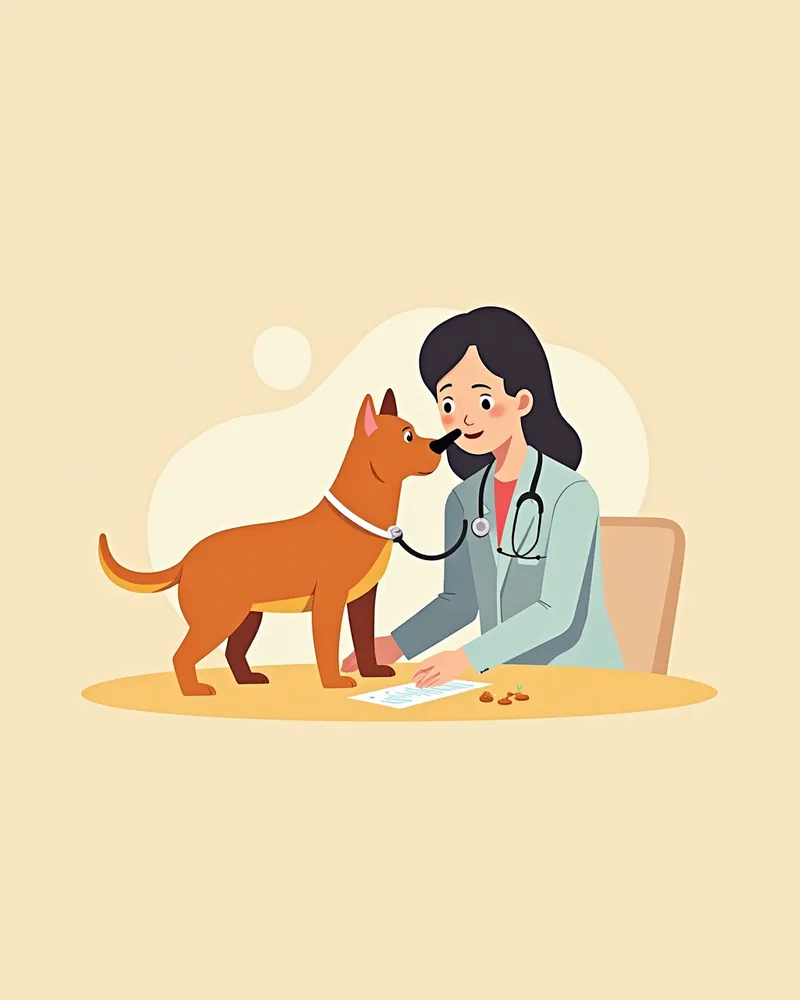
A dog and its owner receiving a veterinary examination.
Internal parasite infections in dogs can manifest with a variety of symptoms, including diarrhea, weight loss, and a dull, rough coat. However, because these signs often resemble those of other conditions, accurately identifying the underlying cause is essential. - Types of parasites: Each parasite has a unique life cycle and symptom pattern, making it difficult to distinguish between them based on symptoms alone. - Diagnostic methods: Veterinarians confirm the presence of parasite eggs or larvae through fecal flotation tests or blood work. - Timing of treatment: Early detection allows for effective treatment with dewormers prescribed by a veterinarian, whereas delayed treatment increases the risk of worsening symptoms. - Prevention strategies: Regular fecal testing and the use of dewormers (preventive medications) as advised by your veterinarian are key to prevention. - Owner’s role: If symptoms appear, consult your veterinarian immediately and establish a treatment plan based on the diagnostic results.

Main Causes of Internal Parasite Infection and Differentiation Points

Puppy internal parasite infections are primarily transmitted through contaminated soil, water, meat, or contact with other dogs. Puppies are especially vulnerable. Even when symptoms appear similar, diagnostic methods and treatments vary depending on the parasite type, making accurate differentiation essential.
Intestinal parasites: Key symptoms include diarrhea, bloody stools, weight loss, and abdominal distension (pot belly). In some cases, vomiting or a dull coat may also occur.
Blood parasites: Tick-borne parasites and others can cause lethargy, fever, pale mucous membranes, and bleeding tendencies. Diagnosis requires blood smear tests or serological/PCR testing.
Respiratory (lung) parasites: Signs may include chronic coughing, abnormal respiratory sounds, and loss of appetite. Severe infections can be fatal.
Other systemic infections: Some parasites can affect the entire body, including the eyes and nervous system, leading to a wide variety of symptoms. A veterinary examination is necessary to accurately determine the site of infection.
Microscopic image of parasite eggs found in a dog’s feces

Key Diagnostic Methods for Differentiating Dog Internal Parasites
Accurate diagnosis is essential for identifying internal parasites in dogs. Veterinarians determine the cause by reviewing the owner’s records, observing clinical signs, and conducting various tests.
Fecal examination: This is the most basic method, using flotation or sedimentation techniques to detect parasite eggs or larvae. Since parasites may not be detected in a single test, repeat examinations may be necessary.
Blood tests: These can confirm whether blood parasites are present. Accuracy can be improved by combining blood smear analysis with PCR testing or serological assays.
Imaging studies: Ultrasound or X-rays may be used to check for abnormalities, but intestinal parasites often do not produce distinctive findings. CT or MRI scans may be employed to identify certain cystic lesions.
Additional tests: In cases accompanied by neurological symptoms or complex presentations, further advanced diagnostics may be performed at the veterinarian’s discretion.
A veterinarian examining a puppy’s stool sample under a microscope.

Comparison of Symptoms and Diagnostic Methods by Parasite Type

ItemMain SymptomsDiagnostic MethodTreatment Duration
RoundwormDiarrhea, weight loss, abdominal distensionFecal (flotation) testDetermined by veterinary prescription
Nematodes (including lungworm)Coughing, difficulty breathing, weight lossFecal test, X-rayDetermined by veterinary prescription
Parasitic enteritisPersistent diarrhea, bloody stool, decreased appetiteFecal test, blood testDetermined by veterinary prescription
Blood parasitesLethargy, pale complexion, feverBlood smear/PCR testDetermined by veterinary prescription

Diagnosis may vary according to the veterinarian's judgment. Repeat testing may be necessary.

Response Measures and Management Tips After Differentiating Dog Internal Parasites

Once a parasitic infection is confirmed, treatment begins with medications prescribed by your veterinarian. It’s important to closely monitor your dog’s condition throughout the treatment period.
Medication Administration: Follow the exact dosage and duration as directed. Stopping treatment prematurely increases the risk of reinfection.
Environmental Cleaning: Disinfect areas where your dog frequently plays. Pay special attention to soil, sand, and bedding, which should be cleaned regularly.
Preventive Medication: Regular deworming is the most effective way to prevent infections. Consult your veterinarian and administer preventive medication on a regular schedule.
Isolation from Other Animals: Temporarily separate the infected dog from other animals to prevent the spread of infection.
A puppy receiving deworming medication from a veterinarian

Signs Requiring Immediate Veterinary Visit

If your dog experiences persistent diarrhea, severe weight loss, coughing, difficulty breathing, pale mucous membranes, or signs of shock (such as dizziness or collapse), seek veterinary care immediately. These symptoms may indicate a severe parasitic infection or the development of other complications.

Parasite Prevention Tips Every Pet Owner Should Know

While identifying internal parasites in dogs is important, prevention is the most effective approach. Pet owners should adopt the following daily habits:
Regular deworming: Administer deworming medication according to the schedule recommended by your veterinarian. Puppies may require more frequent doses.
Proper feces disposal: Pick up your dog’s feces immediately after walks and avoid leaving them on the ground. Contaminated environments are a major factor in parasite transmission.
Food hygiene: When feeding meat, ensure it is thoroughly cooked. Raw meat can pose a risk of parasitic infection.
Environmental cleaning: Regularly wash and disinfect areas where your dog frequently plays. Pay special attention to contaminated soil, sand, and bedding.
Managing contact with other dogs: When visiting parks or pet-friendly cafes, it is advisable to avoid environments with a high risk of infection.
A pet owner picking up their dog’s feces after a walk.

Reviewed by a veterinarian

Dr. Tony — Punnawat Phongkittirak

Dr. Tony — Punnawat Phongkittirak

Veterinarian

A veterinarian who majored in veterinary medicine at Khon Kaen University, Thailand, and completed the IVSA program at North Carolina State University in the United States. Drawing on clinical experience at animal hospitals, he works in the pet healthcare field and is dedicated to building a digital care environment that connects pet parents with veterinarians.

Frequently Asked Questions

Can a dog have diarrhea without it being caused by parasites?
Yes, diarrhea can be caused by a variety of factors, including parasites, enteritis, food intolerance, and stress. A fecal examination is necessary for an accurate diagnosis.
When should deworming medication be administered?
It is typically administered every one to three months. Puppies may require more frequent doses, while adult dogs should take it periodically as recommended by their veterinarian.
Can parasitic infections be transmitted to humans?
Some parasites, such as roundworms and hookworms, can be transmitted to humans. Children are especially at risk, so proper handling of your dog’s feces and maintaining good hygiene are essential.
What should I do if my pet develops diarrhea after taking deworming medication?
Temporary diarrhea may occur as a reaction to the medication. However, if it persists or becomes severe, consult your veterinarian. Do not discontinue use without veterinary guidance.
Why does my dog get diarrhea so often?
Diarrhea can be caused by a variety of factors, including parasitic infections, stress, dietary changes, and enteritis. If it persists, please consult your veterinarian.

Share

Related Guides

References

[1] Notes on Canine Internal Medicine, 4th Ed. (2023). Elsevier.

[2] American Veterinary Medical Association. (2022). Parasite Control Guidelines for Dogs.

[3] Plumb's Veterinary Drug Handbook, 9th Ed. (2023). Wiley-Blackwell.

This information is based on veterinary literature and does not replace diagnosis or treatment. Please consult a veterinarian for specific health concerns.

Metapet Co., Ltd. | CEO: Park Sung-yong | Business Reg. No. 417-88-02562 | Seoul, South Korea | Customer Center

Dog Internal Parasite Symptoms: Identification & FAQs | Meongsiljang