Like
Share
멍실장
강아지 수신증 자주 묻는 질문 Q&A — 보호자가 꼭 알아야 할 핵심

What is canine hydronephrosis? — Symptoms and treatment

KidneyQ&AMeongsiljang Veterinary Advisory Board

Canine hydronephrosis is a condition in which the kidneys become swollen due to urine buildup, making early detection crucial. Here’s a summary of the key information every pet owner should know.

What is hydronephrosis in dogs?
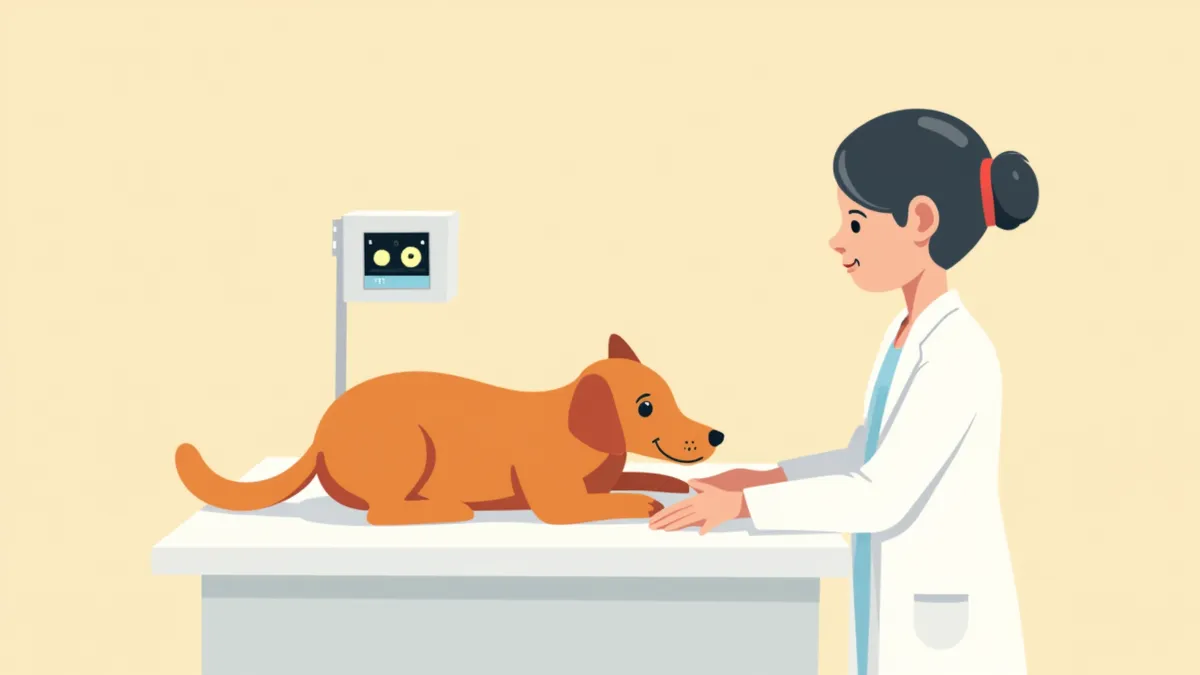
A veterinarian examining a puppy’s abdomen, with an ultrasound screen showing an enlarged kidney.
Hydronephrosis in dogs is a condition in which urine accumulates and causes the kidneys to swell. It occurs when urine cannot drain properly from the kidneys to the bladder, most commonly due to ureteral obstruction or impaired kidney function. Genetic factors, urinary tract obstruction, stones, inflammation, and tumors can all contribute to its development. Early signs are often subtle and easily overlooked by pet owners, making early detection crucial. A veterinarian can make an accurate diagnosis using ultrasound. Because this condition can damage kidney function, prompt intervention is essential.

What are the main causes of hydronephrosis?
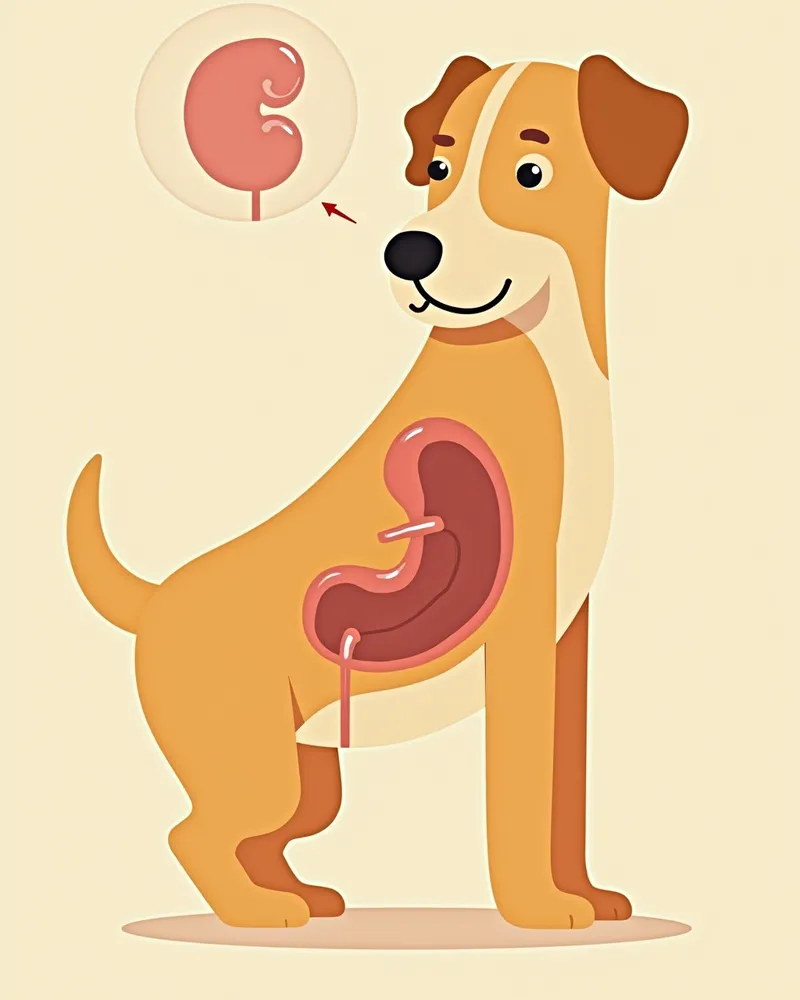
The most common cause of hydronephrosis is urinary tract obstruction, which blocks the flow of urine. Obstructions can be caused by stones, inflammation, blood clots, or tumors, leading to urine backing up into the kidneys. Congenital abnormalities in urinary tract structure or kidney development, as well as age-related weakening of urinary tract function, can also contribute to the condition. Since susceptibility varies among individual pets rather than being strictly breed-specific, it’s best to consult your veterinarian rather than making assumptions. Because these factors can increase the risk of hydronephrosis, prevention and early diagnosis are crucial. The earlier the condition is detected, the more effective the treatment will be.
Anatomy of a dog's urinary system, showing a blocked ureter and an enlarged kidney

What are the main signs of hydronephrosis?

The most common signs of canine hydronephrosis include abdominal pain, decreased appetite, vomiting, frequent urination, or difficulty urinating. Your dog’s abdomen may appear distended or feel tender to the touch, and in severe cases, they may become lethargic or even go into shock. Because early symptoms can be subtle and easily overlooked by pet owners, close monitoring is essential. If you notice a significant decrease in urine output or complete absence of urination, seek veterinary care immediately. Early diagnosis and treatment are critical to improving survival rates.
The puppy is lying curled up and licking its abdomen, which may indicate discomfort or pain.

Signs requiring immediate veterinary attention

If your dog suddenly shows severe abdominal pain or is unable to urinate at all, you should go to the hospital immediately. This could be acute kidney damage due to urinary tract obstruction, and if not treated quickly, kidney function can deteriorate rapidly, putting your dog's life at risk. It is most important to receive medical attention as soon as possible.

What tests are needed for an accurate diagnosis?
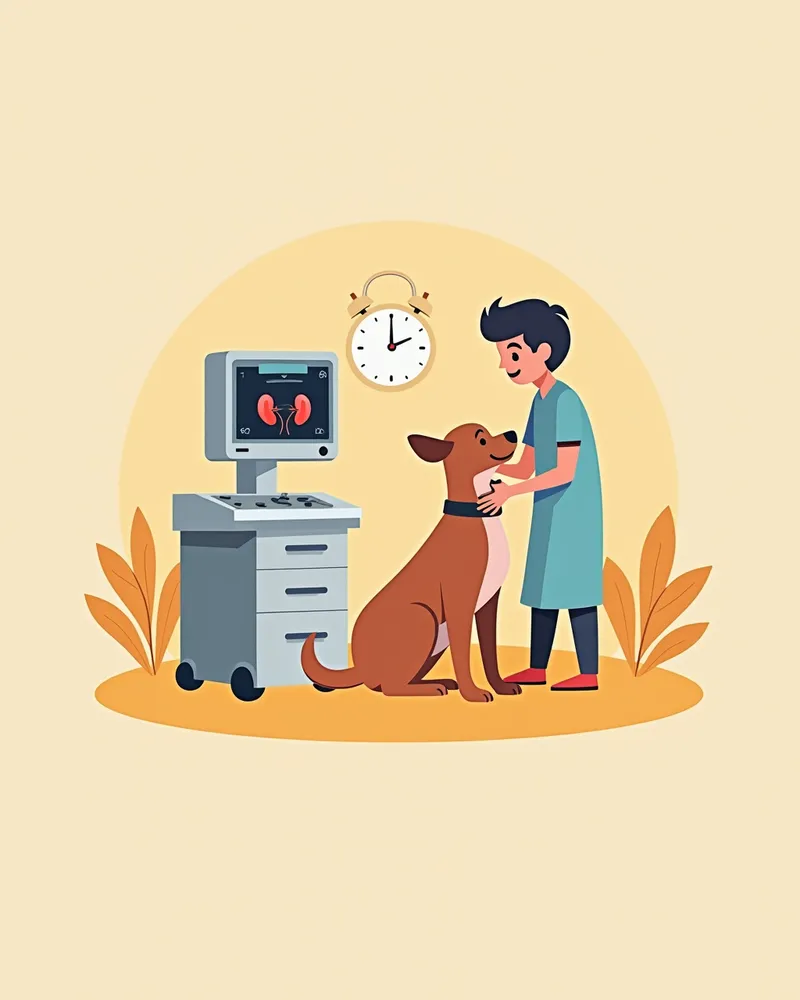
Hydronephrosis is most accurately diagnosed through ultrasound, which allows direct visualization of kidney size, shape, and the presence of urine retention. Blood tests assess kidney function, while urinalysis checks for infection or protein leakage. If needed, CT scans or X-rays may also be performed. These tests help identify the underlying cause and guide treatment decisions. An accurate diagnosis is the first step toward early intervention.
A veterinarian uses an ultrasound device on a puppy's abdomen, with kidney images visible on the screen.

What are the treatment options?

Treatment for hydronephrosis depends on the underlying cause. If the ureter is blocked, surgery may be performed to remove the obstruction or a ureteral stent may be placed to allow urine to drain. If an infection is present, antibiotics are administered, and pain medication is used if the pain is severe. In severe cases where kidney function does not recover, nephrectomy (kidney removal surgery) may be considered. After treatment, regular check-ups are essential to monitor for recurrence. Early intervention and meticulous care are key to improving survival rates.
A medical illustration depicting the surgical procedure of inserting a stent into a dog's ureter.

Key points for home care

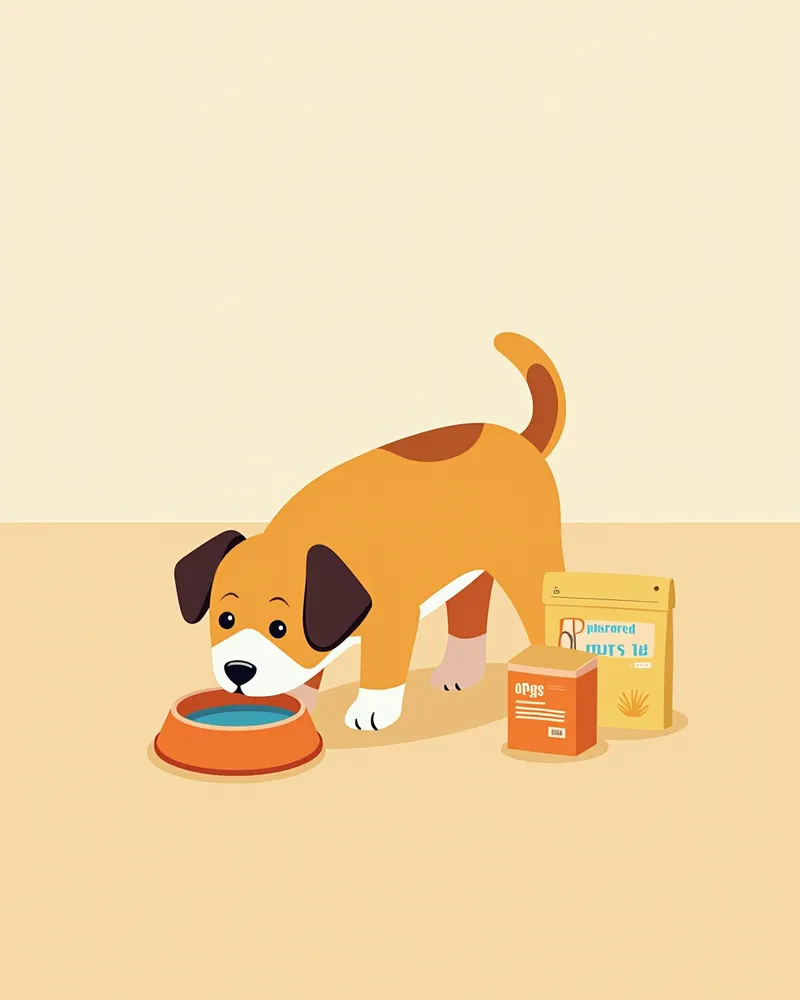
After surgery, it’s essential to follow the prescribed medication schedule. Administer antibiotics and pain relievers exactly as directed by your veterinarian. Encourage adequate fluid intake and offer a highly digestible, high-protein, low-sodium diet. Keep the surgical site clean and monitor it closely for any signs of infection. Regular veterinary check-ups are necessary to assess kidney function and check for recurrence. Careful home management plays a significant role in recovery and long-term prognosis.
A scene showing a dog drinking water at home and a veterinarian-prescribed diet food.

Comparison of hydronephrosis treatment methods

ItemTiming of useEffectivenessCautions
Ureteral stent placementWhen there is ureteral obstructionHighCan restore urine flow immediately, risk of recurrence
Surgical removal of obstructionWhen there is a physical obstructionVery highCan provide a long-term solution, carries surgical risk
Conservative treatmentIn mild casesLowTemporary relief, high chance of recurrence

The choice of treatment is decided by the veterinarian based on the cause, severity, and the individual animal's condition.

Breed-specific precautions and prevention of recurrence

Some dogs are at a higher risk of hydronephrosis due to congenital abnormalities in the urinary tract structure. Therefore, early screening and regular ultrasound examinations are important. Even after surgery, it is essential to consistently follow up with check-ups as recommended by your veterinarian to monitor for any recurrence.

Reviewed by a veterinarian

Dr. Tony — Punnawat Phongkittirak

Dr. Tony — Punnawat Phongkittirak

Veterinarian

A veterinarian who majored in veterinary medicine at Khon Kaen University, Thailand, and completed the IVSA program at North Carolina State University in the United States. Drawing on clinical experience at animal hospitals, he works in the pet healthcare field and is dedicated to building a digital care environment that connects pet parents with veterinarians.

Frequently asked questions

Can a dog’s hydronephrosis be cured?
Once the underlying cause is removed, most pets can make a full recovery. However, if there is significant kidney damage, long-term management will be necessary.
Can obesity be prevented?
While genetic factors are difficult to prevent, you can reduce the risk through regular check-ups, adequate hydration, and a healthy diet.
How long does the recovery period after surgery take?
The recovery period can vary depending on the extent of the surgery and your dog’s condition. During recovery, activity restrictions and medication are necessary, and your dog will gradually return to normal daily life under your veterinarian’s guidance.
Can hydronephrosis cause a lack of urine output?
Yes, if the ureter is blocked, urine cannot drain into the bladder, which can result in a complete inability to urinate. Immediate veterinary care is essential.
Is hydrocephalus only found in dogs?
Not only dogs but also cats can develop heart murmurs. If you notice any concerning symptoms, it’s a good idea to consult with your veterinarian.

Share

Related Guides

References

[1] Plumb's Veterinary Drug Handbook, 9th Edition. Wiley-Blackwell, 2022.

[2] Ettinger, S.J. & Feldman, E.C. (2021). Textbook of Veterinary Internal Medicine, 9th ed. Elsevier.

[3] BSAVA Manual of Canine and Feline Nephrology and Urology, 2nd ed. BSAVA Publications, 2020.

This information is based on veterinary literature and does not replace diagnosis or treatment. Please consult a veterinarian for specific health concerns.

Metapet Co., Ltd. | CEO: Park Sung-yong | Business Reg. No. 417-88-02562 | Seoul, South Korea | Customer Center

What Is Canine Hydronephrosis? Symptoms and Treatment | Meongsiljang