

Can You Live with a Pet If You Have Allergies? — How to Reduce Symptoms
We’ve compiled evidence-based veterinary and medical information on the causes, symptoms, and daily management strategies for pet owners allergic to dogs and cats. We also provide guidelines to help you determine whether living together is feasible.
What Are Human Pet Allergies? Can You Live with a Pet?

Allergens Are Not Hair, But 'Proteins'
Dog vs. Cat Allergies: Which Is More Severe?
Comparison of Dog and Cat Allergens
| Item | Dogs | Cats |
|---|---|---|
| Nature of allergen | Protein antigens in skin/dander/saliva | Protein antigens in skin/dander/saliva |
| Mechanism of onset | IgE-mediated type I hypersensitivity | IgE-mediated type I hypersensitivity |
| Route of exposure | Inhalation/skin contact | Inhalation/skin contact |
| Individual variation | Even within the same breed, antigen shedding varies by individual | Even within the same breed, antigen shedding varies by individual |
| Method of confirmation | Specific IgE testing, etc. (10–30% false negatives possible) | Specific IgE testing, etc. (10–30% false negatives possible) |
Which animal causes more severe allergies varies by individual and by person. Even a 'hypoallergenic breed' does not have zero antigen, so before adoption it is important to meet the specific animal in person and check your reaction.
Checklist of Possible Symptoms
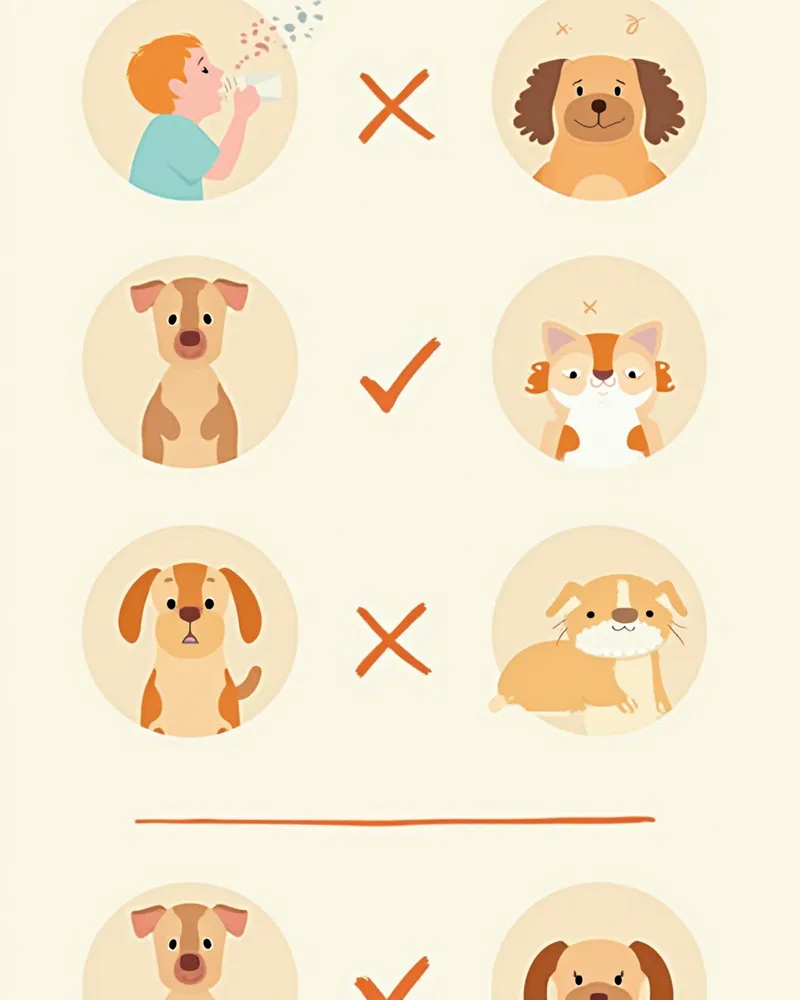
Go to the Hospital Immediately If You Have These Symptoms
If you experience persistent difficulty breathing or wheezing, swelling of the lips or around the eyes (angioedema), or hives breaking out all over your body, suspect anaphylaxis (an acute systemic allergic reaction). Although rare, anaphylaxis is a life-threatening Type I hypersensitivity reaction. If you suddenly feel dizzy, notice a rapid heartbeat, or sense a drop in blood pressure after contact with a pet, seek emergency care immediately. In an emergency, treatment may involve epinephrine, antihistamines, and intravenous fluids. If you have asthma, keep your inhaler nearby, and consider getting an allergy test before bringing a new pet into your home.
5 Daily Management Tips for Living Together

Drug Therapy and Immunotherapy Options
Be Sure to Check Before Adopting a Pet
If anyone in your household has a history of allergies, it’s a good idea to spend time with the animal multiple times before adoption to observe any reactions. This is especially important for cats, as symptoms may not appear after just one brief encounter, making repeated exposure helpful. You can also consider a specific IgE blood test performed by an allergist to check for reactions to cat or dog allergens in advance. However, since these tests are not perfect, false-negative results occur in 10–30% of cases even when clinical allergies are present, so you shouldn’t rely solely on the test results for reassurance. If symptoms do develop after adoption, try environmental management and medical treatment first rather than immediately rehoming the pet.
Reviewed by a veterinarian

Dr. Tony — Punnawat Phongkittirak
VeterinarianA veterinarian who majored in veterinary medicine at Khon Kaen University, Thailand, and completed the IVSA program at North Carolina State University in the United States. Drawing on clinical experience at animal hospitals, he works in the pet healthcare field and is dedicated to building a digital care environment that connects pet parents with veterinarians.
Reviewed 2026-04-29
Frequently Asked Questions
If I have allergies, can I still keep a low-allergenic breed?
Does raising a pet when a child is young cause allergies?
Will an air purifier alone reduce the symptoms?
Does spaying or neutering your pet reduce allergies?
Can allergies develop suddenly?
Share
Related Guides

Primary vs. Secondary Veterinary Hospitals: A Comparison

5 Easy-to-Raise Cat Breeds for First-Time Owners — Grooming Difficulty Comparison

Top 7 Short-Legged Dog Breeds

Why Your Cat Chatters at Birds

Why Your Dog Rubs Its Back on Grass

Why Dogs Sniff Each Other’s Rear Ends

Why Do Cats Bring Home Dead Animals — Hunting Instinct or Affection?

Why Dogs Love Human Food and How to Handle It Safely

The Meaning of a Dog’s Tail Wag: How to Read Mood by Direction and Speed

Why Dogs Make a Sad Face
References
[1] BSAVA Manual of Canine and Feline Dermatology, 4th Edition - Chapter on Allergy Testing and Allergen-Specific Immunotherapy
[2] Veterinary Immunology, 11th Edition - Chapter 31: Type I Hypersensitivity
[3] American Academy of Allergy, Asthma & Immunology (AAAAI), Pet Allergy Practice Parameter, 2023
[4] Chan SK, Leung DYM, Dog and Cat Allergies: Current State of Diagnostic Approaches and Critical Factors, Allergy Asthma Immunol Res, 2018