Like
Share
멍실장
고양이 사시 자주 묻는 질문 Q&A — 보호자가 꼭 알아야 할 핵심

My Cat’s Eyes Are Crossed — Q&A on Strabismus Causes and When to See a Vet

Eye HealthQ&AMeongsiljang Veterinary Advisory Board

Feline strabismus is a condition in which the eyes appear misaligned, and its causes can vary, including nerve damage, brain disorders, and trauma. We’ve compiled the key information pet owners should know.

What Is Strabismus in Cats?
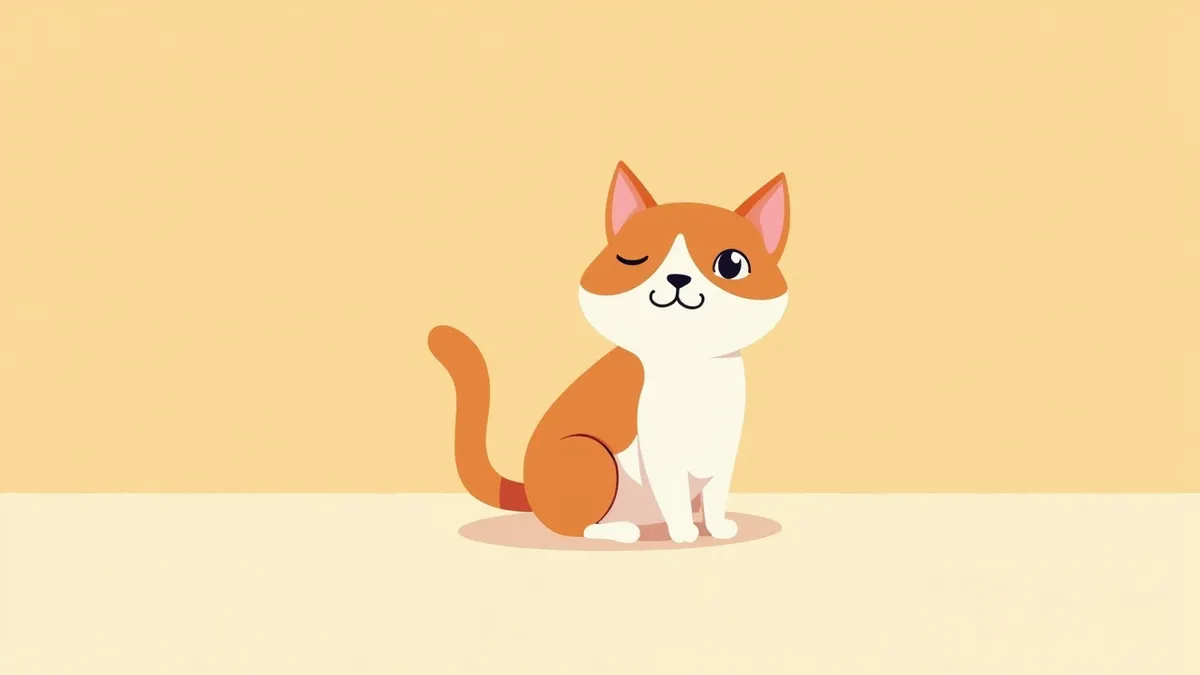
A cat with strabismus, where one eye is turned inward.
In cats, strabismus occurs when one or both pupils deviate from their normal position within the eye, shifting in a specific direction. This misalignment of gaze happens when there are issues with the muscles that move the eyes or the cranial nerves that control them. Causes vary widely and can include cranial nerve damage, brain disorders, vestibular system abnormalities, or trauma. Typically, the affected eye turns inward, outward, upward, or downward. Strabismus is more than just a cosmetic concern; when it signals an underlying brain or vestibular disease, it may be accompanied by balance problems or head tilting. If strabismus appears suddenly, veterinary evaluation is necessary.

What Are the Main Causes of Strabismus?
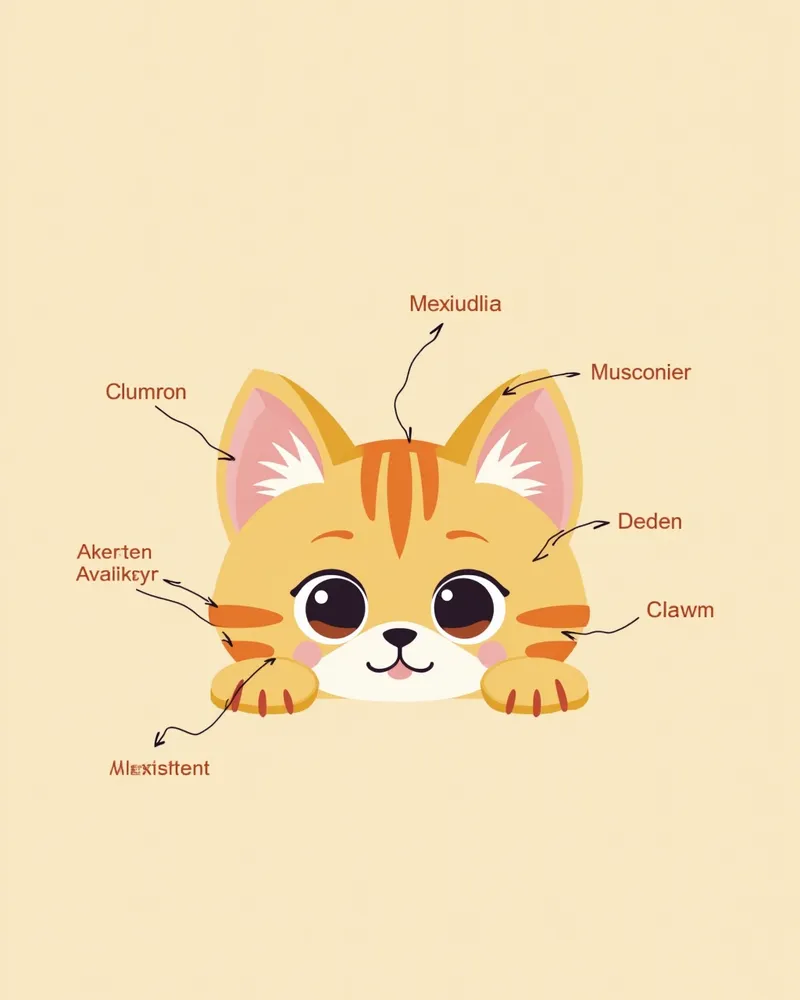
There are many possible causes of strabismus in cats. The most common are injuries to the brainstem or the cranial nerves that control eye movement, such as the oculomotor and trochlear nerves. Dysfunction of the oculomotor nerve can cause the eye to drift downward and outward (inferolaterally), while issues with the trochlear nerve (which controls the superior oblique muscle) may lead to a rotational misalignment of the gaze. Underlying conditions such as brain diseases, tumors, inflammation, or vestibular disorders can also be responsible. Trauma is another significant cause; strabismus can appear after head injuries or accidents. Other potential factors include infections (such as FIP), parasitic diseases, exposure to toxic substances like lead or certain dewormers, thromboembolism, and storage diseases. Although genetic factors have been reported in some breeds, well-documented cases in veterinary literature are primarily seen in dogs (such as Beagle mixes and Huskies) and are uncommon in cats. Accurate diagnosis requires specialized veterinary examinations.
Anatomical diagram of the ocular muscles and cranial nerves associated with feline strabismus

What Are the Main Symptoms of Strabismus?

The primary sign of strabismus in cats is misalignment of the eyes, most commonly with one eye turning inward, outward, upward, or downward. When the cause lies in the vestibular system or brain, additional symptoms such as head tilt, nystagmus (involuntary eye movements), circling, and leaning to one side may occur. Vision impairment can also lead to misjudging objects or bumping into walls. In cases of central (brain) vestibular disease, changes in mental status such as lethargy and decreased consciousness may accompany these signs. While strabismus may sometimes be a cosmetic issue, it can also signal neurological or brain abnormalities, so prompt veterinary evaluation is essential.
A cat tilting its head due to strabismus

Signs That Require Immediate Veterinary Attention

If your cat suddenly develops crossed eyes, tilts its head, or loses its balance, seek veterinary care immediately. These symptoms are especially concerning if they occur after an accident or seizure, or if accompanied by vomiting or lethargy, as they may indicate a brain disorder. This can be a life-threatening emergency. Sudden-onset strabismus requires a veterinary neurologic examination to determine the underlying cause.

What Tests Are Needed for Diagnosis?
Diagnosing strabismus requires a comprehensive neurological evaluation alongside a thorough eye examination. We assess for abnormalities by checking eye movements, reflex responses, and visual acuity. Brain imaging, such as CT or MRI scans, is essential to rule out underlying brain conditions. Blood tests and cerebrospinal fluid analysis are performed to exclude infections, inflammation, or immune-mediated diseases. If a genetic cause is suspected, genetic testing may also be considered. Accurately identifying the underlying cause is crucial for determining the appropriate treatment plan.
A veterinarian performing a neurological examination on a cat

What Are the Treatment Options?

Treatment depends on the underlying cause. The key is to identify and address the root cause of the strabismus. If the cause is a brain disorder, inflammation, or infection, appropriate medication is the first step. Corticosteroids or nonsteroidal anti-inflammatory drugs (NSAIDs) may be used to reduce inflammation, while infections require targeted treatment based on the specific pathogen. For vestibular or cranial nerve issues, improvement can be expected once the underlying cause is resolved. In cases of trauma, management may involve monitoring the progression over time. Accurately diagnosing and treating the underlying condition takes priority over procedures aimed solely at correcting the strabismus. Prognosis also varies depending on the cause, making professional evaluation essential.
A cat recovering after eye surgery

Comparison of Strabismus Types and Management Strategies

ItemCauseHow to respondPrognosis
Neurogenic strabismusDamage to the brain or vestibular system, inflammation, tumorNeurological examination, imaging, and medication targeting the causeImprovement is expected once the cause is removed
Traumatic strabismusHead injury, accidentMonitoring the course, treating the causeVaries depending on the cause and degree of damage
Hereditary/congenital strabismusGenetic/congenital factors (mainly reported in dogs)Confirming the diagnosis, monitoring the courseVaries depending on the cause

Because the treatment strategy varies depending on the cause of the strabismus, an accurate diagnosis is essential.

Important Note: Strabismus Is Always a Sign of an Underlying Condition

While strabismus in cats may sometimes be a simple cosmetic issue, it is more often a sign of an underlying problem with the brain or nervous system. Immediate veterinary attention is necessary. Cats with strabismus can be hypersensitive to external stimuli, so it is important to provide a quiet environment and minimize stress. Accurately identifying the underlying cause is crucial before beginning treatment.

Reviewed by a veterinarian

Dr. Tony — Punnawat Phongkittirak

Dr. Tony — Punnawat Phongkittirak

Veterinarian

A veterinarian who majored in veterinary medicine at Khon Kaen University, Thailand, and completed the IVSA program at North Carolina State University in the United States. Drawing on clinical experience at animal hospitals, he works in the pet healthcare field and is dedicated to building a digital care environment that connects pet parents with veterinarians.

Frequently Asked Questions

Is strabismus dangerous for cats?
While strabismus itself isn't life-threatening, its underlying cause could be a serious condition such as a brain disorder or vestibular disease. If it appears suddenly, immediate veterinary care is necessary.
Can strabismus be treated?
Treatment is possible depending on the underlying cause. If the strabismus is caused by a brain disorder or an infection, it may improve with medication. The most important step is to identify and treat the underlying condition causing the strabismus.
Is strabismus hereditary?
While hereditary and congenital strabismus has been reported, well-documented cases in veterinary literature are primarily seen in dogs. Hereditary strabismus is uncommon in cats, so if strabismus is observed, diagnostic testing to identify the underlying cause is necessary regardless of breed.
What should I do if my pet develops strabismus?
Your pet needs to see a veterinarian immediately. A neurological evaluation, including cranial nerve testing, along with an eye exam, imaging, and blood tests, will be necessary to determine the underlying cause.
Does strabismus affect a cat's vision?
In severe cases, vision loss may occur. When the eyes point in different directions, visual perception becomes impaired. Early diagnosis and treatment can lead to improvement.

Share

Related Guides

References

[1] The Cat, Clinical Medicine and Management, 2nd Edition, 2021

[2] Plumb's Veterinary Drug Handbook, 9th Edition, 2022

[3] American College of Veterinary Ophthalmologists (ACVO) Guidelines on Feline Strabismus, 2020

This information is based on veterinary literature and does not replace diagnosis or treatment. Please consult a veterinarian for specific health concerns.

Metapet Co., Ltd. | CEO: Park Sung-yong | Business Reg. No. 417-88-02562 | Seoul, South Korea | Customer Center

My Cat's Eyes Are Crossed: Strabismus Causes & Vet Timing Q&A | Meongsiljang