Like
Share
멍실장
고양이 심장 질환과 치과 처치 자주 묻는 질문 Q&A — 보호자가 꼭 알아야 할 핵심

Cat Heart Disease: Is It Safe to Anesthetize and Scale? — Key Points to Check Before Dental Procedures

HeartQ&AMeongsiljang Veterinary Advisory Board

If your cat has heart disease, dental procedures can be risky. Here are the key points every pet owner should know.

Why Caution Is Needed for Dental Procedures in Cats with Heart Disease
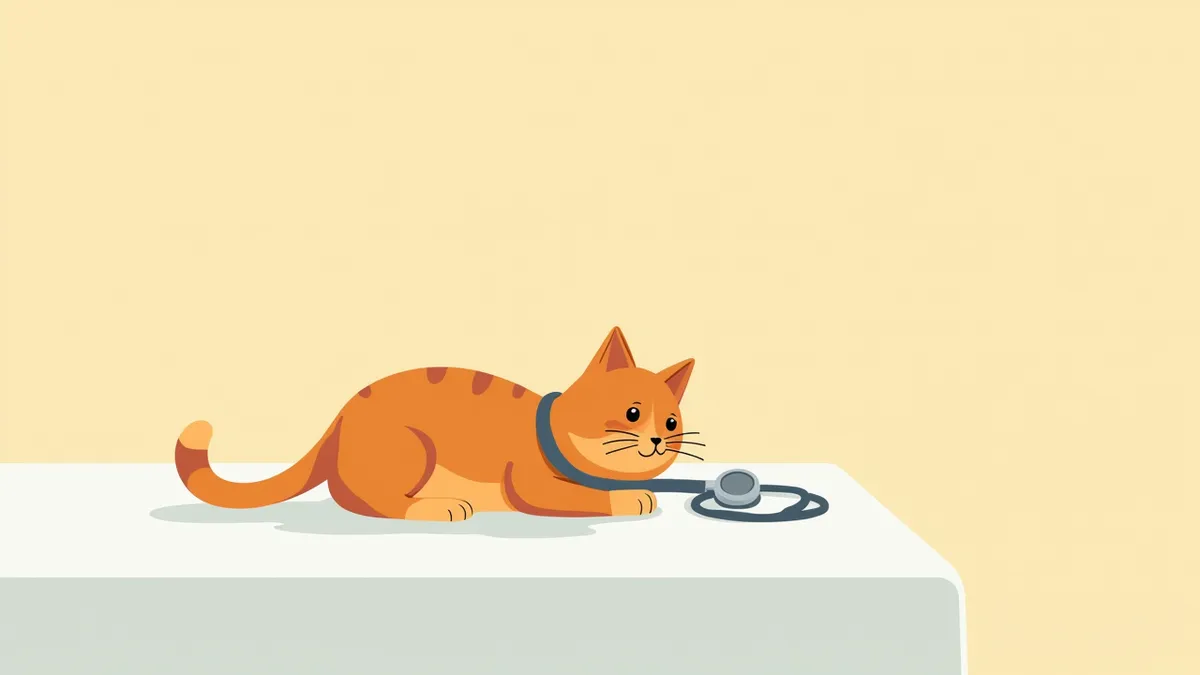
A cat undergoing a cardiac examination
Feline heart disease can cause a sudden increase in cardiac burden due to general anesthesia or pain. Since stress or pain during dental procedures can significantly impact the heart, it is essential to thoroughly evaluate the cat's cardiac condition. For this reason, dental treatment for cats with heart disease requires much greater caution than in typical cases. The veterinarian will assess the overall health status and, if necessary, consult with a cardiologist.

Essential Steps Before Dental Procedures for Cats with Heart Disease
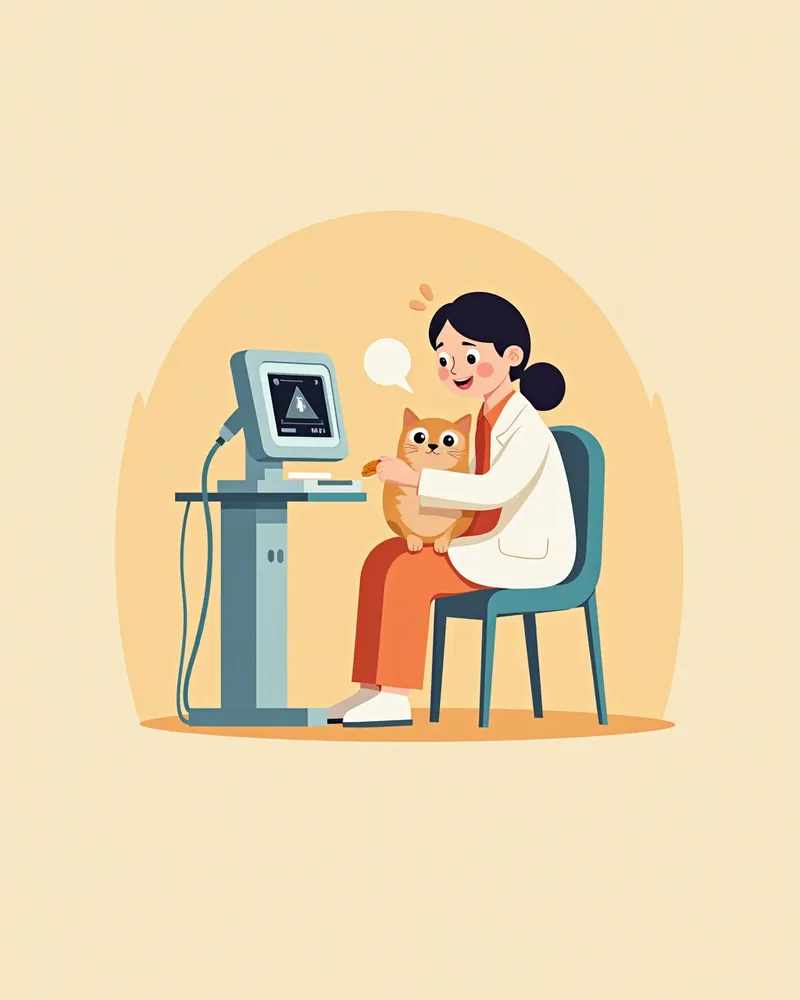
Before any dental treatment for a cat with heart disease, it is essential to thoroughly evaluate the overall condition of the heart. - Echocardiogram: This test provides a detailed assessment of the heart's structure and function, allowing us to monitor heart rate and blood flow. - Chest X-ray: This helps identify pulmonary edema or changes in heart size, which can indicate the level of strain on the heart. - Electrocardiogram (ECG): This test detects irregular heart rhythms, enabling early identification of abnormal beats. Based on these results, the veterinarian will assess anesthesia risk and develop a safe anesthesia plan. Additionally, heart rate and oxygen saturation levels will be continuously monitored during anesthesia. The safety of your cat must always be our top priority throughout the entire process.
A cat undergoing an echocardiogram

Symptoms to Watch for During Dental Procedures in Cats with Heart Disease

If your cat has a heart condition, contact your veterinarian immediately if you notice any of the following symptoms during or after dental treatment:
Difficulty breathing: Rapid breathing or panting with flared nostrils.
Lethargy: Reduced activity compared to normal, appearing too weak even to open their eyes.
Abnormal heart rhythm: A heartbeat that is excessively fast or irregular.
Fainting or seizures: Sudden collapse or trembling of the body.
These symptoms indicate significant strain on the heart, so an immediate veterinary visit is necessary.
Cats suffering from heart problems

When to Seek Immediate Veterinary Care for Dental Procedures in Cats with Heart Disease

If your pet shows signs of difficulty breathing, fainting, irregular heartbeat, or persistent shock, seek veterinary care immediately. These symptoms may indicate an impending cardiac arrest or acute heart failure.

Comparison of Dental Procedures in Cats with Heart Disease Before and After

ItemHeart-Healthy CatCat with Heart Disease
General Anesthesia RiskLowHigh
Pre-anesthesia Testing RequiredEssentialAbsolutely essential
Monitoring Frequency During AnesthesiaRegularContinuous
Post-treatment ObservationBasic recovery observationLonger, closer observation until stabilized

For cats with heart disease, anesthesia and dental procedures can be very dangerous, so comprehensive management is essential.

How to Manage Dental Procedures in Cats with Heart Disease
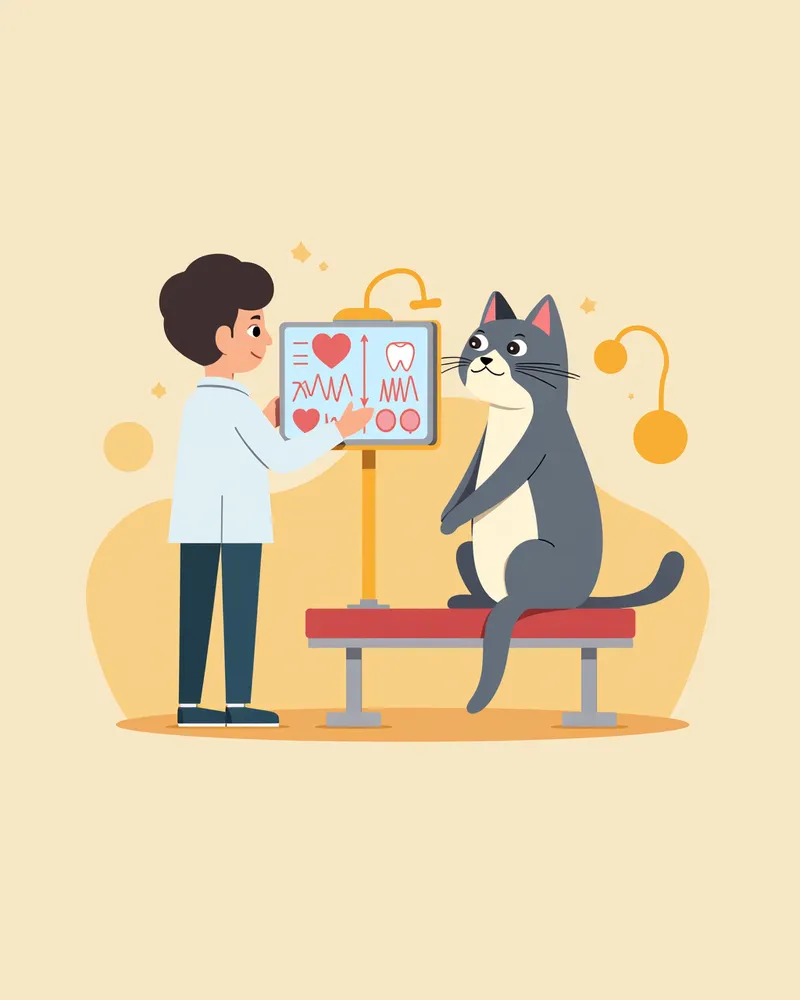
For cats with heart disease, it is safest to stabilize their condition as much as possible before anesthesia before proceeding with dental treatment. The longer the anesthesia lasts and the greater the stress, the more the heart may be burdened, so it is important to plan treatments in advance, carry them out efficiently, and minimize the cat’s stress. If the treatment area is extensive, discuss with your veterinarian whether to perform the procedure all at once or in stages, depending on the cat’s condition. Additionally, the veterinarian will evaluate the cat’s overall health and cardiac status before anesthesia to develop an individualized anesthetic plan. Heart function, including heart rate, is continuously monitored during and after anesthesia. If necessary, supportive treatments such as oxygen therapy or intravenous fluids are provided.
A veterinarian monitoring the heart during anesthesia

Dental Care Tips for Cats with Heart Disease

Dental care for cats with heart disease should begin with everyday routines.
Oral hygiene habits: Brush your cat’s teeth daily or provide dental treats designed for oral cleaning.
Dietary management: Choose a diet that supports dental health and includes ingredients that help reduce tartar formation.
Regular check-ups: Have your cat’s heart and oral health evaluated every six months.
Minimize stress: Ensure your cat is in a calm, comfortable environment before any dental procedures.
Consistently following these practices can significantly reduce the need for dental treatments.
A cat enjoying dental health treats

Precautions for Dental Procedures in Cats with Heart Disease

Never rush dental procedures for cats with heart disease. Always consult your veterinarian thoroughly and ensure your cat’s overall health is stable before proceeding. Anesthesia and pain can place significant strain on the heart.

Reviewed by a veterinarian

Dr. Tony — Punnawat Phongkittirak

Dr. Tony — Punnawat Phongkittirak

Veterinarian

A veterinarian who majored in veterinary medicine at Khon Kaen University, Thailand, and completed the IVSA program at North Carolina State University in the United States. Drawing on clinical experience at animal hospitals, he works in the pet healthcare field and is dedicated to building a digital care environment that connects pet parents with veterinarians.

Frequently Asked Questions

Do cats with heart disease also need dental treatment?
Yes, dental health is important even if your pet has heart disease. However, a cardiac evaluation must be performed before administering general anesthesia.
How important is a heart checkup before dental treatment?
This is very important. Without knowing your pet’s heart condition, anesthesia can place a significant strain on the heart or lead to emergencies such as acute heart failure.
How many sessions should dental treatment for cats with heart disease be divided into?
There’s no fixed number of sessions. It’s important to stabilize your pet’s condition before anesthesia and plan the procedure to minimize both anesthesia time and stress. If the treatment area is extensive, discuss with your veterinarian whether it should be divided into multiple sessions.
My cat has become lethargic after dental treatment. Is this normal?
Lethargy can be a temporary effect after anesthesia, but if it persists, it may indicate a heart problem. Consult your veterinarian immediately.
Are dental treats safe for cats with heart disease?
Yes, treats containing ingredients that help reduce tartar buildup can be beneficial. However, any dietary changes should be discussed with your veterinarian first.

Share

Related Guides

References

[1] Bellows J. Feline Dentistry – Oral Assessment, Treatment, and Preventative Care. 1st ed. Ames: Wiley-Blackwell; 2010.

[2] DeBowes LJ. Simple and surgical exodontia. Vet Clin North Am Small Anim Pract. 2005;35:963–984.

[3] Payne JR, Borgeat K, Brodbelt DC, Connolly DJ, Luis Fuentes V: Risk factors associated with sudden death vs. congestive heart failure or arterial thromboembolism in cats with hypertrophic cardiomyopathy, J Vet Cardiol 17(Suppl 1):S318-S328, 2015.

This information is based on veterinary literature and does not replace diagnosis or treatment. Please consult a veterinarian for specific health concerns.

Metapet Co., Ltd. | CEO: Park Sung-yong | Business Reg. No. 417-88-02562 | Seoul, South Korea | Customer Center

Cat Heart Disease: Is Anesthesia & Scaling Safe? Dental Tips | Meongsiljang