

What to Do If Your Cat Suddenly Stops Urinating? — Causes of Acute Kidney Failure and Emergency Response
Acute kidney failure in cats progresses rapidly and can be life-threatening. It’s essential to understand the causes and emergency treatment methods accurately.
Acute Kidney Failure in Cats Is a Rapidly Progressing, Life-Threatening Condition
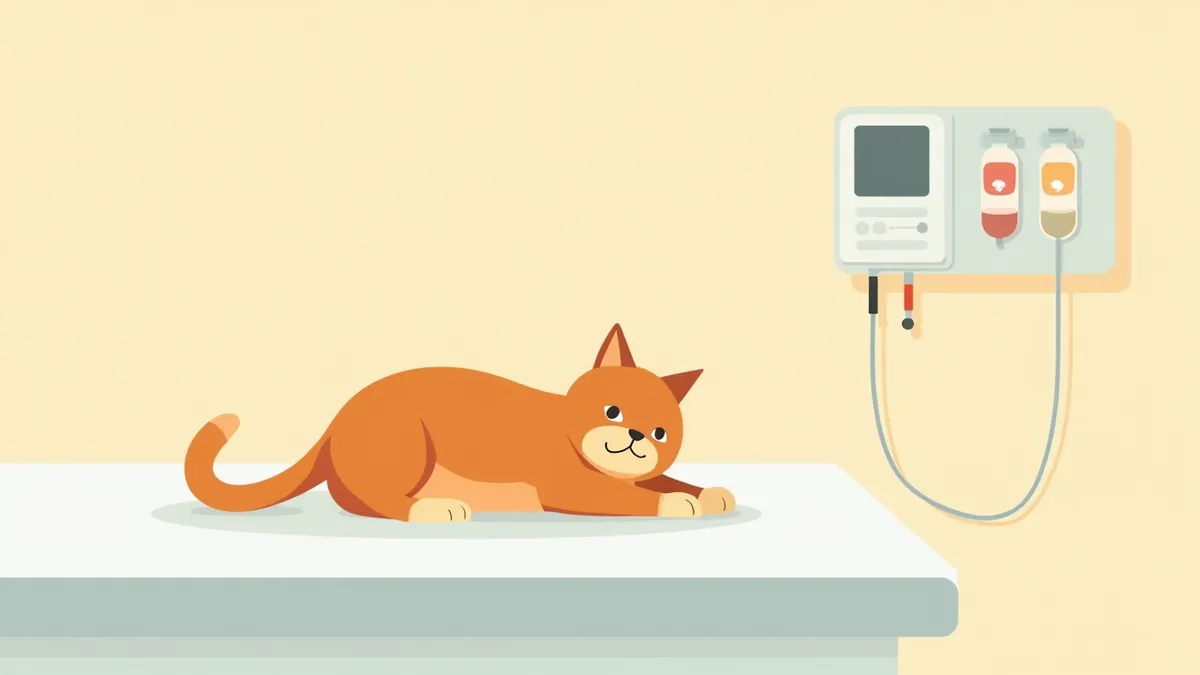
Main Causes Include Ingestion of Toxic Substances, Dehydration, and Infections

The First Action Owners Should Take in an Emergency Is to Visit the Vet

Emergency Signs Requiring Immediate Veterinary Care
If your cat hasn’t been drinking water for an extended period, is repeatedly vomiting, or has collapsed, you should seek veterinary care immediately. These symptoms may indicate severe acute kidney failure. In the early stages, blood test results may appear normal, so a veterinarian must check creatinine and BUN levels through blood tests to begin appropriate treatment.
Treatment Focuses on Removing the Underlying Cause and Restoring Kidney Function
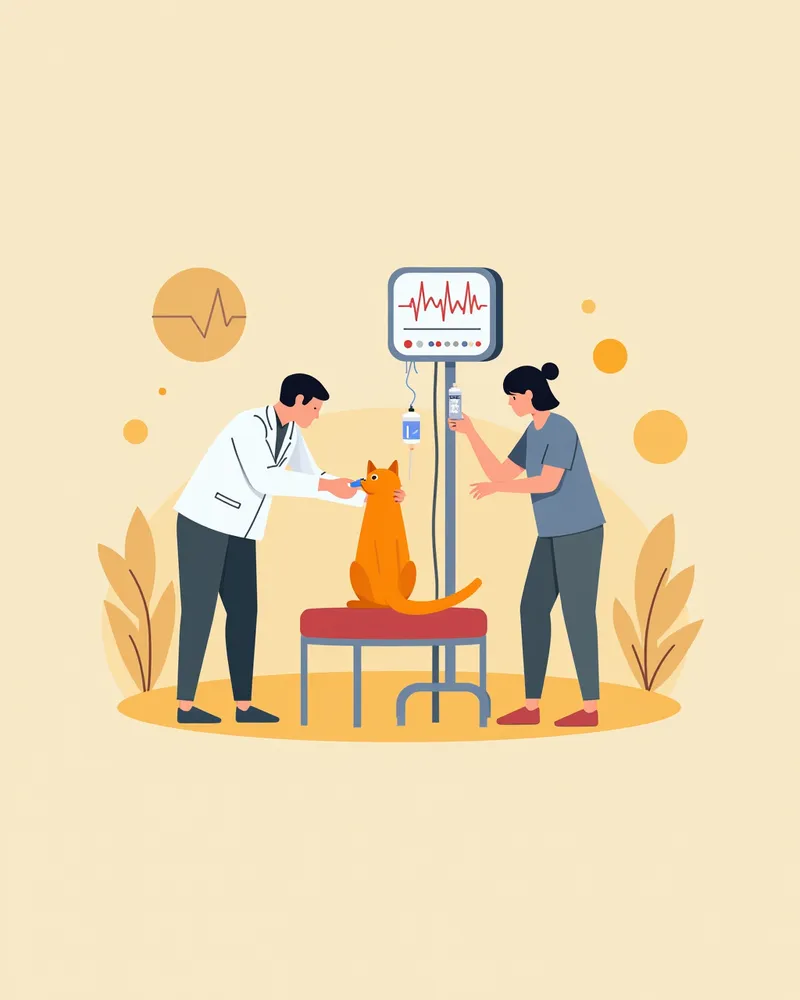
Home Care Must Follow Your Veterinarian’s Instructions

Comparison of Symptoms and Responses by Stage of Acute Kidney Failure
| Item | Main symptoms | Emergency response |
|---|---|---|
| Mild | Decreased appetite, slight dehydration | Provide more water, schedule a clinic visit |
| Moderate | Vomiting, lethargy, decreased urination | Visit the clinic immediately, IV fluids needed |
| Severe | Decreased consciousness, collapse, no urination | Visit the emergency room, consider hemodialysis |
Stage-by-stage response may vary according to the veterinarian's judgment.
Precautions for Prevention
Keep cats away from lilies, antifreeze (ethylene glycol), certain nonsteroidal anti-inflammatory drugs (NSAIDs), and other toxic plants. Pay special attention to areas like kitchen cabinets, bathrooms, and gardens to ensure no hazardous substances are left within reach. Prevention is the most effective approach.
Reviewed by a veterinarian

Dr. Tony — Punnawat Phongkittirak
VeterinarianA veterinarian who majored in veterinary medicine at Khon Kaen University, Thailand, and completed the IVSA program at North Carolina State University in the United States. Drawing on clinical experience at animal hospitals, he works in the pet healthcare field and is dedicated to building a digital care environment that connects pet parents with veterinarians.
Reviewed 2026-06-05
Frequently Asked Questions
What should I do if my cat suddenly stops drinking water?
Should I still take my pet to the vet if it’s been over two hours since they ingested a toxic substance?
What is the recovery rate after treatment for acute kidney failure?
How can I prevent my cat from developing kidney failure again after it has already occurred?
Can vomiting in a cat at home be a sign of kidney failure?
Share
Related Guides

Top 5 Prescription Diets for Cats with Chronic Kidney Disease — Stage-Specific Protein Adjustment
7 Emergency Signs and Causes of Acute Kidney Failure in Dogs You Must Not Miss
Top 5 Cat Kidney Supplements Recommended for 2026
Is the Cat Diuretic (Furosemide) Safe? — A Summary of Effects, Side Effects, and Precautions
Feline Cardiac Ultrasound (Echo): Is It Necessary? — What the Test Reveals and Costs
Is Feline Heart Surgery Necessary? — Costs and Recovery for Valve Repair and PDA Ligation
Feline Heart Disease Prognosis: How Long Can They Live? — From Diagnosis to Management

Cat Heart Disease: Is It Safe to Anesthetize and Scale? — Key Points to Check Before Dental Procedures
My Cat’s Pulse Is Slow — Causes and Warning Signs of Bradycardia and Atrioventricular Block
What Are Beta-Blockers for Cats? — Effects, Side Effects, and Precautions
References
[1] Plumb's Veterinary Drug Handbook, 9th Edition, 2022
[2] Clinical Medicine of the Dog and Cat, 4th Edition, 2020
[3] Veterinary Internal Medicine, 8th Edition, 2021