Like
Share
멍실장
강아지 노령성인지기능장애 원인과 행동 교정·치료 방법 완벽 가이드

A Complete Guide to the Causes, Behavioral Modifications, and Treatment of Canine Cognitive Dysfunction

Brain & CognitionQ&AMeongsiljang Veterinary Advisory Board

Canine cognitive dysfunction is a condition in older dogs where cognitive and behavioral functions gradually decline due to brain aging. We’ve compiled a comprehensive guide covering everything from causes to medication and at-home behavioral modifications, all based on veterinary expertise.

What is Canine Cognitive Dysfunction?
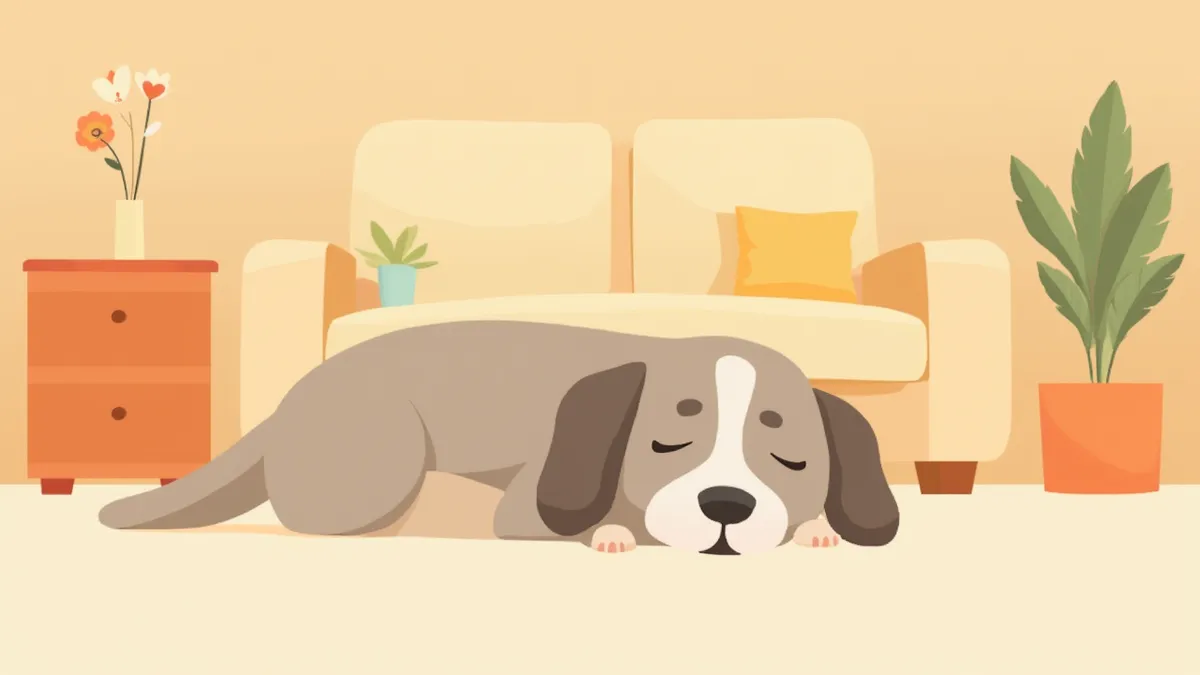
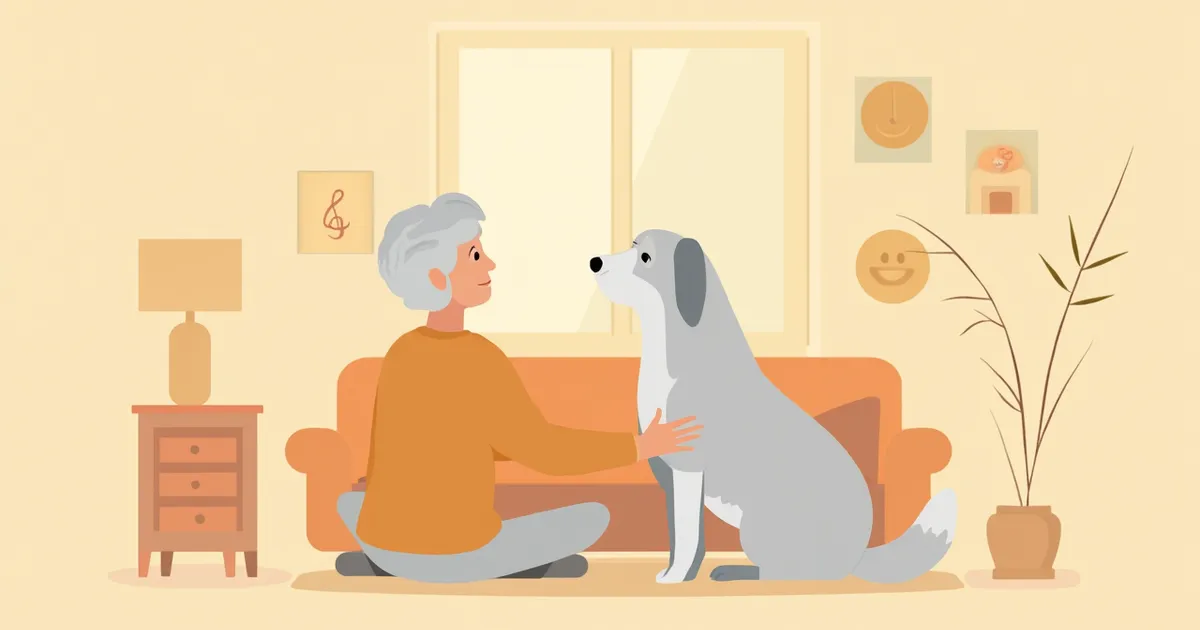
Warm bonding between senior dogs and their owners
Canine cognitive dysfunction is a neurological disorder in older dogs caused by the accumulation of abnormal proteins in the brain, leading to a gradual decline in memory, learning, and cognitive abilities. It is very similar to Alzheimer’s disease in humans. What’s truly important is that the earlier it’s detected, the more effective treatment can be. If your dog starts whining at night without reason, pacing around the house, or suddenly having accidents despite being well-trained, it may not just be normal aging. For dogs aged 8 years or older, consider asking your veterinarian for a cognitive function assessment right away.

If You Notice These Behaviors — 5 Main Symptoms
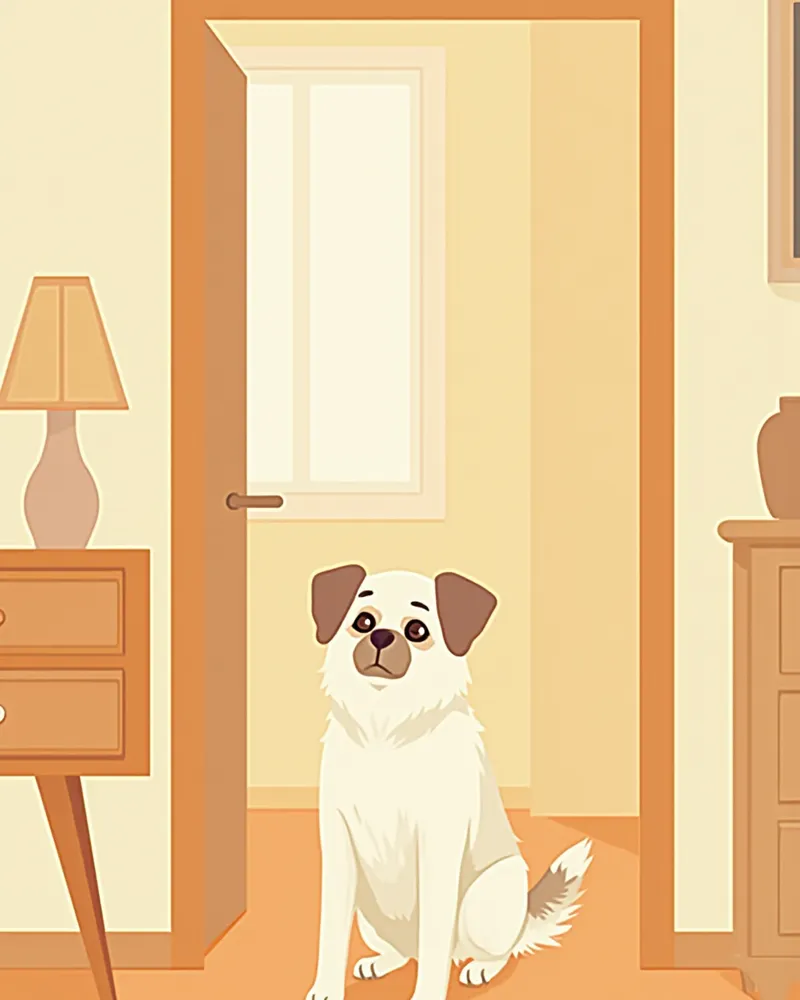
Loss of spatial awareness: Your pet may become disoriented in familiar surroundings, getting lost at home or repeatedly bumping into furniture.
Changes in social behavior: They might fail to recognize family members or suddenly begin avoiding physical contact.
Reversed sleep-wake cycle: Your pet may sleep during the day and wander or vocalize without apparent reason at night.
Accidents in elimination: They may suddenly lose control over previously well-maintained bathroom habits.
Changes in activity level: Your pet may show disinterest in favorite activities or walks, or engage in purposeless repetitive behaviors.
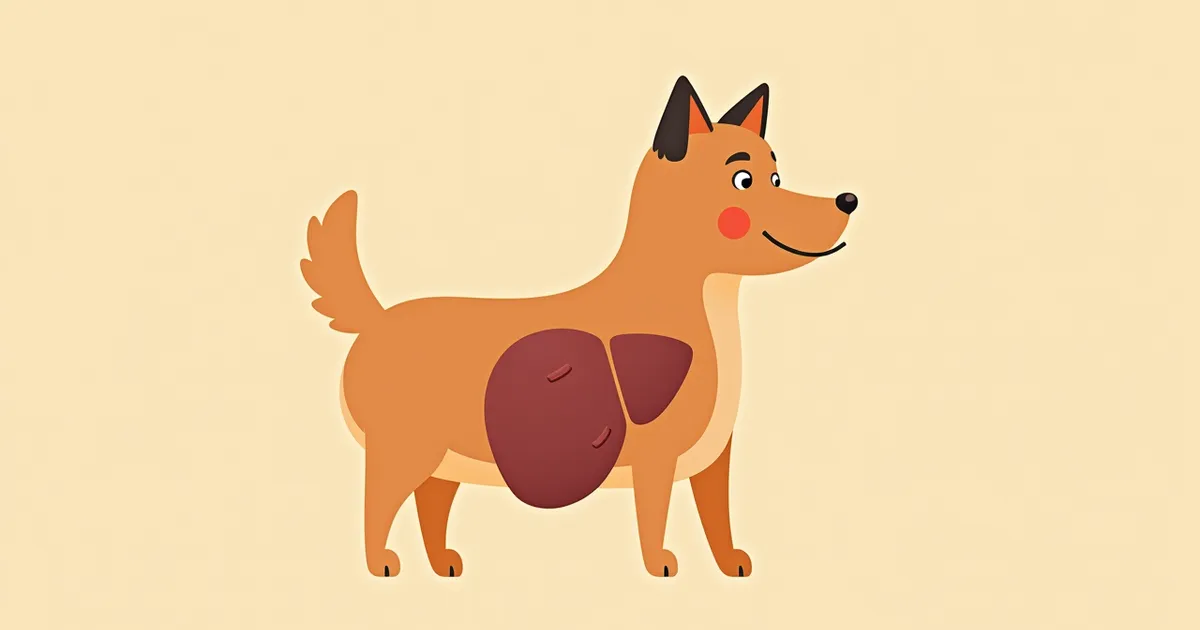
An elderly dog that seems disoriented and lost within the house

Comparison of Symptom Progression Stages

ItemEarly stageMiddle stageLate stage
Sense of directionOccasionally zones outGets lost inside the houseSevere disorientation
Sleep patternMild nighttime anxietyNighttime wandering and repeated vocalizationComplete day-night reversal
EliminationIntermittent accidentsFrequent indoor accidentsAlmost no control
Social responseSlightly slowed responseFails to recognize the guardianAlmost no response
AppetiteNormal or slightly reducedIrregular eatingSevere loss of appetite

Based on veterinary behavioral medicine textbooks (individual variation exists)

Why Does It Happen? — Main Causes of Brain Aging

The primary cause of canine cognitive dysfunction is the aging of brain cells. As dogs grow older, various degenerative changes occur in the brain. According to veterinary textbooks, these changes include a reduction in frontal lobe volume, enlargement of the ventricles, calcification of the meninges, demyelination of nerve fibers, an increase in lipofuscin (an age-related pigment) and apoptotic bodies, and a decrease in the number of neurons. As these changes accumulate, signal transmission between neurons is gradually impaired, leading to a slow decline in cognitive function. In particular, senior dogs aged 13 to 15 years are known to exhibit early signs of cognitive impairment, such as memory loss, which are often the first noticeable symptoms. Therefore, it is important to consistently observe and record any behavioral changes that differ from their normal routine as they age.
The face of an aging dog — signs of aging

Signs That Require Immediate Veterinary Care

If any of the following symptoms appear suddenly or worsen rapidly, seek immediate veterinary care. Although they may resemble cognitive dysfunction in older dogs, they could indicate more urgent conditions such as brain tumors or encephalitis. • Seizures recurring for more than a day • Sudden confusion or collapse • Rapid eye movements (nystagmus) • Rapid worsening of symptoms within 48 hours • Persistent refusal to eat or drink

How Is It Diagnosed?
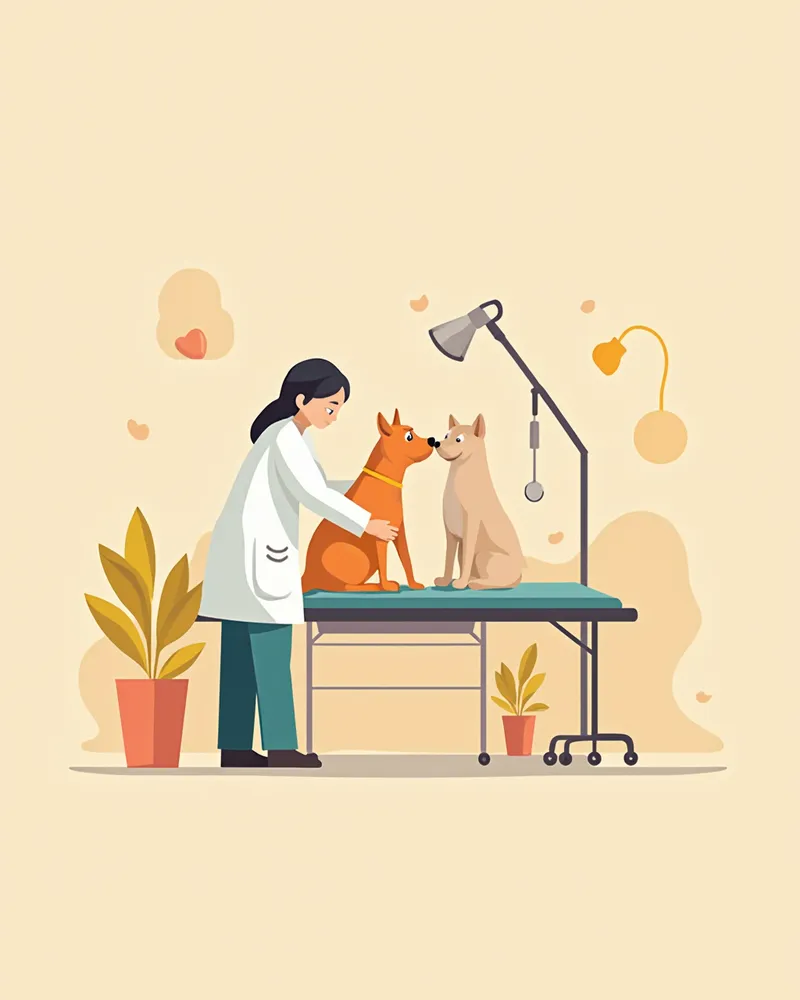
To ensure an accurate diagnosis, it’s important to rule out other conditions first, as hypothyroidism, brain tumors, and encephalitis can present with similar symptoms. Diagnosis typically follows this sequence: reviewing behavioral history, performing a physical exam, conducting blood and urine tests, and then obtaining brain imaging via MRI or CT scan. Keeping a dated log of your pet’s behavioral changes can be very helpful during the veterinary visit. If imaging is required, anesthesia may be involved, so be sure to discuss this thoroughly with your veterinarian.
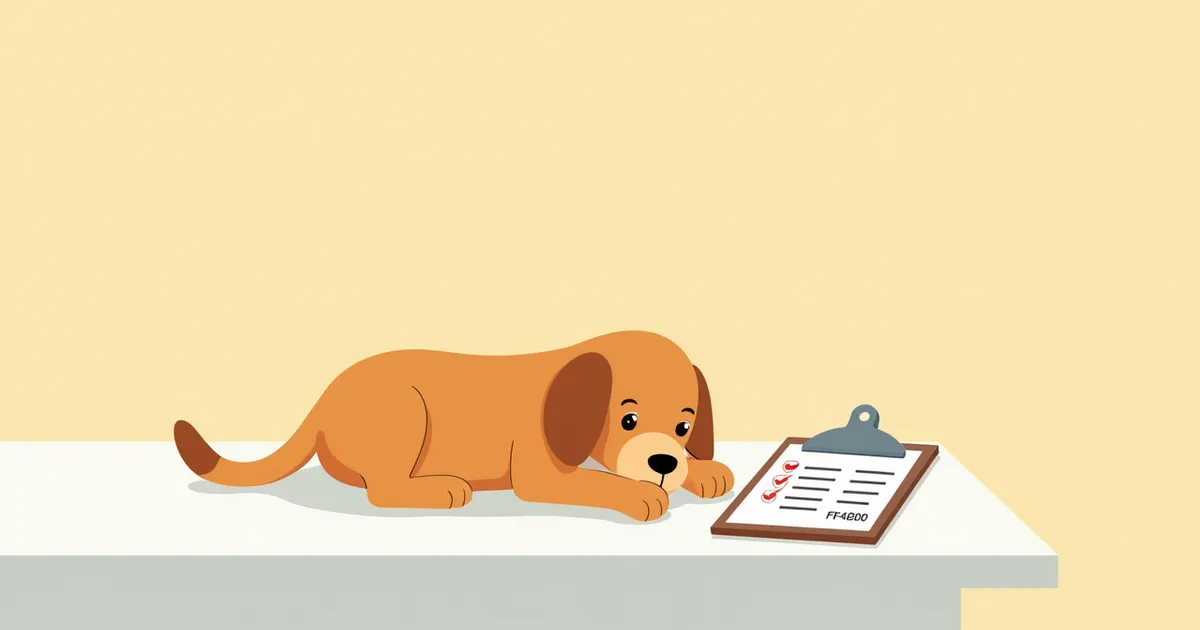
A veterinarian examining an elderly dog

Medication and Dietary Management — Methods Chosen by Veterinarians
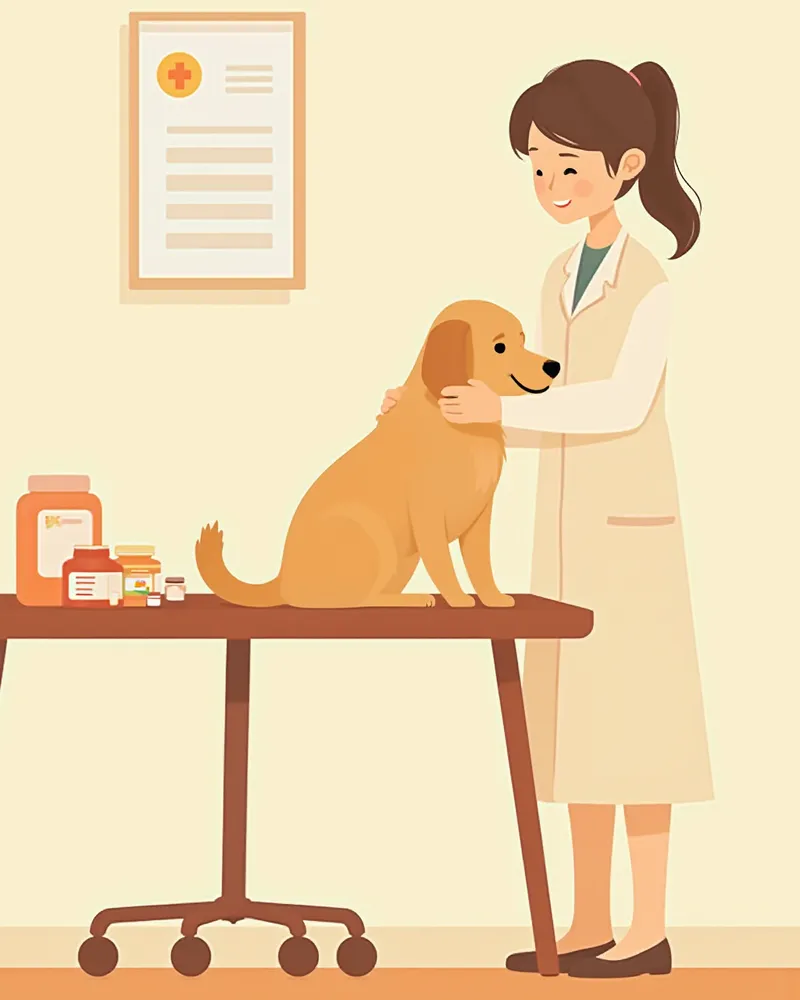
The cornerstone of current treatment is a combination of medication and dietary management.
Neurotransmitter-regulating medications: Medications containing selegiline, prescribed by your veterinarian, are the most common option. Multiple studies have reported that these medications enhance dopamine activity and provide antioxidant effects, which can help improve disorientation, sleep patterns, and social interaction.
Antioxidant prescription diets: Prescription diets rich in vitamins C and E, L-carnitine, alpha-lipoic acid, and omega-3 fatty acids help reduce oxidative damage to the brain, supporting improved cognitive function.
SAMe supplements: Research has shown that S-adenosylmethionine (SAMe) can help reduce age-related cognitive decline in senior dogs.
Always use medications and supplements only under the guidance and prescription of your veterinarian.
Medications and prescription diets used in the treatment of senior dogs

Behavioral Modifications and Environmental Management at Home
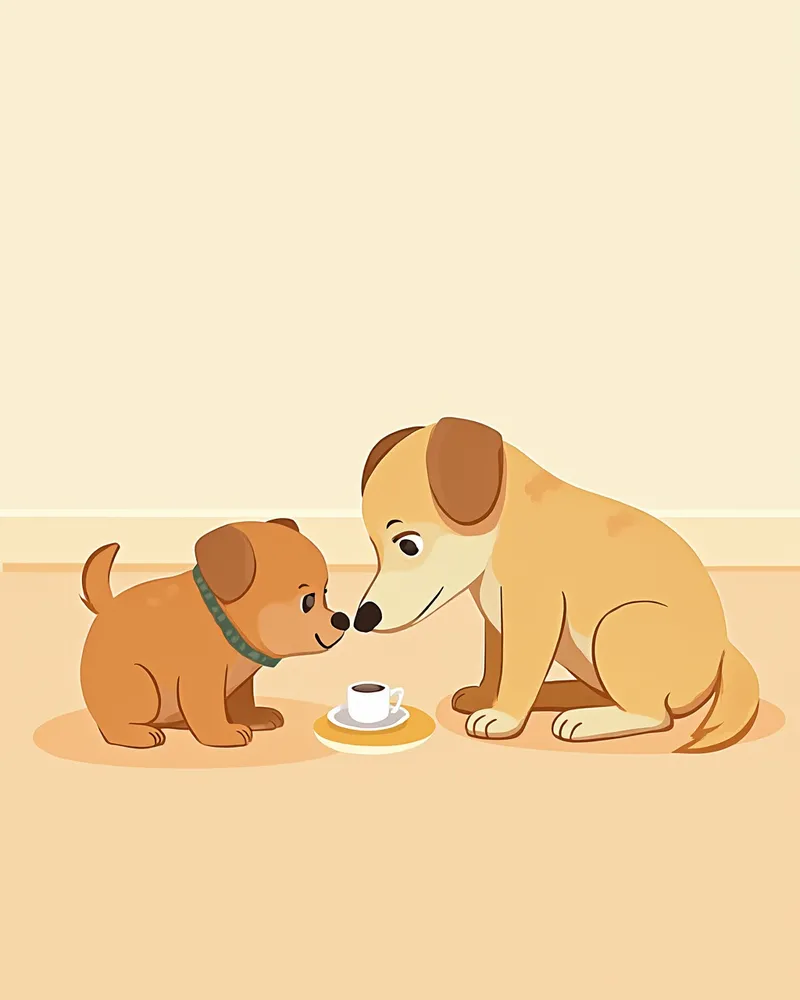
In addition to medication, consistent cognitive stimulation at home is essential.
Maintain environmental consistency: Keep furniture arrangements unchanged and maintain familiar movement paths.
Establish a regular routine: Feeding, walking, and sleeping at the same times each day helps reduce anxiety.
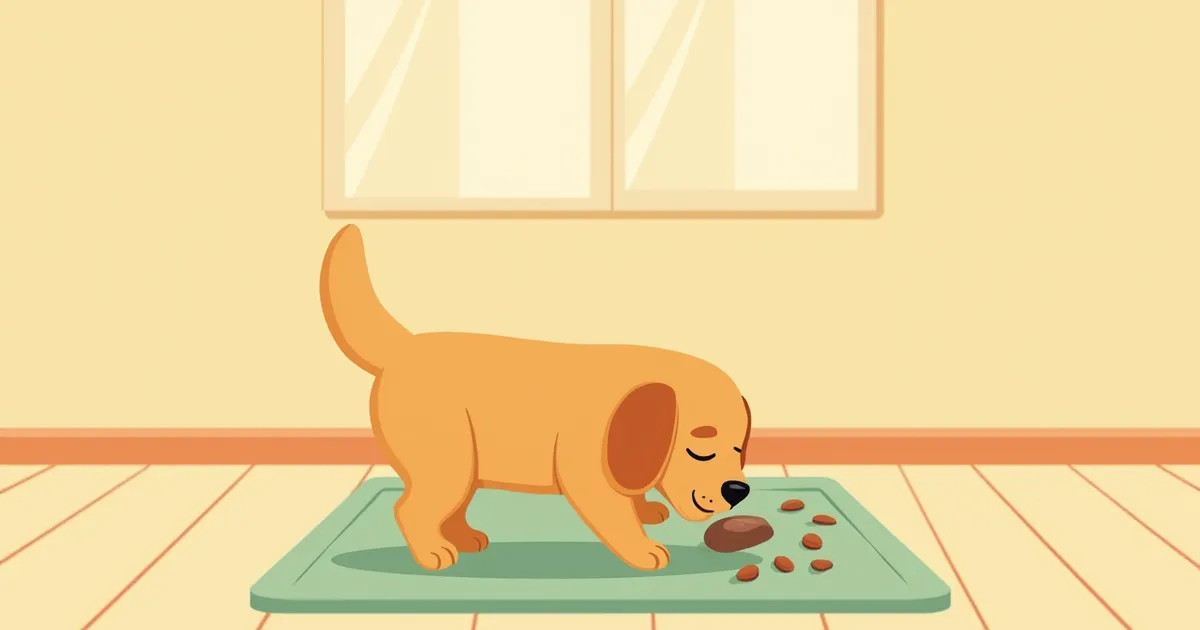
Olfactory enrichment games: Activities like treat searches and scent games help activate the brain.
Night lighting: Leaving a dim night light on can decrease nighttime wandering and anxiety.
Calming pheromones: A veterinarian-recommended pheromone diffuser can help reduce nighttime vocalization.
Scent-stimulating play for senior dogs

Small and Large Breeds — Onset Timing Varies

Canine cognitive dysfunction is a condition that affects dogs as they enter their senior years. Dogs are generally considered seniors at around 8 years of age, which is when owners should begin monitoring for changes in cognitive function. However, the onset of aging can vary depending on the dog's size and breed. If you notice behavioral changes that differ from your dog's usual habits, don't simply attribute them to normal aging; instead, ask your veterinarian for a cognitive function assessment. For owners of dogs around 8 years old or older, regularly observing and recording behavioral changes by date—even in the absence of obvious symptoms—can greatly aid in early detection.

Reviewed by a veterinarian

Dr. Tony — Punnawat Phongkittirak

Dr. Tony — Punnawat Phongkittirak

Veterinarian

A veterinarian who majored in veterinary medicine at Khon Kaen University, Thailand, and completed the IVSA program at North Carolina State University in the United States. Drawing on clinical experience at animal hospitals, he works in the pet healthcare field and is dedicated to building a digital care environment that connects pet parents with veterinarians.

Frequently Asked Questions

At what age should I start having my pet undergo cognitive function testing?
Even if there are no obvious symptoms, it’s a good idea to start regular cognitive assessments around age 8, when dogs begin entering their senior years. Since the onset of aging varies by body size and breed, report any behavioral changes to your veterinarian each year and request a brief cognitive evaluation.
Is it possible to achieve a complete cure?
A complete cure is difficult, as cognitive dysfunction in senior pets is a progressive condition. However, with consistent medication and environmental management, you can slow its progression and help maintain your pet’s quality of life for longer. Early detection is the most important factor.
Could the sudden nighttime vocalizations be a sign of cognitive dysfunction?
It’s possible. Nighttime vocalization can stem from various causes, such as pain, anxiety, or cognitive dysfunction. If the behavior started suddenly or is accompanied by pacing or accidents, a veterinary examination is necessary.
What kind of supplements can help?
Omega-3 fatty acids (DHA), antioxidants (vitamins C and E), and SAMe have been shown in studies to help improve cognitive function. Always consult your veterinarian before choosing a supplement and determining the appropriate dosage.
How do you differentiate it from other conditions?
Hypothyroidism, brain tumors, encephalitis, and hearing or vision loss can also cause similar symptoms. The first step toward an accurate diagnosis is to rule out these other potential causes through blood tests, neurological exams, and brain MRI scans.

Share

Related Guides

References

[1] Dewey CW, Davies ES, Xie H, Wakshlag JJ. Canine Cognitive Dysfunction: Pathophysiology, Diagnosis, and Treatment. Vet Clin North Am Small Anim Pract. 2019;49(2):477-499.

[2] Landsberg GM, Nichol J, Araujo JA. Cognitive dysfunction syndrome: a disease of canine and feline brain aging. Vet Clin North Am Small Anim Pract. 2012;42(4):749-768.

[3] Cotman CW, Head E, Muggenburg BA, Zicker S, Milgram NW. Brain aging in the canine: a diet enriched in antioxidants reduces cognitive dysfunction. Neurobiol Aging. 2002;23(5):809-818.

[4] Reme CA, Dramard V, Kern L, et al. Effect of S-adenosylmethionine tablets on the reduction of age-related mental decline in dogs. Vet Ther. 2008;9(2):69-82.

[5] Clinical Medicine of the Dog and Cat, 4th Ed. Elsevier. Section III: Diseases of Specific Organ Systems. Ch.16. 2020.

This information is based on veterinary literature and does not replace diagnosis or treatment. Please consult a veterinarian for specific health concerns.

Metapet Co., Ltd. | CEO: Park Sung-yong | Business Reg. No. 417-88-02562 | Seoul, South Korea | Customer Center

Canine Cognitive Dysfunction: Causes, Meds & Behavior Care | Meongsiljang