
Why Is Giving Eye Drops to My Dog So Hard? — Administration Techniques That Work Even for Resistant Puppies
Administering eye drops to your dog requires the correct technique. Here’s a summary of the points that often confuse pet owners.
The Owner’s Touch Is Most Important When Administering Eye Drops to Dogs
Preparation Before Administering Eye Drops Is 50% of Success
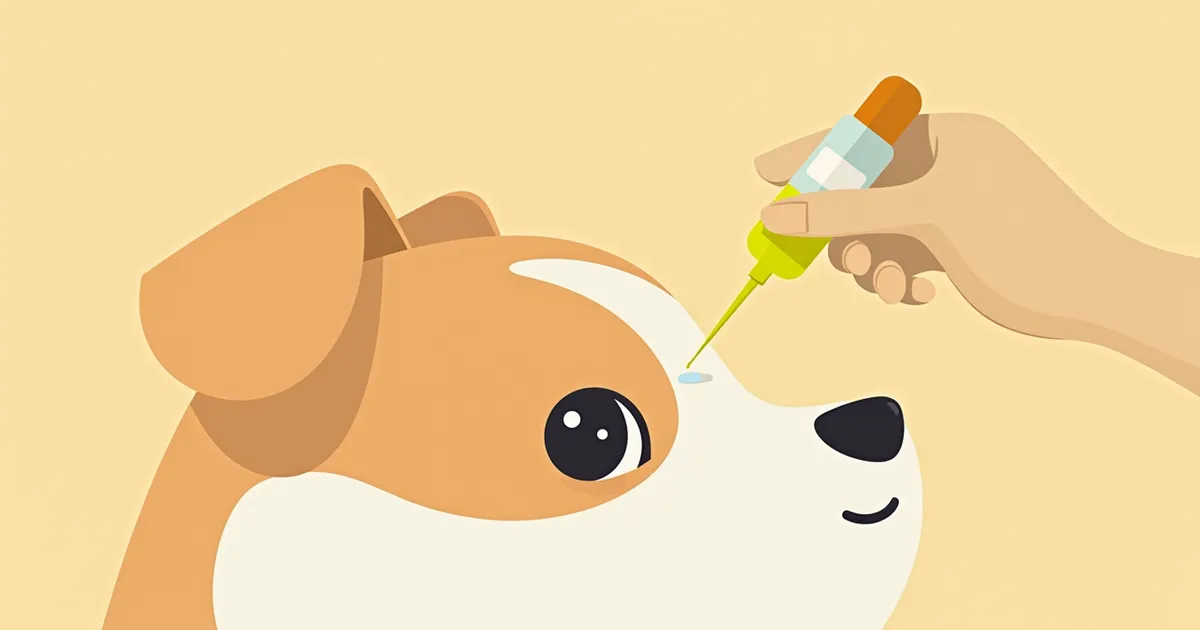
Where Should You Instill Eye Drops?
Should You Wipe the Eyes After Administering Eye Drops?
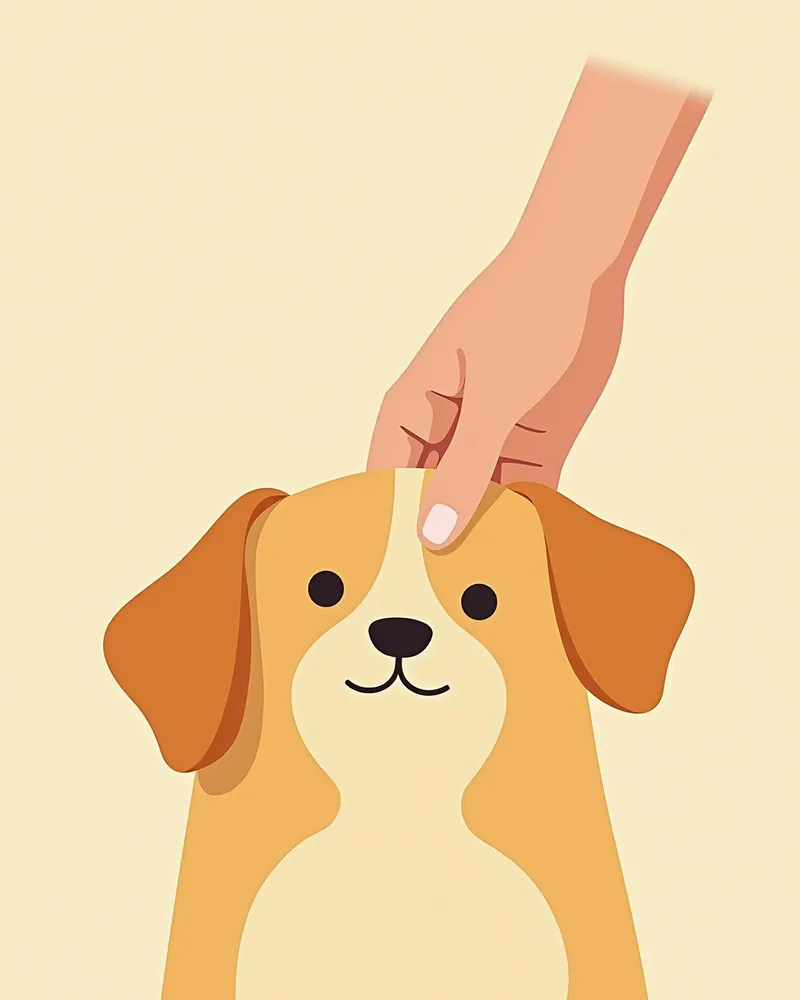
Incorrect Administration of Eye Drops Can Cause Eye Inflammation
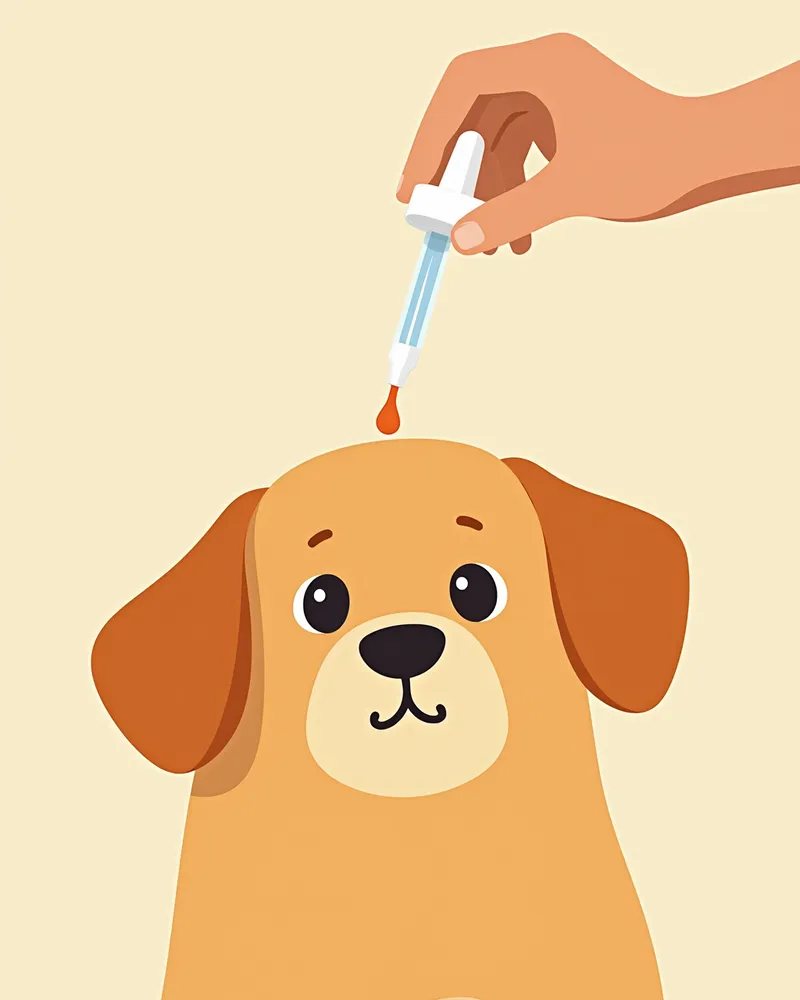
If eye drops are mistakenly placed on the pupil or the surface of the eye instead of in the conjunctival sac, the medication may overflow and fail to be adequately absorbed, reducing its therapeutic efficacy. Additionally, if your dog experiences irritation and rubs its eyes, discomfort may worsen. If you notice symptoms such as redness, pain, or excessive tearing, do not attempt to self-diagnose; seek veterinary care immediately.
Comparison of Eye Drop Administration Methods: Beginner vs. Expert
| Item | Beginner Method | Expert Method |
|---|---|---|
| Location of Drop Application | Onto the eye | Into the conjunctival sac |
| Closing the Eye | Not closed | Close for 1–2 minutes after application |
| Hand Position | Drop from above the eye | Drop from below the eye |
| Drug Absorption Rate | Low | High |
The expert method maximizes the effectiveness of the medication and reduces irritation to the eye.
What Should You Do If Your Dog Moves During Eye Drop Administration?

How Should You Follow the Frequency and Duration of Eye Drop Administration?
Reviewed by a veterinarian

Dr. Tony — Punnawat Phongkittirak
VeterinarianA veterinarian who majored in veterinary medicine at Khon Kaen University, Thailand, and completed the IVSA program at North Carolina State University in the United States. Drawing on clinical experience at animal hospitals, he works in the pet healthcare field and is dedicated to building a digital care environment that connects pet parents with veterinarians.
Reviewed 2026-06-03
Frequently Asked Questions
Is it safe to drop eye medication directly onto the eye?
Should I wipe my pet’s eyes after administering eye drops?
My dog hates eye drops, so it’s hard to administer them.
I missed a dose of the eye drops. Should I give two doses next time?
How should I stop using eye drops?
Share
Related Guides
Top 5 Dog Tear Supplements Recommended for 2026
What is Lutein? Effects on Dog Eye Health

The Best Canine Uveitis Management Products and Selection Criteria: A Comprehensive Guide
Should You Definitely Use Cyclosporine for Canine Dry Eye? — A Summary of Effects and Side Effects
Dog Fluorescein Staining Corneal Exam FAQ — Key Information Every Pet Owner Should Know
If Your Dog Has a Lump on Its Eyelid — Distinguishing Benign from Malignant Eyelid Tumors and How to Respond
If Your Dog Keeps Rubbing Their Eyes — Causes of Entropion and Surgical Timing
What Are Diabetic Cataracts in Dogs? — What Signs Appear Before Vision Loss

If Your Dog Can’t Keep Its Eyes Open — Causes of Corneal Ulcers and When to Visit the Vet
If You Suspect Your Dog’s Eye Has Perforated — Emergency Signs of Corneal Perforation and When to Seek Immediate Veterinary Care
References
[1] Shilo-Benjamini Y, Pascoe PJ, Maggs DJ et al. (2013) Retrobulbar and peribulbar regional techniques in cats: a preliminary study in cadavers. Vet Anaesth Anal
[2] Park et al. (2010) Intraocular anesthesia in dogs: clinical application of intracameral lidocaine. Vet Ophthalmol
[3] Venturi F, Blocker T, Dees DD et al. (2017) Corneal anesthesia in dogs: evaluation of topical anesthetics. J Am Anim Hosp Assoc