Like
Share
멍실장
고양이 구강 검진 권장 주기 자주 묻는 질문 Q&A — 보호자가 꼭 알아야 할 핵심

Frequently Asked Questions on Recommended Cat Oral Exam Intervals — Key Points Every Owner Should Know

Oral HealthQ&AMeongsiljang Veterinary Advisory Board

A single annual checkup isn’t enough to maintain your cat’s oral health. Here’s a clear guide to the recommended examination schedule and practical tips every pet owner should know.

Cat oral exams should be performed every six months

A veterinarian examining a cat's teeth.
Regular dental checkups are essential for maintaining your cat’s oral health. We generally recommend at least one comprehensive health exam, including an oral assessment, per year. For senior cats or those with specific risk factors, your veterinarian may advise more frequent visits. Dental diseases often progress slowly and are not always obvious in their early stages, making regular monitoring crucial. - Routine Checkup Schedule: Early detection of periodontal disease, gum bleeding, and tartar buildup ensures timely treatment. - Importance of Regular Exams: Your veterinarian will use tools like dental probes to assess tooth mobility and gum condition, and may take radiographs to evaluate the roots when necessary. - Preventive Approach: Consistent home oral care can prevent or even reverse gingivitis (inflammation of the gums). Early management helps reduce tooth loss and pain. - Connection to Systemic Health: Oral lesions can be linked to systemic diseases, so veterinarians also assess overall health during these exams. This checkup is more than just a dental inspection; it is a key procedure for safeguarding your cat’s overall well-being.

Why are exams every six months necessary?

Feline oral diseases often progress silently in their early stages, making regular check-ups essential for monitoring changes. The recommended baseline frequency is at least once a year, though higher-risk individuals may need more frequent examinations. - The importance of regular check-ups: Delaying exams can allow periodontal disease to advance, potentially leading to tooth loss and pain. - Age and risk factors: Older cats face a higher risk of periodontal disease and tooth resorption (TR), making regular check-ups crucial for maintaining their quality of life. - Benefits of early detection: Veterinarians can identify subtle changes and determine the optimal timing for treatment. - Connection to systemic health: Oral lesions can sometimes be secondary to systemic diseases, so veterinarians also assess overall health during oral exams. - Reducing the burden: Early detection allows for simpler management strategies, benefiting both the cat and the owner.
Tartar buildup on the teeth of an elderly cat

What procedures are involved in an oral exam?
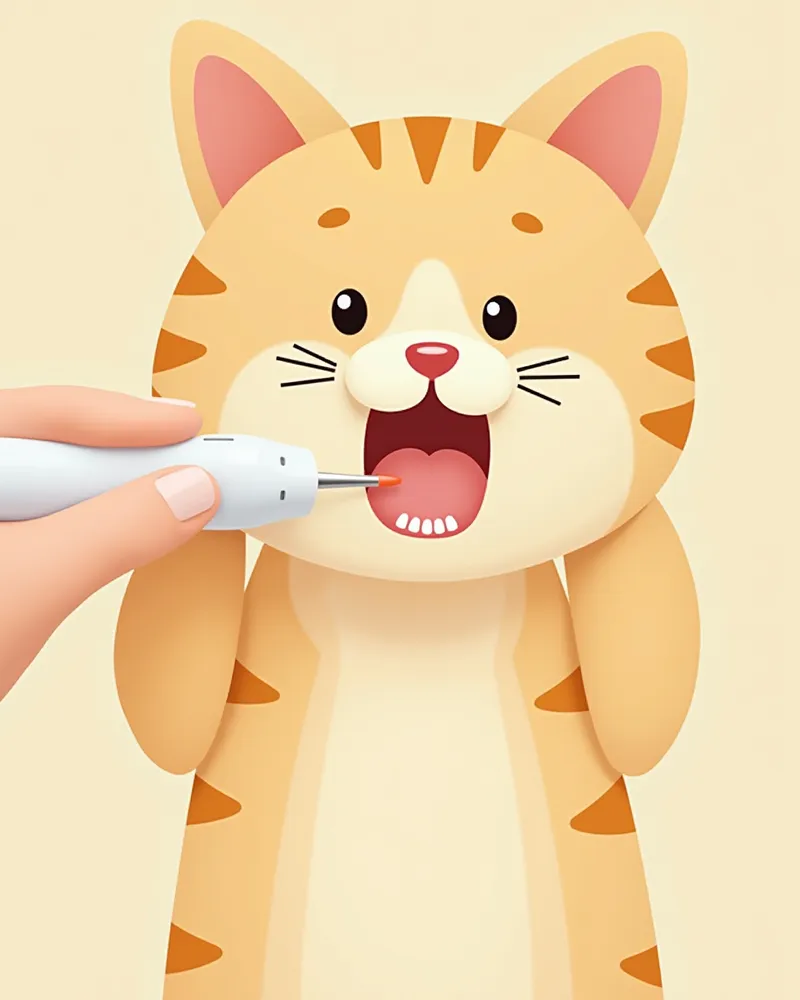
A dental exam goes beyond a simple visual check; the veterinarian carefully evaluates your cat’s teeth by gently palpating them. - Assessment of tooth condition: We meticulously check for tooth mobility, bleeding, and the extent of tartar buildup. - Gum health inspection: We closely examine the gums for swelling, bleeding, or ulcers. - Dental radiographs: X-rays are taken when necessary to evaluate the condition of the tooth roots and jawbone. - Comprehensive oral evaluation: We analyze all factors, including tartar, bleeding, ulcers, and foreign objects, to form a complete picture of oral health. - Prioritizing feline comfort: We proceed slowly to minimize pain while ensuring an accurate diagnosis. - Diagnosis-based treatment planning: Based on the exam results, we propose a tailored treatment plan. This process is the first step in safeguarding your cat’s health.
A veterinarian removing tartar from a cat's teeth

Comparison of differences by oral exam interval

ItemCheck-up IntervalLikelihood of Early DetectionTreatment CostCat's Stress
Once a year (basic recommendation)ModerateHighHighLow
Once every 6 monthsHighMediumMediumMedium
Once every 3 months (high-risk cases)Very highLowLowHigh

At least one check-up per year is the basic recommendation, and cats with risk factors such as advanced age, periodontal disease, or stomatitis may need more frequent professional care at 3–4 month intervals depending on the veterinarian's judgment. It is advisable to set the check-up interval according to the individual's condition.

Preparations needed before an oral exam

Depending on the type of examination or procedure, some preparation may be required. If sedation or anesthesia is involved, your veterinarian will instruct you to withhold food for a specific period; for safety, always follow your clinic’s guidance regarding the exact fasting duration. - Purpose of fasting: To prevent stomach contents from entering the airway during anesthesia. - Pre-anesthetic testing: Blood tests, such as a complete blood count and serum chemistry panel, are recommended to assess anesthesia risk. - Behavioral changes: Be sure to inform us if your cat screams when its mouth is touched or refuses to eat. - Bad breath and decreased appetite: These may indicate oral disease and serve as important reference points during the examination. - Current medications: Please inform your veterinarian about any medications your cat is taking and any underlying health conditions. - Provide a calm environment: Prepare a quiet space to help keep your cat relaxed before the exam. This preparation helps ensure both the accuracy and safety of the procedure.
A cat sitting quietly in front of the veterinarian.

Immediate veterinary visit is required in these cases

If your pet has severe bad breath, refuses to eat, or cries out when you touch its mouth, prompt veterinary care is essential. These signs may indicate advanced periodontal disease, periapical (tooth root) infection, or stomatitis. Such oral pain can lead to decreased appetite and weight loss, diminishing quality of life, and may sometimes be linked to systemic conditions, so early intervention is crucial.

Oral care methods you can do at home

Daily brushing is the most effective way to maintain your cat’s oral health. Using a toothbrush and toothpaste specifically designed for cats ensures both safety and effectiveness. - Daily brushing: Removes plaque between the teeth and gums, helping prevent dental disease. - Dental treats: Offering treats formulated to inhibit tartar buildup can also be beneficial. - Water additives: Adding oral care products to your cat’s drinking water makes routine maintenance easier. - Regular checks: In addition to brushing, make it a habit to periodically inspect your cat’s mouth. - Use of supplementary tools: Toothpaste-infused sticks and mouthwashes are also effective. These methods complement professional dental exams and are key to preventing disease.
A cat chewing on a dental health treat

Precautions after an oral exam

After the checkup, it’s important to pay close attention to your cat’s diet. If surgery or treatment was performed, offering soft food is recommended, and it’s safest to avoid brushing their teeth for the first 24 hours. - Provide soft food: Choose options that won’t irritate the teeth or gums. - Post-treatment care: Strictly follow any medications or care instructions provided by your veterinarian. - Monitor behavioral changes: Watch closely for signs such as decreased appetite or reluctance to have their mouth touched. - Allow adequate recovery time: Limit activity and minimize stress for a specified period after treatment. - Schedule the next checkup: Confirm and book the next appointment in advance, as this step is crucial for recovery and preventing recurrence.
A cat resting after a dental examination

Reviewed by a veterinarian

Dr. Tony — Punnawat Phongkittirak

Dr. Tony — Punnawat Phongkittirak

Veterinarian

A veterinarian who majored in veterinary medicine at Khon Kaen University, Thailand, and completed the IVSA program at North Carolina State University in the United States. Drawing on clinical experience at animal hospitals, he works in the pet healthcare field and is dedicated to building a digital care environment that connects pet parents with veterinarians.

Frequently Asked Questions

When should you start regular dental checkups for your cat?
It's a good idea to start regular dental check-ups for kittens from the age of 4 to 6 months. This helps in understanding their initial oral health status and encourages healthy habits early on.
Does an oral exam hurt?
The veterinarian performs the procedure gently, using anesthesia when necessary, so your cat won’t experience significant pain. This check-up is a safe and effective method.
How much does an oral examination cost?
A basic checkup costs around $40, and if tartar removal or treatment is needed, the total can range from $70 to $100. Preventive checkups help save money in the long run.
If I brush my pet’s teeth at home, is a dental exam still necessary?
No. While brushing your pet’s teeth at home is helpful, you can’t check the deep areas of the mouth or the condition of the tooth roots from home. Regular veterinary checkups are essential.
Can senior cats also receive oral health examinations?
Yes, oral exams are especially important for senior cats. They help assess overall health and detect pain early on. Your veterinarian will perform a tailored examination.

Share

Related Guides

References

This information is based on veterinary literature and does not replace diagnosis or treatment. Please consult a veterinarian for specific health concerns.

Metapet Co., Ltd. | CEO: Park Sung-yong | Business Reg. No. 417-88-02562 | Seoul, South Korea | Customer Center

How Often Should You Take Your Cat for a Dental Checkup? | Meongsiljang