
Like
Share
멍실장
강아지 자가면역성 간염 자주 묻는 질문 Q&A — 보호자가 꼭 알아야 할 핵심

What is Canine Autoimmune Hepatitis? — Why the Immune System Attacks the Liver and Lifelong Management

Liver HealthQ&AMeongsiljang Veterinary Advisory Board

Canine autoimmune hepatitis is a rare condition in which the immune system mistakenly attacks the liver. Early diagnosis and appropriate management are key to improving survival rates.

What is Canine Autoimmune Hepatitis?
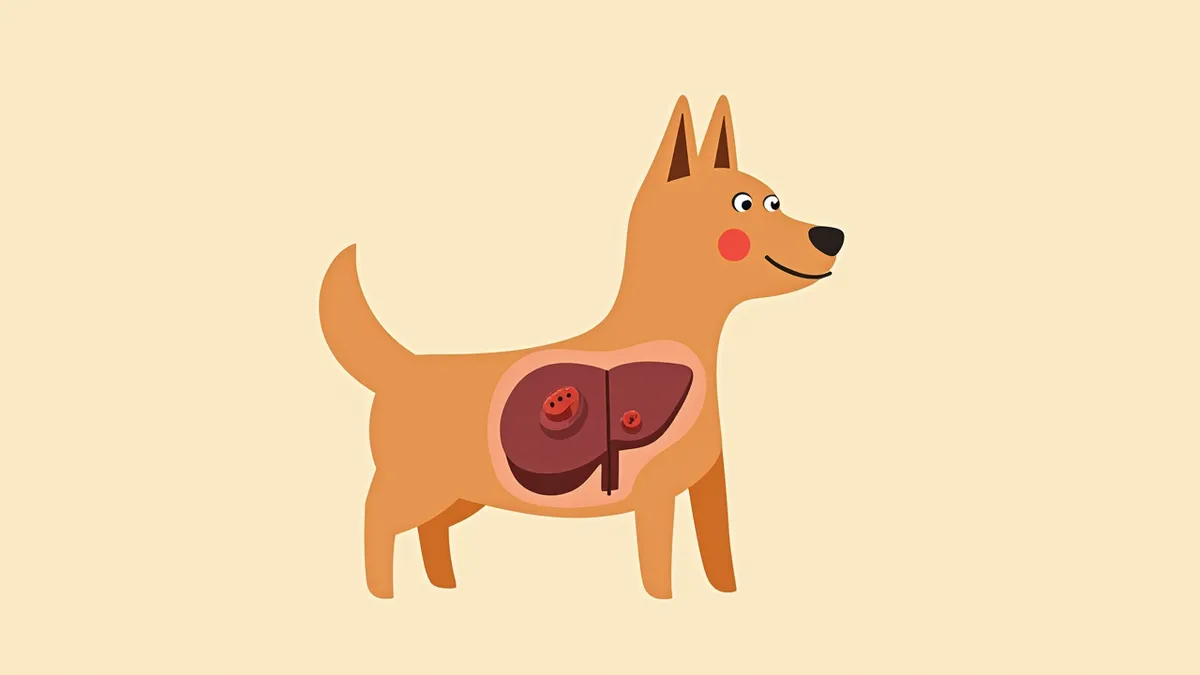
An anatomical illustration showing immune cells attacking liver cells
Canine autoimmune hepatitis is a form of chronic liver disease in which the immune system mistakenly attacks the dog’s own liver cells, causing inflammation. Chronic hepatitis in dogs is defined as an inflammatory response in the liver that persists for more than six months without significant improvement, and it can arise from various causes, including infection, metabolic disorders, toxins, and immune-mediated mechanisms. This condition leads to a gradual decline in liver function, which may progress to liver failure in severe cases. It primarily affects middle-aged dogs, and certain breeds are reported to have a higher incidence due to genetic predisposition. Early diagnosis and consistent management are key to maintaining quality of life. Although a cure is difficult, the condition can be stabilized with ongoing treatment. Accurate diagnosis requires a comprehensive approach that integrates blood tests, imaging studies, and liver biopsy.

What are the Main Causes of This Condition?

While the exact cause of autoimmune hepatitis in dogs remains unclear, it appears to result from a combination of genetic predisposition and environmental factors. - Genetic factors: Certain genes may abnormally regulate the immune response. - Environmental triggers: Infections, medications, and environmental pollutants can stimulate the immune system and trigger the disease. - Immune dysfunction: The core issue is that the immune system mistakenly identifies the dog’s own liver cells as foreign invaders and attacks them. The disease can develop when these various factors interact. Recognizing these risk factors is key to early detection.
An illustration showing how genetic predisposition and environmental factors trigger immune responses

What are the Common Symptoms?

The early signs of autoimmune hepatitis in dogs include fatigue, loss of appetite, vomiting, and diarrhea. These are nonspecific symptoms resulting from impaired liver function. - Jaundice: Yellowing of the eyes and skin, which signals potential liver or biliary tract issues. - Ascites: Accumulation of fluid in the abdomen, which can cause breathing difficulties in severe cases. - Lethargy and weakness: A depressed, listless demeanor with a sharp decline in activity levels. If liver function deteriorates significantly, neurological symptoms due to hepatic encephalopathy may also occur. Because these symptoms can progress gradually, early detection is key to effective management.
Photo of a dog's face showing symptoms of jaundice

Signs Requiring Immediate Veterinary Care

If jaundice worsens, or if persistent vomiting and diarrhea lead to signs of dehydration, immediate veterinary care is necessary. A rapid decline in liver function can result in hepatic encephalopathy, a condition characterized by impaired brain function. This is a life-threatening emergency, so please consult your veterinarian right away if symptoms deteriorate.

What Tests Are Needed for an Accurate Diagnosis?

Diagnosing autoimmune hepatitis in dogs is challenging because no single test can confirm it on its own; instead, we rely on a comprehensive evaluation of multiple test results. - Blood tests: We check for elevated levels of liver enzymes (ALT and AST), which indicate liver cell damage. These enzyme levels are typically markedly increased in the early stages. - Liver function tests: Blood tests assess the liver’s synthetic and functional status, such as albumin levels, helping us determine the appropriate treatment plan. - Imaging tests: Ultrasound allows us to examine structural changes in the liver. - Liver biopsy (histopathology): This involves directly examining liver tissue and is the most definitive method for identifying the nature and cause of inflammation. However, due to the risks associated with the procedure, the decision to perform a biopsy must be made carefully. - Autoantibody tests: While autoantibody tests are sometimes used as an adjunct in certain autoimmune diseases, there is no established, reliable standalone antibody test for autoimmune hepatitis. Therefore, a final diagnosis is based on a comprehensive assessment that includes biopsy results.
A veterinarian performing a liver biopsy on a puppy

What Are the Treatment Methods?

Treating autoimmune hepatitis in dogs centers on suppressing the immune system. - Immunosuppressants: Corticosteroids and cyclosporine are the primary medications used, and long-term administration may be necessary. - Hepatoprotectants: Supplements that protect liver cells and aid in functional recovery are often prescribed alongside immunosuppressants. - Nutritional Management: A balanced diet that minimizes stress on the liver is essential. - Regular Monitoring: Liver function must be continuously monitored throughout medication therapy. - Treatment Goals: The priority is managing symptoms and maintaining quality of life, rather than achieving a complete cure.
A scene showing the management of a puppy’s medication schedule and supplements.

Comparison of Management Strategies by Treatment Stage

ItemMain SymptomsTreatment MethodManagement Points
Early StageFatigue, decreased appetiteSteroid monotherapyRegular medication, dietary management
Moderate StageJaundice, vomiting, diarrheaSteroid + cyclosporine combinationRegular testing, monitoring of drug side effects
Chronic StageDecreased liver function, ascitesLong-term immunosuppressant useNutritional supplementation, minimize stress

Treatment is adjusted according to the patient's condition, and continuous veterinary management is essential.

What Should You Pay Attention to in Daily Management?

Canine autoimmune hepatitis is a chronic condition that requires lifelong management. - Consistent medication: It is most important to administer medication accurately and never miss a dose. - Regular check-ups: Regular veterinary visits are necessary to monitor liver function and the dog’s response to medication. - Stress management: Avoid environmental changes and excessive stimulation, and maintain a stable daily routine. - Dietary control: Strictly avoid foods that burden the liver, such as alcohol, high-fat foods, and spices. - Infection prevention: Because dogs on immunosuppressants are more susceptible to infection, minimize contact with other dogs when going out. - Collaboration with your veterinarian: Successful treatment and a high quality of life begin with close cooperation with your veterinarian.
A stable daily environment for your dog's liver health

Precautions During Medication

Immunosuppressants can increase susceptibility to infections, so avoid contact with other dogs when going outside, and discuss vaccination decisions with your veterinarian. If side effects such as vomiting, diarrhea, or fever occur while taking the medication, contact your clinic immediately.

Reviewed by a veterinarian

Dr. Tony — Punnawat Phongkittirak

Dr. Tony — Punnawat Phongkittirak

Veterinarian

A veterinarian who majored in veterinary medicine at Khon Kaen University, Thailand, and completed the IVSA program at North Carolina State University in the United States. Drawing on clinical experience at animal hospitals, he works in the pet healthcare field and is dedicated to building a digital care environment that connects pet parents with veterinarians.

Frequently Asked Questions

Is autoimmune hepatitis in dogs treatable?
Yes, with early diagnosis and consistent management, many dogs can maintain a stable condition. However, a complete cure is often difficult, and lifelong medication, such as immunosuppressants, is frequently required.
Is this condition genetic?
Autoimmune diseases have been reported to have a genetic predisposition in certain breeds, and they may occur more frequently if there is a family history of the condition. However, since any breed can be affected, it's advisable to be more vigilant if there is a family history.
How should I manage my pet’s diet?
Dietary management is a key component of liver disease care, working alongside medication. A balanced diet that reduces the burden on the liver is recommended, and the safest approach is to consult your veterinarian to determine the most appropriate diet for your pet’s specific condition.
Is it possible to stop the medication?
Do not stop the medication on your own. Autoimmune diseases require long-term immunosuppressive therapy, and abrupt discontinuation can lead to relapse or worsening of the condition. Please do not stop the treatment without your veterinarian’s guidance.
Does this condition shorten life expectancy?
Prognosis varies from patient to patient. With consistent management, many dogs can live stably for a considerable period, but the course of the disease may differ depending on the extent of liver damage and the quality of care.

Share

Related Guides

References

[1] Plumb's Veterinary Drug Handbook, 9th Edition. Wiley-Blackwell, 2021.

[2] Feldman, B. F., & Nelson, R. W. (2013). Canine and Feline Endocrinology and Reproduction. Elsevier Saunders.

[3] Ko, J. H., et al. (2020). Autoimmune Hepatitis in Dogs: A Retrospective Study of 47 Cases. Journal of Veterinary Internal Medicine, 34(3), 1234–1242. https://doi.org/10.1111/jvim.15789

This information is based on veterinary literature and does not replace diagnosis or treatment. Please consult a veterinarian for specific health concerns.

Metapet Co., Ltd. | CEO: Park Sung-yong | Business Reg. No. 417-88-02562 | Seoul, South Korea | Customer Center

What Is Autoimmune Hepatitis in Dogs? Causes and Lifelong Management | Meongsiljang