

Frequently Asked Questions About Feline Pyelonephritis — Key Information for Pet Owners
Feline pyelonephritis is a condition characterized by inflammation of the kidneys, and early detection is key to successful treatment. We’ve compiled the essential symptoms and management strategies that pet owners need to know.
What Is Feline Pyelonephritis?
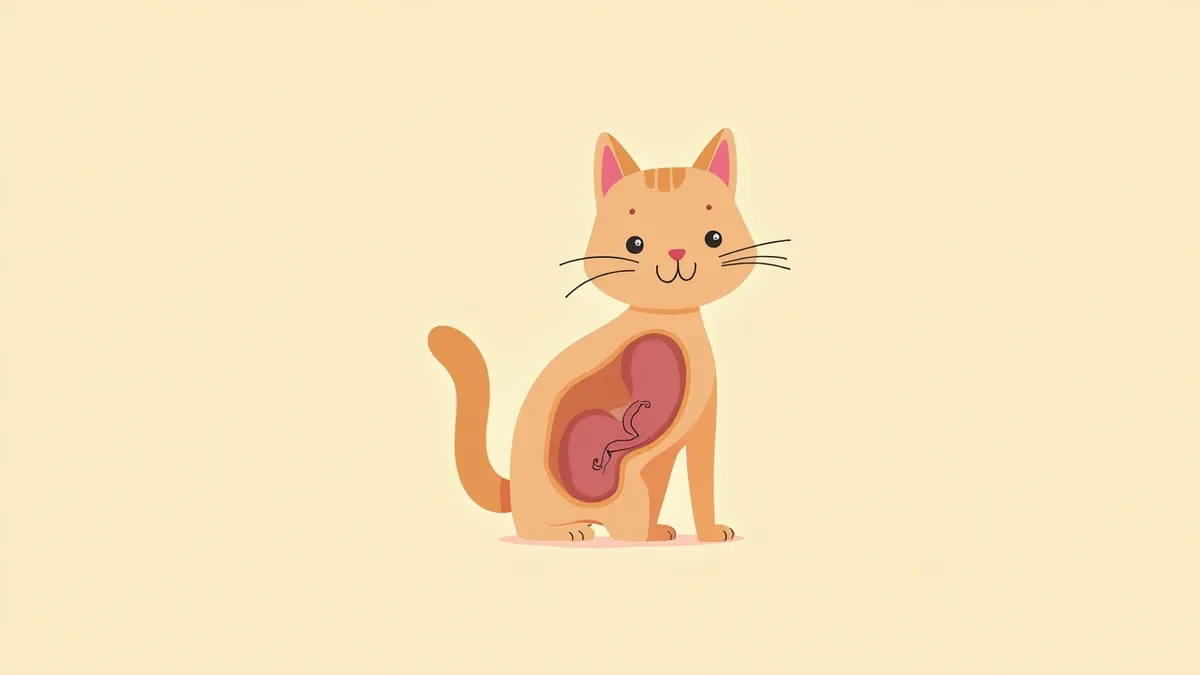
Why Do Cats Develop Pyelonephritis?

5 Main Symptoms of Pyelonephritis
Signs Requiring Immediate Veterinary Visit
If your cat shows fever, severe pain during urination, blood in the urine, or loss of appetite, take them to the vet immediately. These signs indicate that kidney function is deteriorating, and delayed treatment can lead to chronic kidney disease.
Diagnostic Tests for Accurate Diagnosis

Treatment Methods: A Step-by-Step Approach
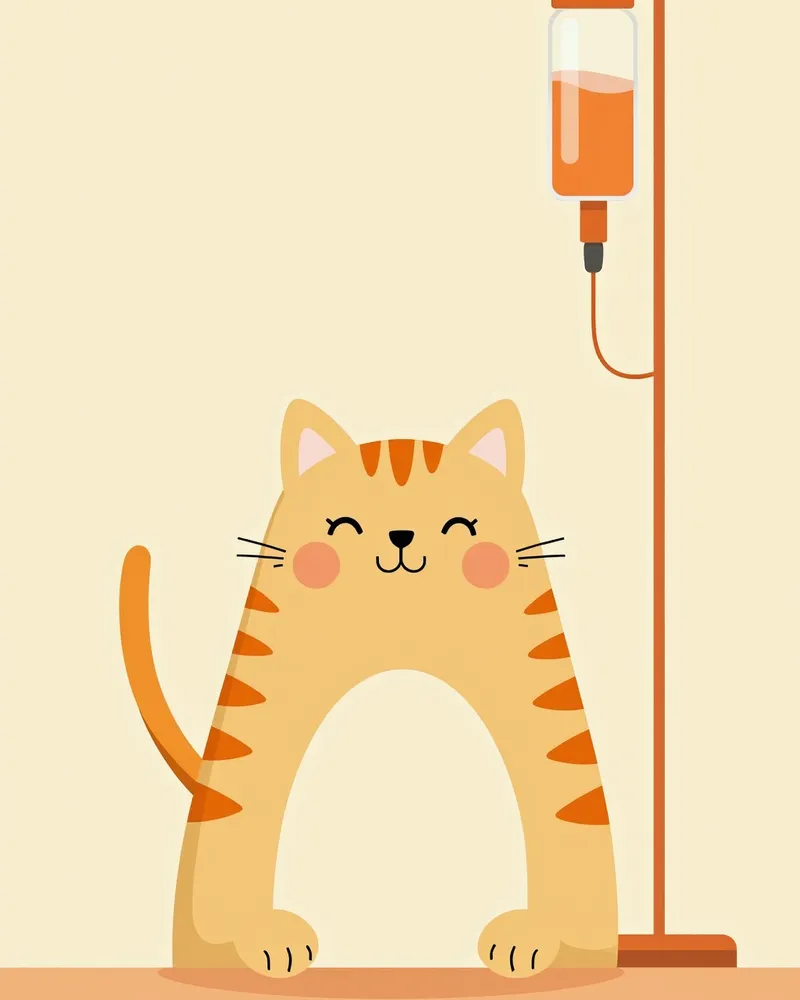
Home Care Management

Preventing Recurrence and Precautions
Pyelonephritis can recur, so regular check-ups are important even after treatment. In particular, if there is an underlying condition or suspected chronic kidney disease, it is advisable to adjust the frequency of check-ups based on your veterinarian’s judgment. Antibiotics must be administered exactly as prescribed by your veterinarian, adhering strictly to the correct dosage and duration. Be cautious, as stopping them arbitrarily or using them excessively can lead to antibiotic-resistant bacteria. Additionally, after treatment is complete, a follow-up urine culture is often recommended at the appropriate time to confirm that the infection has been fully resolved.
Comparison of Responses Based on Symptom Severity
| Item | Main symptoms | Management approach | Need for a veterinary visit |
|---|---|---|---|
| Mild | Increased urination frequency, slight pain when urinating or drowsiness | Encourage water intake, monitor daily | Decide on medication after consulting the veterinarian |
| Moderate | Fever, hematuria, decreased appetite, reduced activity | Consider antibiotics and supportive care after consulting the veterinarian | An immediate veterinary visit is recommended |
| Severe | High fever, lethargy, vomiting, inability to urinate, difficulty breathing | Emergency care is needed, including hospitalization and intravenous fluids | Immediate visit to an emergency hospital is required |
If symptoms worsen, kidney function damage can progress, so early intervention is important.
Reviewed by a veterinarian

Dr. Tony — Punnawat Phongkittirak
VeterinarianA veterinarian who majored in veterinary medicine at Khon Kaen University, Thailand, and completed the IVSA program at North Carolina State University in the United States. Drawing on clinical experience at animal hospitals, he works in the pet healthcare field and is dedicated to building a digital care environment that connects pet parents with veterinarians.
Reviewed 2026-06-29
Frequently Asked Questions
Can feline pyelonephritis be treated?
Is frequent urination in cats a sign of pyelonephritis?
Will my pet get sick again if I stop the antibiotics?
How can I encourage my cat to drink more water?
Do I need to give my pet medication for the rest of its life if it develops pyelonephritis?
Share
Related Guides

Top 5 Prescription Diets for Feline FLUTD — Comparison by Struvite and Calcium Oxalate Stones

Top 7 Prescription Diets for Feline Bladder and Urinary Tract Health Recommended by Veterinarians — Including Selection Criteria

Top 5 Cranberry Urinary Supplements for Dogs — Preventing Cystitis

Why Does My Dog Keep Barking? — Key Q&A on Causes and Solutions for Excessive Barking

Why Cats Get Stressed When a New Pet Arrives — Key Q&A

Why Does My Cat Keep Scratching? — Causes of Scratching and When to Intervene

Can My Dog Become an Assistance Dog? — Key Criteria for Qualification Assessment

How Many Days for a Food Transition? Step-by-Step Ratios and Schedules for 5, 7, and 10 Days

Safety Guide for Dog Fresh Food and Homemade Diets (From Nutritional Balance to Hygiene)

What Is a Veterinary Medical Consent Form? — A Guide to Owner Rights Before Surgery and Euthanasia
References
[1] Petersen-Jones SM, et al. (2019) Feline pyelonephritis: clinical features, diagnosis, and outcome in 47 cats. Journal of Feline Medicine and Surgery, 21(5), 421–428.
[2] Lloyd DH, et al. (2020) Urinary tract infections in cats: a review of pathogenesis, diagnosis, and management. Veterinary Clinics of North America: Small Animal Practice, 50(4), 673–690.
[3] Hosgood G, et al. (2021) Clinical management of feline urinary tract disease. In: Veterinary Internal Medicine: A Case-Based Approach. Wiley-Blackwell, pp. 189–210.