

Canine Lung Fluke FAQ — Key Information Every Pet Owner Should Know
Canine paragonimiasis is a lung disease caused by parasitic worms. Because the symptoms are often subtle, early detection can be challenging. We’ve compiled the essential information every pet owner should know.
What Are Canine Lung Flukes?
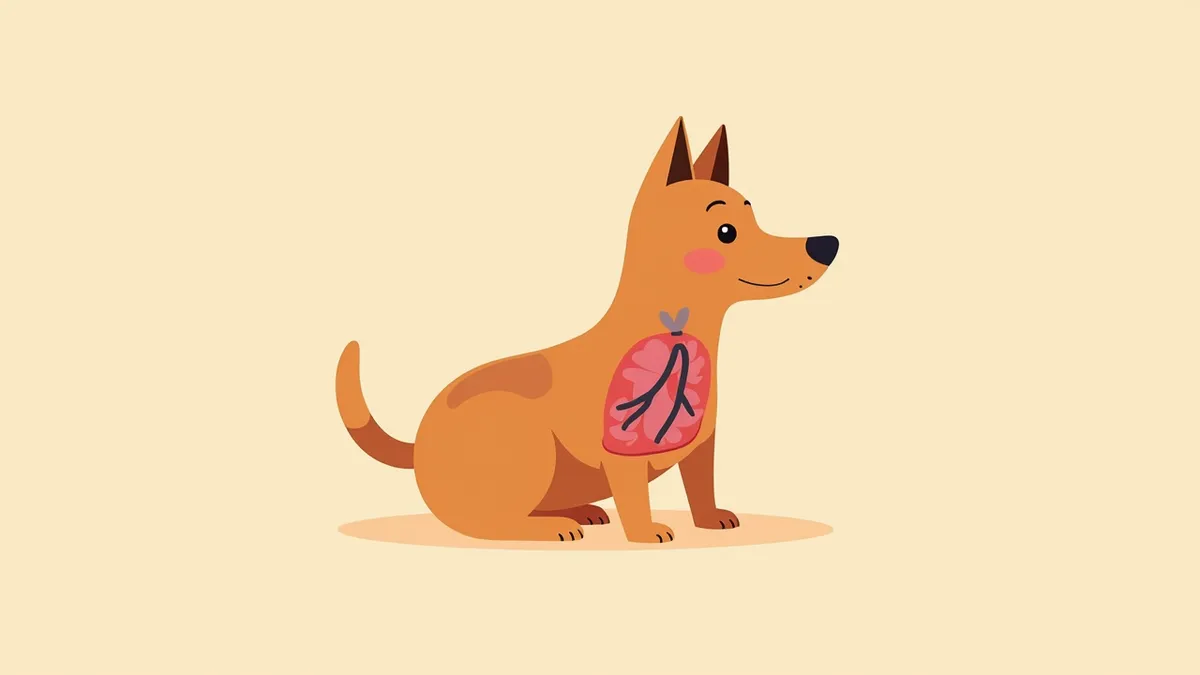
Why Are Canine Lung Flukes Dangerous?

How Does Infection Occur?

Symptoms by Infection Stage
| Item | Mild | Moderate | Severe |
|---|---|---|---|
| Cough frequency | Occasional | Daily | Persistent |
| Difficulty breathing | None | Mild | Severe |
| Weight change | Normal | Decreased | Rapid decrease |
| Activity level | Normal | Reduced | Lethargic |
The more severe the symptoms, the worse the treatment timing and prognosis. Early detection is important.
How Is It Diagnosed?

Signs Requiring Immediate Veterinary Visit
If your dog coughs repeatedly throughout the day or pants and struggles to breathe, take them to the vet immediately. Sudden weight loss or noticeable lethargy are also warning signs. Lung flukes create cysts in the lungs, damaging lung tissue, so early treatment is crucial for survival. Delayed treatment can make it difficult to restore lung function, and if the cysts rupture, it can lead to pneumothorax, so prompt action is essential.
What Are the Treatment Options?

Key Prevention Tips

Caution: Risk of Reinfection After Treatment
Even after treatment, your dog can become reinfected if exposed to the same environment. After completing treatment, prevent your dog from eating intermediate hosts such as crayfish or snails, and be cautious about where you walk. This is especially important near water bodies or wetlands where lung flukes are common; carefully assess the surroundings and consistently implement preventive measures. It is important to work with your veterinarian to develop a management plan to prevent reinfection.
Reviewed by a veterinarian

Dr. Tony — Punnawat Phongkittirak
VeterinarianA veterinarian who majored in veterinary medicine at Khon Kaen University, Thailand, and completed the IVSA program at North Carolina State University in the United States. Drawing on clinical experience at animal hospitals, he works in the pet healthcare field and is dedicated to building a digital care environment that connects pet parents with veterinarians.
Reviewed 2026-06-29
Frequently Asked Questions
Can dog lungworms be transmitted to humans?
What preventive medications are available?
Can my pet have lungworms if it’s only coughing?
How long does it take to recover after treatment?
Can my pet get lungworms while on a walk?
Share
Related Guides

5 Flea and Tick Preventives for Cats Recommended by Veterinarians — Ingredient Safety Comparison

The Ultimate Guide to Differentiating Symptoms, Managing Internal Parasites in Dogs, and Choosing the Best Products

Best Practices and Selection Criteria for Dog Heartworm Antigen Testing

Can Dogs Drink Coffee? — Caffeine Poisoning Symptoms and Weight-Based Dangerous Dosages

My Dog Ate Grapes or Raisins — Risk of Kidney Failure and the Emergency Golden Window

What Happens If a Dog Eats Onions? Symptoms and Emergency Response

Pet Wearable Technology: From Types to Selection Guide

Surgical Abbreviation Dictionary — Essential Abbreviations for Pet Owners
Lab Report Abbreviation Dictionary: How to Read Your Pet’s Test Results

How does the pet traffic accident compensation process work?
References
[1] L. A. M. et al. (2020). Canine Paragonimiasis: A Review of Clinical and Diagnostic Features. Veterinary Parasitology, 284, 109167.
[2] Kim, J. H. et al. (2018). Prevalence and Risk Factors of Paragonimus westermani Infection in Dogs in South Korea. Journal of Veterinary Science, 19(3), 321–328.
[3] Plumb's Veterinary Drug Handbook, 9th Edition. (2022). Wiley-Blackwell. Chapter on Antiparasitic Agents.