
How to Determine the Optimal Breeding Time for Dogs
The optimal time for breeding a dog is 2–3 days before and after ovulation during the second stage of estrus (the fertile period). You can accurately determine this timing by monitoring vulvar condition, changes in vaginal discharge, and progesterone levels.
How to Determine the Optimal Breeding Time for Dogs
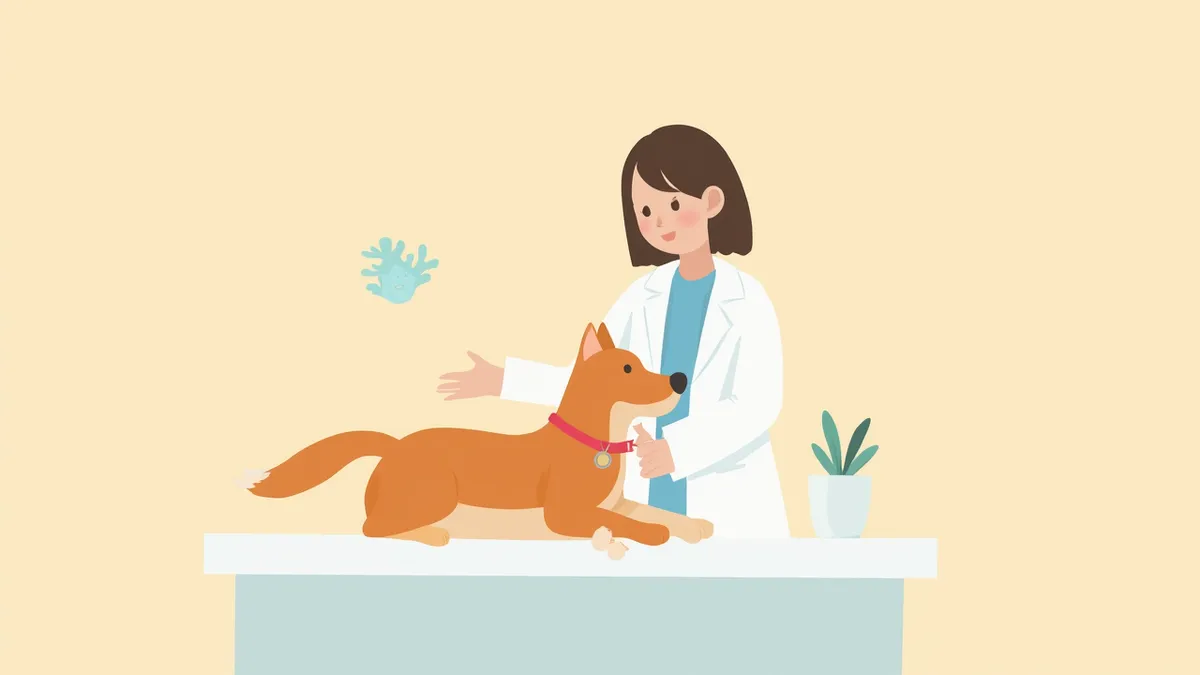
Understanding the Four Stages of the Estrous Cycle
Characteristics of Each Stage of the Estrous Cycle
| Item | Proestrus | Estrus | Diestrus | Anestrus |
|---|---|---|---|---|
| Duration | About 7–9 days | About 7–10 days | About 2 months | 3–4 months |
| Vulva Condition | Swollen and firm | Soft with reduced elasticity | Gradually returns to normal | Normal state |
| Bleeding Pattern | Bright red blood | Decreases in volume and lightens to pale pink | Gradually stops | None |
| Mating Possibility | Not possible | Possible (optimal time) | Not possible | Not possible |
| Male Response | Interested but rejected | Actively accepts | Rejects | Indifferent |
There is individual variation, so an accurate assessment requires a veterinary examination
Signs Indicating the Optimal Breeding Time
Confirming the Exact Ovulation Date with Progesterone Testing
Essential Checks Before Breeding
Avoid breeding during your female dog’s first heat cycle (typically at 7–9 months of age), as she is not yet physically or mentally mature, which significantly increases the risk of pregnancy and birthing complications. The second or third heat cycle (after 18 months of age) is generally more appropriate. Before breeding, it is essential to conduct a Brucella canis test, genetic disease screening, and a comprehensive health check. Breeding is not recommended for dogs with genetic conditions such as heart disease or hip dysplasia.
Post-Breeding Care and Pregnancy Confirmation
Cases Where Breeding Is Not Recommended
Not all dogs are suitable for breeding. In the following cases, you should consult with your veterinarian and carefully consider whether to proceed with breeding: First, dogs under two years of age or over seven years old. Second, dogs with heart, kidney, or endocrine diseases. Third, dogs with genetic skeletal conditions such as patellar luxation or hip dysplasia. Fourth, dogs with a history of dystocia or cesarean section in previous litters. Fifth, small-breed dogs with narrow pelvises. Forced breeding poses risks to both the mother and her puppies.
Reviewed by a veterinarian

Dr. Tony — Punnawat Phongkittirak
VeterinarianA veterinarian who majored in veterinary medicine at Khon Kaen University, Thailand, and completed the IVSA program at North Carolina State University in the United States. Drawing on clinical experience at animal hospitals, he works in the pet healthcare field and is dedicated to building a digital care environment that connects pet parents with veterinarians.
Reviewed 2026-04-20
Frequently Asked Questions
At what age can dogs begin breeding?
Does mating end once the bleeding stops?
How many times should I allow my pet to mate?
What tests should definitely be done before breeding?
Is it okay to breed a small dog with a large dog?
Share
Related Guides
Primary vs. Secondary Veterinary Hospitals: A Comparison
5 Easy-to-Raise Cat Breeds for First-Time Owners — Grooming Difficulty Comparison
Top 7 Short-Legged Dog Breeds

Canine Glomerulonephritis: Is Proteinuria the First Sign? — A Complete Guide to Symptoms, Treatment, and Prognosis
What is CKD palliative care for dogs? — How to maintain quality of life in the end stages
Will My Dog’s Kidney Disease Get Worse? — CKD Progression Monitoring Indicators and Testing Timing
What is Pyelonephritis in Dogs? — Bacterial Kidney Infection and Its Symptoms
My Dog Suddenly Stopped Urinating — Acute Kidney Injury (AKI) Q&A

What Are ACE Inhibitors and ARBs for Dogs? — Kidney Protection: What You Need to Know

What is a cat kidney ultrasound? — When and why is it needed?
References
[1] Feldman EC, Nelson RW. Canine and Feline Endocrinology and Reproduction, 4th ed. Saunders, 2015
[2] Johnston SD, Root Kustritz MV, Olson PN. Canine and Feline Theriogenology. Saunders, 2001
[3] Concannon PW. Reproductive cycles of the domestic bitch. Animal Reproduction Science, 2011