
The Complete Guide to IV Line Management
Here’s a step-by-step guide to safely managing IV fluid lines while your dog or cat is receiving fluids. It includes key checkpoints to prevent blockages, infections, and dislodgement.
What Is an IV Line?
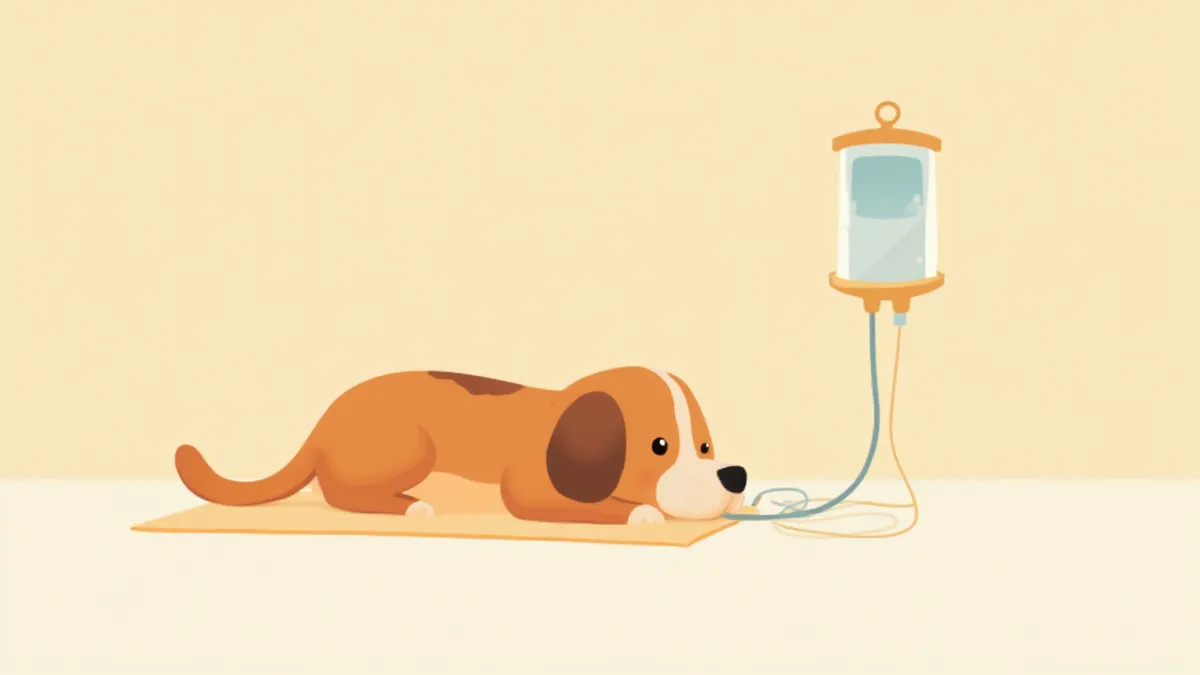
Why Is IV Line Management Challenging?
Normal vs. Abnormal Line Status at a Glance
| Item | Normal | Caution | Stop immediately |
|---|---|---|---|
| Catheter insertion site | Clean, dry | Slightly red | Swollen, warm, pus |
| Fluid drops | Steady rate | Rate slowing | Drops stopped |
| Inside the tube | Clear | Small amount of blood backflow | Full of clotted blood |
| Pet | Comfortable | Repeatedly scratching | Swollen foot, showing pain |
If you notice signs at the caution stage, notify your veterinarian immediately and take action according to their instructions
Key Points to Monitor at Home
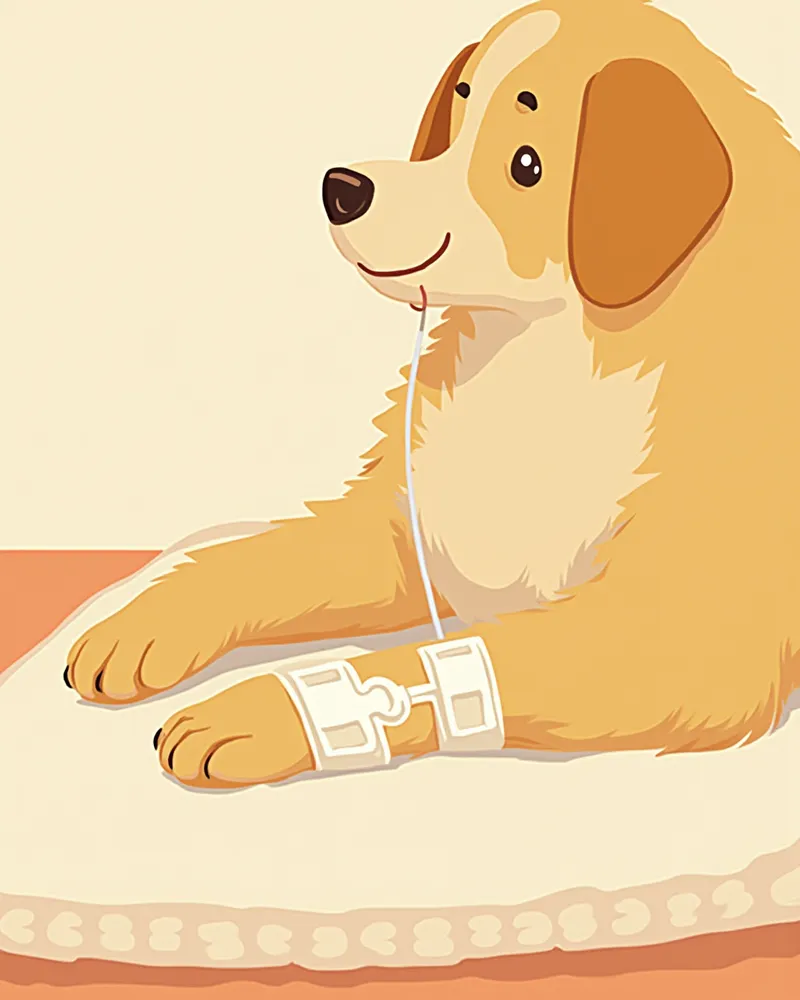
When to Contact Your Veterinarian Immediately
If you notice any of the following symptoms, please clamp the IV line and call your veterinarian immediately: 1) swelling at the catheter insertion site that feels either cold or hot to the touch; 2) a long air bubble in the IV line; 3) your pet crying out in pain or lifting a leg and refusing to put weight on it; 4) no IV fluid dripping for more than 10 minutes; 5) the catheter becoming dislodged and bleeding. In particular, warmth or pus at the insertion site are signs of infection, so do not delay seeking care.
Steps to Take If the Line Is Blocked
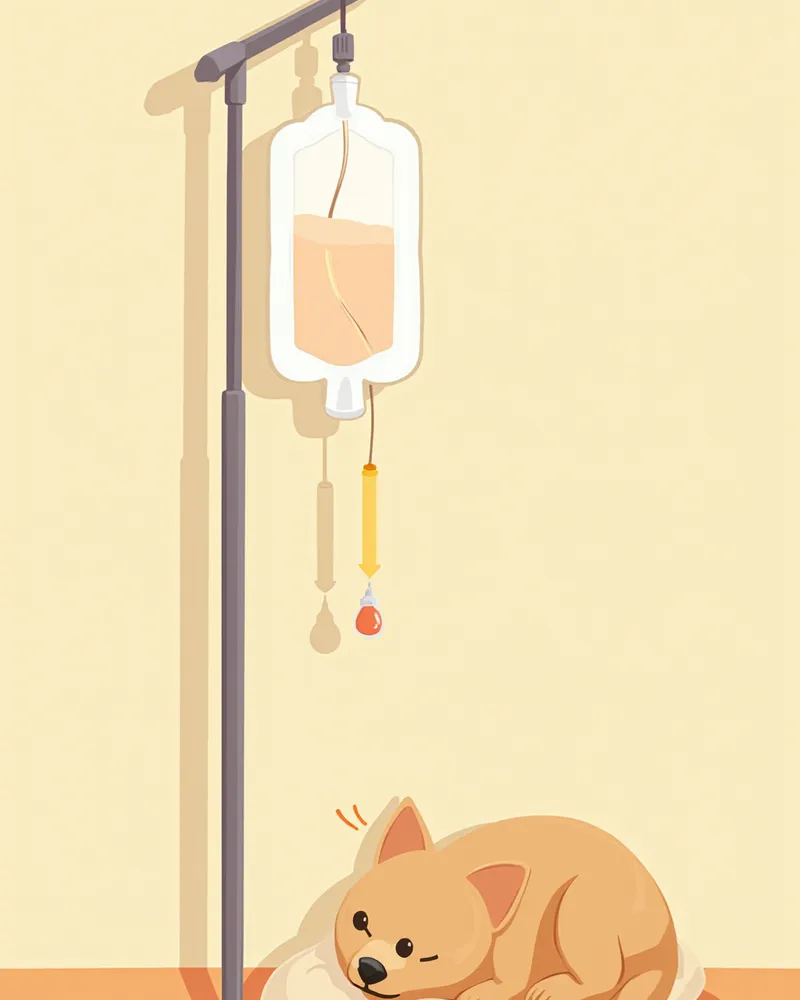
Hygiene Practices to Prevent Infection
Cats Require Extra Care to Prevent Catheter Dislodgement
Cats are flexible and may tug at IV catheters with their mouths or paws, so extra care is needed to prevent dislodgement. Whenever possible, keep your cat confined in a cage or small, secure space, and remove toys and jumping platforms during fluid therapy. Cats require precise IV management, so if the catheter comes out, do not attempt to reinsert it yourself—always have a veterinarian check and manage it.
Catheter Care After IV Fluids Are Completed
Reviewed by a veterinarian

Dr. Tony — Punnawat Phongkittirak
VeterinarianA veterinarian who majored in veterinary medicine at Khon Kaen University, Thailand, and completed the IVSA program at North Carolina State University in the United States. Drawing on clinical experience at animal hospitals, he works in the pet healthcare field and is dedicated to building a digital care environment that connects pet parents with veterinarians.
Reviewed 2026-04-26
Frequently Asked Questions
Can I feed my pet while it’s receiving IV fluids?
I see air bubbles in the IV line. Is that dangerous?
The drip rate has slowed down. Is it okay for me to adjust it?
Can I remove the IV needle at home after the fluid therapy is finished?
My pet chewed on the IV line. What should I do?
Share
Related Guides

Primary vs. Secondary Veterinary Hospitals: A Comparison

5 Easy-to-Raise Cat Breeds for First-Time Owners — Grooming Difficulty Comparison

Top 7 Short-Legged Dog Breeds

Long-Term Steroid Use in Dogs and Cats: Side Effects and Safe Management
How to Care for Drainage Tubes in Dogs and Cats
Suture Removal Timing and Precautions for Dogs and Cats
Types of Anesthesia for Dogs and Cats — Differences Between General, Regional, and Local Anesthesia
Why Fast Before Dog and Cat Surgery, and for How Long?
Canine MRI Interpretation and Indications
Basics of Reading Pet X-rays — An Imaging Test Guide for Pet Owners
References
[1] Silverstein DC, Hopper K, Small Animal Critical Care Medicine, 3rd Ed, Elsevier, 2023
[2] Creedon JMB, Davis H, Advanced Monitoring for Small Animal Emergency and Critical Care, 2nd Ed, Wiley, 2022
[3] DiBartola SP, Fluid, Electrolyte, and Acid-Base Disorders in Small Animal Practice, 4th Ed, Elsevier, 2012