
Frequently Asked Questions About Feline Penile and Ureteral Transplantation — Key Information for Pet Owners
Feline penile and ureteral transplantation is a major surgical procedure performed in cases at high risk of urinary tract obstruction. Here’s a summary of the essential information pet owners need to know.
What Is Feline Penile and Ureteral Transplantation?
Necessity of Surgery and Candidate Cats

Preoperative Preparation and Procedures
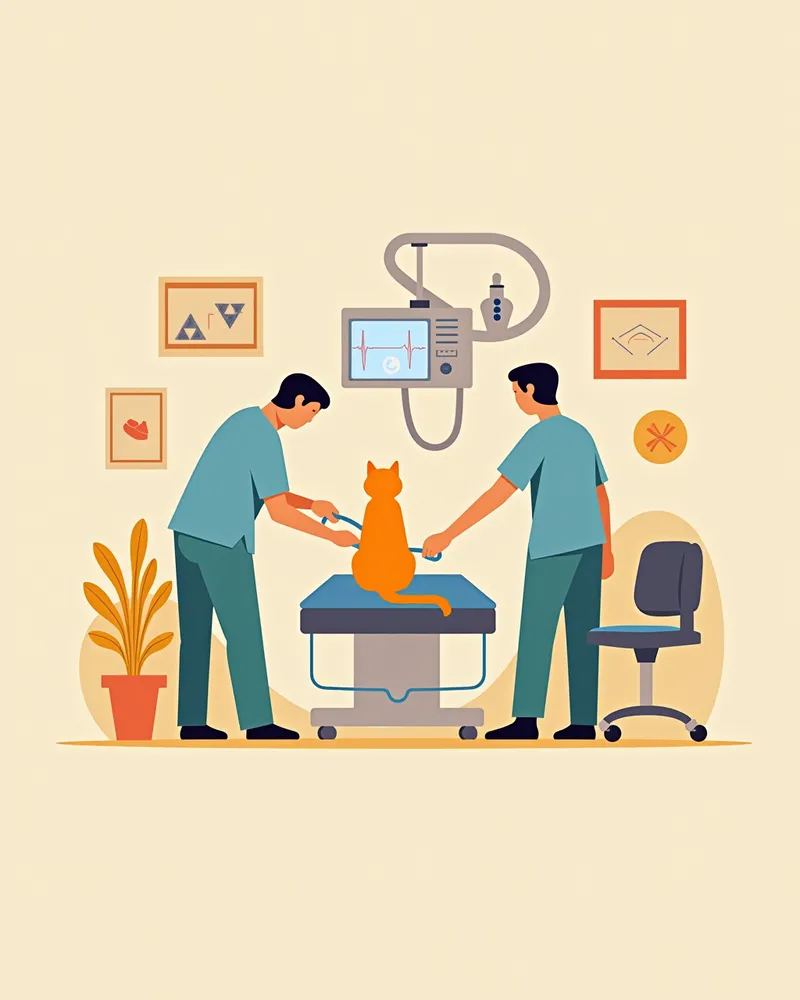
Postoperative Recovery and Care

Criteria for Immediate Veterinary Visit After Surgery
If your pet is unable to urinate at all, shows signs of pain while urinating, or exhibits vomiting, lethargy, or fever, contact your veterinarian immediately. These symptoms may indicate serious complications such as a surgical site infection, urinary tract obstruction, or internal bleeding.
Surgical Success Rates and Long-Term Management

Pre- and Postoperative Comparison: Key Changes and Management Points
| Item | Before surgery | After surgery |
|---|---|---|
| Urination status | Difficulty urinating, pain | Improved urine flow |
| Pain level | Severe | Mild pain, controlled with medication |
| Appetite | Decreased | Gradual recovery |
| Activity | Lethargic | Gradually able to resume daily activity |
The degree and timing of change vary from cat to cat, and outcomes depend on the severity of the obstruction, underlying kidney disease, and the surgeon's skill, with long-term data still limited.
Key Management Points Pet Owners Must Check
Reviewed by a veterinarian

Dr. Tony — Punnawat Phongkittirak
VeterinarianA veterinarian who majored in veterinary medicine at Khon Kaen University, Thailand, and completed the IVSA program at North Carolina State University in the United States. Drawing on clinical experience at animal hospitals, he works in the pet healthcare field and is dedicated to building a digital care environment that connects pet parents with veterinarians.
Reviewed 2026-06-29
Frequently Asked Questions
How long does it take to recover after surgery?
Can the ureter become blocked again after surgery?
How much does the surgery cost?
Can a cat experience a recurrence of urinary obstruction after surgery?
What are the care methods I can do at home after surgery?
Share
Related Guides

Top 5 Prescription Diets for Feline FLUTD — Comparison by Struvite and Calcium Oxalate Stones

Top 7 Prescription Diets for Feline Bladder and Urinary Tract Health Recommended by Veterinarians — Including Selection Criteria

Top 5 Cranberry Urinary Supplements for Dogs — Preventing Cystitis

What to Do If Your Dog Ingests Ibuprofen: Emergency Response for GI Bleeding and Kidney Failure

Rice-like Granules Around Your Dog’s Anus — Tapeworm Causes and When to Visit the Vet

Canine Mast Cell Tumor Treatment by Grade and Post-Operative Care — A Step-by-Step Guide for Pet Owners
Emergency First Aid for Cats Accidentally Treated with Dog Tick Medication (Pyrethrin) — Symptoms, Treatment, and Prognosis Overview
Feline Bladder Stones: Which Prescription Diet Is Right? — How Diets Differ by Stone Type

If Your Senior Cat Is Vocalizing at Night or Pacing — Symptoms and Management of Cognitive Dysfunction

What Is Dog Mange? — Demodex and Sarcoptic Mange Symptoms and Treatment
References
[1] Fossum TW. Preoperative and intraoperative care of the surgical patient. In: Fossum TW, Duprey LP, O’Connor D, editors. Small animal surgery. 3rd ed. Boston, MA: Elsevier; 2007.
[2] Hosgood G, Scholl DT. Evaluation of age as a risk factor for perianesthetic morbidity and mortality in the dog. J Vet Emerg Crit Care. 1998;8(3):222-36.
[3] Small Animal Anesthesia and Pain Management A Color Handbook, 3rd Edition. Elsevier; 2021.