
What is feline pheochromocytoma? — Warning signs and diagnosis of chromaffin cell tumors
Feline pheochromocytoma is a rare tumor that can cause serious hormonal imbalances. Early detection and appropriate treatment are key to improving survival rates.
What is feline pheochromocytoma (chromaffin cell tumor)?

Why is this tumor dangerous?
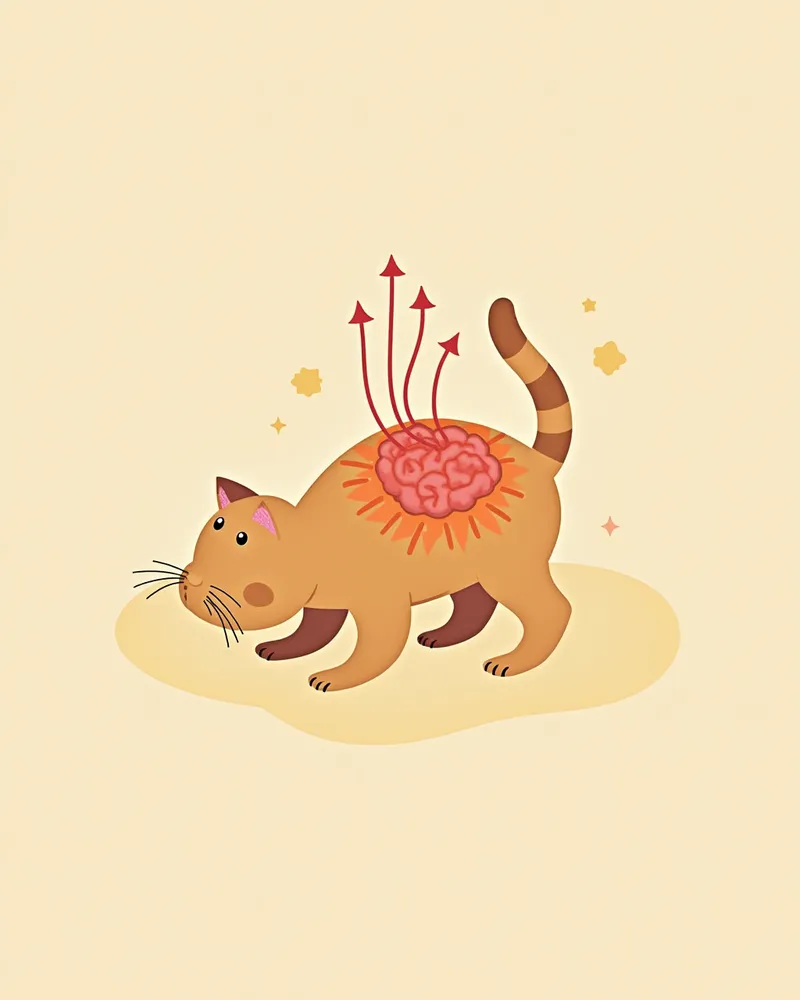
What are the main symptoms?

Signs requiring immediate veterinary visit
If your pet suddenly shows weakness or collapse, vision problems, seizures, rapid and labored breathing, or pale gums, seek veterinary care immediately. These signs may indicate an emergency caused by high blood pressure or excess catecholamines. Delaying treatment can be dangerous, so contact your veterinarian right away.
How is it diagnosed?

What are the treatment options?

How to manage at home

Comparison of responses by symptom stage
| Item | Main symptoms | Management | Emergency status |
|---|---|---|---|
| Mild | Anxiety, increased heart rate (tachycardia) | Regular checkups, reduce stress, consult a veterinarian | No |
| Moderate | Hypertension, loss of appetite, lethargy | Start blood pressure control medication, detailed testing | Warning |
| Severe | Retinal hemorrhage/vision abnormalities, weakness/collapse, rapid breathing | Visit the hospital immediately, consider surgery | Emergency |
Symptoms may appear and disappear in episodes, so if anything differs from normal, consult a veterinarian immediately. Prompt diagnosis and appropriate management help the prognosis.
Reviewed by a veterinarian

Dr. Tony — Punnawat Phongkittirak
VeterinarianA veterinarian who majored in veterinary medicine at Khon Kaen University, Thailand, and completed the IVSA program at North Carolina State University in the United States. Drawing on clinical experience at animal hospitals, he works in the pet healthcare field and is dedicated to building a digital care environment that connects pet parents with veterinarians.
Reviewed 2026-06-01
Frequently asked questions
Is feline pheochromocytoma treatable?
Is this type of tumor common in cats?
What is the survival rate after surgery?
Will medication alone be sufficient?
Is prevention possible?
Share
Related Guides

Top 5 Prescription Dog Foods for Diabetes Recommended by Veterinarians — Blood Sugar-Stabilizing Food Comparison

7 Key Products for Managing Feline Hypercalcemia Recommended by Veterinarians and Selection Criteria

7 Key Points for Canine Thyroid T4 Testing by Veterinarians — From Timing to Result Interpretation

The Ultimate Guide to Dog Café Etiquette

How to Teach Puppies to Greet Each Other — Safe Steps and Manners to Prevent Fights

The Complete Guide to Artificial Rearing of Newborn Puppies and Kittens (Formula, Intervals, Positioning)

The Ultimate Guide to Feline Parturition Preparation and Delivery Process

The Complete Guide to Preparing for Puppy Birth and the Labor Process

When Does a Cat’s Heat Cycle Begin? — Key Points on Breeding Timing and Estrus Signs

How to Determine the Optimal Breeding Time for Dogs
References
[1] Risbon RE, deLorimer LP, Skorupski K et al. (2006) Response of canine cutaneous epitheliotrophic lymphoma to lomustine (CCNU): a retrospective study of 46 cases (1999-2004). Journal of Veterinary Internal Medicine 20, 1389-1397.
[2] Ho NT, Smith KC and Dobromylsky MJ (2018) Retrospective study of more than 9000 feline cutaneous tumours in the UK: 2006-2013. Journal of Feline Medicine and Surgery 20, 128-134.
[3] Henry C and Herrera C (2013) Mast cell tumours in cats: clinical update and possible new treatment avenues. Journal of Feline Medicine and Surgery 15, 41-48.