
Frequently Asked Questions About Feline Leukemia Virus (FeLV) Vaccination — Key Information Pet Owners Must Know
We’ve compiled the most frequently asked questions from pet owners about the feline leukemia virus (FeLV) vaccine. We’ll provide thorough information on the importance of vaccination, the recommended timing, and potential side effects.
Why Is Feline Leukemia Virus (FeLV) Vaccination Important?
Background and Necessity of Vaccination

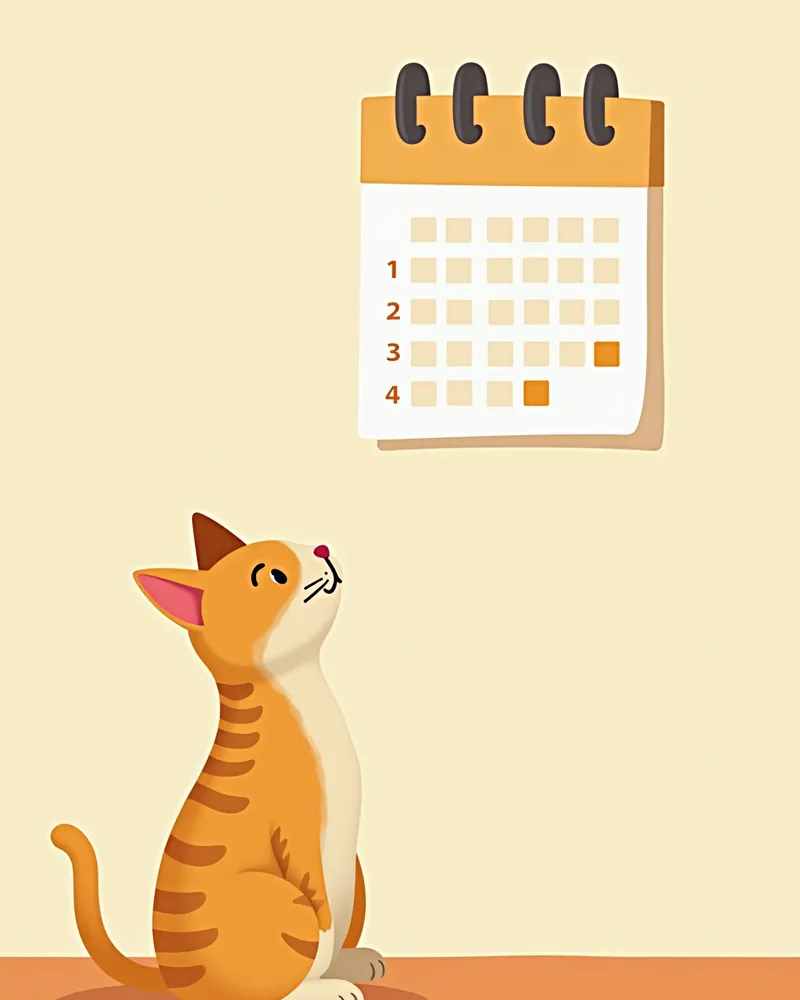
Vaccination Timing and Schedule

Comparison Table of Responses by Vaccination Stage
| Item | Vaccination Status | Precautions | Additional Recommendation |
|---|---|---|---|
| Kitten (8–16 weeks) | Recommended | High infection risk | Begin vaccination when maternal immunity wanes |
| Adult Cat (1–3 years) | Decide after risk assessment | Depending on frequency of going outdoors/contact | Decide on booster shot after consulting a veterinarian |
| Senior Cat (7 years or older) | Individual assessment needed | Check for underlying conditions | Decide after consulting a veterinarian |
Consider at least one vaccination for all cats, with additional vaccinations needed depending on the environment.
Precautions After Vaccination
Why Testing Is Essential Before Vaccination
Cats that receive regular check-ups and vaccinations tailored to their risk level are better protected against disease onset and transmission. - Immunity Duration: After the initial vaccination series, a booster shot is typically given about a year later. The interval for subsequent revaccinations varies depending on the cat’s infection risk and the type of vaccine, so consult your veterinarian to determine the appropriate schedule. - Long-term Benefits: Vaccinations help reduce the risk of infection and contribute to the overall health of your cat. - Infection Prevention: By reducing the spread of viruses, vaccinations help protect other cats living in the same household from becoming infected. - Key to Health Management: Maintaining proper vaccination schedules according to your veterinarian’s guidance helps reduce long-term medical burdens and complications. - Medical Recommendation: Developing a customized vaccination plan based on your veterinarian’s assessment is the safest and most effective approach.
Vaccination Efficacy and Duration of Immunity
Frequently Asked Questions About Vaccination
Reviewed by a veterinarian

Dr. Tony — Punnawat Phongkittirak
VeterinarianA veterinarian who majored in veterinary medicine at Khon Kaen University, Thailand, and completed the IVSA program at North Carolina State University in the United States. Drawing on clinical experience at animal hospitals, he works in the pet healthcare field and is dedicated to building a digital care environment that connects pet parents with veterinarians.
Reviewed 2026-06-29
Frequently Asked Questions
When should kittens start receiving vaccinations against feline leukemia virus (FeLV)?
What are the possible side effects after vaccination?
My cat is an indoor cat. Does it still need vaccinations?
Why are pre-vaccination tests essential?
How long does immunity last after vaccination?
Share
Related Guides

Top Recommendations and Selection Criteria for Cat FIV and FeLV Testing
Top Microchip Implantation Management Recommendations for Dogs and Key Selection Criteria

Complete Guide to Choosing, Comparing, and Managing the Best Heartworm Preventives for Dogs
My Dog Is Too Excited — Causes and Management of Overexcitement and Impulse Control Issues Q&A

What are indoor elimination accidents in dogs? — Why do they recur and how can they be corrected?

My puppy growls while guarding his food bowl — is this normal?

If Your Dog Is Anxious After Moving — How to Reduce Environmental Change Stress
Why Is My Puppy Eating Poop? — Q&A on Coprophagia Causes and When to See the Vet

Why Does Your Dog Tremble in the Car? — Causes of Car Anxiety and Motion Sickness, and Adaptation Training

What is dog pheromone therapy? — A guide to calming puppy anxiety and usage instructions