
How Much Treats Per Day? — The 10% Calorie Rule and How to Calculate It Correctly
The 10% rule for treat calories is a nutritional guideline that limits treats to no more than 10% of your pet’s total daily caloric intake. We’ve outlined how to calculate this based on body weight and provide practical portion sizes.
What Is the 10% Rule for Treat Calories?

Why 10%? Veterinary Evidence
Daily Treat Calorie Allowance by Weight
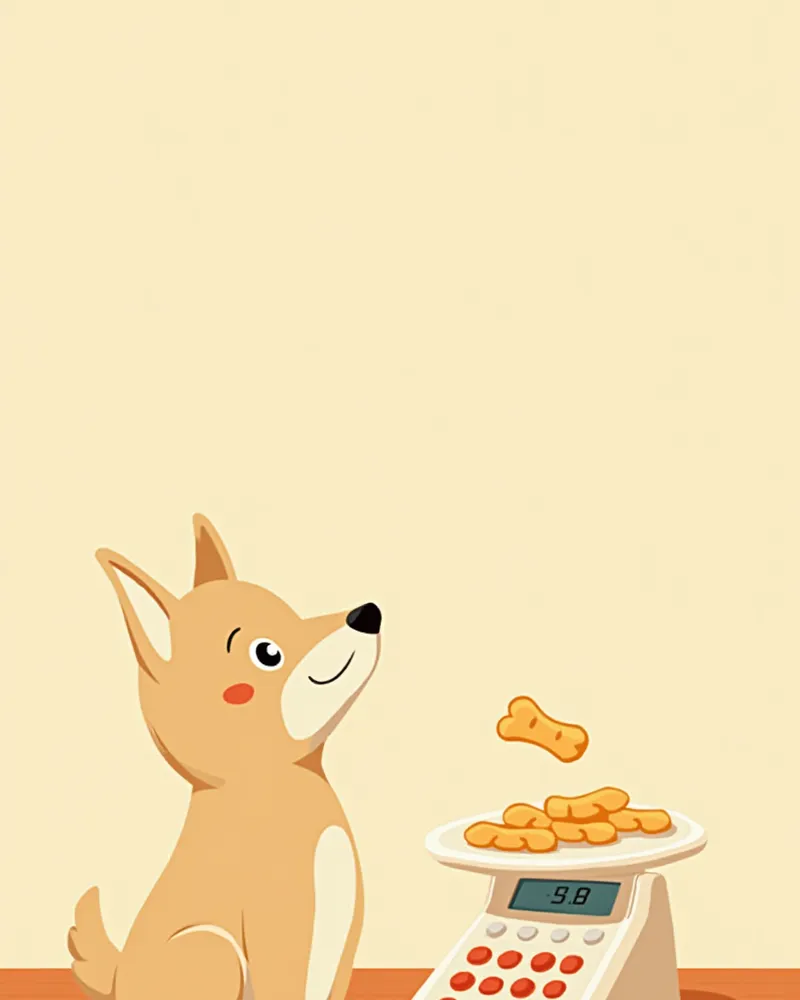
10% Treat Guideline Based on Total Daily Calories by Weight
| Item | Total daily calories (dog) | 10% treat limit (dog) | Total daily calories (cat) | 10% treat limit (cat) |
|---|---|---|---|---|
| 2kg | approx. 170 kcal | approx. 17 kcal | approx. 130 kcal | approx. 13 kcal |
| 5kg | approx. 350 kcal | approx. 35 kcal | approx. 250 kcal | approx. 25 kcal |
| 10kg | approx. 590 kcal | approx. 59 kcal | ||
| 15kg | approx. 800 kcal | approx. 80 kcal | ||
| 20kg | approx. 990 kcal | approx. 99 kcal |
These are estimates based on a neutered, indoor lifestyle. Confirm exact values with the feeding guide on the food packaging or by consulting a veterinarian.
How to Check Treat Calories
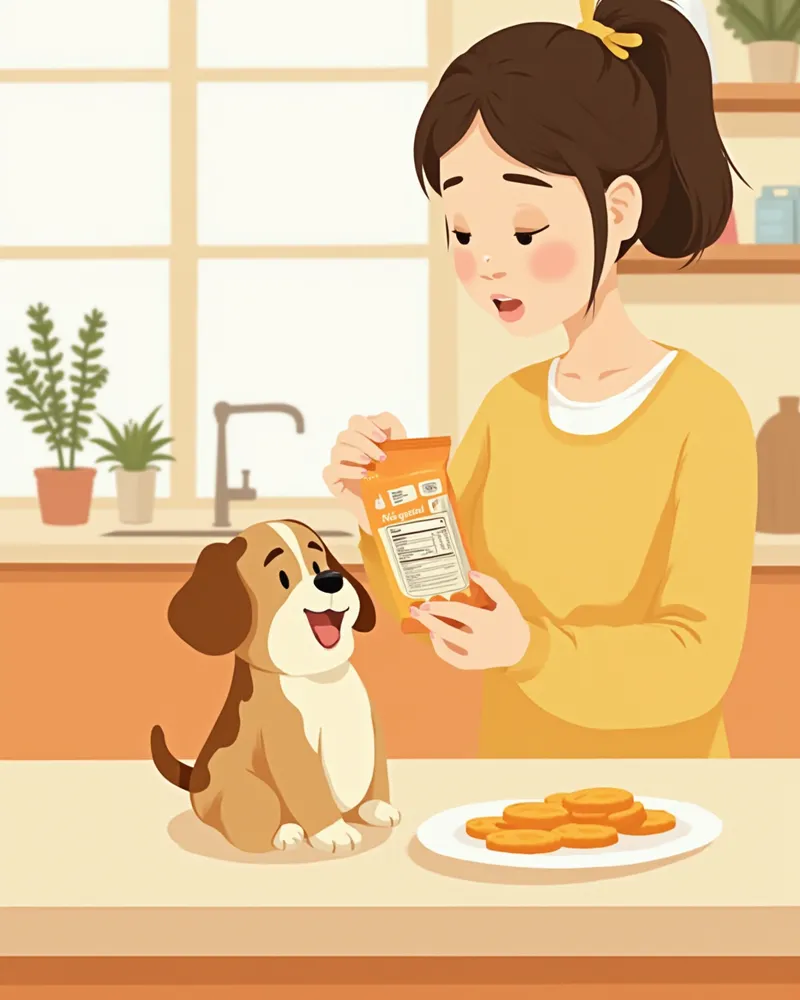
When to Reduce or Eliminate Treats
If your pet is already overweight or has underlying conditions such as diabetes, pancreatitis, or kidney disease, stricter management than the 10% rule is necessary. In cases where obesity has been diagnosed, you should significantly reduce or temporarily eliminate treats, and adjust the amount of main meals accordingly to achieve weight loss. Specific calorie goals and treat allowances must be determined through consultation with a veterinarian, tailored to your pet’s individual condition. Always consult your veterinarian before selecting treats for pets with underlying health issues.
Practical Tips for Managing Treat Calories

The 10% Rule Is Stricter for Cats
Human Food Counts Toward Calorie Intake
Even a single piece of candy dropped by the owner or a bite of meat shared from the dinner table counts toward your pet’s daily calorie intake. Human foods contain significantly higher levels of salt, sugar, and fat, so even at the same calorie count, they place a much greater burden on pets. As a general rule, avoid feeding any human foods known to be harmful to pets—such as chocolate, onions, and grapes—unless specifically directed by a veterinarian, even if you’re following the 10% rule. Always choose treats made exclusively for pets.
Reviewed by a veterinarian

Dr. Tony — Punnawat Phongkittirak
VeterinarianA veterinarian who majored in veterinary medicine at Khon Kaen University, Thailand, and completed the IVSA program at North Carolina State University in the United States. Drawing on clinical experience at animal hospitals, he works in the pet healthcare field and is dedicated to building a digital care environment that connects pet parents with veterinarians.
Reviewed 2026-04-27
Frequently Asked Questions
The calorie content isn’t listed on the food packaging. How do I calculate it?
I give treats frequently during training, and they make up more than 10% of my pet’s daily caloric intake. What should I do?
Is it okay if low-calorie treats make up more than 10% of my pet’s daily calorie intake?
Is it okay for dogs and cats to share treats when they live together?
Is it healthier to not give treats at all?
Share
Related Guides
My Senior Cat Won’t Eat — A Complete Guide to Choosing Food for Cats with Weak Digestion
Top 5 Prescription Diets for Feline Pancreatitis Recommended by Veterinarians — Low-Fat, Highly Digestible Food Guide

Royal Canin vs Hill’s vs Purina vs Orijen — Which Brand Is Right for Your Pet, According to Veterinarians?
What Is Oven-Baked Pet Food? Pros, Cons, and Selection Criteria

Pros and Cons of Raw Diets for Dogs and Precautions
Guide to Choosing Puppy Food and Feeding Amounts

The Ultimate Guide to Choosing Cat Food: A Comprehensive Overview by Age and Body Type
The Complete Guide to Stages 1–4 of Patellar Luxation in Dogs

Symptoms and Management of Canine Bronchial Disease

Cruciate Ligament Rupture in Dogs: Symptoms and Rehabilitation Guide
References
[1] Small Animal Clinical Nutrition, 5th Edition, Hand et al., Mark Morris Institute, 2010
[2] Nutrient Requirements of Dogs and Cats, National Research Council (NRC), 2006
[3] AAHA Weight Management Guidelines for Dogs and Cats, Brooks et al., 2014