

Where is stem cell therapy used for dogs and cats? A complete overview of applications
Here’s a clear, easy-to-understand overview of the main uses, benefits, limitations, and treatment process of stem cell therapy for dogs and cats, explained from a pet owner’s perspective.
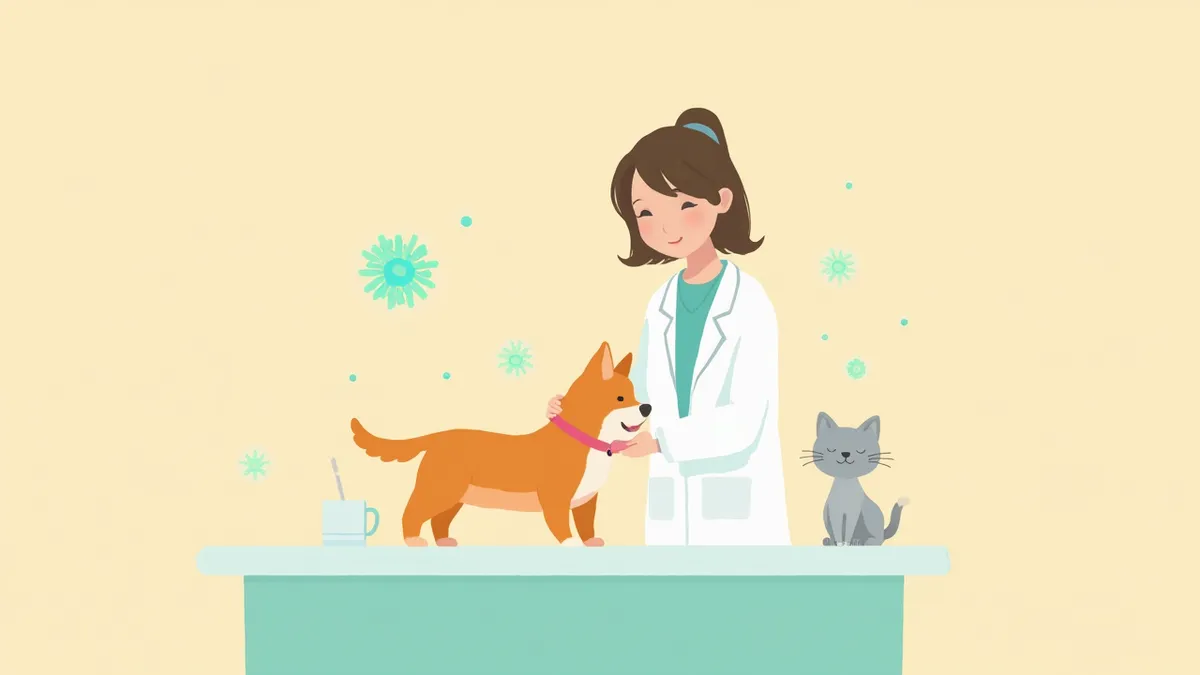
What is stem cell therapy? Where is it used?
How do stem cells produce therapeutic effects?
Summary of stem cell therapy applications by field
| Item | Osteoarthritis | Chronic kidney disease | Atopic dermatitis |
|---|---|---|---|
| Main route of administration | Intra-articular injection | Intravenous (systemic) injection | Intravenous/subcutaneous injection |
| Level of evidence | Research stage (potential reported) | Insufficient evidence | Insufficient evidence |
| Re-administration interval | No standard interval established (veterinarian's judgment) | No standard interval established (veterinarian's judgment) | No standard interval established (veterinarian's judgment) |
| Expected effect | Possible pain and function improvement (research stage) | Possible kidney function protection (research stage) | Adjunctive support through immune modulation (research stage) |
May vary depending on the clinic and the patient's condition. Always consult your attending veterinarian.
Joint diseases — the most commonly used area
What to check before treatment
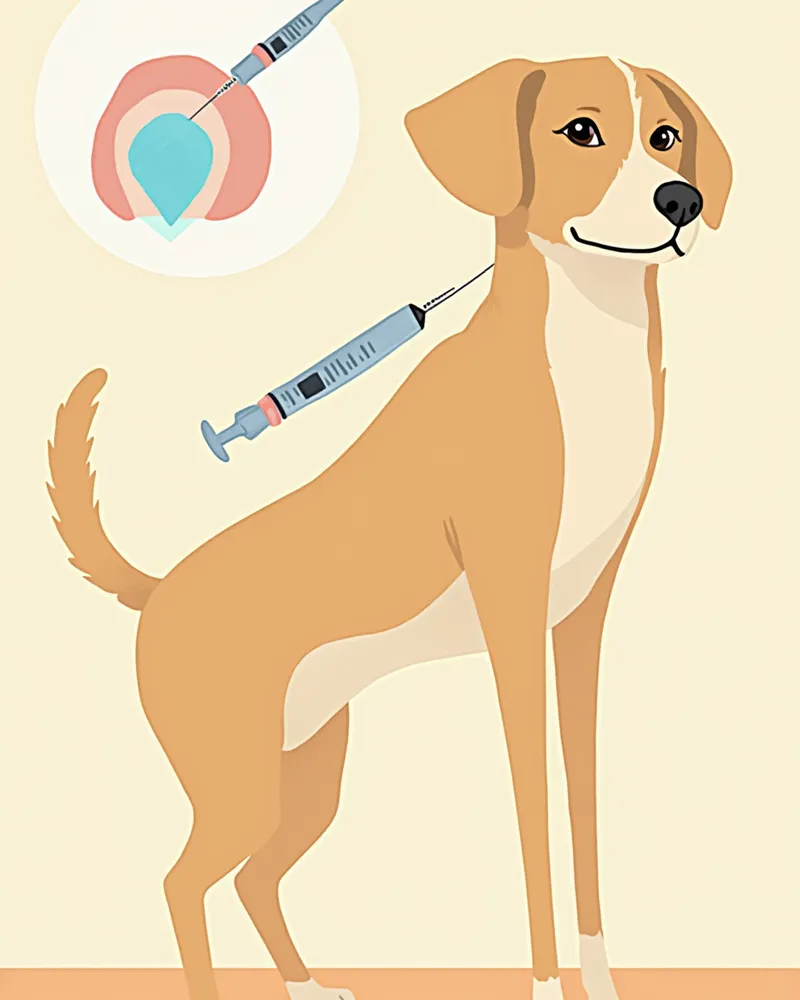
Stem cell therapy is not yet a fully standardized treatment. Because cell culture and storage methods vary from clinic to clinic, outcomes can differ significantly. It is contraindicated in pets with tumors, as it carries the risk of stimulating tumor cell proliferation. Before treatment, ensure your pet undergoes tumor screening and basic blood and imaging tests, and verify that the clinic provides quality data such as cell count and viability.
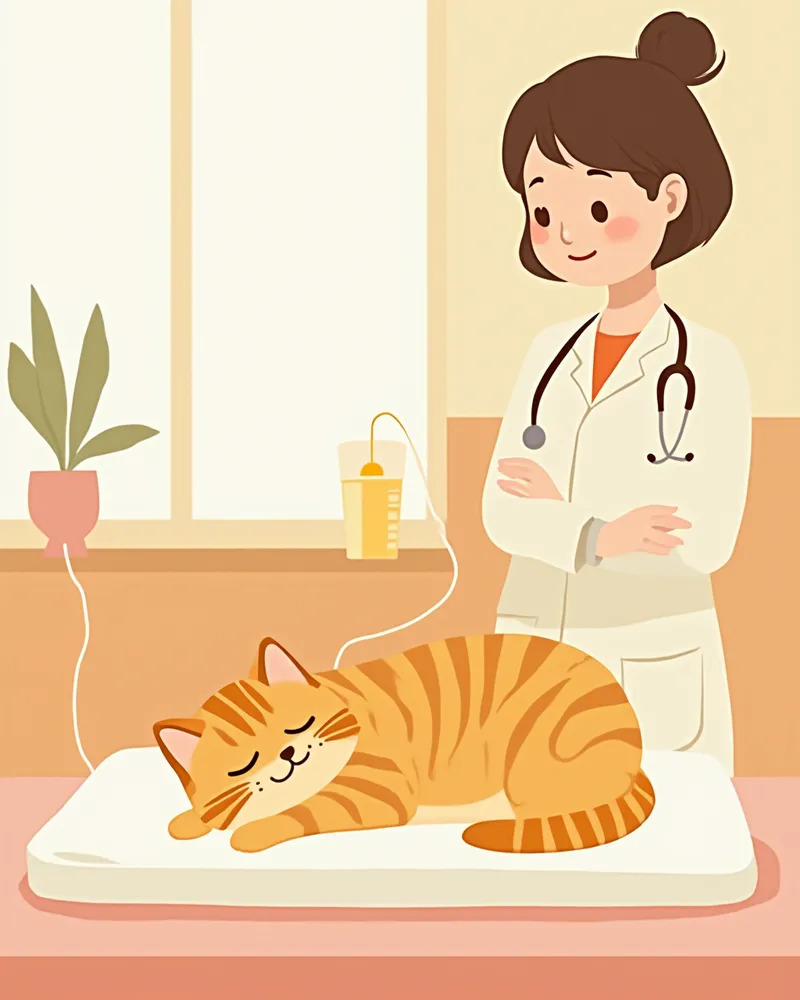
Applications beyond joints — kidney, skin, and immune diseases
What is the treatment process and cost?
Reviewed by a veterinarian

Dr. Tony — Punnawat Phongkittirak
VeterinarianA veterinarian who majored in veterinary medicine at Khon Kaen University, Thailand, and completed the IVSA program at North Carolina State University in the United States. Drawing on clinical experience at animal hospitals, he works in the pet healthcare field and is dedicated to building a digital care environment that connects pet parents with veterinarians.
Reviewed 2026-04-29
Frequently asked questions
Is a single stem cell treatment session enough?
Are there any side effects?
Can cats receive it too?
Can stem cells alone provide a complete cure?
Can older pets receive it as well?
Share
Related Guides

Top 5 Patellar Support Braces for Dogs — Stage-by-Stage Size Guide

Curcumin Efficacy and Anti-inflammatory/Joint Support

Top 5 Recommended Joint Supplements for Dogs in 2026

Why Is Giving Eye Drops to My Dog So Hard? — Administration Techniques That Work Even for Resistant Puppies

If Your Dog Keeps Rubbing Their Eyes — Causes of Entropion and Surgical Timing

What Are Diabetic Cataracts in Dogs? — What Signs Appear Before Vision Loss

If Your Dog Can’t Keep Its Eyes Open — Causes of Corneal Ulcers and When to Visit the Vet

If You Suspect Your Dog’s Eye Has Perforated — Emergency Signs of Corneal Perforation and When to Seek Immediate Veterinary Care

What Is Canine Corneal Edema? — Causes of Cloudy Eyes and When to Visit the Vet

Frequently Asked Questions About Canine Conjunctivitis — Key Information for Pet Owners
References
[1] Textbook of Veterinary Orthopaedic Surgery — Stem Cell Biology and Regenerative Medicine
[2] Therapeutic Strategies in Veterinary Oncology — Cellular Therapy Considerations
[3] Handbook of Veterinary Pharmacology — Biologics and Regenerative Agents
[4] Fundamentals of Veterinary Clinical Pathology 3rd Edition — Mesenchymal Cell Lineage