Like
Share
멍실장
다묘 가정 영역 분리, 어떻게 해야 할까요?

How to Separate Territories in a Multi-Cat Household?

ImmunityQ&AMeongsiljang Veterinary Advisory Board

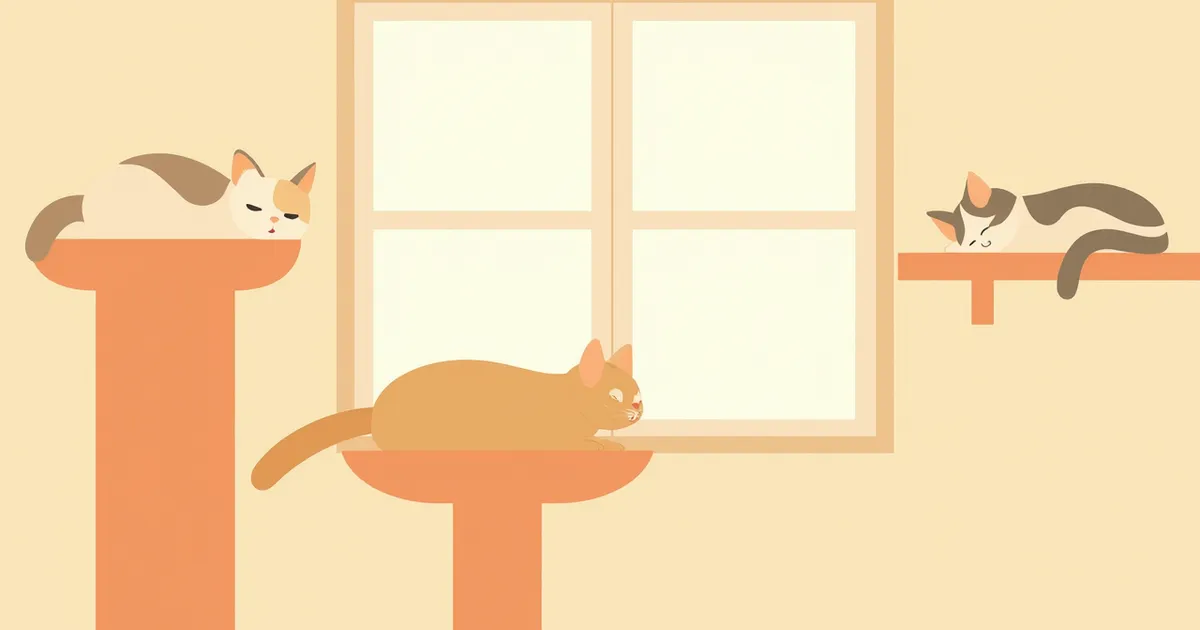
When multiple cats share a home, separating their territories is essential to reduce stress and conflict. Here’s a practical guide to dispersing key resources and making the most of vertical space.

What Is Territory Separation in a Multi-Cat Household?
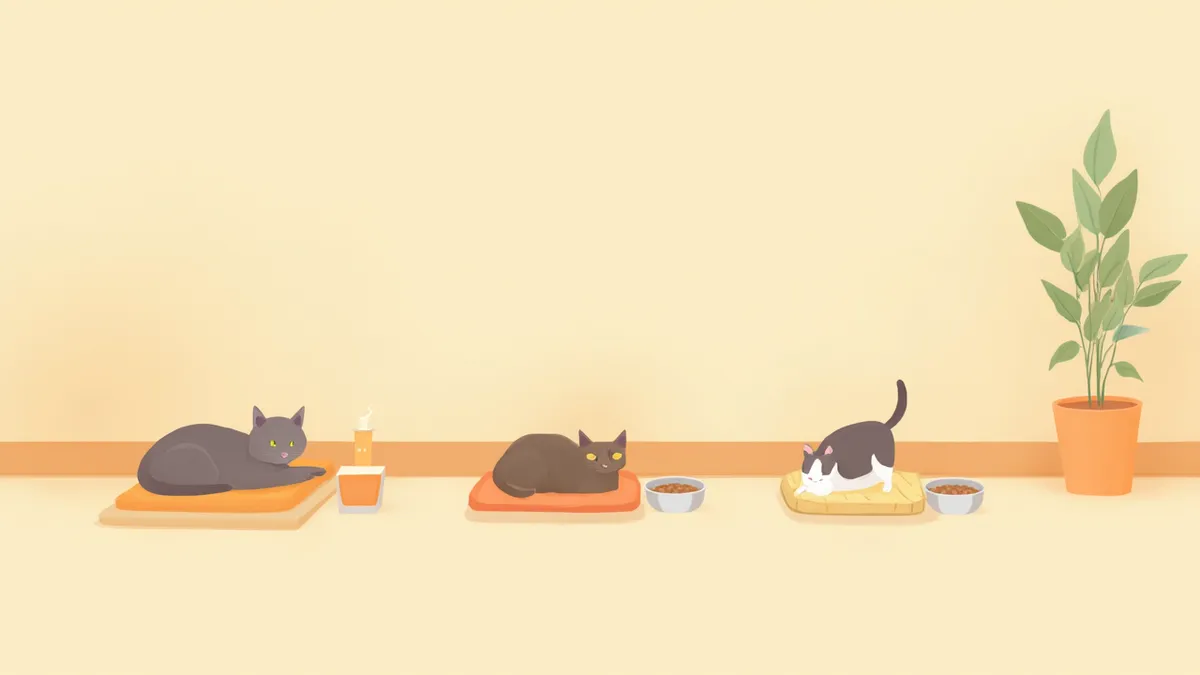
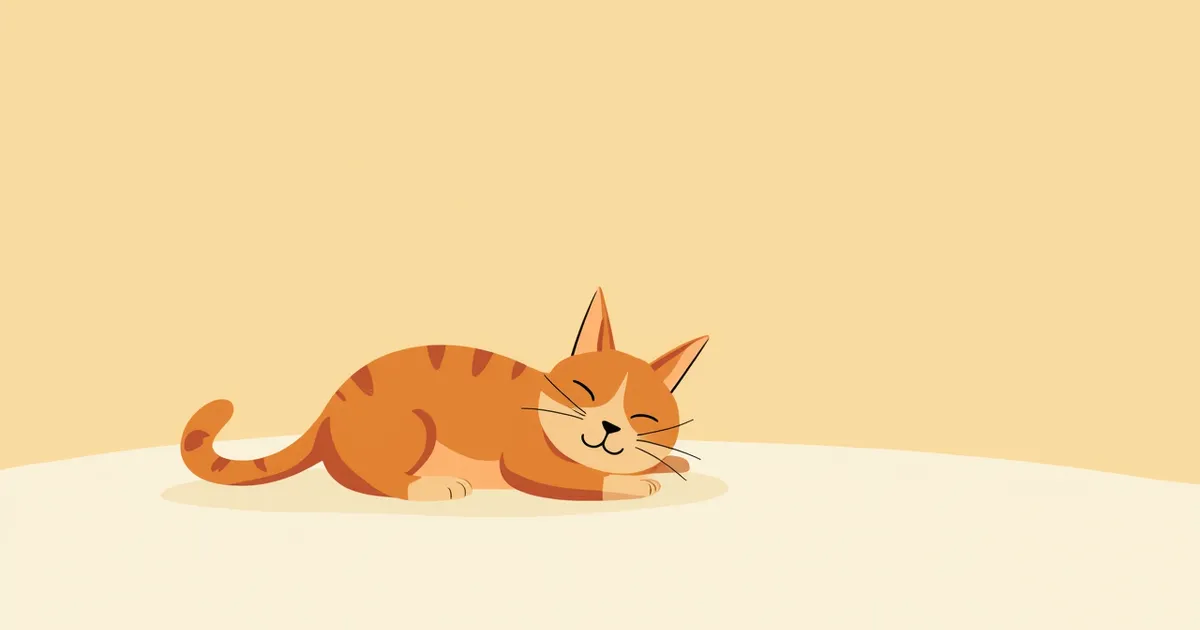
Two cats resting comfortably in their own spaces
In multi-cat households, area separation is a management approach that ensures each cat has independent access to resources and space. The key is resource distribution. Cats are not animals that resolve conflicts through hierarchy; rather, they divide space to avoid encountering one another. If food, water, litter boxes, and resting areas are not separated, chronic stress can accumulate, potentially leading to immune-related issues such as cystitis and overgrooming.

Why Is Territory Separation Necessary?

Cats are solitary hunters and feeders by nature. According to veterinary behavioral science textbooks, cats tend to avoid situations where they encounter other cats competing for the same resources, rather than resolving conflicts through social hierarchies within a group. In particular, cats can become stressed when other cats are nearby during mealtime. Therefore, if multiple cats live in a small home and share a single food bowl and litter box, one cat may be silently enduring stress even if everything appears calm on the surface. This chronic tension can lead to feline idiopathic cystitis, changes in appetite, and weakened immunity.

Minimum Resource Counts by Key Resource

Many veterinary behavior guidelines recommend providing more resources than the number of cats in a multi-cat household, and distributing them across different locations. This is because competition over limited resources can itself be a source of conflict. Check the table below to see how many resources your home needs.

Resource Placement Guidelines by Number of Cats

Item2 cats3 cats4 cats
Litter boxes345
Food bowls345
Water bowls3 or more4 or more5 or more
Resting spaces (hideaways)2–33–44–5
Vertical space (cat tower)22–33

The key is to distribute resources across different rooms and spaces so they are out of sight of one another. In particular, it's best to place the litter box away from the food, water, and resting areas.

Common Pitfalls in Resource Placement
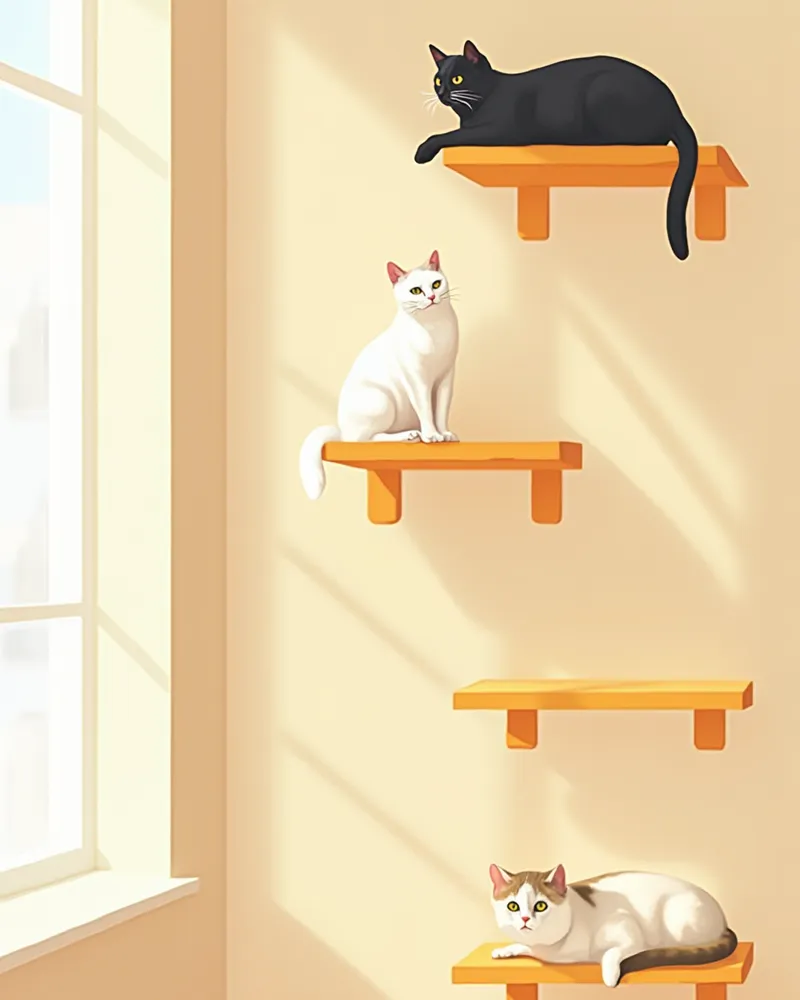
It’s not enough to simply meet the recommended number of litter boxes; their placement is even more critical. - Avoid visual barriers: If you place two litter boxes side by side, your cat may perceive them as a single box. Always position them in separate rooms or distinct areas. - Separate traffic flows: Keep food and water bowls well away from the litter boxes. Avoid creating chokepoints where one cat must pass through another’s resource area to access its own. - Utilize vertical space: Cat trees and wall shelves serve as safe havens for timid cats. Even in limited floor space, you can divide territory vertically.
Two cats resting at different heights on a wall shelf and a cat tower

Signs That Territory Separation Is Insufficient

If any of the following apply, it’s time to reassess how resources are distributed: - One pet urinates outside the litter box, on bedding, or on carpets. - One pet consistently lags behind during mealtime. - A specific pet exhibits overgrooming, such as excessive belly licking or hair pulling. - There is blood in the urine, frequent straining to urinate, or assuming a urination posture without producing urine (especially in males—seek veterinary care immediately). - When encountering each other, pets display puffed tails or snapping that persists for more than a week.

Steps for Introducing a New Cat
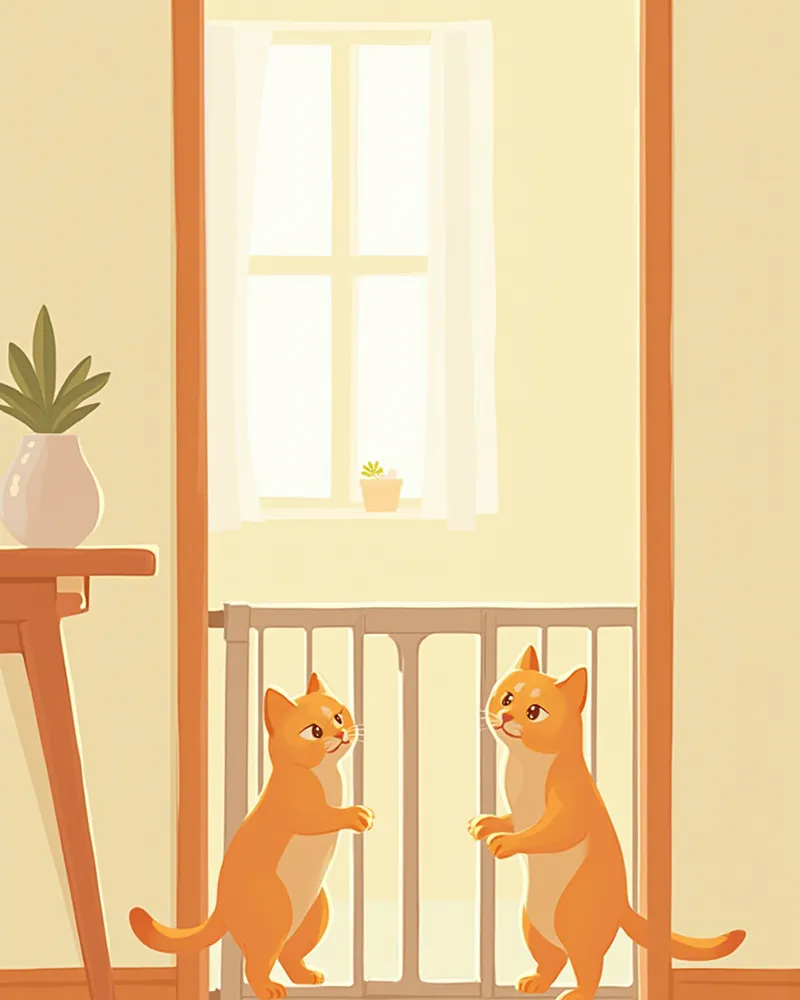
When introducing a new cat to a home with an existing cat, gradually integrate them over a period of at least 2 to 4 weeks. - Step 1 (3–7 days): Keep the new cat completely isolated in a separate room, allowing only scent exchange under the door. - Step 2 (3–7 days): Swap blankets and toys between the cats to help them become accustomed to each other’s scents. - Step 3 (3–5 days): Begin visual exposure through a cracked door or baby gate. Use treats on both sides of the barrier to create positive associations, but do not feed them directly facing each other, as the presence of another cat can cause stress during meals. - Step 4: Start with short face-to-face meetings (5–10 minutes). If no signs of conflict appear, gradually increase the duration.
Two cats observing each other from behind a safety gate

The Impact of Territory Separation on Immune Health

Chronic social stress directly impacts a cat's immune system. According to veterinary internal medicine textbooks, long-term stress increases cortisol secretion, raising the incidence of immune-related conditions such as feline idiopathic cystitis (FIC), recurrent stomatitis, and reactivation of upper respiratory infections. In multi-cat households, the "quiet cat" is often the most stressed, so please review resource allocation even if the environment appears peaceful on the surface.

Reviewed by a veterinarian

Dr. Tony — Punnawat Phongkittirak

Dr. Tony — Punnawat Phongkittirak

Veterinarian

A veterinarian who majored in veterinary medicine at Khon Kaen University, Thailand, and completed the IVSA program at North Carolina State University in the United States. Drawing on clinical experience at animal hospitals, he works in the pet healthcare field and is dedicated to building a digital care environment that connects pet parents with veterinarians.

Frequently Asked Questions

Is it possible to separate territories for multiple cats even in a one-room apartment?
Yes, it’s possible. Even if the floor space is limited, you can divide the area by utilizing vertical spaces such as wall shelves, cat trees, and the tops of bookcases. It’s best to place litter boxes in two separate locations as far apart as possible, such as near the entrance and in the bathroom, and to block their line of sight using partitions or curtains.
Even if two pets get along well, is it still necessary to separate their territories?
Yes, it is necessary. Even if they sleep together and groom each other, please provide separate bowls and litter boxes so they can eat and use the restroom independently. If one dog’s health declines and resources become monopolized, it can quickly lead to stress-related illnesses.
I really don’t have space to put multiple litter boxes. Are there any alternatives?
Place at least two litter boxes in separate locations, and increase cleaning frequency to at least twice daily. Additionally, distribute water and food bowls across multiple spots to reduce competition for resources. While this won’t address the root cause, it can help lower overall stress levels.
Should you immediately stop co-housing if a fight breaks out?
While mild behaviors like jaw snapping or "cat punches" are a natural part of the exploration process, you should immediately separate the animals and revert to the previous step if the interaction escalates to physical attacks or chases that cause hair loss or bleeding. Using a pheromone product, such as Feliway MultiCat, can also be helpful.
Even after establishing separate areas, my pet still has accidents. What should I do?
First, we need to rule out urinary tract diseases. In particular, if a male cat assumes a urination posture but fails to pass urine, it may be an emergency case of urethral obstruction. If symptoms persist even after a veterinary clinic has ruled out hematuria and cystitis, the cause is likely behavioral, and we should reassess resource allocation accordingly.

Share

Related Guides

References

[1] Rodan I, Heath S, Feline Behavioral Health and Welfare, Elsevier, 2016

[2] Horwitz DF, Blackwell's Five-Minute Veterinary Consult Clinical Companion: Canine and Feline Behavior, Wiley-Blackwell, 2018

[3] Ellis SLH et al., AAFP and ISFM Feline Environmental Needs Guidelines, Journal of Feline Medicine and Surgery, 2013

This information is based on veterinary literature and does not replace diagnosis or treatment. Please consult a veterinarian for specific health concerns.

Metapet Co., Ltd. | CEO: Park Sung-yong | Business Reg. No. 417-88-02562 | Seoul, South Korea | Customer Center

Separating Territories in a Multi-Cat Household | Meongsiljang