Like
Share
멍실장
폐엽 절제술 과정과 회복

Lobectomy Procedure and Recovery

ImmunityQ&AMeongsiljang Veterinary Advisory Board

I’ll explain in simple terms what a lobectomy is, including the surgical procedure, recovery period, and care tips for pet owners, based on veterinary surgical textbooks.

What is Lobectomy?
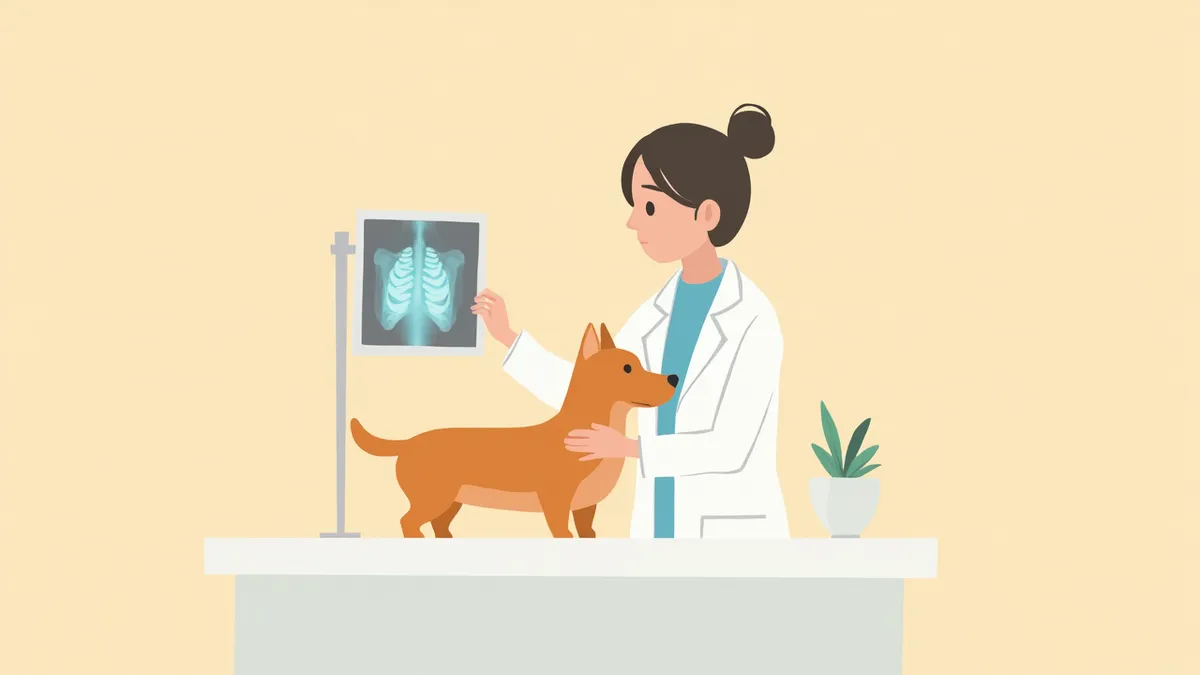
A veterinarian reviewing a chest X-ray with a dog
Lobectomy is a thoracic surgery that removes an entire damaged lobe of the lung, typically due to tumors, abscesses, trauma, or severe bronchiectasis. The procedure is most suitable when the lesion is confined to a single lobe, as smaller, localized lesions are more easily removed with clean, complete margins. Therefore, once a diagnosis is made, it is advisable to consult your veterinarian about the optimal timing for surgery rather than delaying treatment unnecessarily. This surgery can be performed on both dogs and cats. Studies have shown that respiratory function can be maintained even after removing a significant portion of the functional lung volume (up to 58% acutely, according to research), provided the remaining lung tissue is healthy. In most cases, pets can live normal, healthy lives after the removal of a single lobe.

When is Surgery Necessary?

Lobectomy is chosen when imaging reveals a lesion confined to a single lobe. The most common indication is primary lung tumors. It may also be performed for lung abscesses, hematomas, pulmonary bullae, severe traumatic lung rupture, or bronchiectasis affecting a lobe that cannot recover. Preoperative CT scans play a crucial role in assessing lymph node and surrounding tissue involvement, helping determine the feasibility and extent of surgery.

Essential Pre-Surgical Tests

It’s helpful for pet owners to know in advance which tests are needed during consultations. Below are the standard pre-surgical test items.

Mandatory Pre-Surgical Test Items

ItemPurpose
Chest X-rayInitial check of lesion location and size
Chest CTAssess lymph node metastasis and invasion of surrounding structures
Blood test/blood gasCheck tolerance for anesthesia and surgery
EchocardiographyWhen elderly or heart disease is suspected
Fine-needle aspiration or biopsyDetermine lesion nature (benign/malignant)

The test composition may vary depending on the patient's condition and lesion

How is the Surgery Performed?
Surgery is performed under general anesthesia using either an open thoracotomy (opening the chest) or a thoracoscopic approach. In an open thoracotomy, an incision is made between the ribs to provide a clear view, after which the bronchi and blood vessels of the affected lung lobe are individually ligated and the entire lobe is removed. Thoracoscopy is a minimally invasive technique in which a camera and instruments are inserted through several small incisions. However, thoracoscopic surgery may take longer than open thoracotomy, and studies have shown no significant difference between the two approaches in terms of hospitalization duration or the length of time a chest tube needs to remain in place. The choice of surgical method depends on the location and size of the lesion, as well as the surgical team’s experience, and not all veterinary hospitals are equipped to perform thoracoscopy. During surgery, the lungs are inflated and deflated using a mechanical ventilator to facilitate manipulation.
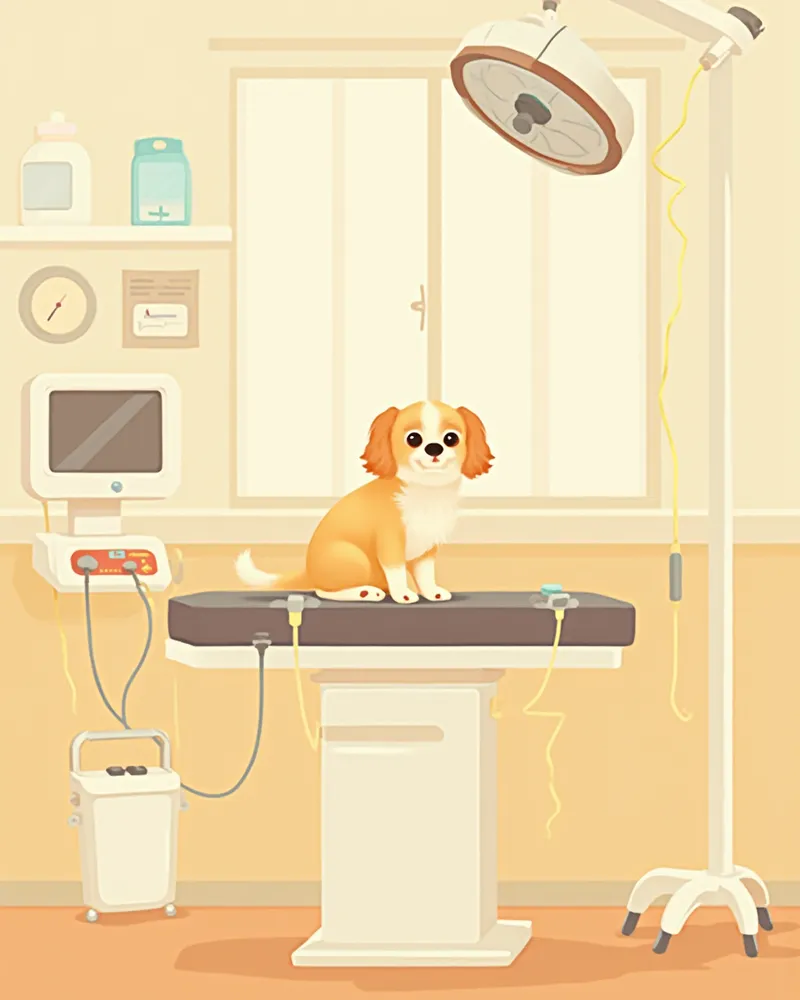
A puppy receiving anesthesia monitoring in the operating room

Anesthesia and Surgical Risks to Know

Lobectomy is a thoracic surgery that carries higher risks than routine procedures. Potential complications include hypoxia and arrhythmias during anesthesia, as well as postoperative bleeding, air leakage (pneumothorax), pneumonia, and pleural effusion. If the tumor is malignant, surgery alone may not be sufficient, and chemotherapy might also be required. Before the procedure, be sure to discuss the nature of the lesion and the anticipated risks in detail with your veterinarian and sign the informed consent form.

Post-Surgical Recovery Stages

Immediately after surgery, your pet will be closely monitored in the intensive care unit for 24 to 72 hours. A chest tube will be placed in the chest cavity to drain air and fluid, and it will be considered for removal once the daily drainage volume drops below 5 ml per kilogram of body weight. Hospitalization typically lasts 3 to 7 days. For the two weeks following discharge, strict rest is essential: no running, climbing stairs, or walking outside. Use a harness that minimizes pressure on the chest instead of a traditional collar, and sutures will be removed 10 to 14 days post-surgery. Most pets can return to their normal routine after 4 to 6 weeks.
A post-surgery puppy recovering at home

Home Care Instructions

Here are the key care points for you to manage at home: - Incision site check: Daily inspection for swelling, redness, discharge, or foul odor - Respiratory rate monitoring: Ensure it stays at 30 breaths per minute or less while resting - Feeding: Withhold food on the day of surgery; resume with small, frequent meals starting the next day - Medication administration: Administer pain relievers and antibiotics exactly as scheduled without missing any doses - Activity restriction: Maintain cage rest or confine to a small space for two weeks - Follow-up visits: Adhere strictly to the schedule for suture removal and follow-up chest X-rays

When to Go to the Vet Immediately

If you notice any of the following symptoms after surgery, take your pet to a veterinary clinic immediately: rapid and labored breathing; pale or purple gums; persistent bleeding or discharge from the incision site; a fever above 39.5°C; inability to eat anything for more than 24 hours; or sudden weakness or collapse. In particular, breathing difficulties may signal emergency complications such as pneumothorax or hemothorax, so do not delay even by one or two hours—seek care at an after-hours or emergency clinic right away.

Reviewed by a veterinarian

Dr. Tony — Punnawat Phongkittirak

Dr. Tony — Punnawat Phongkittirak

Veterinarian

A veterinarian who majored in veterinary medicine at Khon Kaen University, Thailand, and completed the IVSA program at North Carolina State University in the United States. Drawing on clinical experience at animal hospitals, he works in the pet healthcare field and is dedicated to building a digital care environment that connects pet parents with veterinarians.

Frequently Asked Questions

Is it possible to live a normal life even after having one lung lobe removed?
Yes, as long as the remaining lung tissue is healthy, respiratory function can be maintained even after removing a significant portion of the functional lung volume. In most cases, pets can resume walking and playing after recovery. However, their exercise tolerance may be slightly reduced compared to before surgery.
How much does the surgery cost?
The cost varies significantly depending on the hospital, location, surgical approach (open thoracotomy or thoracoscopy), size of the lesion, and length of hospitalization. For the most accurate estimate, it’s best to request a detailed surgical quote from your veterinarian.
If it’s a malignant tumor, is surgery alone enough to treat it?
Even with primary lung tumors, the need for additional treatment after surgery may be discussed depending on the tumor type (such as adenocarcinoma or squamous cell carcinoma) and whether the lymph nodes are involved. Your veterinarian will develop a follow-up treatment plan based on the biopsy results.
Can senior dogs also undergo surgery?
What matters more than age is your pet’s cardiopulmonary function and overall health. If blood tests, an echocardiogram, and a CT scan confirm that your pet can tolerate anesthesia, surgery may be possible even in older animals. Please discuss this thoroughly with your veterinarian.
Is there a chance of recurrence?
Benign lesions have a low risk of recurrence, but for malignant tumors, it is important to detect recurrence early through regular follow-up chest imaging after surgery. The frequency and specific tests should be determined in consultation with your veterinarian.

Share

Related Guides

References

[1] Small Animal Surgery Textbook, Fossum TW, Chapter: Surgery of the Lower Respiratory System

[2] Veterinary Surgical Oncology, 2nd Ed, Kudnig & Seguin

[3] Small Animal Critical Care Medicine, 3rd Ed, Silverstein & Hopper

This information is based on veterinary literature and does not replace diagnosis or treatment. Please consult a veterinarian for specific health concerns.

Metapet Co., Ltd. | CEO: Park Sung-yong | Business Reg. No. 417-88-02562 | Seoul, South Korea | Customer Center

Lung Lobectomy in Pets: Procedure & Recovery Guide | Meongsiljang