

Dog Seasonal Parasite Prevention Strategy FAQ — Key Points Every Pet Owner Must Know
We’ve compiled the essential questions and answers every pet owner should know to accurately understand seasonal parasite risks for dogs and develop a tailored prevention strategy.
Why is a seasonal parasite prevention strategy for dogs important?

What is the key to spring parasite prevention?
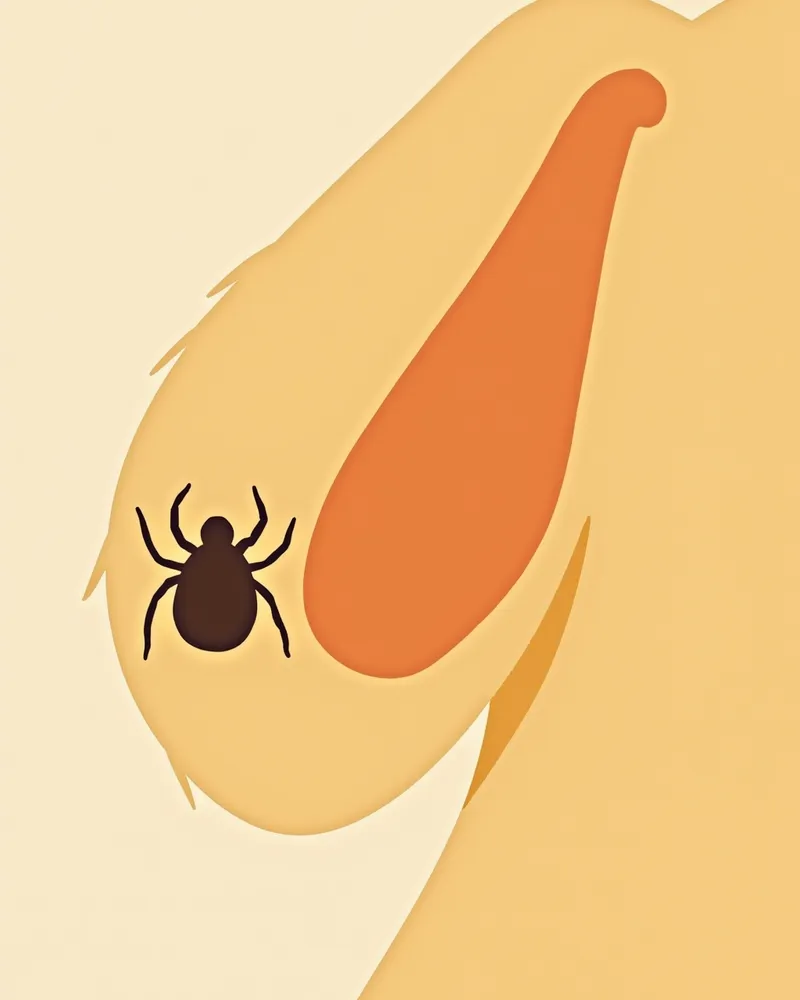
How should summer parasite prevention be managed?

Why is autumn parasite prevention often overlooked?

Comparison Table of Seasonal Parasite Prevention Strategies
| Item | Main Parasites | Prevention Timing | Recommended Method |
|---|---|---|---|
| Spring | Ticks, mites | Judged according to the situation | Risk assessment, use of preventive medication as recommended by the veterinarian |
| Summer | Ticks, mites, fleas | Judged according to the situation | Use of preventive medication according to risk level, inspection after going outdoors |
| Autumn | Ticks, fleas | Judged according to the situation | Maintain or discontinue preventive medication depending on indoor living and frequency of going outdoors |
| Winter | Fleas | Judged according to the situation | Indoor cleaning, use of preventive medication according to risk level |
The use of preventive medications should be decided in consultation with a veterinarian after comprehensively assessing risk factors such as the dog's living environment, frequency of going outdoors, and regional climate. This is a general guide based on seasonal parasite activity, but adjustments are needed depending on the individual case.
When should parasite prevention medication be discontinued?

Signs requiring immediate veterinary visit when parasitic infection is suspected
If your dog suddenly develops itching, hair loss, or skin rashes, it may indicate a parasitic infection. Red spots behind the ears or on the back of the neck, or small black specks between the toes, could be signs of ticks or fleas. If you notice these symptoms, seek veterinary care immediately. Parasites can cause dermatitis, anemia, and infectious diseases, making early diagnosis and treatment essential. Even if your dog is on preventive medication, consult a veterinarian if you suspect an infection to ensure safety.
Pet Owner Checkpoints for Parasite Prevention

Reviewed by a veterinarian

Dr. Tony — Punnawat Phongkittirak
VeterinarianA veterinarian who majored in veterinary medicine at Khon Kaen University, Thailand, and completed the IVSA program at North Carolina State University in the United States. Drawing on clinical experience at animal hospitals, he works in the pet healthcare field and is dedicated to building a digital care environment that connects pet parents with veterinarians.
Reviewed 2026-06-29
Frequently Asked Questions
Do I need to use parasite prevention medication every month?
Do indoor dogs need parasite prevention?
What should I do if my pet vomits after taking preventive medication?
Are parasite preventatives dangerous for humans?
If I stop giving my pet parasite prevention medication, can they get infected again?
Share
Related Guides

5 Flea and Tick Preventives for Cats Recommended by Veterinarians — Ingredient Safety Comparison

The Ultimate Guide to Differentiating Symptoms, Managing Internal Parasites in Dogs, and Choosing the Best Products

Best Practices and Selection Criteria for Dog Heartworm Antigen Testing

Feline Spaying and Neutering: Surgical Procedure and Recovery Care

Dog MRI Scan Costs and When It Is Necessary

Causes and Prevention of Canine Urinary Tract Stones

Dog Health Checkup Costs and Test Items

Patellar Luxation in Dogs: Symptoms and Stage-Specific Management

Canine Hydronephrosis FAQ — Key Information Every Owner Must Know

Frequently Asked Questions on the Safety of Anesthesia for Your Dog’s Dental Treatment — Key Information Every Pet Owner Should Know
References
[1] Shoorijeh, S.J. et al. (2008). Seasonal frequency of ectoparasite infestation in dogs from Shiraz, Southern Iran. Turkish Journal of Veterinary and Animal Sciences, 32(4), 309–313.
[2] Clinical Medicine of the Dog and Cat, 4th Ed. (2020). Elsevier. Chapter 13: Parasitic Diseases in Dogs.
[3] The Veterinary Workbook of Small Animal Clinical Cases (2023). Case 91: Seasonal Tick Infestation in a Dog. Veterinary Education Press.