
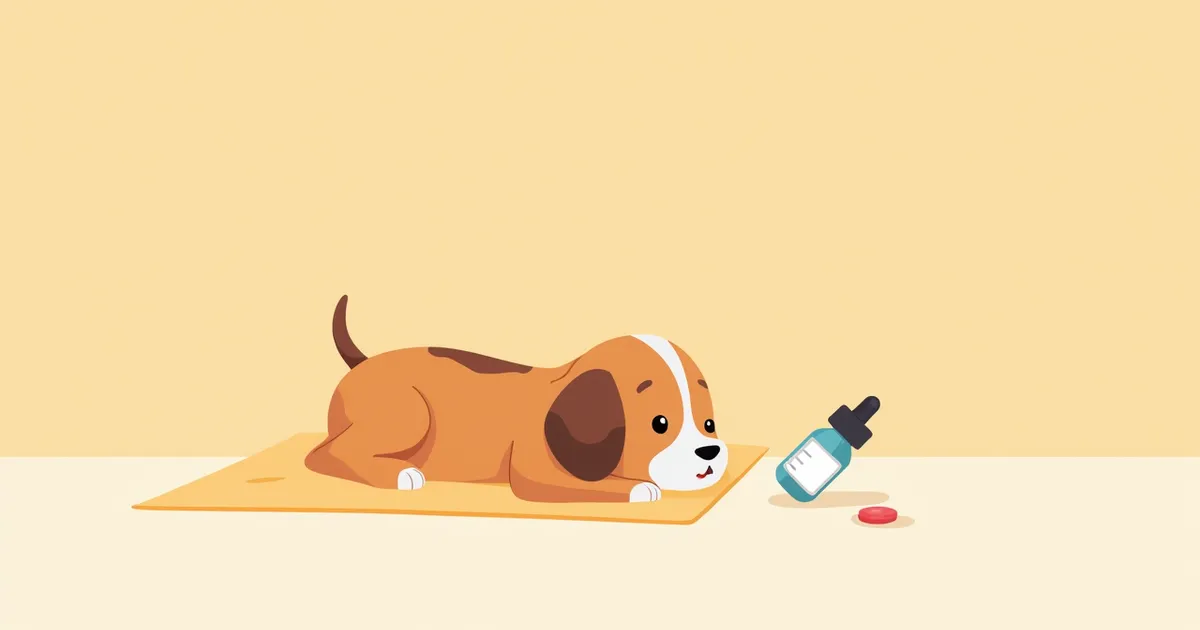
Puppy Deworming Schedule FAQ — Key Information Every Owner Should Know
Puppy deworming should begin at two weeks of age. Regular deworming supports healthy growth and reduces the risk of parasites being transmitted to humans.
Puppy Deworming Begins at Two Weeks of Age

Deworming Timing Depends on Age and Parasite Type

How to Determine the Deworming Schedule?

Key Parasites and Recommended Medications by Deworming Stage
| Item | Main Parasites | Recommended Medication | Cycle |
|---|---|---|---|
| 2 weeks of age | Roundworm (Toxocara canis) | Broad-spectrum dewormers such as fenbendazole | Preventive first deworming against transplacental and lactogenic infection |
| 4 weeks of age | Roundworm, hookworm | fenbendazole, pyrantel, etc. | Repeat deworming at 2-week intervals |
| 6 weeks of age | Roundworm, hookworm, whipworm | fenbendazole, milbemycin, etc. | Repeat deworming at 2-week intervals |
| After 8 weeks of age | Parasites subject to risk assessment | Medication based on risk assessment | Regular management based on fecal examination |
The type and dosage of medication and the deworming schedule are adjusted by the veterinarian to fit each individual situation.
What to Watch for After Administering Deworming Medication?

Seek Veterinary Care Immediately for Severe Reactions After Deworming
If your dog experiences difficulty breathing, seizures, severe diarrhea, or bloody stools after taking deworming medication, seek veterinary care immediately. These symptoms may indicate an allergic reaction or serious side effects. Dogs with a genetic sensitivity to ivermectin-based medications are at risk of developing neurological symptoms, so prompt veterinary intervention is essential.
Consistency and Record-Keeping Are Key to Managing Deworming Schedules
Reviewed by a veterinarian

Dr. Tony — Punnawat Phongkittirak
VeterinarianA veterinarian who majored in veterinary medicine at Khon Kaen University, Thailand, and completed the IVSA program at North Carolina State University in the United States. Drawing on clinical experience at animal hospitals, he works in the pet healthcare field and is dedicated to building a digital care environment that connects pet parents with veterinarians.
Reviewed 2026-06-29
Frequently Asked Questions
Is it safe to give deworming medication to a one-week-old puppy?
What happens if you miss a dose of dewormer?
Can I buy deworming medication at a pharmacy?
When should I give my pet deworming medication?
Do I need to give my pet dewormer for its entire life?
Share
Related Guides

5 Flea and Tick Preventives for Cats Recommended by Veterinarians — Ingredient Safety Comparison

The Ultimate Guide to Differentiating Symptoms, Managing Internal Parasites in Dogs, and Choosing the Best Products

Best Practices and Selection Criteria for Dog Heartworm Antigen Testing
Assembling a Home Emergency Kit

How to Safely Manage Multiple Medications in Senior Cats: Interactions and Administration Principles

The Complete Guide to Managing Multiple Medications in Senior Dogs
The Complete Guide to Joint-Support Products for Senior Dogs (Jump Pads, Mats, and Stairs)

How to Protect Your Senior Cat’s Vision
Vision Care for Senior Dogs (Lighting & Slip Prevention)
Creating a Hearing-Friendly Environment for Senior Dogs
References
[1] Principles and Practices of Canine and Feline Clinical Parasitic Diseases, 2022
[2] Plumb's Veterinary Drug Handbook, 10th Edition, 2023
[3] The Cat, Clinical Medicine and Management, 2nd Edition, 2021