Like
Share
멍실장
강아지 스테로이드 부작용과 안전한 사용 총정리 — 보호자가 알아야 할 핵심

Are Dog Steroids Really Dangerous? — A Guide to Side Effects and Safe Use

Skin & CoatQ&AMeongsiljang Veterinary Advisory Board

Steroids can be effective for treating allergies and dermatitis in dogs, but long-term use may lead to side effects such as increased urination, increased appetite, and a weakened immune system. Knowing the principle of using the minimum effective dose and proper monitoring methods can help ensure safer use.

What Are Dog Steroids? The Dual Nature of Efficacy and Side Effects
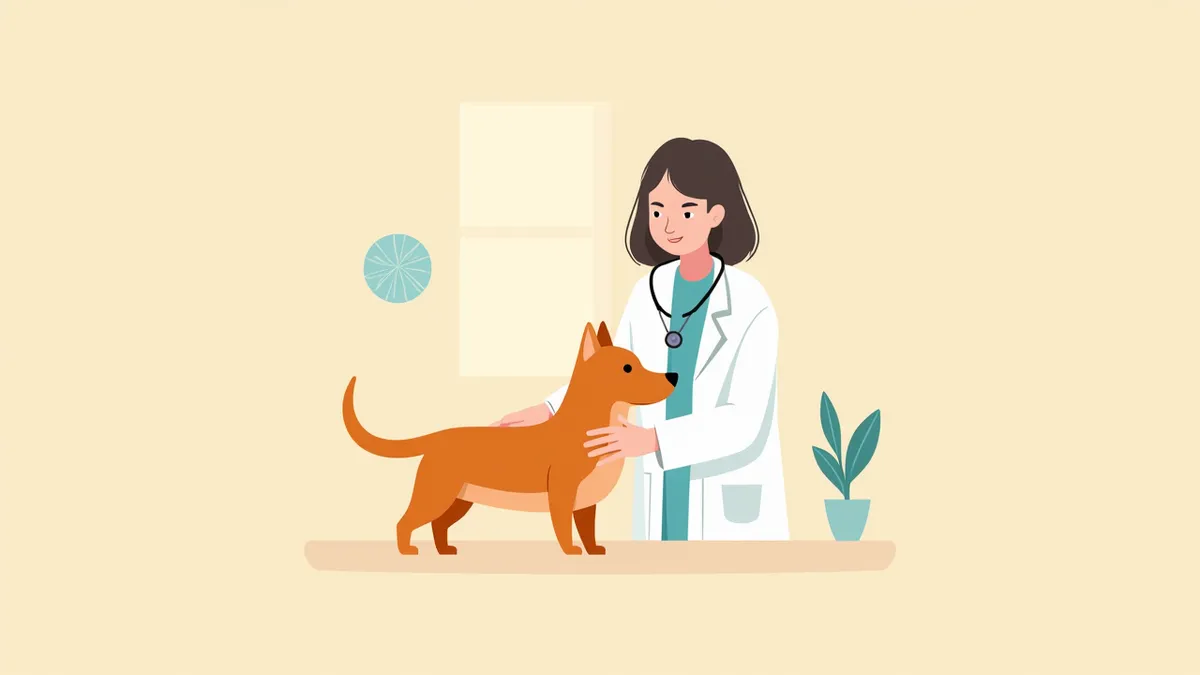
A scene of a veterinarian examining a puppy
Glucocorticoid steroids are the most commonly used anti-inflammatory medications for treating allergies, dermatitis, and autoimmune diseases in dogs. When used appropriately for short periods, they provide rapid symptom relief; however, long-term use can lead to side effects such as increased urination, excessive thirst, increased appetite, and immune suppression. The key is not to find a "side-effect-free dose," but to maintain the lowest possible dose that effectively manages symptoms while minimizing adverse effects.

Why Do Steroid Side Effects Occur?

Steroids are systemic medications that affect the entire body. While they suppress inflammation, they also impact immune responses, hormone metabolism, and kidney function. Because their structure is similar to cortisol, prolonged external administration can lead the brain to perceive that sufficient cortisol is present, causing it to naturally reduce adrenal gland function. This process can simultaneously result in metabolic abnormalities and immune suppression. Even topical steroids applied to the ears or skin can be absorbed into the body through the skin, so caution is necessary.

Short-Term vs. Long-Term Use — Comparing Side Effects

ItemShort-term Use (within 2 weeks)Long-term Use (2 weeks or more)
Polyuria/polydipsia (drinking lots of water)CommonVery common
Polyphagia/weight gainCommonVery common
Immunosuppression/secondary infectionMildSevere
Gastrointestinal ulcersPossibleIncreased risk
Skin thinning/hair lossRareFrequent
Increased diabetes riskLowCaution needed
Cushing's syndrome (iatrogenic)NonePossible

Based on veterinary dermatology and veterinary pharmacology textbooks

Five Side Effects Owners Can Monitor Themselves
Polyuria and polydipsia: Reduced water reabsorption in the kidneys leads to noticeably increased urine output and water intake.
Polyphagia and weight gain: The appetite center is affected, causing constant hunger and weight gain.
Weakened immunity: Increased susceptibility to bacterial and fungal infections, with potential worsening of existing infections.
Skin changes: Thinning skin, hair loss, and easy bruising may occur.
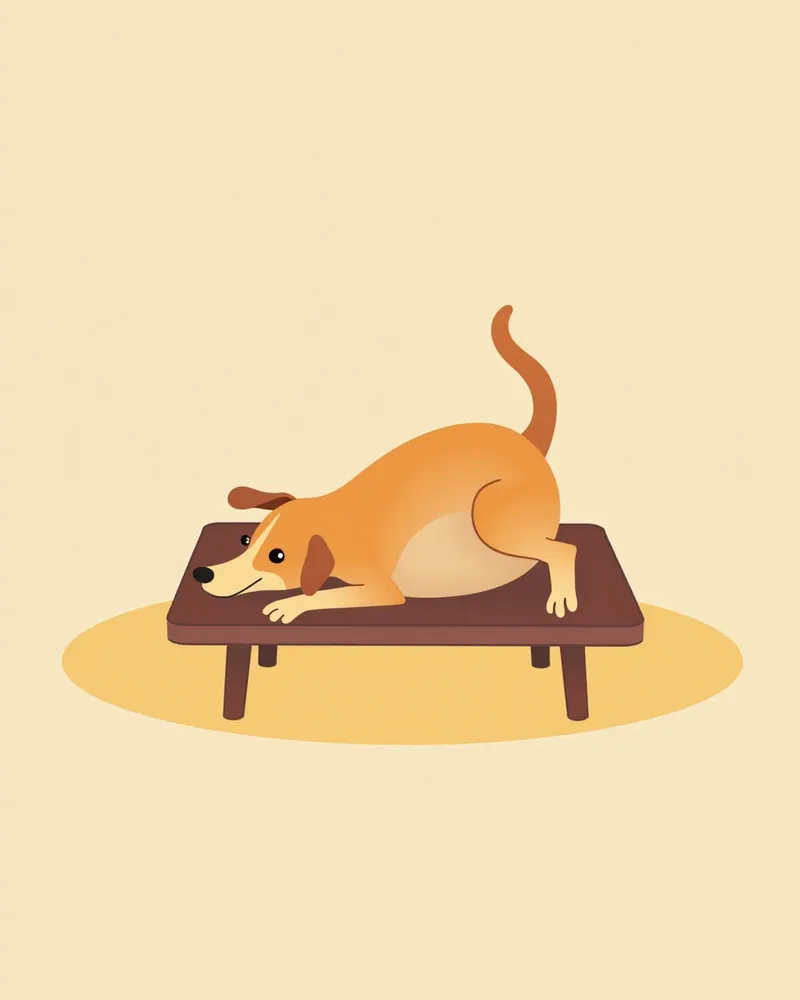
Pot-bellied appearance (abdominal distension): Long-term use may result in a sagging abdomen.
A veterinarian palpating a puppy showing signs of abdominal distension.

Signs That Require Immediate Veterinary Attention

If any of the following symptoms occur while your pet is taking steroids, contact your veterinarian immediately: • Sudden complete loss of appetite or vomiting • Blood in the stool or black, tarry stools (possible gastrointestinal ulcer) • Abnormal body temperature (hypothermia or high fever) • Weakness in the legs or difficulty standing • Rapid worsening of existing skin infections or ear inflammation

Four Principles for Safe Steroid Use

Maintain the lowest effective dose: Your veterinarian will determine the lowest dose needed to maintain efficacy based on your pet’s weight and symptoms. Do not adjust the dose on your own.
Consider alternate-day dosing: For long-term use, consult your veterinarian about reducing the dose and frequency—such as switching to alternate-day dosing (approximately every 48 hours)—to help protect adrenal function.
Never stop abruptly: Stopping long-term medication suddenly can lead to adrenal insufficiency because the atrophied adrenal glands cannot recover quickly enough. Always taper the dose gradually under veterinary guidance.
Regular check-ups are essential: Monitor and record changes in water intake, urine output, and body weight. Follow your veterinarian’s schedule for physical exams, blood pressure checks, and diagnostic tests, including complete blood counts (CBC), biochemistry profiles, urinalysis, and urine cultures.
A scene showing a caregiver accurately administering medication to a puppy.

Essential Home Monitoring for Long-Term Steroid Use

If your pet has been on steroids for more than two weeks, keep a regular log of the following:
Water intake: Let your vet know if you notice a significant increase in water consumption compared to usual.
Urination frequency: Sudden increases or nighttime urination warrant a check-up.
Weight: Measure every two weeks and report any sudden gain or loss immediately.
Skin and coat: If you notice hair loss, easy bruising, or thinning skin, a dosage review may be necessary.
A scene of a pet owner recording their dog's health journal.

Topical Steroids Are Not Risk-Free Either

Steroids applied to the ears or skin can also be absorbed systemically with long-term use. In particular, absorption increases when applied to areas with wounds or compromised skin barriers. Veterinary dermatology textbooks recommend regular systemic monitoring even when topical steroids are used over extended periods.

Reviewed by a veterinarian

Dr. Tony — Punnawat Phongkittirak

Dr. Tony — Punnawat Phongkittirak

Veterinarian

A veterinarian who majored in veterinary medicine at Khon Kaen University, Thailand, and completed the IVSA program at North Carolina State University in the United States. Drawing on clinical experience at animal hospitals, he works in the pet healthcare field and is dedicated to building a digital care environment that connects pet parents with veterinarians.

Frequently Asked Questions

What happens if you stop steroids abruptly?
Suddenly stopping long-term medication can lead to adrenal insufficiency, causing symptoms like weakness, loss of appetite, and lethargy, which may result in a dangerous situation. It is essential to gradually reduce the dosage under the guidance of your veterinarian.
Can my pet receive vaccinations while on steroids?
Steroids are medications that suppress the immune response, so it’s important to carefully plan the timing of vaccinations. If your pet is currently taking steroids, be sure to inform your veterinarian before vaccination so the timing can be adjusted accordingly.
Can I give this along with other pain relievers and anti-inflammatory medications?
Steroids themselves can cause gastrointestinal ulcers, so it's essential to consult your veterinarian before adding any other medications, including nonsteroidal anti-inflammatory drugs (NSAIDs).
How do you confirm if Cushing’s syndrome is suspected?
Iatrogenic Cushing’s syndrome, caused by long-term steroid use, is characterized by abdominal distension, polyuria, polydipsia, and skin changes. It can be diagnosed through blood and urine tests, and most pets recover once the steroid dosage is gradually tapered down under veterinary guidance.
Are there any treatment options besides steroids?
Based on the textbook alone, it’s difficult to definitively recommend a specific non-steroidal medication. However, the textbook suggests that when long-term treatment is necessary, you should reduce the dose and frequency to the lowest level that maintains efficacy (for example, every-other-day dosing), and in some cases, consider using other types of glucocorticoids, such as triamcinolone or dexamethasone. Whether you can taper off steroids or switch to alternative therapies should be discussed with your veterinarian, tailored to your pet’s individual condition.

Share

Related Guides

References

[1] The Veterinary Workbook of Small Animal Clinical Cases, Case 33: Glucocorticoid Side Effects

[2] BSAVA Manual of Canine and Feline Dermatology, 4th Ed, Chapter: Glucocorticoids and Immunosuppressive Agents, British Small Animal Veterinary Association, 2021

[3] Handbook of Veterinary Pharmacology, Chapter VI: Anti-Inflammatory Drugs

This information is based on veterinary literature and does not replace diagnosis or treatment. Please consult a veterinarian for specific health concerns.

Metapet Co., Ltd. | CEO: Park Sung-yong | Business Reg. No. 417-88-02562 | Seoul, South Korea | Customer Center

Are Dog Steroids Dangerous? Side Effects & Safe Use Guide | Meongsiljang