

Feline Ear Mites: Diagnosis and Treatment Guide for Suspected Dark Earwax
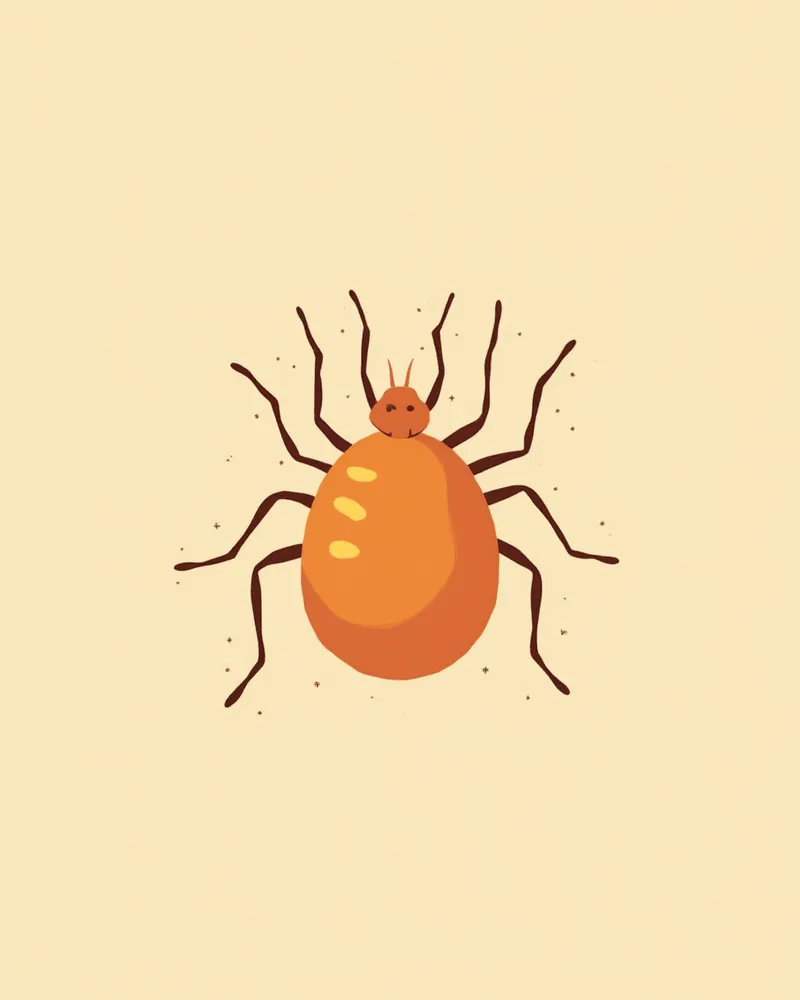
Feline ear mites are tiny parasites that live in the outer ear canal, causing dark, coffee-ground-like earwax and intense itching. We’ll guide you through the entire process of diagnosis, treatment, and prevention.
What Are Feline Ear Mites?

Why Does Dark Earwax Form? — Causes and Transmission Routes
Simple Earwax vs. Ear Mites vs. Otitis Externa — How to Tell the Difference?
Comparison of Characteristics by Ear Condition
| Item | Normal earwax | Ear mites | Bacterial otitis externa | Yeast (Malassezia) otitis externa |
|---|---|---|---|---|
| Color | Light brown/yellow | Black/dark brown (coffee-ground appearance) | Yellow/green pus | Dark brown sticky discharge |
| Odor | Almost none | Mild | Strong fishy smell/foul odor | Sour/moldy smell |
| Itching | None | Very severe (constant scratching and head shaking) | Moderate | Severe |
| Both ears | — | Often occurs in both ears simultaneously | More often one side | Both or one side |
| Confirmatory method | — | Otoscopy/microscopic exam | Cytology (microscopic smear, bacterial culture if needed) | Microscopic exam (cytology) |
This table shows general tendencies. Accurate diagnosis requires an animal hospital examination.
How Is It Diagnosed at the Veterinary Clinic?
Seek Immediate Veterinary Care If You See These Signs
If your pet’s ear canal is red, raw, or bleeding from excessive scratching, if they consistently tilt their head to one side or appear unsteady, or if there is pus and a foul odor coming from the ear, it may indicate a secondary infection caused by mites or progression to middle ear disease. In such cases, mite treatment alone is insufficient; concurrent antibiotic and anti-inflammatory therapy is necessary, so please visit an animal hospital within 24 hours.
How Is Treatment Conducted? — Medications and Duration

How to Manage at Home?
Medications That Must Never Be Used on Cats
Flea and tick medications for dogs containing permethrin, deltamethrin, or high-concentration pyrethroids can cause neurotoxicity in cats, potentially leading to seizures or even death. It is dangerous to apply dog spot-on treatments to cats or to allow cats to lick dogs after they have been treated. Always verify that the product is labeled as safe for cats, and in households with multiple cats and dogs, keep them separated for at least 12 hours after application.
Daily Prevention Methods to Prevent Recurrence
Reviewed by a veterinarian

Dr. Tony — Punnawat Phongkittirak
VeterinarianA veterinarian who majored in veterinary medicine at Khon Kaen University, Thailand, and completed the IVSA program at North Carolina State University in the United States. Drawing on clinical experience at animal hospitals, he works in the pet healthcare field and is dedicated to building a digital care environment that connects pet parents with veterinarians.
Reviewed 2026-05-05
Frequently Asked Questions
Can it be transmitted to humans?
Is one treatment enough to cure it?
Is it okay to use cotton swabs at home to remove all the black earwax?
Can it be prevented with food or supplements?
How much will the treatment cost?
Share
Related Guides

5 Flea and Tick Preventives for Cats Recommended by Veterinarians — Ingredient Safety Comparison

The Ultimate Guide to Differentiating Symptoms, Managing Internal Parasites in Dogs, and Choosing the Best Products

Best Practices and Selection Criteria for Dog Heartworm Antigen Testing

Can My Dog’s Heart Disease Be Detected Early? — A Guide to Early Screening Timing and Methods

Is Your Dog Breed at Risk? A Complete Guide to Breed-Specific Heart Disease Predispositions
Why Are Beta-Blockers Used for Dogs' Hearts? — Q&A on Effects and Precautions

What is Canine Aortic Stenosis? — How Do Symptoms and Prognosis Differ?
Why Are ACE Inhibitors Used for Dogs' Hearts? — Q&A on Effects to Side Effects

My Cat’s Heart Is Beating Fast — Warning Signs of Ventricular Tachycardia and When to Go to the Vet

What Is Feline Ventricular Septal Defect? Key Facts From Symptoms to Prognosis
References
[1] BSAVA Manual of Canine and Feline Dermatology, 4th Edition — Chapter on Ectoparasites
[2] Principles and Practices of Canine and Feline Clinical Parasitic Diseases
[3] Shoorijeh, S.J. et al. (2008). Seasonal frequency of ectoparasite infestation in dogs. Turkish Journal of Veterinary and Animal Sciences 32(4): 309-313