Like
Share
멍실장
고양이 심장 질환 조기 선별 자주 묻는 질문 Q&A — 보호자가 꼭 알아야 할 핵심

When Should You Have Your Cat’s Heart Checked? — Early Screening Points When There Are No Symptoms

HeartQ&AMeongsiljang Veterinary Advisory Board

Feline heart disease can progress rapidly because early symptoms are often absent. Prevention is possible only when you know the proper screening methods and warning signs.

Why Is Early Screening for Feline Heart Disease Important?
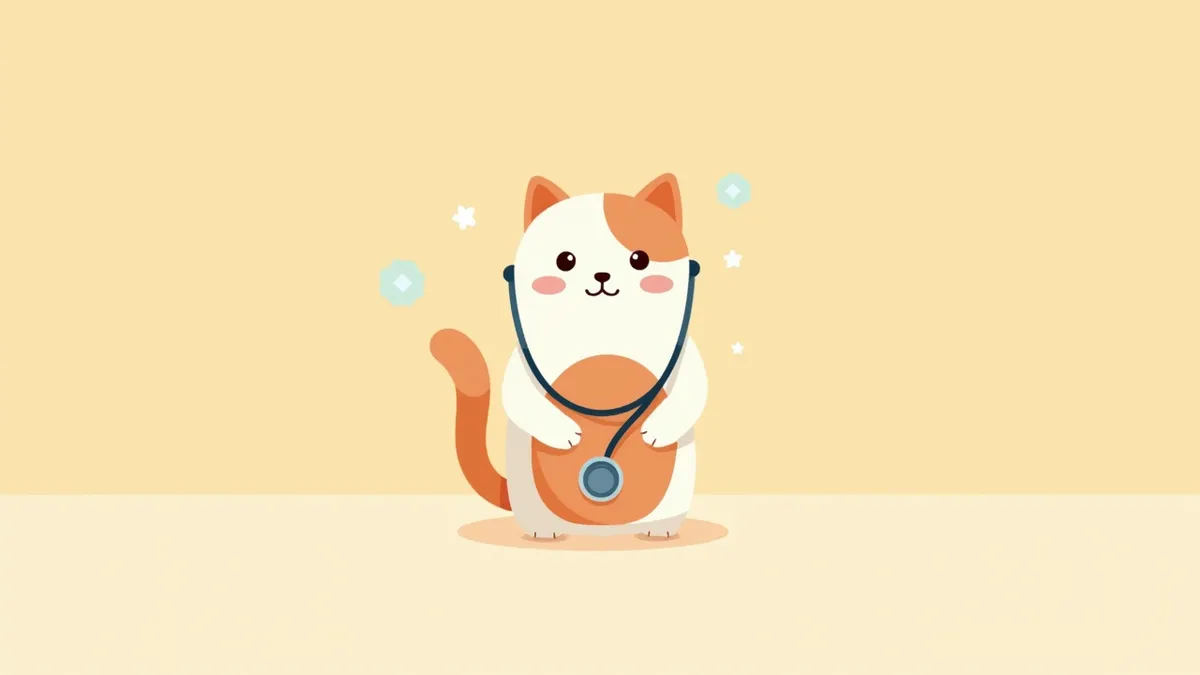
A cat undergoing a cardiac examination
Feline heart disease is notoriously difficult to detect early because its clinical signs are often vague and non-specific. In the mild to moderate stages, chest X-rays alone may not reveal cardiac enlargement, meaning the disease is frequently diagnosed only after it has progressed. - Early Screening: Echocardiography is the most sensitive non-invasive test capable of detecting abnormalities even in asymptomatic stages. When used alongside auscultation, it allows for the early identification of subtle changes. Early detection and consistent monitoring enable us to identify and prepare for potential progression to heart failure or arterial thromboembolism as early as possible. - Prognosis and Management: The prognosis for asymptomatic hypertrophic cardiomyopathy (HCM) varies significantly among individuals, with reported five-year survival rates of approximately 80% after diagnosis. Therefore, it is crucial to detect common feline cardiomyopathies, such as hypertrophic or restrictive cardiomyopathy, early and manage them according to the disease stage. Early screening is an important first step in safeguarding your cat’s health.

What Are the Main Screening Methods for Early Detection?
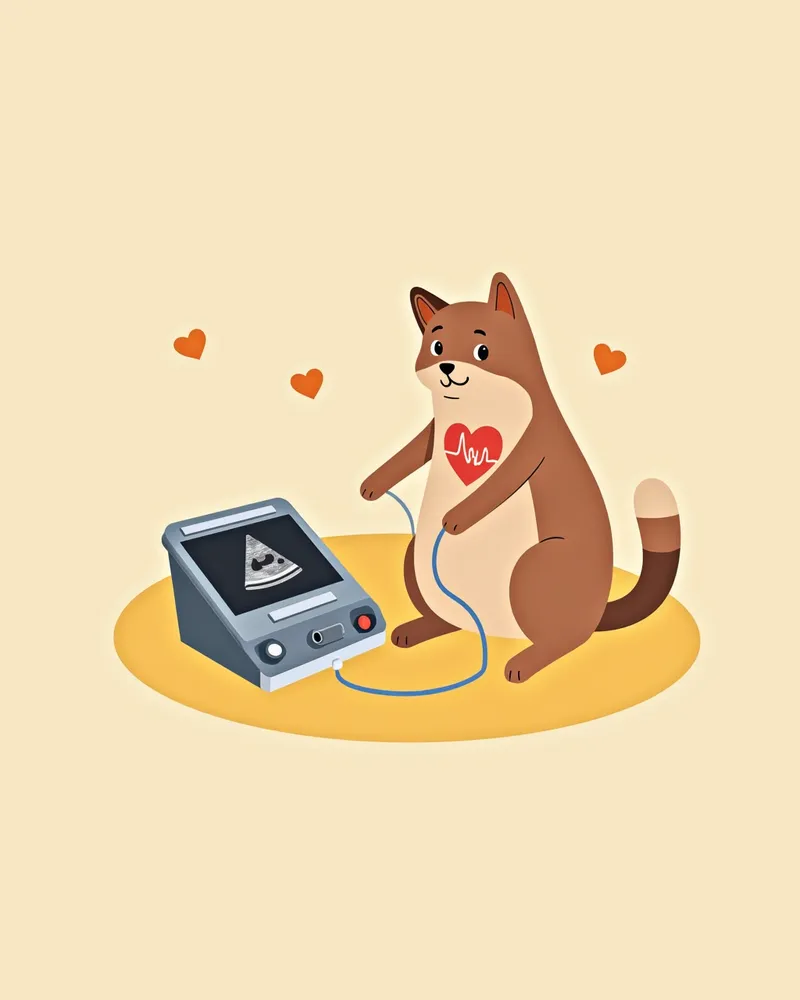
Early screening for feline heart disease is most effectively performed using echocardiography (heart ultrasound), the most sensitive non-invasive test available. While this procedure provides a precise evaluation of cardiac structure and function, it is an operator-dependent technique, making interpretation by an experienced veterinarian essential. A physical examination, including auscultation to detect abnormal heart sounds such as murmurs, serves as a crucial first step. Additional diagnostic tools, such as cardiac biomarker blood tests and thoracic radiographs (chest X-rays), can provide supportive information when used alongside medical history, physical exams, and ultrasound. However, chest X-rays alone may miss cardiac enlargement, so echocardiography remains necessary for a definitive diagnosis. The timing and frequency of screening should be tailored to breed-specific predispositions and disease stage, so please consult your veterinarian to determine the best approach for your cat.
A veterinarian performing an echocardiogram on a cat

In Which Cases Is Early Screening Recommended?
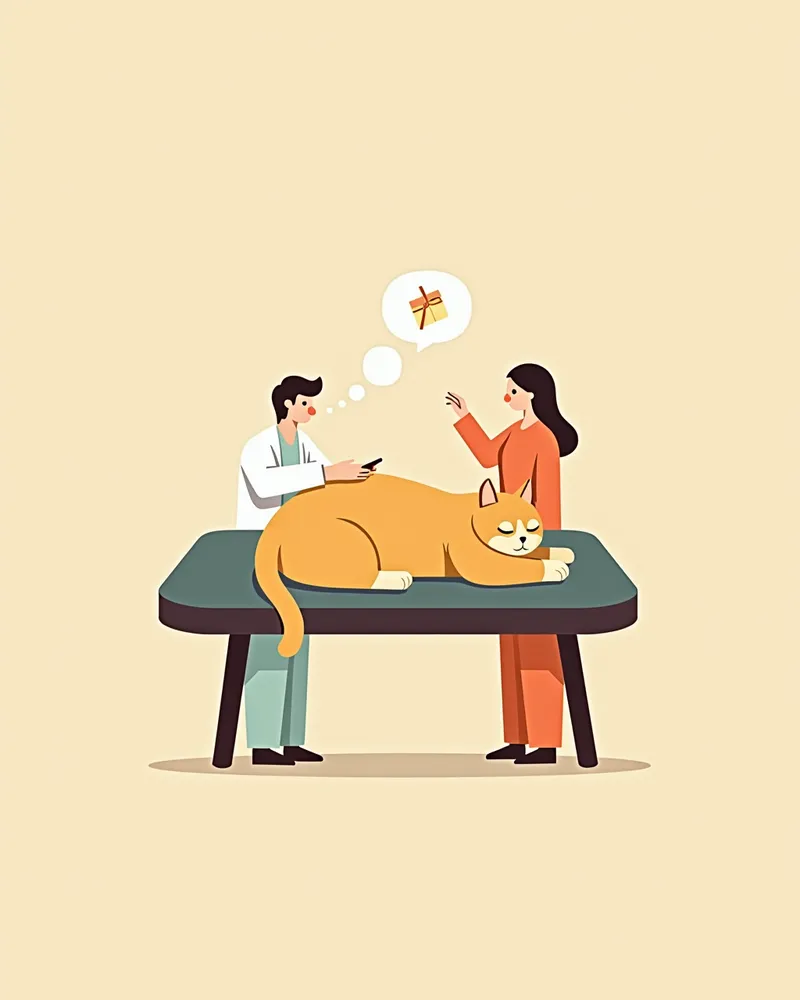
Early screening for heart disease in cats is especially important in the following situations: breeds with known genetic predispositions (such as Maine Coon, Norwegian Forest, Siberian, British Shorthair, Ragdoll, Sphynx, and Devon Rex); abnormal heart sounds, such as murmurs, detected during auscultation; decreased activity levels; and shortness of breath. For these breeds, annual echocardiographic screening is typically recommended between the ages of 1 and 3 years if the cat is intended for breeding, with follow-up examinations advised at ages 5 and 8. Evaluation is also necessary for older cats or those with a family history of heart disease. However, since clinical signs of feline heart disease are often vague and nonspecific, it is best to consult your veterinarian to determine the appropriate timing for testing.
An elderly cat during a veterinary examination, with the owner looking worried.

Comparison of Early Screening Timing for Feline Heart Disease

ItemRecommended Follow-up FrequencyMain Purpose
Asymptomatic, low-risk (Stage B1)Once a yearCheck for progression such as left atrial enlargement
Progression risk (Stage B2)Every 6-12 monthsTrack progression to heart failure/thromboembolism
Accompanied by clinical symptoms (heart failure)As directed by the veterinarianTreatment response and complication management

Asymptomatic cats are usually recommended to be followed up once a year, and every 6-12 months if there is a risk of progression; ultrasound is the best method for monitoring progression. The exact frequency should be determined in consultation with your veterinarian according to the disease stage.

What Signals Should You Watch for During Early Screening?

When screening for early signs of feline heart disease, immediate veterinary evaluation is warranted if you notice any of the following: labored, rapid, or difficult breathing; a sudden decrease in activity level or lethargy; or sudden weakness. Keep in mind that, unlike dogs, cats with congestive heart failure rarely cough; therefore, you should monitor changes in respiratory rate and breathing patterns more closely than coughing. Sudden paralysis or severe pain in one or both hind legs may indicate arterial thromboembolism (ATE), a serious complication of heart disease. The safest approach is to have your cat screened before symptoms appear.
A cat panting, with an anxious posture

Signals Requiring Immediate Veterinary Visit

If your cat suddenly starts breathing rapidly, becomes paralyzed, or collapses, seek veterinary care immediately. These symptoms may indicate a blood clot or heart failure, both acute complications of heart disease. The longer you wait, the more difficult treatment becomes. Early intervention significantly improves survival chances. It’s wise to consult with your veterinarian in advance.

What Is the Management Plan After Early Screening?
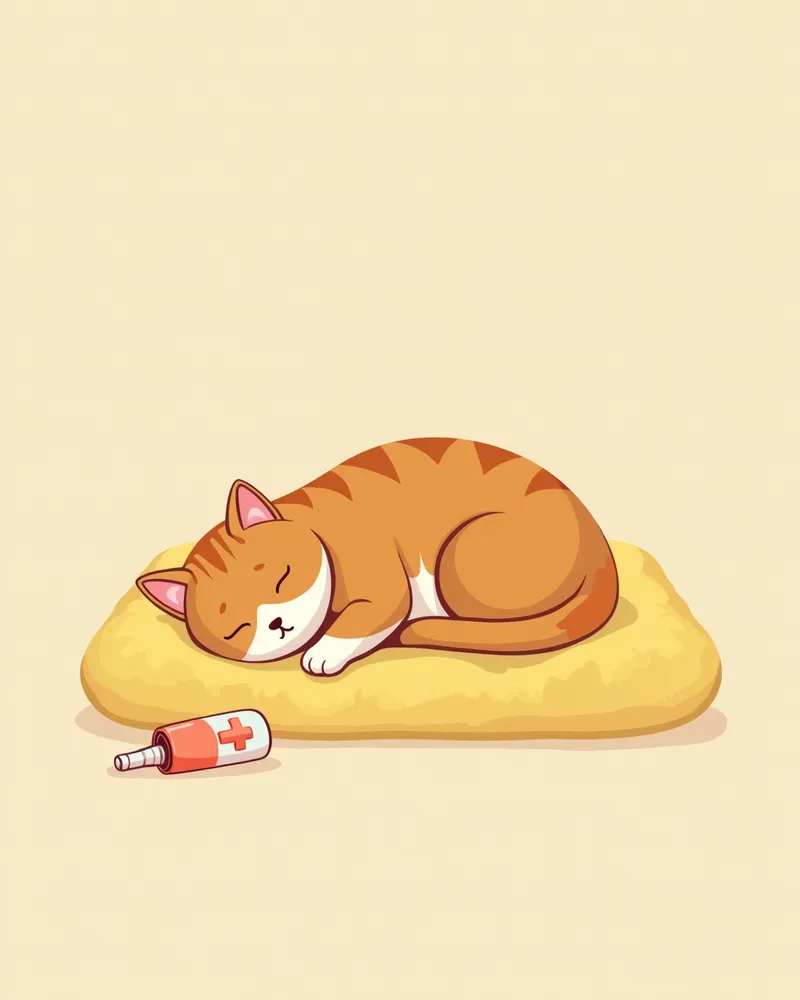
After early screening, consistent management with your veterinarian is essential. - Regular check-ups: Typically, heart health should be assessed every 6 to 12 months. This includes a physical exam along with chest radiographs, electrocardiogram (ECG), blood pressure measurement, and kidney function tests (BUN, creatinine, and electrolytes). Echocardiography is the most effective method for monitoring disease progression. - Medication adherence: Strictly follow your veterinarian’s instructions for prescribed heart medications, such as diuretics, ACE inhibitors, and clopidogrel for thrombosis prevention. Do not stop or miss doses arbitrarily, as this can worsen the condition. - Home respiratory rate monitoring: Measuring your pet’s resting respiratory rate at home allows you to detect changes early without the stress of frequent clinic visits. - Stress management: Maintain a quiet, stable environment and minimize stimuli. Sudden changes and stress place additional burden on the heart. - Diet and activity management: Adjust your pet’s diet in consultation with your veterinarian, avoid excessive exercise, and maintain a calm daily routine. Consistent care is key to slowing disease progression.
A cat resting quietly, with medicine nearby.

Reviewed by a veterinarian

Dr. Tony — Punnawat Phongkittirak

Dr. Tony — Punnawat Phongkittirak

Veterinarian

A veterinarian who majored in veterinary medicine at Khon Kaen University, Thailand, and completed the IVSA program at North Carolina State University in the United States. Drawing on clinical experience at animal hospitals, he works in the pet healthcare field and is dedicated to building a digital care environment that connects pet parents with veterinarians.

Frequently Asked Questions

When should early screening for feline heart disease begin?
For breeds with a genetic predisposition, annual ultrasound screening is typically recommended starting at 1–3 years of age for breeding purposes, with follow-up rechecks advised at 5 and 8 years. Since the ideal timing and frequency of screening vary depending on breed-specific risks and disease progression, it’s best to consult your veterinarian to establish a plan before any symptoms appear.
Is an echocardiogram painful for my pet?
Echocardiography is a safe, simple, and quick test that can be performed even on critically ill patients. Cats usually tolerate the procedure comfortably when they are in a calm state. The veterinarian will guide the process systematically.
How much does an early screening test cost?
Ultrasound examinations typically cost between $60 to $100. Preventive check-ups can help reduce long-term treatment costs. Please consult with your veterinarian to create a plan that fits your budget.
My cat has heart disease. Is early screening meaningful?
It matters. Early screening helps determine how quickly the disease is progressing and enables timely, stage-appropriate treatment. In asymptomatic hypertrophic cardiomyopathy, the five-year survival rate after diagnosis is approximately 80%, but outcomes vary significantly among individual cats, making early detection and consistent monitoring essential for maintaining quality of life.
After early screening, what can I do at home to manage my pet’s health?
Reducing stress, maintaining a stable environment, and adhering to a consistent routine with regular veterinary check-ups are essential. Always administer medications as prescribed by your veterinarian, and monitor your pet's resting respiratory rate at home to detect any changes in their condition early.

Share

Related Guides

References

[1] Textbook of Cardiovascular Medicine in Dogs and Cats, 2023, Chapter 8: Feline Heart Disease Screening

[2] Feline Emergency and Critical Care Medicine, 2nd Ed, 2021, Section 4.2: Early Detection of Hypertrophic Cardiomyopathy

[3] Morris Animal Foundation. Two Minute Screening Echocardiogram for Cats. YouTube video, 2022

This information is based on veterinary literature and does not replace diagnosis or treatment. Please consult a veterinarian for specific health concerns.

Metapet Co., Ltd. | CEO: Park Sung-yong | Business Reg. No. 417-88-02562 | Seoul, South Korea | Customer Center

When to Get Your Cat's Heart Checked: Early Screening Signs | Meongsiljang