

Canine Cataract Surgery (Phacoemulsification): From Surgical Procedure to Recovery
Cataract surgery (phacoemulsification) for dogs is an effective way to restore vision. I’ll provide detailed guidance on pre- and post-operative care and the expected prognosis.
What is Canine Cataract Surgery (Phacoemulsification)?

How to Prepare for Surgery?
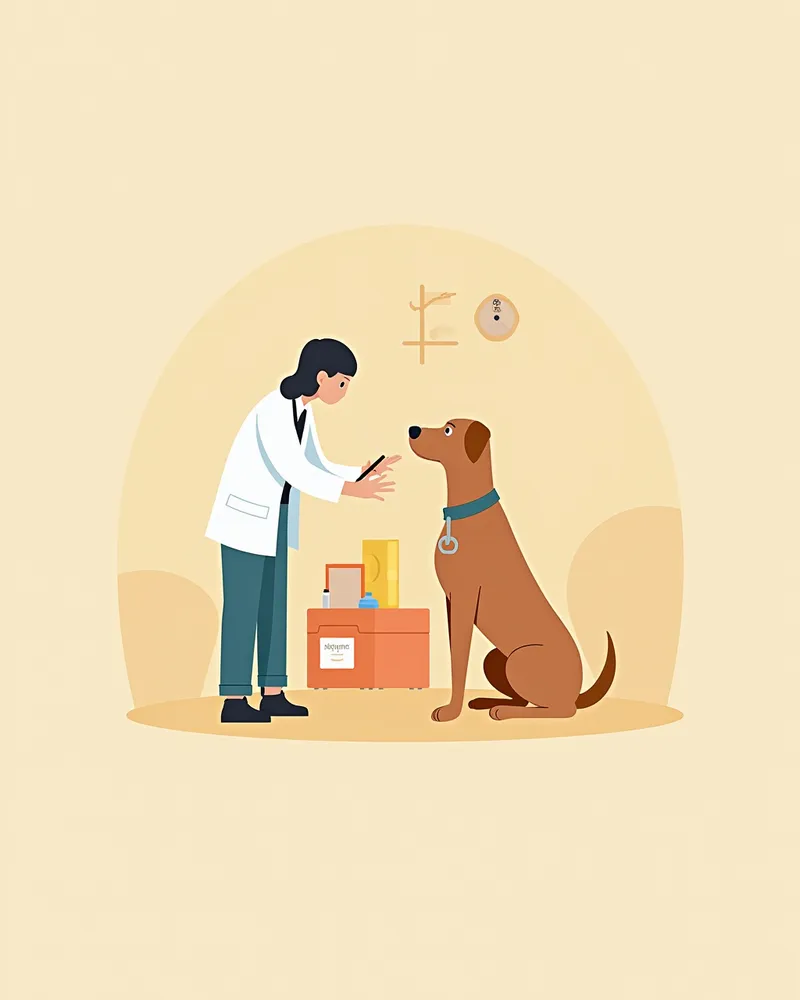
Key Steps of the Surgical Procedure

Post-Operative Recovery Process

Before and After Cataract Surgery: Expected Benefits and Precautions
| Item | Before Surgery | After Surgery |
|---|---|---|
| Vision status | Blurred or completely unable to see | Vision mostly restored (degree varies by cataract maturity) |
| Activity level | High risk of collision, reduced sense of direction | Able to move freely |
| Medication | Not needed | Use anti-inflammatory eye drops as directed by the veterinarian |
| Safety management | Obstacles need to be removed from movement paths | Maintain a safe environment |
The recovery period varies depending on the dog's condition, and it is advisable to get regular check-ups to monitor progress.
Post-Operative Precautions: High Risk of Infection
If inflammation or discharge appears in the eye after surgery, you should visit the clinic immediately. Infection can lead to vision loss, so it's important to administer eye drops accurately and maintain a safe environment.
Surgical Success Rate and Prognosis

Reviewed by a veterinarian

Dr. Tony — Punnawat Phongkittirak
VeterinarianA veterinarian who majored in veterinary medicine at Khon Kaen University, Thailand, and completed the IVSA program at North Carolina State University in the United States. Drawing on clinical experience at animal hospitals, he works in the pet healthcare field and is dedicated to building a digital care environment that connects pet parents with veterinarians.
Reviewed 2026-06-03
Frequently Asked Questions
When is the best time to perform cataract surgery?
Will my pet’s eyes become cloudy again after surgery?
How much does the surgery cost?
Is anesthesia safe?
What care can I provide at home after surgery?
Share
Related Guides

Top 5 Dog Tear Supplements Recommended for 2026

What is Lutein? Effects on Dog Eye Health

The Best Canine Uveitis Management Products and Selection Criteria: A Comprehensive Guide
Understanding Canine Korean Medicine (Acupuncture and Herbal Medicine)

Symptoms and Treatment of Feline Periodontal Disease

Feline Arthritis: Symptoms and Management

Guide to Choosing a Knee Brace for Dogs

Dog Patellar Surgery Process and Recovery Guide

Why Does My Cat Meow Every Dawn? Key Causes and Coping Strategies Q&A

Why Does Your Cat Tremble in the Car? — How to Reduce Car Anxiety and Motion Sickness
References
[1] Fossum TW. Preoperative and intraoperative care of the surgical patient. In: Fossum TW, Duprey LP, O’Connor D, editors. Small animal surgery. 3rd ed. Boston, MA: Elsevier; 2007.
[2] Hosgood G, Scholl DT. Evaluation of age as a risk factor for perianesthetic morbidity and mortality in the dog. J Vet Emerg Crit Care. 1998;8(3):222-36.
[3] Small Animal Anesthesia and Pain Management A Color Handbook, 3rd Edition. Elsevier; 2021.