Like
Share
멍실장
강아지 눈먼 개·고양이 관리 자주 묻는 질문 Q&A — 보호자가 꼭 알아야 할 핵심

Frequently Asked Questions on Caring for Blind Dogs and Cats — Key Points Owners Must Know

Eye HealthQ&AMeongsiljang Veterinary Advisory Board

We’ve compiled essential care guidelines and precautions for pet owners whose dogs or cats have lost their vision. From helping them adjust to visual impairment to creating a safe living environment, we share practical tips to support your furry friend.

Owner Adaptation Is Key to Caring for Blind Dogs and Cats
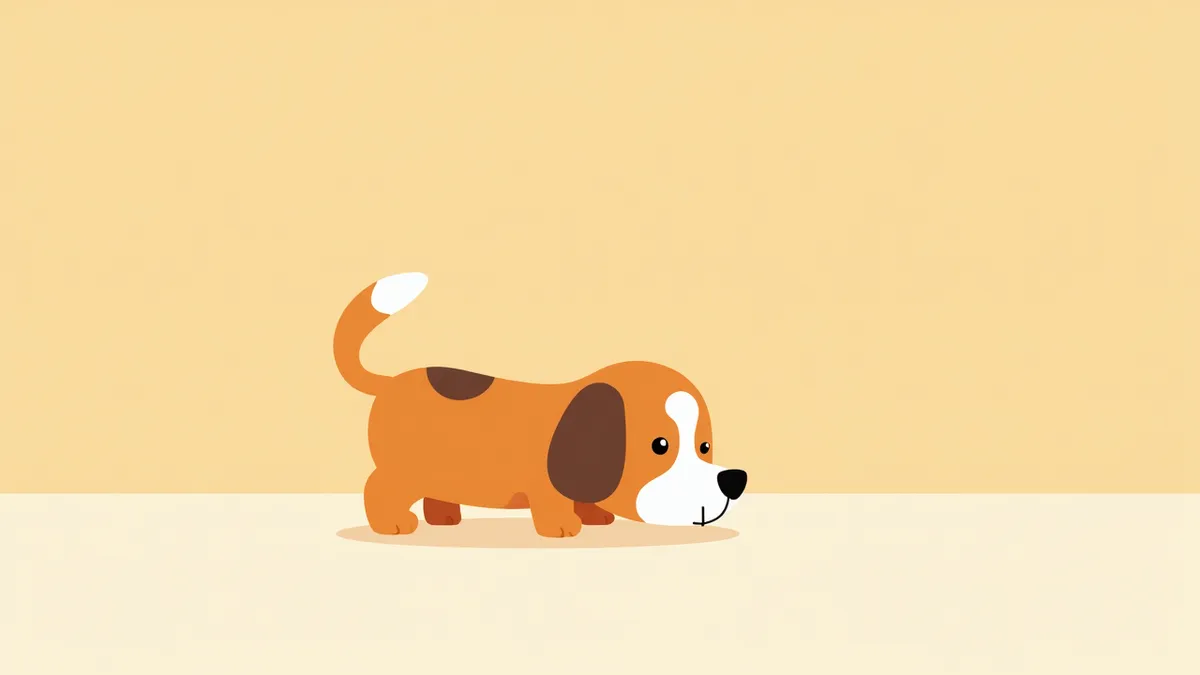
A visually impaired puppy exploring its surroundings by scent.
When caring for a blind dog or cat, the owner’s adaptation is the most important factor. Adjusting the daily environment and understanding your pet’s behavioral patterns are key to ensuring a safe and comfortable life. - Consistent Routine: Feed and walk your pet at the same time every day. - Use Sound Cues: Using specific sounds to give commands is an effective training method. - Compensate with Other Senses: Strengthen your pet’s sense of smell and hearing to help them learn new routes. - Safe Environment: Keep furniture arrangements unchanged and install stair guards. - Regular Check-ups: Consult with your veterinarian to quickly detect any changes in your pet’s condition.

Causes of Visual Impairment Are Diverse

Visual impairment in dogs and cats can stem from various causes, including genetic factors, aging, trauma, and systemic diseases. In particular, retinal and choroidal diseases may be influenced by trauma, systemic conditions, infections, and genetic predispositions. - Genetic and Retinal Diseases: Genetic factors often play a role in retinal and choroidal disorders. - Age-Related and Hypertension-Linked Changes: In senior pets, vision can be compromised by glaucoma or hypertensive retinopathy. Therefore, senior cats with chronic kidney disease or hyperthyroidism require regular blood pressure screenings. - Post-Traumatic Sequelae: Trauma can cause eye damage, such as retinochoroiditis, leading to vision loss. - Systemic Hypertension: Hypertension is a common cause of blindness. While complete retinal detachment can result in blindness, vision may be restored if hypertension is treated early. - Nutritional and Inflammatory Causes: Cats fed diets lacking taurine, such as dog food, may develop retinal degeneration leading to blindness. Inflammatory conditions like uveitis can also be a cause. - Need for Regular Check-ups: Routine ophthalmic examinations are essential for early detection.
Appearance of cataracts in a dog's eye

Identify Main Symptoms and Behavioral Changes

Dogs with vision impairment often exhibit sudden behavioral changes, such as disorientation, repeated collisions, increased fear responses, and hesitation even in familiar surroundings. These signs indicate stress and require prompt attention.
Repeated collisions: Frequently bumping into walls or furniture.
Increased fear responses: Excessive startle reactions to sudden noises or hiding behaviors.
Disorientation: Getting lost even on familiar routes.
Reduced movement: Decreased activity due to difficulty adapting to new environments.
These signals indicate that immediate environmental adjustments are necessary.

Immediate Veterinary Visit Is Necessary for Sudden Vision Loss

Sudden vision loss or cloudiness in the eyes may indicate an emergency, such as trauma, inflammation (uveitis), or retinal detachment caused by high blood pressure. In particular, hypertensive retinal detachment can often be reversed with early detection and treatment, so if you notice these symptoms, consult your veterinarian immediately for a thorough examination.

Examination Methods for Accurate Diagnosis
To accurately identify the cause of vision loss, a specialized ophthalmic examination is essential. - Fundus examination: Directly observes the retina to check for abnormalities. - Intraocular pressure measurement: A key test to determine whether glaucoma is present. - Cataract assessment: Checks whether the lens inside the eye has become cloudy. - Neurological evaluation: Assesses for abnormalities in the brain or visual pathways. - Imaging studies: MRI or CT scans can help identify complex underlying causes. - Collaboration with your veterinarian: Maintain ongoing communication with your vet to ensure an accurate diagnosis.
A veterinarian examining a puppy's eyes

Management Methods You Can Do at Home

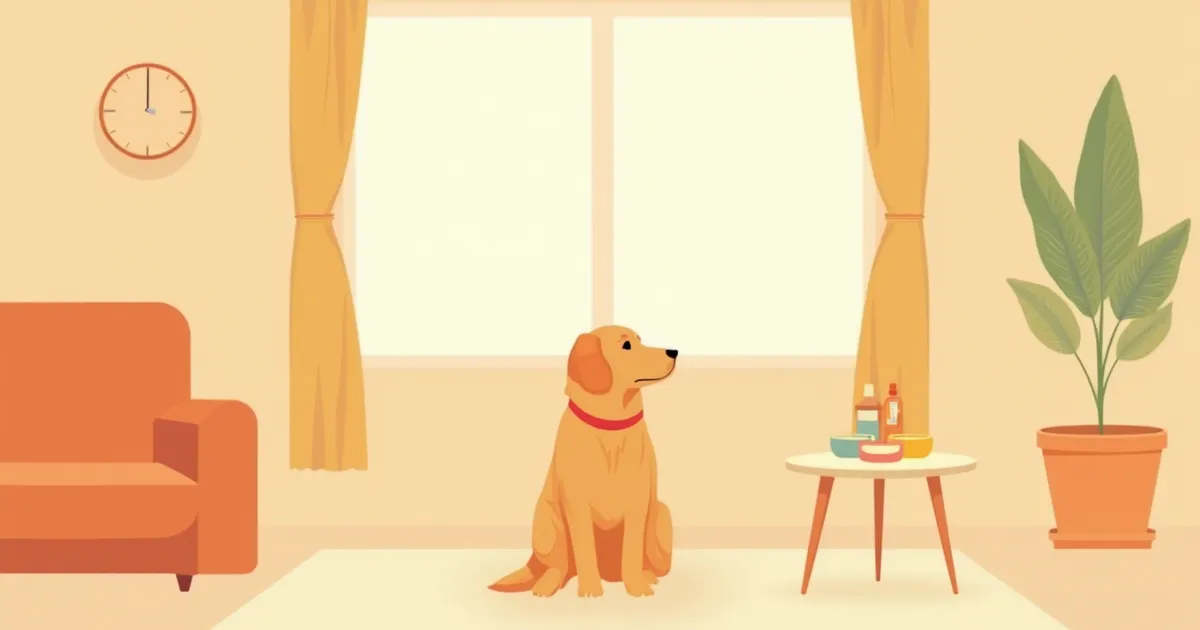
A safe and predictable environment is essential for dogs with visual impairments. It’s important to keep furniture in fixed positions, install stair guards, and use sound cues as signals.
Fixed furniture arrangement: Avoid moving furniture around.
Use of sound cues: Help your dog locate you by calling their name or using training sounds.
Install stair guards: Place non-slip mats or barriers on stairs to prevent falls.
Guide exploration with scent: Let your dog memorize the locations of food, toys, and their bed through smell.
Safe walking routes: Walk along consistent, familiar paths.
These adjustments greatly help reduce anxiety and restore confidence in visually impaired dogs.

Comparison of Management Methods for Visually Impaired Dogs

ItemManagement MethodEffectivenessDifficulty of PracticeAdditional Tips
Fixed furniture arrangementHighLowSimpleMore effective if you leave a scent on the furniture
Using sound cuesMediumMediumModerateRepeatedly use the same sound
Installing stair barriersHighLowModerateUse together with anti-slip pads
Guiding scent explorationHighMediumModerateKeep food and toy locations fixed

The effectiveness of each method varies depending on the dog's adaptation speed. Consistency is most important.

Environmental Changes Can Cause Significant Stress in Dogs

Environmental changes, such as moving furniture, introducing new appliances, or having visitors, can cause severe anxiety in visually impaired dogs. It is important to help them adapt gradually before the changes occur and to ensure they have a safe space.

Reviewed by a veterinarian

Dr. Tony — Punnawat Phongkittirak

Dr. Tony — Punnawat Phongkittirak

Veterinarian

A veterinarian who majored in veterinary medicine at Khon Kaen University, Thailand, and completed the IVSA program at North Carolina State University in the United States. Drawing on clinical experience at animal hospitals, he works in the pet healthcare field and is dedicated to building a digital care environment that connects pet parents with veterinarians.

Frequently Asked Questions

Can blind dogs go outside?
Yes, using a fixed walking route and a leash allows for safe outdoor excursions. It is important to guide your pet using your voice and sound signals.
Can a blind dog play with other dogs?
Yes, but it’s best to start in a quiet, predictable environment. Since your dog may have difficulty understanding other dogs’ behavior, your guidance and control are essential.
Is it possible to train a visually impaired dog?
Yes, training that leverages hearing and smell is entirely feasible. Commands such as “Sit,” “Stay,” and “Come” are readily retained when repeated verbally.
Is it okay to leave a blind dog home alone?
At first, your pet may feel anxious. However, by providing a safe environment and a consistent routine, they can learn to feel secure even when alone. Start with short periods of separation.
Do blind dogs have a shorter lifespan?
The prognosis depends more on the underlying disease causing the vision loss than on the vision loss itself. If the cause is a systemic condition, such as hypertension or chronic kidney disease, consistent management of that condition is essential. Even if your pet has lost their sight, they can live a stable and comfortable life with a safe environment and consistent care.

Share

Related Guides

References

[1] Esson DW, Calvaresi S. (2022). Clinical Atlas of Canine and Feline Ophthalmic Disease, 2nd Ed. John Wiley & Sons.

[2] Gelatt KN, Samuelson DA. (2005). Congenital and hereditary ocular abnormalities in dogs and cats. Veterinary Clinics of North America: Small Animal Practice, 35(3), 585–608.

[3] Plumb's Veterinary Drug Handbook, 9th Edition. (2022). Wiley-Blackwell.

This information is based on veterinary literature and does not replace diagnosis or treatment. Please consult a veterinarian for specific health concerns.

Metapet Co., Ltd. | CEO: Park Sung-yong | Business Reg. No. 417-88-02562 | Seoul, South Korea | Customer Center

Blind Dogs & Cats: Essential Care Q&A | Vet-Recommended Guide | Meongsiljang