
Like
Share
멍실장
강아지 신장 섬유증 기전 자주 묻는 질문 Q&A — 보호자가 꼭 알아야 할 핵심

Canine Renal Fibrosis Mechanism FAQ — Key Points Every Pet Owner Must Know

KidneyQ&AMeongsiljang Veterinary Advisory Board

Canine renal fibrosis is a condition in which kidney tissue gradually becomes hardened, making early detection and management crucial. Pet owners should be well-informed about its underlying mechanisms and how to address it.

What is the mechanism of canine renal fibrosis?

The tissue structure of a dog's kidney with advanced renal fibrosis
Canine renal fibrosis is a condition in which the kidney becomes stiff due to excessive buildup of fibrous tissue during the healing process after damage to the cells responsible for the kidney’s filtering function. - Causes of damage: Repeated inflammation, high blood pressure, or infections can injure kidney cells. - Onset of fibrosis: Damaged cells activate fibroblasts, leading to overproduction of fibrous proteins like collagen, which hardens the tissue. - Decline in function: As healthy kidney tissue is destroyed, the ability to produce urine and eliminate waste products gradually diminishes. - Progressive nature: This process advances slowly over time, making early detection essential for effective treatment. - Importance of early management: Establishing a care plan even before symptoms appear helps preserve kidney function for longer.

Understanding the core mechanisms is essential to understanding the mechanism
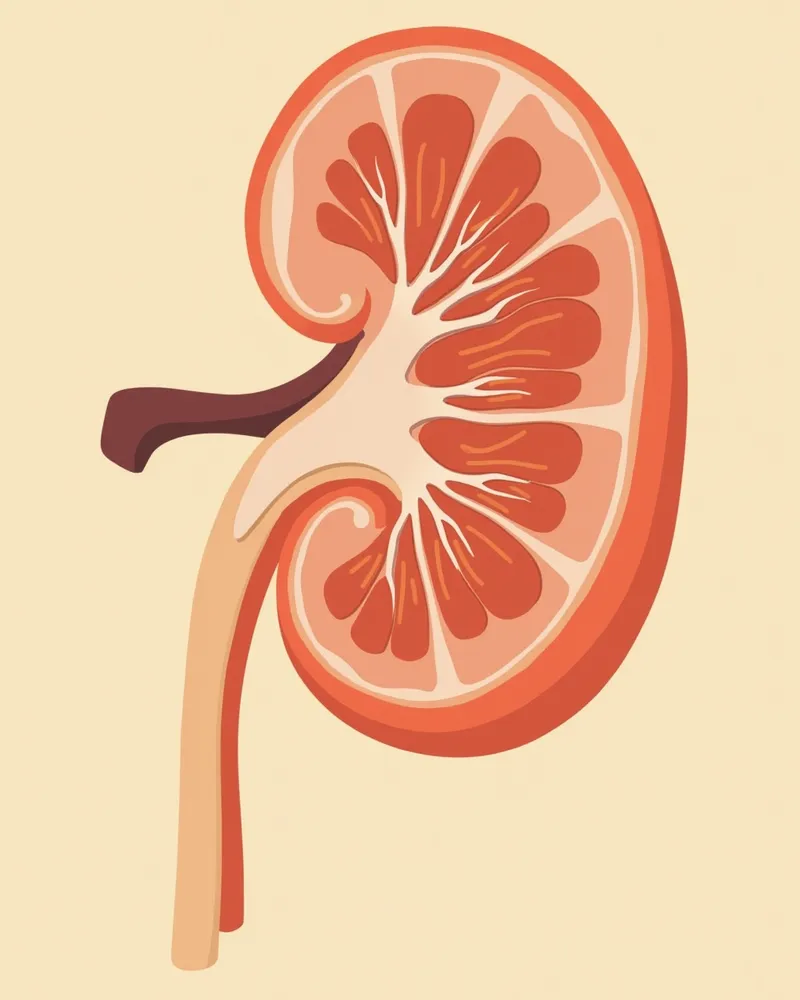
Renal fibrosis is primarily driven by persistent inflammatory responses. - Persistent inflammation: Damaged kidney cells trigger immune responses in an attempt to heal, leading to the excessive release of inflammatory mediators. - Fibroblast activation: In this inflammatory environment, fibroblasts become activated and produce excess fibrous proteins like collagen, causing the tissue to stiffen. - Replacement of healthy tissue: As fibrous tissue replaces normal kidney cells, renal function gradually declines. - Irreversibility: Once the tissue has hardened, it cannot regenerate or return to its original state. - Accelerated progression: Ongoing, repeated injury speeds up the rate of fibrosis. - Importance of early intervention: Early diagnosis and addressing the underlying cause are crucial for slowing disease progression.
The deposition of fibrous tissue observed in renal fibrosis

Understanding the key stages of the mechanism
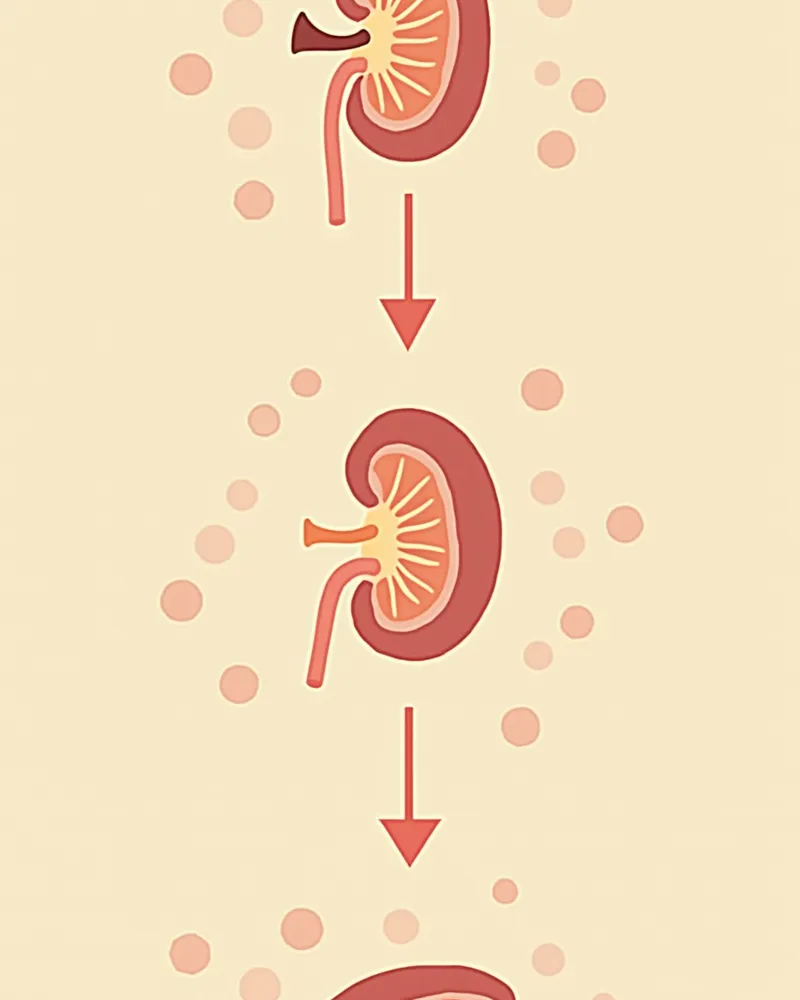
Kidney fibrosis in dogs progresses through three key stages. - Initiation of damage: Repeated episodes of chronic inflammation, high blood pressure, infection, or drug toxicity can damage kidney cells. - Progression of fibrosis: Damaged cells activate fibroblasts, which overproduce fibrous substances like collagen, causing the tissue to become stiff. - Decline in function: As healthy kidney tissue is destroyed, the ability to produce urine and eliminate waste gradually declines. This process is progressive, and early detection improves treatment success rates. - Irreversibility: Once the tissue has become stiff, it cannot naturally recover. - Importance of management: Early intervention and removal of underlying causes are essential to slowing disease progression.
An illustration showing the three-stage progression of renal fibrosis

What are the main causes related to the mechanism?

There are several key factors that trigger the mechanisms behind renal fibrosis in dogs. - Chronic inflammation and infection: Persistent damage from recurring infections or immune complex diseases can lead to the deterioration of kidney tissue. - Hypertension (increased intraglomerular pressure): Elevated pressure within the glomerular capillaries can damage the glomeruli, impairing filtration function and progressing kidney injury. - Toxins, medications, and poisoning: Certain toxins, drugs, or cases of poisoning can place strain on and damage the kidneys, potentially leading to chronic kidney disease. - Tumors: Kidney tumors can displace and destroy healthy kidney tissue, contributing to the development of chronic kidney disease. - Genetic predisposition: Conditions such as amyloidosis, glomerulopathy, and renal dysplasia can have a genetic basis in certain breeds, so caution is advised if there is a family history. - Recurrent injury: If the initial cause is not resolved and persists, lesions accumulate and the condition progresses, making early diagnosis and elimination of the underlying cause essential.
An illustration of a dog showing risk factors that can lead to renal fibrosis.

Comparison of symptoms and responses by mechanism stage

ItemMain featuresMain symptomsManagement approach
Early (injury trigger)Inflammatory response beginsAsymptomatic or mild fatigueRequires follow-up observation by a veterinarian
Middle (fibrosis progresses)Fibroblast activationIncreased water intake, increased urine outputBegin dietary control and medication
Late (functional decline)Destruction of normal tissueWeight loss, vomiting, dehydrationSerious management needed, veterinary consultation essential

Treatment strategy differs depending on the stage of the mechanism, so regular checkups are important.

Pet owner checkpoints for understanding the mechanism

To understand the mechanism of canine renal fibrosis, keep these key points in mind: - Progressive nature: Damage advances gradually, even before symptoms appear. - Importance of early detection: Managing the condition in its early stages helps preserve kidney function for longer. - Addressing underlying causes: It is essential to eliminate contributing factors such as hypertension, inflammation, or medications to halt progression. - Regular check-ups: Routine blood and urine tests are crucial, even in the absence of symptoms. - Collaboration with your veterinarian: Developing a personalized management plan together is the most effective approach. - Benefits of dietary management: An appropriate diet helps reduce the workload on the kidneys.
A Guardian’s Checklist for Understanding the Mechanisms of Renal Fibrosis

Visit the vet immediately if severe symptoms appear

If your pet shows symptoms such as vomiting, dehydration, lethargy, or a sudden decrease in urine output, it may indicate a severe decline in kidney function. In such cases, it's important to visit the vet immediately for blood and urine tests.

Develop a management strategy by understanding the mechanism

Understanding the underlying mechanisms helps you develop an effective management strategy. - Blood pressure control: Maintaining stable blood pressure can slow the progression of fibrosis. - Dietary management: Regulating protein and phosphorus intake helps reduce the burden on the kidneys. - Inflammation management: Treatment is necessary to reduce chronic inflammation. - Regular check-ups: Monitor disease progression through blood and urine tests, even in the absence of symptoms. - Caution with medications: Consult your veterinarian before using any drugs that may stress the kidneys. - The owner’s role: Early detection and consistent management are key to preventing disease progression.
Customized diet and planning for managing canine renal fibrosis

Reviewed by a veterinarian

Dr. Tony — Punnawat Phongkittirak

Dr. Tony — Punnawat Phongkittirak

Veterinarian

A veterinarian who majored in veterinary medicine at Khon Kaen University, Thailand, and completed the IVSA program at North Carolina State University in the United States. Drawing on clinical experience at animal hospitals, he works in the pet healthcare field and is dedicated to building a digital care environment that connects pet parents with veterinarians.

Frequently Asked Questions

Is canine renal fibrosis curable?
While a complete cure remains elusive at this time, early detection and proper management can help control symptoms and improve your pet's quality of life.
Are there any genetic factors involved?
Certain breeds have a confirmed genetic predisposition. Amyloidosis has been identified in Shar-Peis and Beagles, renal dysplasia in Shih Tzus and Lhasa Apsos, and glomerulonephropathy has been reported in various breeds, occurring regardless of breed size. If there is a family history, close attention is warranted.
How should I adjust my pet’s diet?
Use a veterinarian-recommended renal prescription diet to reduce the burden on your pet’s kidneys. These diets are formulated with low phosphorus levels, moderately restricted high-biological-value protein, and added omega-3 fatty acids to help manage inflammation and support renal blood flow. Never adjust the diet on your own without professional guidance.
How often should regular check-ups be performed?
Regular blood and urine tests are recommended to monitor kidney health. These tests involve repeated measurements of creatinine, SDMA, and other markers in a stable state to assess the stage of kidney function. The appropriate screening interval varies depending on your dog’s condition and risk level, so high-risk dogs should be tested more frequently. Please consult your veterinarian to determine the most suitable testing schedule for your pet.
What are the available drug treatments?
If your dog has high blood pressure or no protein in the urine, medications such as ACE inhibitors or ARBs, phosphate binders to lower blood phosphorus levels, and potassium supplements if needed may be used. Your veterinarian will prescribe the appropriate medications based on your dog’s condition and disease stage.

Share

Related Guides

References

[1] Plumb's Veterinary Drug Handbook, 9th Edition, 2022

[2] The Cat, Clinical Medicine and Management, 2nd Edition, 2021

[3] Small Animal Critical Care Medicine, 3rd Edition, 2020

This information is based on veterinary literature and does not replace diagnosis or treatment. Please consult a veterinarian for specific health concerns.

Metapet Co., Ltd. | CEO: Park Sung-yong | Business Reg. No. 417-88-02562 | Seoul, South Korea | Customer Center

Understanding Canine Renal Fibrosis: Essential Q&A for Pet Owners | Meongsiljang