Like
Share
멍실장
FHO 수술 후 재활, 집에서 어떻게 해줘야 해요?

How to Perform FHO Rehabilitation at Home — A Step-by-Step Essential Guide

JointQ&AMeongsiljang Veterinary Advisory Board

We’ve organized step-by-step rehabilitation exercises and essential home care tips for dogs after femoral head ostectomy (FHO), based on veterinary surgery textbooks.

What Is FHO Rehabilitation?
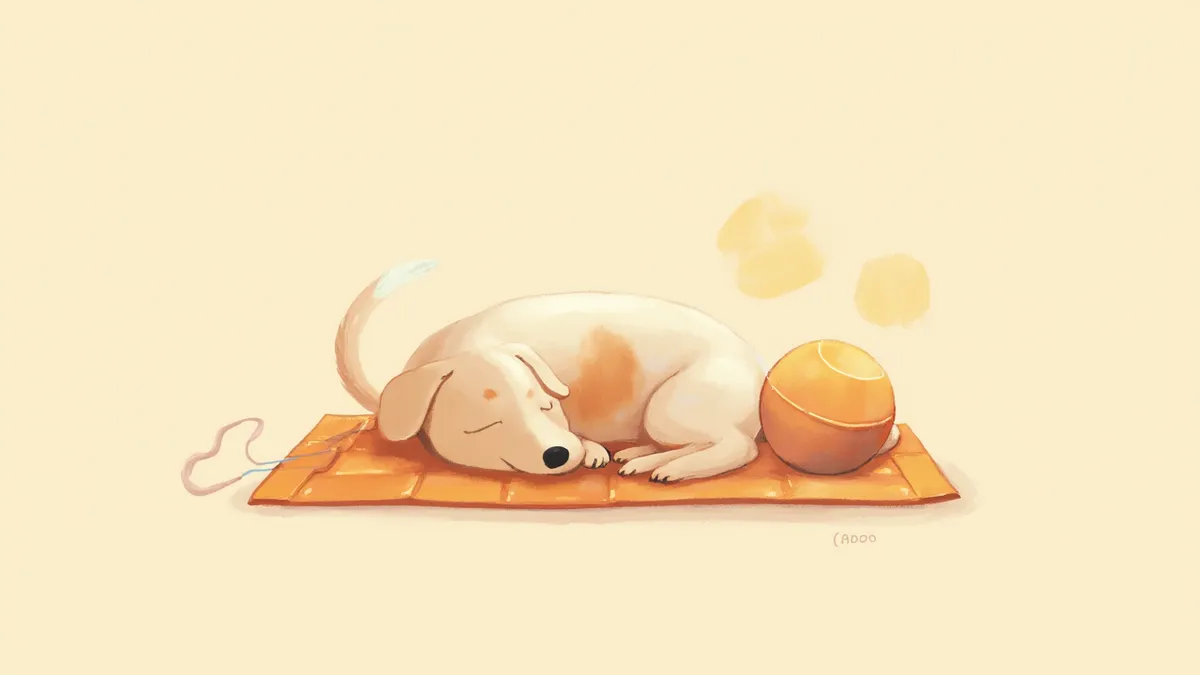
A puppy beginning rehabilitation after FHO surgery
FHO rehabilitation is the recovery process that trains muscles and movement to help a "pseudoarthrosis" (a false joint made of fibrous tissue) form strongly in place of the removed bone after a femoral head ostectomy (FHO) surgery in dogs. The key point of FHO is that it is not a surgery involving artificial joint replacement, but rather a procedure that allows surrounding muscles and fibrous tissues to take over the joint's function. Therefore, simply resting without activity can lead to muscle atrophy and decreased leg function. Veterinary surgery textbooks explain that animals receiving post-operative physical therapy (rehabilitation) recover more quickly and completely than those who do not, making consistent rehabilitation under the guidance of your veterinarian crucial from the early stages of recovery. However, the start time and intensity may vary depending on the surgical method, so it is essential to consult with your veterinarian.

Why Is Rehabilitation Necessary Immediately After Surgery?

FHO is a surgical procedure that removes the femoral head, allowing muscles and scar (fibrous) tissue to fill the space where the bone originally articulated. This tissue forms what is known as a "false joint" or pseudoarthrosis. If left unmanaged over time, this can lead to complications such as fibrous nonunion or resorption of the femoral neck, making consistent post-operative care essential. Veterinary surgical textbooks note that animals receiving post-operative physical therapy (rehabilitation) recover more quickly and completely than those that do not. Additionally, prolonged inactivity can cause muscle atrophy, and it may take two to four times as long as the period of immobility to rebuild that lost muscle mass. Therefore, it is beneficial to begin gentle stimulation, such as passive range of motion (PROM) exercises, as early as permitted by your veterinarian. Without adequate movement stimulation, the fibrous tissue and joint can stiffen, leading to reduced function.

Step-by-Step Rehabilitation Schedule

The recovery process is divided into four main stages. We’ve summarized the goals and representative exercises for each stage in a table. However, the pace of recovery may vary depending on your dog’s weight, age, and muscle condition, so it’s essential to consult with your veterinarian.

The 4 Stages of FHO Rehabilitation

ItemStage 1 (0–2 weeks)Stage 2 (2–4 weeks)Stage 3 (4–8 weeks)Stage 4 (after 8 weeks)
GoalPain management, edema reductionBegin weight bearingMuscle strength recoveryReturn to normal activity
Representative exercisesPassive joint exercise, cold compressShort leashed walks 5 minutesIncline walking, aquatic therapyGradually allow stairs and jumping
Daily exercise amount5 minutes × 3 times10 minutes × 2 times15–20 minutes × 2 times30 minutes or more possible
Contraindicated behaviorsJumping and running strictly forbiddenSlippery floors forbiddenSudden direction changes forbiddenCaution with prolonged high-intensity exercise

Based on Millis & Levine, Canine Rehabilitation and Physical Therapy (2014)

3 Essential Exercises to Do at Home
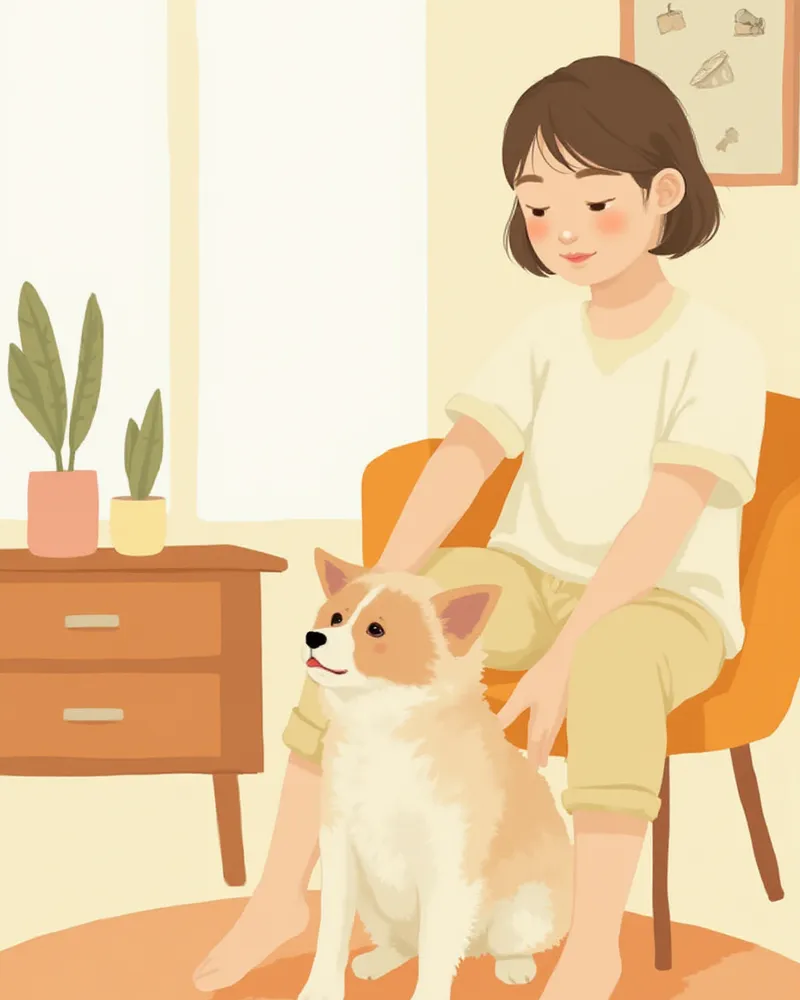
For the two weeks following surgery, these three steps are essential: - Passive Range of Motion (PROM): Lay your dog on its side and slowly bend and extend the operated leg until you notice signs of discomfort. According to standard guidelines, 10–20 repetitions per session, 3–4 times daily, is appropriate. - Cold Therapy (Ice Packs): Place a thin towel over the surgical site and apply it for 5–10 minutes to help reduce pain, swelling, and inflammation. Repeat this 3–4 times a day. (Note: Heat therapy is not recommended immediately after surgery; it is best used 2–3 days post-operation, once acute inflammation has subsided.) - Weight-Shifting Exercises: While your dog is standing, gently rock its hips side to side to encourage gradual weight distribution onto the operated leg. If your dog experiences significant pain during these exercises, stop immediately and contact your veterinarian.
A caregiver performing passive range-of-motion exercises on a puppy’s legs.

Visit the Clinic Immediately If You Notice These Signs!

Complications can still arise during rehabilitation. If you notice any of the following signs, stop the exercise immediately and visit the clinic: - Pus, foul odor, or bleeding from the surgical site - The operated leg is not touching the ground at all after two weeks - Sudden yelping or leg trembling during exercise - Loss of appetite lasting more than three days - Redness, swelling, and warmth at the surgical site In particular, if the leg remains unused after two weeks, it may indicate a failure in the formation of a false joint.

Is Hydrotherapy (Underwater Treadmill) Mandatory?

Hydrotherapy is considered an effective exercise for FHO rehabilitation. Because water is denser than air, moving through it requires greater effort, which helps strengthen muscles, while buoyancy reduces weight-bearing stress on the joints, allowing muscles to build without excessive strain. In particular, underwater treadmills reduce the load on the surgical site while encouraging gentle weight-bearing on the legs. Although textbooks state that combining physical therapy leads to faster and more complete recovery, there are no fixed figures, such as "X% faster than simple walking." If the cost is a concern, trying it just once or twice a week is still worthwhile. If that’s not feasible, you can supplement with slow walks on inclines or controlled stair climbing to practice bearing weight on the operated leg.
A puppy undergoing rehabilitation exercises on an underwater treadmill

Setting Up the Home Environment During Rehabilitation

The environment your dog recovers in plays a major role in how quickly they heal. Here are the essentials to keep in mind: - Non-slip mats: Tile and hardwood floors can be slippery and increase the risk of injury. Place non-slip mats along your dog’s entire walking path. - Low beds and stair barriers: Prevent your dog from jumping on sofas or beds by using barriers or step aids. Avoid high-impact activities like jumping or leaping. - Leash walks are a must: For at least eight weeks, do not let your dog off-leash. Sudden running, especially when seeing other dogs, can strain the healing pseudoarthrosis. - Weight management: Excess weight puts additional stress on the joints, so maintaining a healthy weight is important. Do not adjust food portions on your own—consult your veterinarian to determine the appropriate weight and feeding amount.

3 Key Factors for Successful FHO Rehabilitation

Here’s the key to successful rehabilitation, according to our veterinary surgery advisory board. 1. Consistency: Missing sessions for even a few days can lead to rapid muscle loss. Stick to a daily routine at set times. The longer your pet has been unable to use their leg, the longer it will take to rebuild lost muscle—often two to four times the duration of the inactive period. 2. Pain management: If your pet is in pain, they won’t use their leg. Administer prescribed pain medication as directed, but never adjust the dosage on your own. 3. Weight management: Excess weight increases stress on the joints, so maintaining a healthy weight is essential. Do not set weight-loss goals or adjust food portions on your own; instead, consult your veterinarian to determine an appropriate plan.

Reviewed by a veterinarian

Dr. Tony — Punnawat Phongkittirak

Dr. Tony — Punnawat Phongkittirak

Veterinarian

A veterinarian who majored in veterinary medicine at Khon Kaen University, Thailand, and completed the IVSA program at North Carolina State University in the United States. Drawing on clinical experience at animal hospitals, he works in the pet healthcare field and is dedicated to building a digital care environment that connects pet parents with veterinarians.

Frequently Asked Questions

When can my dog start walking after FHO surgery?
Starting the day after surgery, if your veterinarian approves, you can take your pet for very short walks (1–2 minutes) on a leash at a slow pace. However, depending on the surgical procedure, weight-bearing on the affected leg may be restricted for several days initially, so always follow your veterinarian’s specific instructions regarding when and how to begin. If your pet continues to avoid using the operated leg entirely as time passes, consult your veterinarian.
How long does it take for the rehabilitation to be fully completed?
Recovery time varies significantly depending on your dog’s weight, age, muscle condition, and surgical method, so it’s difficult to provide a one-size-fits-all timeline. In particular, the longer your dog was unable to use their leg, the more time it may take to rebuild lost muscle—often two to four times the duration of immobility. For an accurate recovery schedule and prognosis, it’s best to consult with your veterinarian for a personalized assessment.
Can’t I do rehabilitation at home on my own? Do I really need to go to a specialized rehab clinic?
For mild cases or small-breed dogs, home care is usually sufficient. However, for large-breed dogs, senior dogs, or those who have undergone bilateral FHO surgery, aquatic therapy or guidance from a physical therapist can significantly improve recovery outcomes. If your schedule allows, we recommend visiting a specialized clinic at least once a week.
Is there a chance my pet won’t be able to use the operated leg normally afterward?
With proper rehabilitation, most dogs regain normal gait. However, reported complications may include the operated leg appearing slightly shorter than the unaffected side, a mild limp during jumping, and a somewhat reduced range of motion in the hip joint. Functionally, there are generally no significant issues, but please consult your veterinarian if you notice any concerning changes.
How long should I continue giving my pet pain medication?
Pain medication is prescribed by your veterinarian for a specific duration, depending on the type of surgery and the extent of recovery. Do not stop the medication on your own, as unmanaged pain may cause your pet to avoid using the affected leg, which can compromise rehabilitation. Always administer the medication exactly as prescribed, and if long-term use is necessary, regular liver and kidney function tests are recommended.

Share

Related Guides

References

[1] Fossum TW. Small Animal Surgery. 5th ed. Elsevier; 2019. Chapter: Diseases of the Joints - Femoral Head and Neck Excision

[2] Millis DL, Levine D. Canine Rehabilitation and Physical Therapy. 2nd ed. Elsevier; 2014

[3] Tobias KM, Johnston SA. Veterinary Surgery: Small Animal. 2nd ed. Elsevier; 2018

[4] Grisneaux E et al., Comparison of postoperative analgesic effects after FHO in dogs. J Am Vet Med Assoc, 1999

This information is based on veterinary literature and does not replace diagnosis or treatment. Please consult a veterinarian for specific health concerns.

Metapet Co., Ltd. | CEO: Park Sung-yong | Business Reg. No. 417-88-02562 | Seoul, South Korea | Customer Center

FHO Rehabilitation at Home: A Step-by-Step Essential Guide | Meongsiljang