
Like
Share
멍실장
강아지 저작 근육염 자주 묻는 질문 Q&A — 보호자가 꼭 알아야 할 핵심

Masticatory Myositis in Dogs: Frequently Asked Questions — Key Information Every Pet Owner Should Know

Oral HealthQ&AMeongsiljang Veterinary Advisory Board

Masticatory myositis in dogs is a serious condition that makes it difficult for them to open their mouths, so early detection and treatment are crucial. Here’s a summary of the key information every pet owner should know.

What is Masticatory Myositis in Dogs?

Symptoms of masticatory muscle myositis in dogs that have difficulty opening their mouths
Masticatory myositis in dogs is an autoimmune disease in which the immune system mistakenly attacks the masticatory muscles needed to open the mouth, causing inflammation. This restricts jaw movement and can make it difficult for the dog to even put food into its mouth. Clinically, the most characteristic sign is difficulty opening the mouth, and as the ability to eat and swallow progressively declines, nutritional status may worsen. In the early stages, movement is limited due to muscle inflammation, and early detection and treatment play a crucial role in preventing symptom progression.

What are the Main Causes of This Condition?

The primary cause of masticatory myositis in dogs is an autoimmune reaction, in which the immune system mistakenly identifies the jaw muscles as foreign and attacks them. While the exact trigger remains unclear, it is classified as an immune-mediated disease. Certain breeds are predisposed, including German Shepherds, Hungarian Vizslas, and Cavalier King Charles Spaniels, with a tendency for occurrence in large breeds and young adult dogs. - Autoimmune mechanism: This pathological process involves immune cells recognizing the jaw muscles as foreign, leading to inflammation. The main targets are muscle fiber components unique to the masticatory muscles. - Breed predisposition: Cases are primarily reported in medium- to large-breed dogs, such as German Shepherds, Hungarian Vizslas, and Cavalier King Charles Spaniels. - Age and sex of onset: The condition tends to occur in young adult dogs, with no reported differences between sexes. - Importance of early diagnosis: Accurately identifying the cause and assessing the condition allows for a more effective treatment plan.
The process by which immune cells attack the jaw muscles

What are the Main Symptoms?

A hallmark sign of masticatory myositis in dogs is difficulty opening the mouth. This occurs because inflammation of the masticatory muscles restricts jaw movement, and the condition tends to worsen over time. When opening the mouth becomes difficult, even placing food inside can be challenging, which may lead to reduced food intake. In some cases, difficulty eating can result in weight loss, though the rate and timing vary from one animal to another. While pain responses may be present, a thorough veterinary examination is essential to confirm the diagnosis.
A puppy showing swelling around the mouth and difficulty swallowing

Signs Requiring Immediate Veterinary Visit

If your pet is unable to open its mouth or eat, prompt veterinary care is essential. Prolonged inability to eat can lead to malnutrition and dehydration, which may cause a rapid decline in health. If these symptoms persist for more than one to two days, it is important to consult a veterinarian. A thorough initial examination and diagnostic tests are necessary for an accurate diagnosis.

What Tests are Needed for an Accurate Diagnosis?
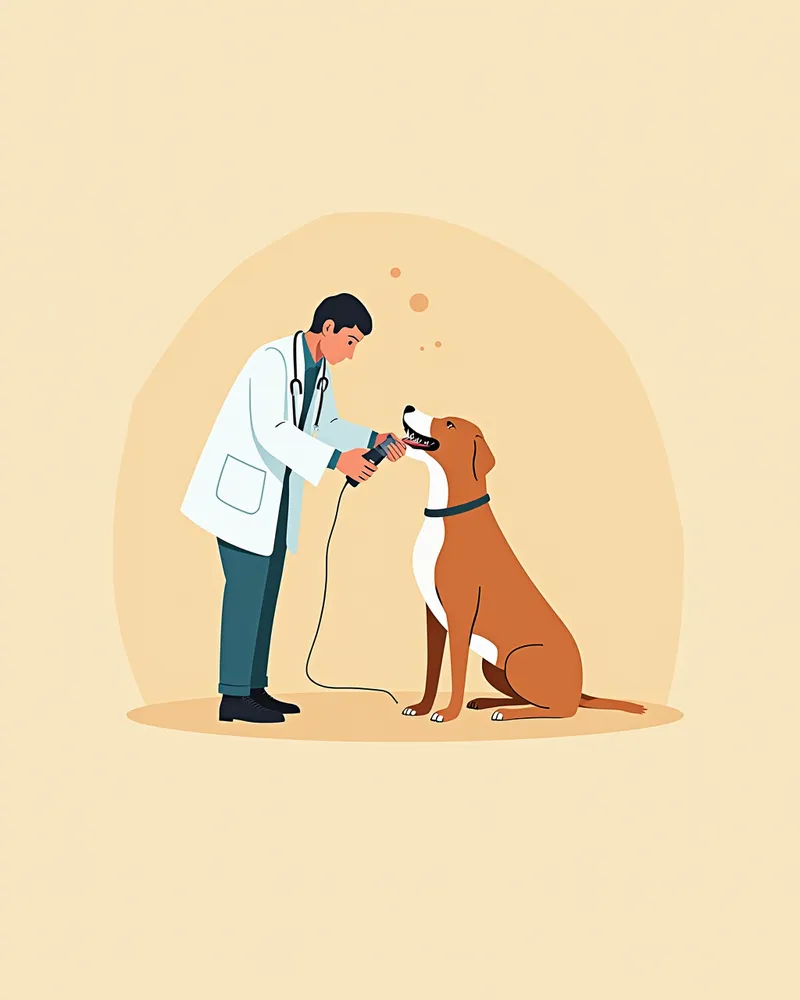
An accurate diagnosis of masticatory myositis in dogs requires a direct veterinary examination. The veterinarian will assess jaw and mouth movement, pain response, and any atrophy or swelling of the masticatory muscles. Blood tests can check for elevated levels of creatine kinase (CK), a muscle enzyme. The most characteristic diagnostic test is an antibody test targeting type 2M (2M) muscle fibers; detection of these antibodies confirms the diagnosis. However, it’s important to consider that antibody levels may decrease in the chronic stage. If necessary, a muscle biopsy may be performed to evaluate inflammatory cell infiltration and muscle fiber necrosis. Diagnosis should not rely on a single test but rather on a comprehensive evaluation of multiple test results.
A veterinarian examining a puppy's jaw.

What are the Treatment Methods?

The cornerstone of treating masticatory myositis in dogs is modulating the immune system. Corticosteroids are the primary treatment, typically starting at an appropriate dose and gradually tapering once symptoms are under control. Because side effects such as increased appetite, thirst, and urination may occur during medication, close monitoring and regular consultation with your veterinarian are essential. Uncontrolled inflammation can lead to painful atrophy of the chewing muscles, making proper management critical. The duration of treatment varies depending on the clinical condition and may extend long-term or even for life. To help prevent relapse, regular check-ups are recommended even after early treatment has been completed.
A veterinarian prescribing steroid medication.

How to Manage at Home?

Choose soft, easy-to-swallow foods that accommodate the difficulty in opening the mouth during meals. You can also feed your pet directly using a straw, spoon, or syringe to ensure adequate nutritional intake. Since side effects may occur while on medication, monitor your pet closely and consult your veterinarian. Keep exercise at a moderate level to reduce strain on the muscles, and avoid excessive activity. Regularly recording changes in mouth movement and body weight can also be helpful.
Feeding a dog soft food with a spoon

Comparison of Management Points by Treatment Stage

ItemMain GoalMain MeasuresPrecautions
Initial TreatmentSuppress inflammationStart immunosuppressive therapy (e.g., steroids)Dietary control and careful observation
Mid-Stage TreatmentGradual reduction of medicationObserve muscle function recoveryMonitor and adjust for side effects
Recovery PeriodEvaluate whether function has recoveredPrepare to adjust or discontinue medicationRegular checkups and recurrence prevention care

The treatment duration and management approach may vary depending on the individual's condition and response and may continue for a long time, so it should be adjusted according to the veterinarian's instructions.

Reviewed by a veterinarian

Dr. Tony — Punnawat Phongkittirak

Dr. Tony — Punnawat Phongkittirak

Veterinarian

A veterinarian who majored in veterinary medicine at Khon Kaen University, Thailand, and completed the IVSA program at North Carolina State University in the United States. Drawing on clinical experience at animal hospitals, he works in the pet healthcare field and is dedicated to building a digital care environment that connects pet parents with veterinarians.

Frequently Asked Questions

Can masticatory myositis in dogs be cured?
With early treatment, muscle function can be restored, and some dogs may achieve full functional recovery. However, there is a risk of recurrence, and treatment may need to continue long-term or even for life, so consistent management is essential.
Can this condition be genetic?
Some reports suggest that certain breeds may have a higher predisposition to developing the condition, although the exact genetic mechanisms remain unclear.
What should I do if my pet experiences side effects while taking medication?
If side effects such as increased appetite, increased water intake, increased urination, or nausea occur, please contact your veterinarian immediately. Do not continue or stop the medication on your own, as dosage adjustments may be necessary.
What other causes might prevent a pet from opening its mouth?
Infections in the mouth, jaw joint problems, nerve damage, tetanus, and temporomandibular joint disease can also make it difficult for your pet to open its mouth. It’s important to consult with a veterinarian for an accurate diagnosis.
Is there a way to prevent it?
For breeds that are predisposed to this condition, regular health check-ups are essential for early detection. Since early treatment is the key to a successful outcome, we recommend closely monitoring your pet for any symptoms.

Share

Related Guides

References

[1] Packer RMA, Berendt M, Bhatti S, et al. (2015). Inter-observer agreement in the diagnosis of canine masticatory myositis. J Vet Intern Med 29(3):987–993.

[2] Veterinary Immunology, 11th Edition. Chapter 38: Autoimmune Myositis in Dogs. Elsevier, 2023.

[3] Clinical Medicine of the Dog and Cat, 4th Ed. Blackwell Publishing, 2011. Section on Immune-Mediated Myopathies.

This information is based on veterinary literature and does not replace diagnosis or treatment. Please consult a veterinarian for specific health concerns.

Metapet Co., Ltd. | CEO: Park Sung-yong | Business Reg. No. 417-88-02562 | Seoul, South Korea | Customer Center

Masticatory Myositis in Dogs: 5 FAQs for Pet Owners | Meongsiljang