

Dog Oral Bacteria and Systemic Diseases FAQ — Key Information Every Pet Owner Must Know
Oral bacteria in dogs can lead to systemic diseases affecting the heart, kidneys, and liver, extending beyond just dental issues. Here’s a summary of the essential information every pet owner should know.
The Core Relationship Between Dog Oral Bacteria and Systemic Diseases

Why Can Oral Bacteria Cause Systemic Diseases?
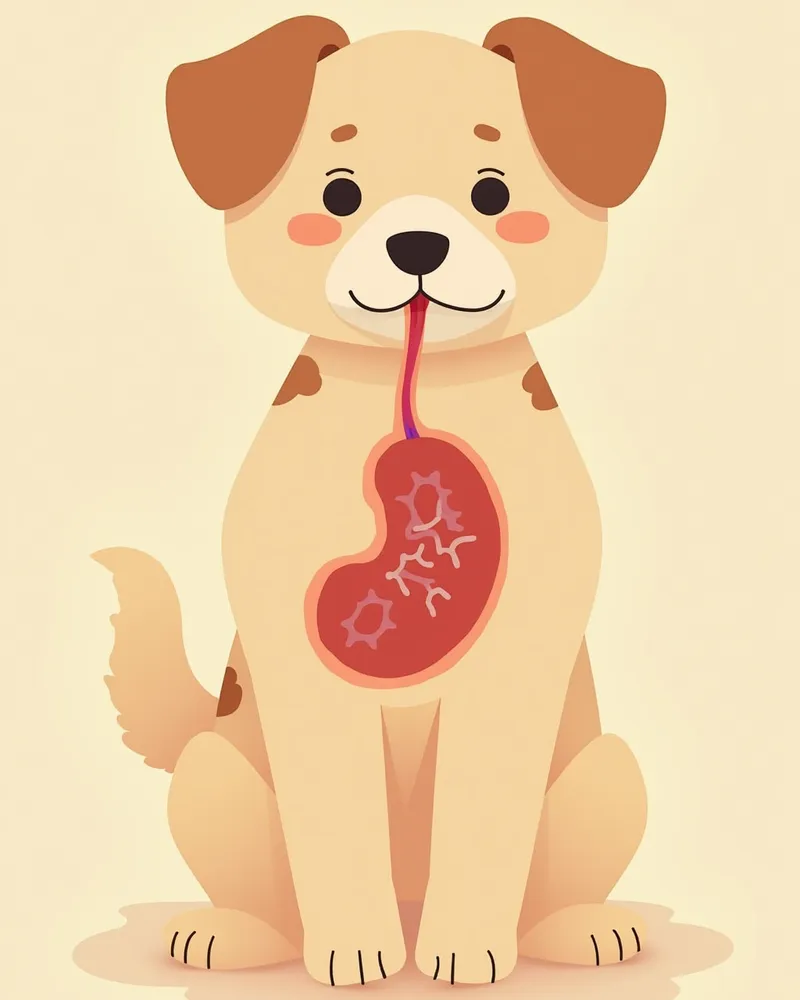
Main Types of Systemic Diseases Associated with Oral Bacteria
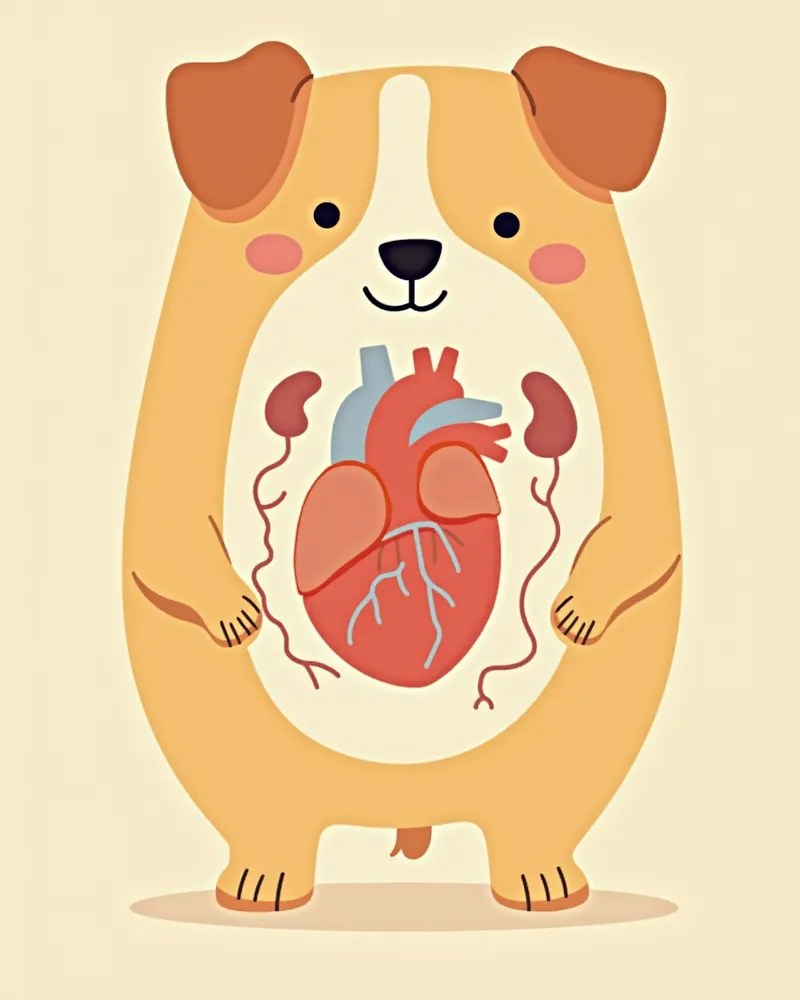
Signs Requiring an Immediate Vet Visit
If your dog has severe bad breath, shows reluctance to eat, and has a sudden drop in activity level, you should visit the vet immediately. Excessive drooling, frequent pawing at the mouth, difficulty chewing due to pain, or loose teeth that are falling out may also be signs of advanced periodontal disease. These symptoms suggest that oral problems may have progressed significantly, so prompt diagnosis and treatment are essential.
Regular Care Methods for Oral Health

Oral Health Signs Pet Owners Often Miss

Comparison of Oral Health Care Methods
| Item | Effectiveness | Cost | Frequency |
|---|---|---|---|
| Daily Brushing | High | Inexpensive | Daily |
| Dental Treats | Supplementary | Moderate | Daily |
| Scaling | Very high | High | When recommended by a veterinarian |
| Oral Spray | Limited evidence | Inexpensive | Daily |
Scaling is performed by a veterinarian under general anesthesia. Daily brushing is the most basic and effective, and scaling is best done according to the veterinarian's recommendation depending on the gum condition.
Caution: Risks from Improper Care
Brushing your dog’s teeth too vigorously or using human toothpaste can damage their oral tissues. Human toothpastes often contain detergents, foaming agents, and fluoride, which can cause toxicity or gastrointestinal upset if swallowed in large amounts by dogs who cannot rinse their mouths. Therefore, it is essential to use products specifically formulated for dogs. Neglecting oral health can lead to oral infections that may progress to sepsis, potentially resulting in systemic complications such as septic arthritis or osteomyelitis. Regular veterinary check-ups and proper oral care are crucial. Managing your dog’s oral health under the guidance of a veterinarian ensures safety and effectiveness.
Reviewed by a veterinarian

Dr. Tony — Punnawat Phongkittirak
VeterinarianA veterinarian who majored in veterinary medicine at Khon Kaen University, Thailand, and completed the IVSA program at North Carolina State University in the United States. Drawing on clinical experience at animal hospitals, he works in the pet healthcare field and is dedicated to building a digital care environment that connects pet parents with veterinarians.
Reviewed 2026-06-29
Frequently Asked Questions
Is your dog’s bad breath a sign of a dental problem?
Can oral bacteria cause heart disease?
How often should dental scaling be performed?
Is it safe to use human toothpaste on dogs?
What kind of treats are good for oral health?
Share
Related Guides

7 Best Cat Dental Chews for Tartar Prevention Recommended by Veterinarians and Selection Criteria

Top 5 Recommended Dental Treats for Dogs in 2026 — VOHC Certification Criteria

7 Criteria for Choosing Dog Tartar Prevention Dental Chews Recommended by Veterinarians
What is feline ureteral obstruction? — Why is it an emergency?

Frequently Asked Questions (Q&A) on Feline Hypertrophic Cardiomyopathy Genetic Testing — Key Information Every Pet Owner Should Know

Something in your dog’s eye — how far can you go with first aid at home?

Feline Eyelid Tumors: Benign or Malignant? — Symptoms and Timing of Surgery

If Your Dog’s Flank Hair Falls Out Seasonally — Key Q&A on Seasonal Alopecia

What are adrenal medullary tumors in dogs? — Pheochromocytomas, why are they dangerous?

Canine Cushing’s Disease (Hyperadrenocorticism) FAQ — Key Information for Pet Owners
References
[1] Blake, A.B. and Suchodolski, J.S. (2016) Importance of gut microbiota for the health and disease of dogs and cats. Animal Frontiers 6, 37–42.
[2] Morris DO, Rook KA, Shofer FS et al. (2006) Screening of Staphylococcus aureus, S. intermedius, and S. schleiferi isolates obtained from small companion animals for antimicrobial resistance. Veterinary Dermatology 17, 332-338.
[3] Johnson et al. (2013) Bacterial colonization of the respiratory epithelium in dogs and cats. Veterinary Journal 197, 1-8.