Like
Share
멍실장
단두종 마취 protocol과 위험

Brachycephalic Breed Anesthesia Protocol and Risks

ImmunityQ&AMeongsiljang Veterinary Advisory Board

Brachycephalic breeds such as Pugs, Bulldogs, and Shih Tzus have a higher risk of anesthesia-related complications due to their unique anatomical features. We’ve outlined the safety protocols to follow before, during, and after surgery, along with key checkpoints for pet owners.

What Is Anesthesia for Brachycephalic Breeds? Why Is It Risky?
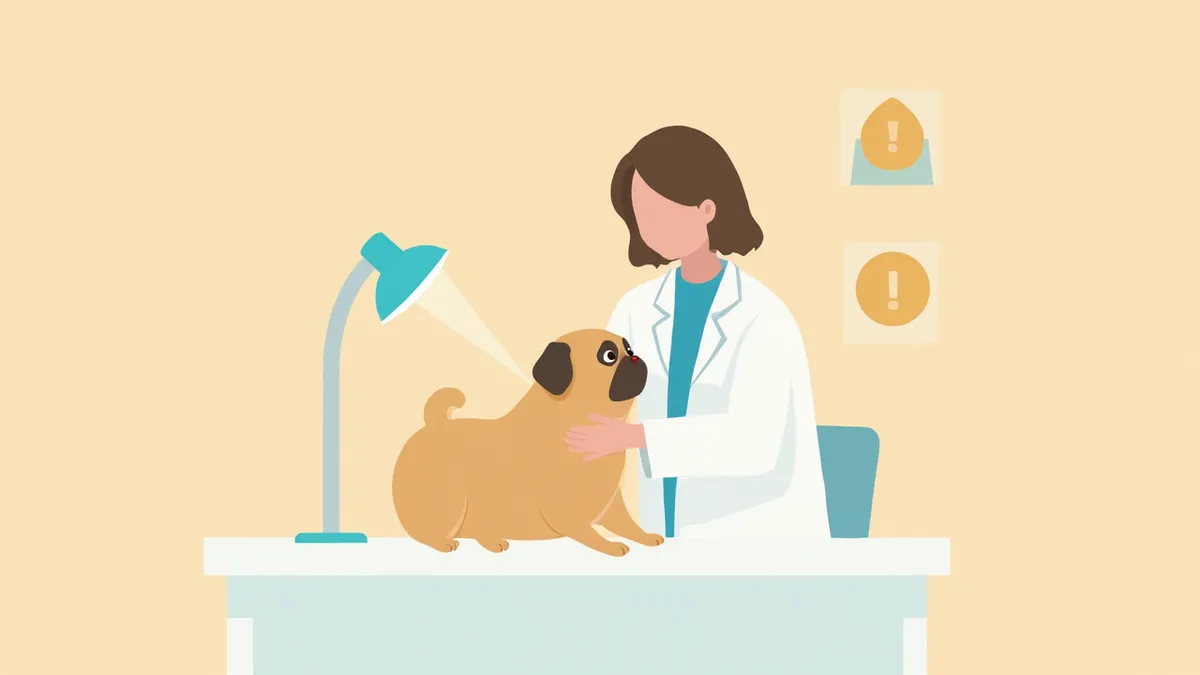
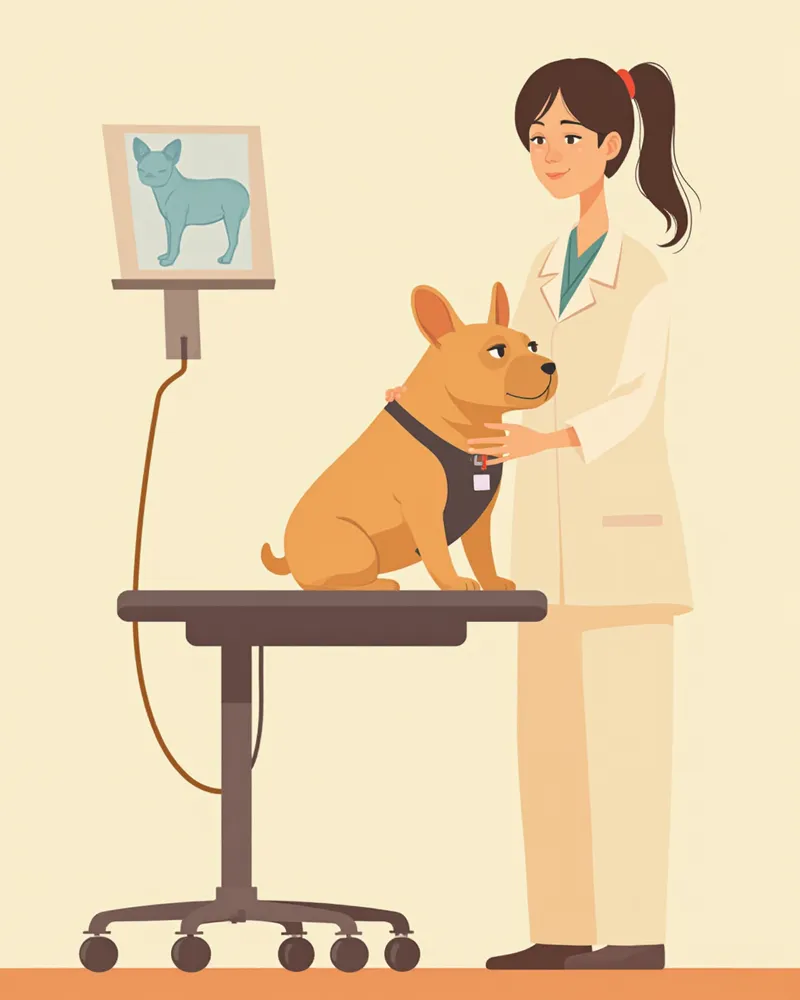
A Pug undergoing a respiratory examination by a veterinarian.
Anesthesia for brachycephalic breeds is a general anesthesia procedure performed on dogs with short muzzles and narrowed nasal passages and airways, such as Pugs, French Bulldogs, Shih Tzus, and Pekingese. The most critical aspect is airway management. Due to their elongated soft palates and narrowed nostrils, brachycephalic breeds face a significantly higher risk of airway obstruction during induction and recovery compared to other breeds. Therefore, meticulous monitoring for 30 minutes to 2 hours before and after anesthesia is often more decisive for the success of the surgery than the procedure itself.

Anatomical Reasons Why Brachycephalic Breeds Are at Higher Anesthesia Risk

Brachycephalic breeds inherently suffer from Brachycephalic Obstructive Airway Syndrome (BOAS). Because their skulls are wider than they are long, the surrounding soft tissues do not shrink proportionally. As a result, excess tissue—such as an elongated soft palate, narrowed nostrils, and everted laryngeal saccules—bulges into the airway, increasing resistance to airflow. This is why these dogs often snore and pant heavily even at rest. When anesthesia relaxes the muscles, the airway narrows further. Veterinary anesthesia and surgery textbooks explain that this upper airway obstruction reduces gas exchange, raising the risk of hypoxemia. Brachycephalic breeds are at higher risk for respiratory complications such as regurgitation and aspiration pneumonia before and after anesthesia, requiring more meticulous airway management and monitoring than non-brachycephalic dogs.

Essential Pre-Surgical Test Checklist

Brachycephalic breeds require additional pre-anesthetic tests beyond the standard screening. - Chest X-rays: To assess for tracheal collapse and lung condition - Blood work: To evaluate for anemia, liver function, and kidney function - Echocardiogram: Recommended for dogs aged 7 years or older, or if underlying heart disease is suspected - Airway endoscopy: To check soft palate length and laryngeal saccule condition - Adjusted fasting time: While 8–12 hours is standard for most dogs, we recommend a 6-hour fast for brachycephalic breeds to prevent reflux If any of these tests are missing, we will need to revise the anesthesia plan.
A French Bulldog undergoing a chest X-ray examination

Comparison of Anesthesia Protocols: General Breeds vs. Brachycephalic Breeds

ItemGeneral dogsBrachycephalic breeds
Fasting time8–12 hours6 hours (to prevent reflux)
Premedication drugsStandard sedativesGastric acid suppressants + antacids combined
Endotracheal intubationWithin 30–60 seconds after inductionImmediately after induction (within 10 seconds)
Extubation timingAfter regaining consciousnessAfter full arousal and confirmed swallowing reflex
Oxygen supplyDuring surgeryContinuous before, during, and after surgery
Monitoring time30 minutes after anesthesia endsAt least 2–4 hours after anesthesia ends

Based on veterinary anesthesiology textbooks and American College of Veterinary Surgeons recommendations

Information Owners Must Share Before Surgery

Please share all of the following details during the pre-surgical consultation: the severity of your pet’s usual snoring, how long panting lasts after exercise, whether cyanosis (a bluish-purple discoloration of the tongue) occurs when excited, any history of vomiting or regurgitation, the frequency of recent coughing or sneezing, and any medications currently being taken. If your pet has experienced respiratory symptoms within the past month, it is safer to postpone anesthesia by one to two weeks. Even if these details seem minor, sharing them is essential to ensure a wider safety margin.

Anesthesia Induction and Maintenance Protocol
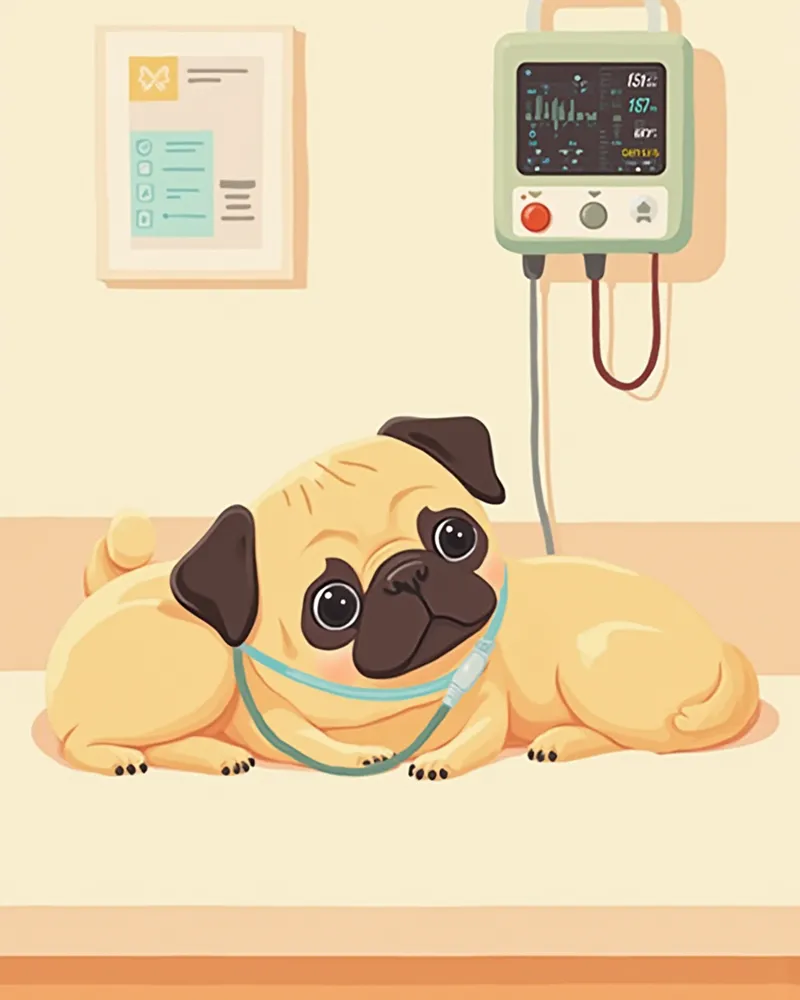
For brachycephalic breeds, the key to anesthesia is a rapid, deep, and stable induction. Typically, intravenous induction is performed using propofol or alfaxalone, followed immediately by endotracheal intubation. In this case, prepare an endotracheal tube one or two sizes smaller than expected, as brachycephalic breeds naturally have narrower tracheas. Maintenance is achieved with isoflurane or sevoflurane inhalant anesthesia, with the veterinarian adjusting the concentration based on the patient’s weight and underlying health conditions. Oxygen saturation (SpO2) must be maintained at 95% or higher throughout the entire procedure.
A Pug receiving anesthesia monitoring and oxygen supplementation

The Recovery Period Is the Real Critical Phase

The recovery period is a critical phase that demands unwavering attention, especially for brachycephalic breeds. Veterinary textbooks emphasize that patients with compromised respiratory function require meticulous monitoring even after anesthesia ends, and the endotracheal tube should remain in place until the swallowing reflex clearly returns. The timing of extubation (tube removal) is the most precarious moment; removing it too early can lead to airway obstruction, while leaving it in too long may trigger laryngospasm due to irritation. To ensure a safe recovery, adhere to these conditions: - Body temperature: Maintain between 37.5°C and 39°C - Positioning: Place the patient in a sternal recumbent position (lying on the chest) to secure the airway - Oxygen: Continue supplemental oxygen for at least 15–30 minutes after extubation - Monitoring: Provide one-on-one observation for more than 2 hours Only when this stage is successfully completed can we truly say the surgery was a success.

Warning Signs to Monitor at Home After Discharge

Going home doesn’t mean the recovery is over. For the first 24 to 48 hours at home, closely monitor your pet for these warning signs: purple or gray discoloration of the tongue and gums, louder-than-usual wheezing during breathing, repeated vomiting or inability to swallow food, coughing accompanied by mucus-filled nasal discharge, and a body temperature below 37°C or above 39.5°C. If you notice even one of these symptoms, take your pet immediately to the hospital where the surgery was performed or to a 24-hour emergency veterinary clinic. Brachycephalic breeds are at a higher risk of developing aspiration pneumonia after surgery, so prompt action can be life-saving.

Owner Practices to Reduce Anesthesia Risks in Brachycephalic Breeds
Proper everyday care significantly reduces anesthesia risks. - Weight management: Obesity exacerbates airway compression, so maintaining an ideal weight is crucial. - Consider corrective surgery for BOAS: Procedures such as soft palate resection and nostril widening performed proactively can lower future anesthesia risks. - Timing for elective surgeries like spaying/neutering and dental care: It is advantageous to schedule these procedures when your pet is young and healthy, typically between 1 and 3 years of age. - Avoid summer and high temperatures: Due to impaired thermoregulation, anesthesia during hot weather carries increased risks. Choosing a clinic and veterinarian with extensive experience in brachycephalic breeds is decisive.
A Boston Terrier undergoing weight management

Reviewed by a veterinarian

Dr. Tony — Punnawat Phongkittirak

Dr. Tony — Punnawat Phongkittirak

Veterinarian

A veterinarian who majored in veterinary medicine at Khon Kaen University, Thailand, and completed the IVSA program at North Carolina State University in the United States. Drawing on clinical experience at animal hospitals, he works in the pet healthcare field and is dedicated to building a digital care environment that connects pet parents with veterinarians.

Frequently Asked Questions

Are brachycephalic breeds also at risk during neutering surgery?
While the risk is indeed higher for brachycephalic breeds compared to other dogs, the procedure can be completed safely when performed at a clinic experienced with these breeds and following an appropriate protocol. We recommend scheduling the procedure when your dog is between 1 and 3 years old and in good health.
How long should my pet fast before surgery?
Brachycephalic breeds are at higher risk of aspiration, making preoperative fasting especially important. However, prolonged fasting isn’t always beneficial, so it’s safest to follow your veterinarian’s instructions regarding fasting duration, which should be tailored to the specific surgery and the individual dog’s condition. Be sure to also confirm with your veterinary clinic when water can be reintroduced.
Should I have the BOAS corrective surgery done first?
If your pet is experiencing severe breathing difficulties, it's safer in the long run to perform corrective surgery first. This will significantly reduce anesthesia risks during any subsequent surgeries. Please consult with your veterinarian to determine the appropriate order of procedures.
When can my pet return to their normal eating and playing routine after recovery?
Start with small amounts of food 4–6 hours after discharge, and wait until 72 hours have passed before resuming normal activity. Depending on the type of surgery, recovery may take longer, so be sure to follow your veterinarian’s instructions.
How likely is it for an accident to occur during anesthesia?
The exact probability varies depending on the individual’s health status and the type of surgery. However, brachycephalic breeds are known to have a higher anesthesia risk than other breeds due to upper airway obstruction and the risk of aspiration. Still, most procedures can be completed safely when performed at a clinic experienced with brachycephalic breeds that follows specialized protocols, such as pre-anesthetic sedation, rapid endotracheal intubation, and close monitoring during recovery.

Share

Related Guides

References

[1] Brodbelt D. Perioperative mortality in small animal anaesthesia. Vet J. 2009;182:152–161

[2] Pypendop BH, Ilkiw JE. Drugs and Techniques in Feline Anesthesia. The Cat, Clinical Medicine and Management, 2nd Edition

[3] Ovbey DH, Wilson DV, Bednarski RM, et al. Prevalence and risk factors for canine post-anesthetic aspiration pneumonia (1999-2009): a multicenter study. Vet Anaesth Analg. 2014;41(2):127-36

[4] BSAVA Manual of Canine and Feline Anaesthesia and Analgesia, 3rd Edition

This information is based on veterinary literature and does not replace diagnosis or treatment. Please consult a veterinarian for specific health concerns.

Metapet Co., Ltd. | CEO: Park Sung-yong | Business Reg. No. 417-88-02562 | Seoul, South Korea | Customer Center

Brachycephalic Breed Anesthesia: Protocol & Risks | Meongsiljang