Like
Share
멍실장
고양이 간 지질증(지방간) 자주 묻는 질문 Q&A — 보호자가 꼭 알아야 할 핵심

What Is Feline Hepatic Lipidosis? A Must-Read for Owners: Symptoms, Treatment, and Recovery

Liver HealthQ&AMeongsiljang Veterinary Advisory Board

Feline hepatic lipidosis is a dangerous condition in which excessive fat accumulates in the liver. It often begins with a loss of appetite, making early detection difficult. Here’s the essential information every cat owner should know.

What Is Feline Hepatic Lipidosis (Fatty Liver)?
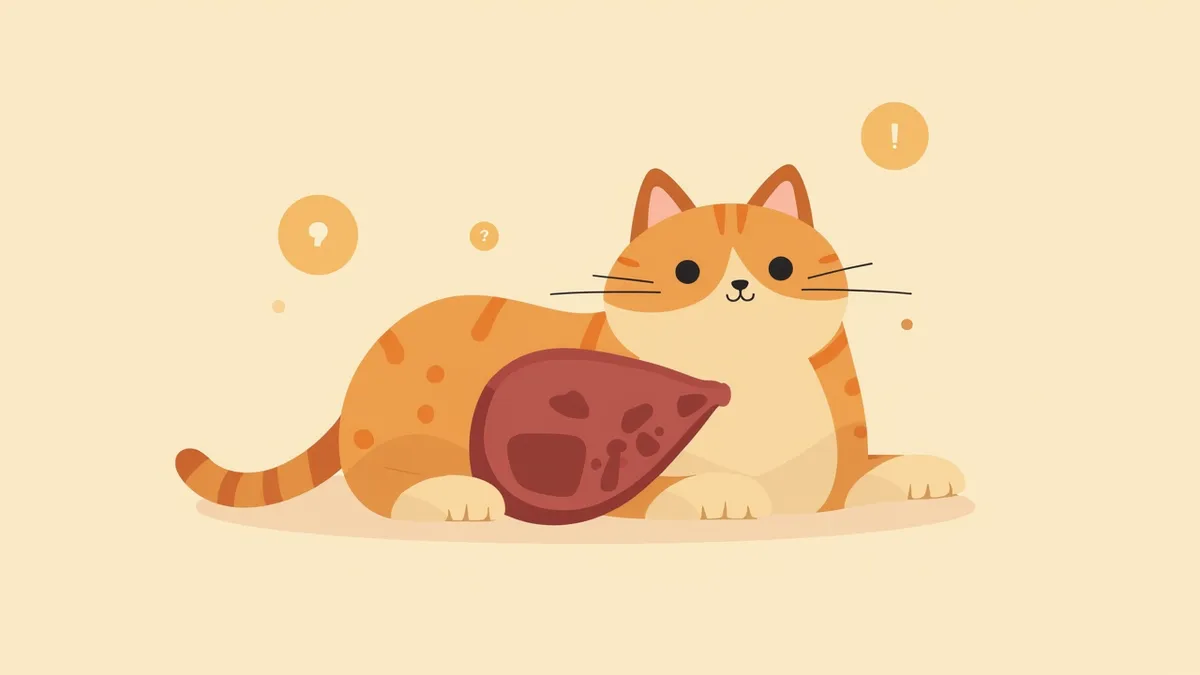
Comparison of a healthy cat liver and one with fatty liver disease
Feline hepatic lipidosis is a condition in which excessive fat accumulates in liver cells, impairing liver function. - Fatty liver: As fat builds up in the liver, liver cells become damaged and fail to carry out normal metabolic functions. - Cause: When a cat loses its appetite, the body attempts to use fat for energy. However, cats are inefficient at this process, making them prone to fat accumulation in the liver. - Risk: If not detected early, liver function can deteriorate severely, potentially leading to death. - Early intervention: If your cat has not eaten for more than 24 hours, immediate veterinary care is necessary. - Prognosis: Most cats recover with appropriate treatment, but delayed care can be life-threatening.

Why Are Cats Vulnerable to Hepatic Lipidosis?

When a cat’s appetite drops, the body mobilizes excessive fat to the liver, causing triglycerides to accumulate there easily. - Limit of fat breakdown: When energy is lacking, peripheral fat breaks down and is sent to the liver. However, if this exceeds the liver’s capacity to oxidize fat, triglycerides build up in liver cells. - Risk of fat accumulation: Fat is more likely to accumulate in the liver when protein deficiency and excessive fat breakdown occur together. This risk is especially high in overweight cats. - Metabolic characteristics: Loss of appetite can lead to a negative energy balance, causing fat to concentrate in the liver and impairing normal metabolic function. - Key to prevention: It is crucial to provide adequate protein and nutrition at the first sign of appetite loss. - Risk factors: Underlying conditions such as gastrointestinal disease, pancreatitis, or cholangitis, as well as obesity, can be contributing factors.
The risk of hepatic lipidosis in cats with decreased appetite

What Are the Main Symptoms of Hepatic Lipidosis?

The early sign of feline hepatic lipidosis is a loss of appetite. - Loss of appetite: If your cat hasn’t eaten for more than 24 hours, immediate veterinary care is necessary. - Lethargy and weakness: Lack of energy leads to drowsiness and reduced activity levels. - Weight loss: Rapid loss of both fat and muscle mass occurs. - Vomiting and jaundice: The eyes and lips may turn yellow, and repeated vomiting can occur. - Abnormal test results: Blood tests show a sharp increase in liver enzymes (ALT, AST). - Early detection: By the time symptoms appear, the condition may already be severe, so prompt action can save your cat’s life.
Jaundice, a hallmark symptom of feline hepatic lipidosis

Signs That Require Immediate Veterinary Care

If your pet has no appetite for more than 24 hours, is excessively lethargic, or is vomiting repeatedly, seek veterinary care immediately. Hepatic lipidosis can worsen rapidly, and delayed treatment makes recovery difficult, resulting in a high mortality rate.

Comparison of Responses by Symptom Stage

ItemSymptom StageKey SignsResponse Measures
MildPoor appetite for 1–2 daysSlight lethargyEncourage feeding, consult a veterinarian
ModerateNo appetite for 3+ daysWeight loss, vomitingNutritional support, gastrointestinal protection and antiemetic management
SevereJaundice, comatose stateSharp rise in liver enzymesHospitalization, feeding tube (gastric tube) nutrition, drug therapy

Hospital treatment is essential if symptoms worsen. Early intervention improves survival rates.

Tests Required for Accurate Diagnosis
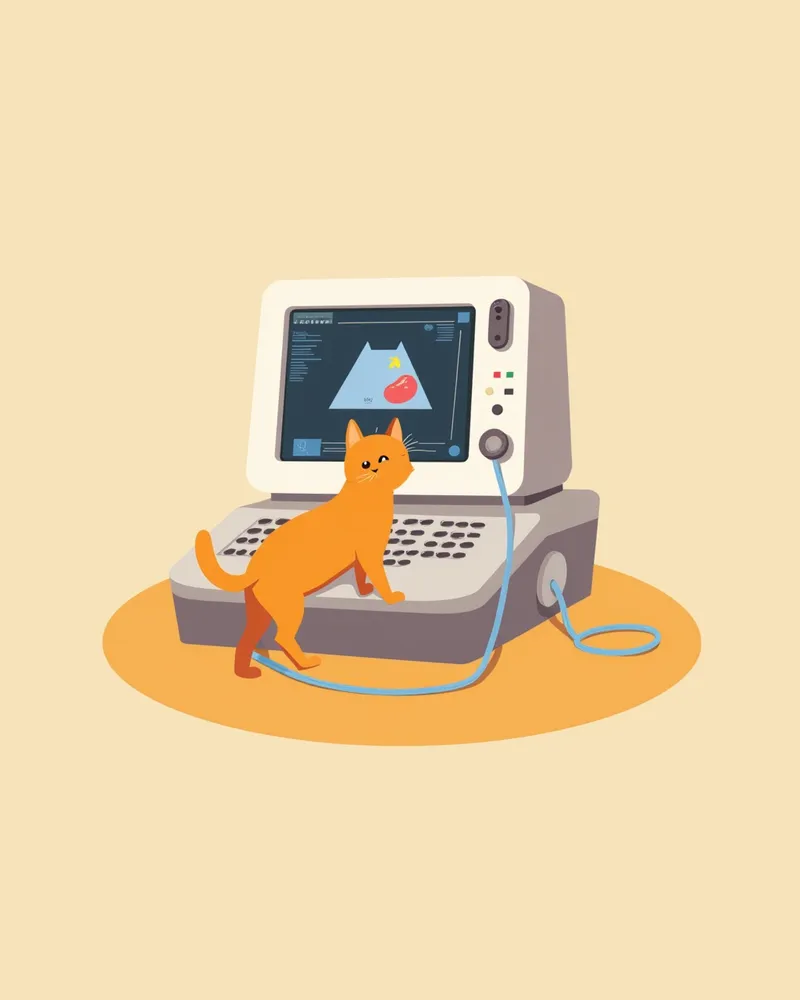
Hepatic lipidosis is accurately diagnosed by combining clinical signs with various diagnostic tests. - Blood tests: These can reveal elevated liver enzyme levels (such as ALT and AST) and impaired liver function. - Ultrasound examination: This helps visually assess the extent of fatty changes in the liver. - Liver cell examination (fine-needle aspiration): Confirming that more than 80% of hepatocytes are filled with fat is key to establishing a definitive diagnosis. - Liver biopsy: This may be necessary to rule out other hepatobiliary diseases when they are suspected. - Diagnostic criteria: A definitive diagnosis is made by comprehensively evaluating both clinical signs and test results.
Ultrasound imaging for diagnosing feline hepatic lipidosis

Treatment Methods and Management Points
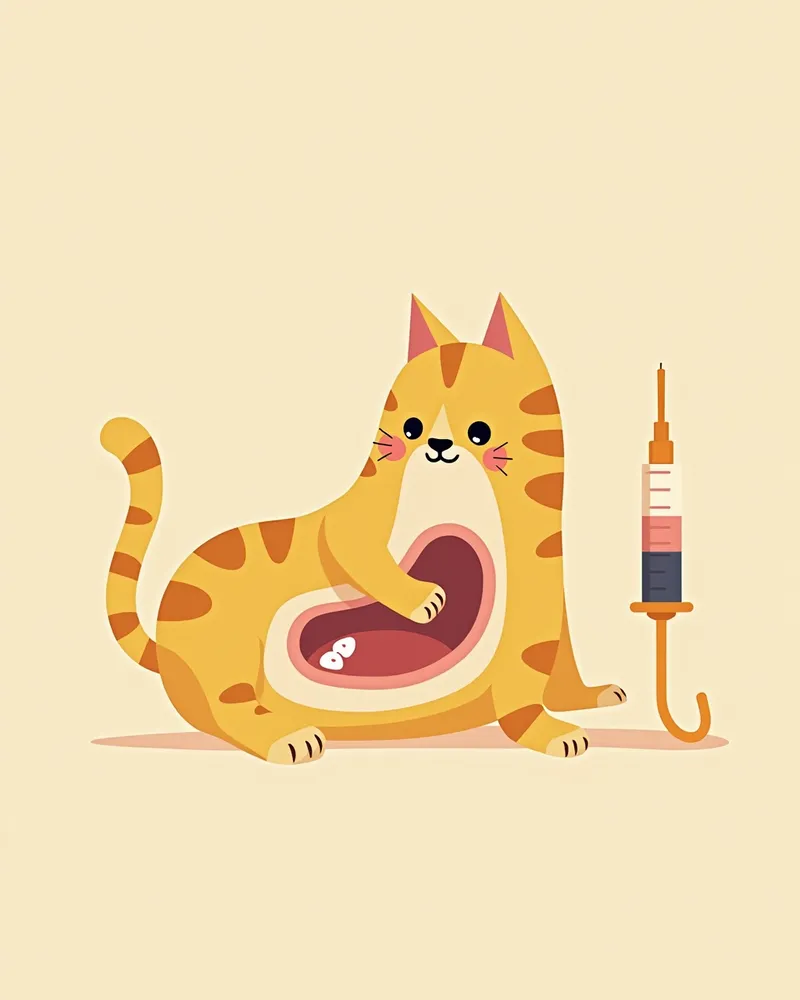
The key to treatment is restoring appetite and ensuring adequate nutrition. - Nutritional support: Feeding directly into the gastrointestinal tract via a feeding tube (gastrostomy tube) is the most effective approach. - Appetite stimulation: Medications can be used to stimulate appetite, as directed by your veterinarian. - Hepatoprotectants: Medications are administered to prevent further liver cell damage and support recovery. - Management of complications: Prevent and control complications such as vomiting, dehydration, and hypoglycemia. - Treatment duration: Recovery can take several weeks to several months, requiring consistent, ongoing care. - Post-recovery management: Adjust diet and lifestyle habits to help prevent recurrence.
The process of inserting a feeding tube for treating feline hepatic lipidosis

Preventing Recurrence and Precautions

Even after treatment, a loss of appetite can lead to a recurrence of lipidosis. Managing obesity, maintaining regular meal times, and reducing stress are essential. Avoid sudden changes in diet, and work with your veterinarian to gradually adjust your pet’s food plan.

Reviewed by a veterinarian

Dr. Tony — Punnawat Phongkittirak

Dr. Tony — Punnawat Phongkittirak

Veterinarian

A veterinarian who majored in veterinary medicine at Khon Kaen University, Thailand, and completed the IVSA program at North Carolina State University in the United States. Drawing on clinical experience at animal hospitals, he works in the pet healthcare field and is dedicated to building a digital care environment that connects pet parents with veterinarians.

Frequently Asked Questions

Can a cat develop hepatic lipidosis from just one day of not eating?
Even a single day without eating can be a warning sign. In cats, just a few days of reduced appetite can lead to hepatic lipidosis, and the risk is even higher in overweight cats, so it’s best to consult your veterinarian promptly if your cat loses its appetite.
Is hepatic lipidosis treatable?
Yes, most pets can make a full recovery if the condition is detected early and treated appropriately. However, delayed treatment significantly increases the mortality rate, so early intervention is essential.
Are overweight cats at greater risk?
Yes, obese cats are much more susceptible to hepatic lipidosis. In overweight cats with a poor appetite, fat accumulates in the liver more easily, so weight management is key to prevention.
Can hepatic lipidosis be prevented at home?
Yes, maintaining a regular feeding schedule, managing stress, keeping your pet at a healthy weight, and avoiding sudden changes in diet can all help prevent this condition. If you notice a decrease in appetite, please consult your veterinarian right away.
Can supplements help treat hepatic lipidosis?
The most important aspect of nutritional therapy is providing adequate protein and calories. In hepatic lipidosis, protein is the key nutrient for reducing fat accumulation in the liver, and any supplements should only be used under a veterinarian's guidance.

Share

Related Guides

References

[1] Lidbury, J.A. et al. (2020) The Cat: Clinical Medicine and Management, 2nd Edition. Elsevier.

[2] Feline Emergency and Critical Care Medicine, 2nd Ed. (2021) Elsevier.

[3] Clinical Medicine of the Dog and Cat, 4th Ed. (2019) Elsevier.

This information is based on veterinary literature and does not replace diagnosis or treatment. Please consult a veterinarian for specific health concerns.

Metapet Co., Ltd. | CEO: Park Sung-yong | Business Reg. No. 417-88-02562 | Seoul, South Korea | Customer Center

What Is Feline Hepatic Lipidosis? Symptoms & Treatment | Meongsiljang