Like
Share
멍실장
강아지 복종 vs 두려움 자세 구별

Is Your Dog Showing Its Belly Out of Submission or Fear? — Reading Emotional Signals Through Posture

Brain & CognitionQ&AMeongsiljang Veterinary Advisory Board

We’ve outlined how to accurately distinguish between submission and fear postures based on veterinary behavior standards, using tail, ear, and eye cues. Misinterpreting these signals can cause your pet to become even more withdrawn.

What Is a Submissive Posture in Dogs?
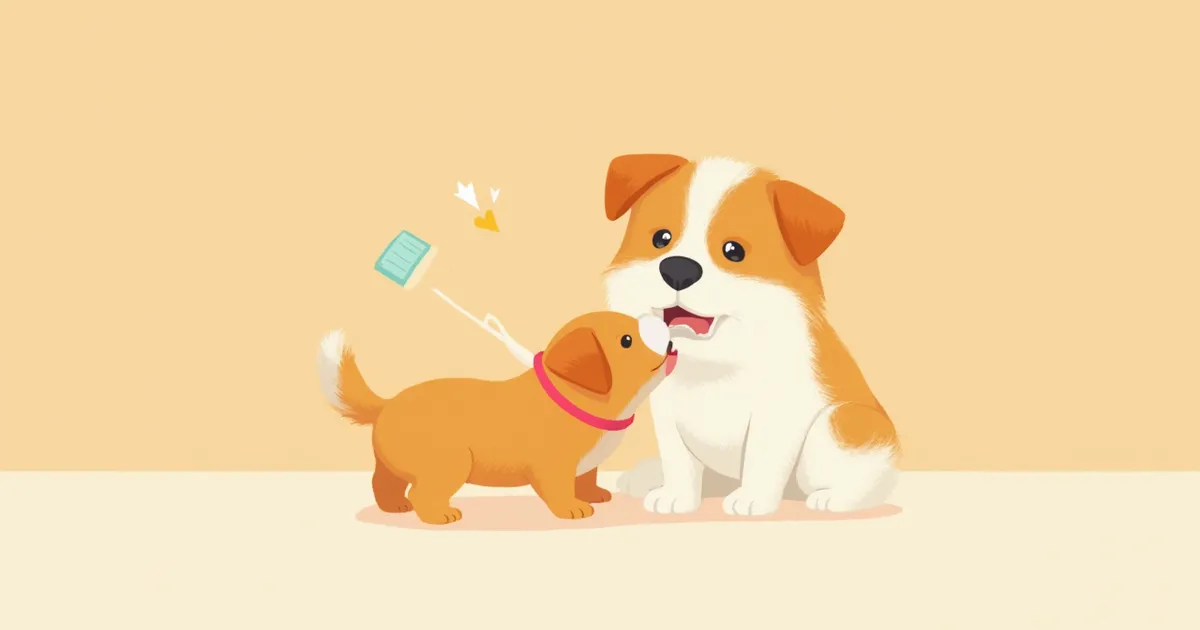
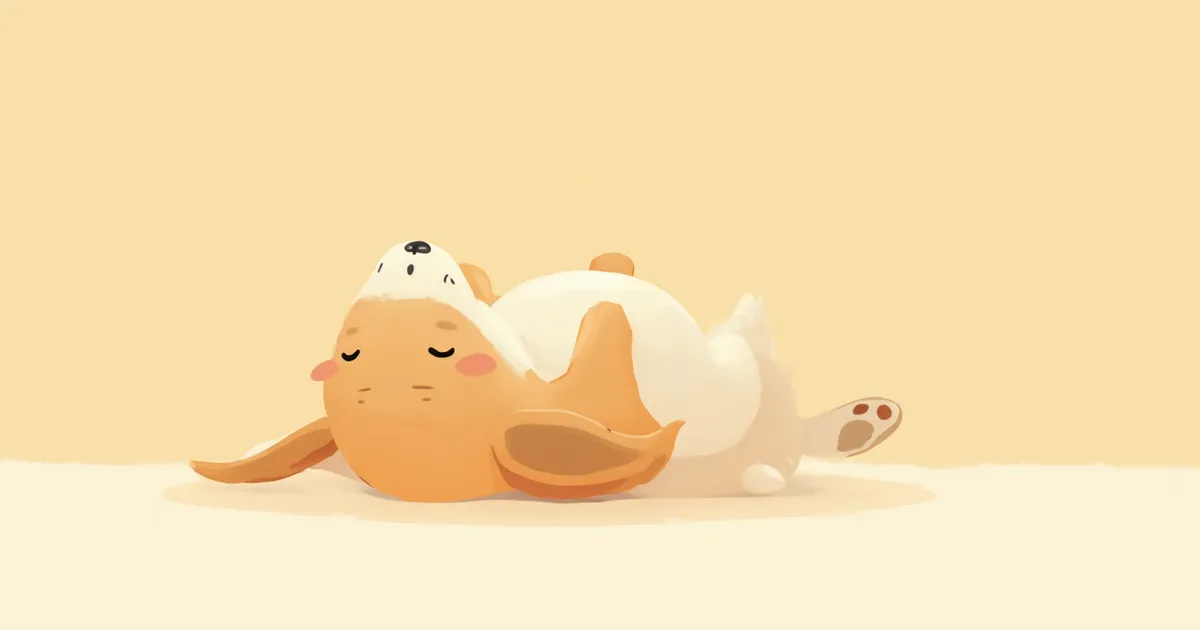
A puppy lying comfortably on its back, belly exposed
A dog’s submissive posture is a social signal used to show it has no hostile intentions, often by lowering its body or exposing its belly. The key distinction lies between "relaxation" and "tension." While submission is a calm social greeting, if the dog’s muscles are tense and its eyes are wide open, it is likely displaying fear rather than submission. Misinterpreting this can cause the dog to become more withdrawn or react defensively.

Why Are These Two Postures Easily Confused?

Submission and appeasement behaviors can look very similar to fear, making them easy to confuse. A fearful dog will lower its body, tuck its tail deeply between its legs, flatten its ears, and tense its entire body. In contrast, appeasement behaviors that may appear submissive often begin with avoiding eye contact, looking away, lowering the ears, and increasing blinking. Veterinary behaviorists view canine social structures not as rigid hierarchies maintained through aggression, but as bonds strengthened through appeasement and affiliative behaviors. Therefore, relaxed submission is less about avoiding a threat and more akin to a friendly greeting saying, “I want to get along.” On the other hand, a fearful posture is a signal to keep your distance, essentially saying, “Please do not come any closer.” Ultimately, the overall tension in the body and facial expression are the key clues that distinguish the two.

Submissive Posture vs. Fearful Posture: A Quick Comparison

ItemSubmissive Posture (Relaxed)Fearful Posture (Tense)
TailWagging lowCurled deeply between the legs
EarsLaid back slightlyPressed tightly to the head
EyesBlinking often or averting gazeWhites showing, averting gaze
MouthSlightly open, panting rhythmicallyMouth clamped shut or lip licking
MusclesRelaxed overallRigid, body trembling
BellyExposed naturallyForced exposure while hunching the body
UrinationAlmost noneAccidents may occur

The more fear signals observed together, the more likely it is a fearful posture

Subtle Signals to Observe Closely

Don’t judge it simply as “showing the belly.” You need to read the subtle signals together. - Whale eye: The dog turns only its eyes, not its head, revealing the whites. This is a calming or appeasement signal indicating anxiety or fear. - Lip licking: Licking the nose or mouth with the tongue when there’s no food around is a stress signal. - Yawning: Yawning in a non-sleepy situation signals anxiety or stress. - Shivering: Trembling when not cold is an acute fear response. If you observe multiple of these signals together, suspect that the dog is fearful and give it space.
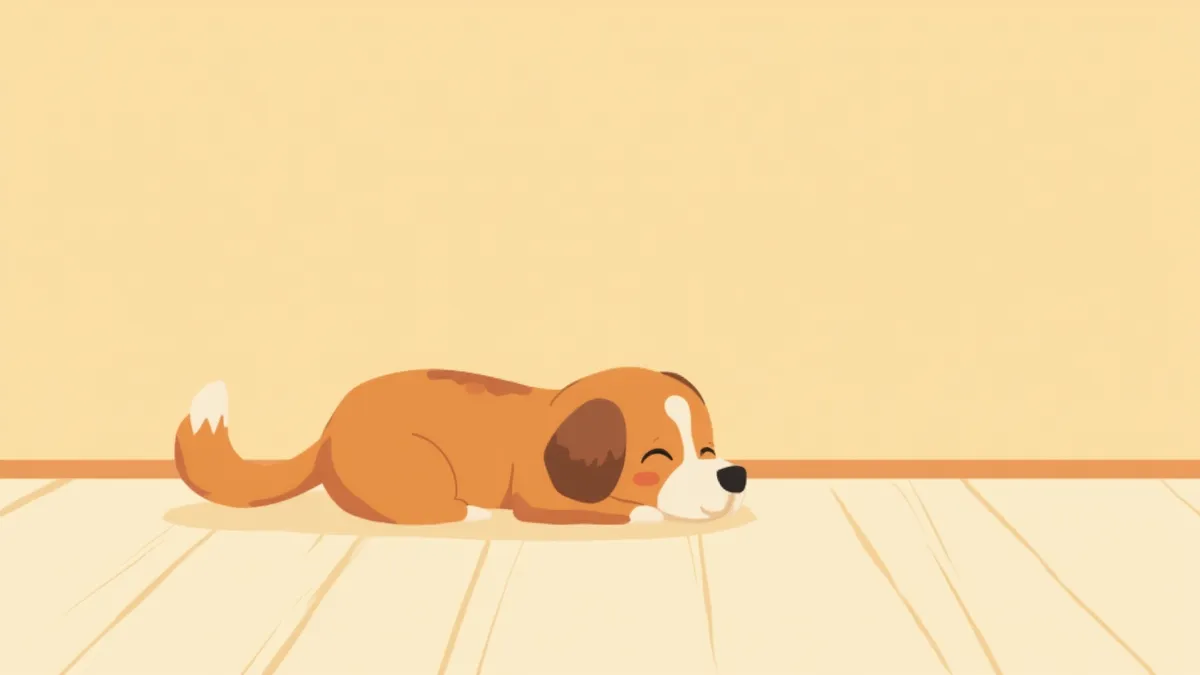
A puppy showing fear, with whites of the eyes visible and ears flattened.

Problems Arising from Misinterpreting Fear as Submission

When a dog is in a fearful posture, calling them “cute” while rubbing their belly or leaning your face close can make them feel trapped and threatened. If this happens repeatedly, it can develop into fear aggression, where the dog becomes tense and defensive even when people simply approach. The most dangerous moment is when the dog freezes and stops moving. Freezing does not mean consent.

How to Respond Correctly When Your Dog Is in a Fearful Posture
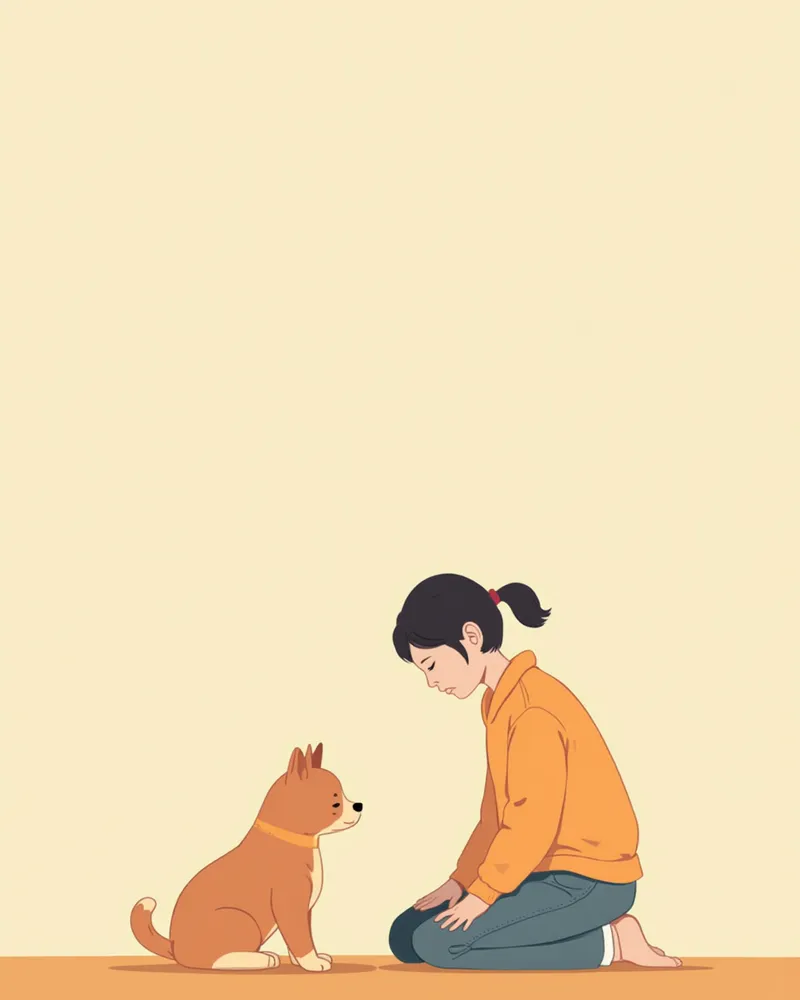
If you notice signs of fear, please follow these steps: - Create distance: Immediately take one or two steps back to give your pet space. - Adopt a side profile: Avoid facing your pet directly; instead, turn your body slightly to the side. - Avert your gaze: Do not make direct eye contact; gently lower your eyes. - Use a soft voice: Speak in a gentle, low tone rather than a bright or high-pitched one. - Avoid forcing interaction: Do not touch your pet’s belly or pick them up. The fastest way to help your pet recover is to patiently wait for them to approach you on their own.
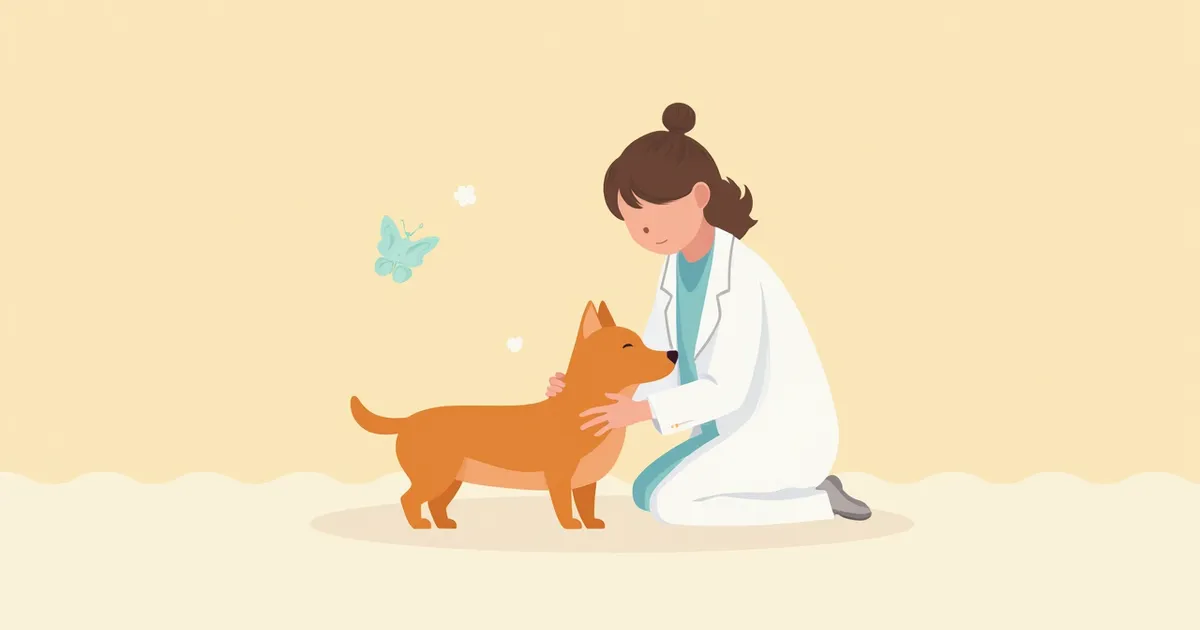
A guardian approaching their puppy from the side.

How to Respond When Your Dog Is in a Submissive Posture

A relaxed submissive posture is a friendly greeting that says, “I’d like to get along with you.” At this moment, a gentle stroke on the chest or shoulders is appropriate. However, prolonged rubbing of the belly can be overstimulating, so pet only while your dog remains comfortable; stop if their body stiffens or their posture changes. If your dog chooses to get up and move away, respect that choice. Please don’t misinterpret this submissive posture as fear of you—it’s a healthy social signal.

Chronic Fearful Postures Require Veterinary Consultation

If your pet repeatedly assumes a fearful posture in everyday situations rather than just in specific circumstances, it may be suffering from an anxiety disorder or phobia. Consider consulting a veterinary behavior specialist if your pet becomes rigid during walks or immediately exposes its belly and urinates when approached by people. Early intervention leads to faster recovery, while neglecting the issue can result in fear-based aggression.

Reviewed by a veterinarian

Dr. Tony — Punnawat Phongkittirak

Dr. Tony — Punnawat Phongkittirak

Veterinarian

A veterinarian who majored in veterinary medicine at Khon Kaen University, Thailand, and completed the IVSA program at North Carolina State University in the United States. Drawing on clinical experience at animal hospitals, he works in the pet healthcare field and is dedicated to building a digital care environment that connects pet parents with veterinarians.

Frequently Asked Questions

Does showing its belly always mean a dog wants to be petted?
Not at all. If your pet is relaxed and wagging its tail, gentle petting is fine. However, if their body is tense or you can see the whites of their eyes, they are displaying fear. In such cases, avoid touching them and give them some space.
Is it normal for my dog to leak urine while in a submissive posture?
This is called submissive urination. It can occur in young puppies or sensitive dogs. Scolding will make it worse, so please calmly ignore and clean up the urine. If improvement is slow or the behavior becomes a daily occurrence, consider consulting a veterinary behavior specialist.
They only show fearful body language around people they don’t know.
A lack of socialization could be the cause. Have strangers crouch down in front of your puppy, place a treat on the floor, and wait patiently. With repeated positive experiences, your puppy will learn to associate people with good things, which should help improve the behavior.
Is showing a submissive posture to their owner due to hierarchy?
A dog’s submissive posture is a social signal indicating that it poses no threat. Depending on the context, it may be an attempt to seek attention or a sign of discomfort, so it’s important to assess your dog’s emotional state by observing not only the posture but also body tension, eye expression, and ear position.
Can repeated fear postures be corrected through training?
Forced training can actually make things worse. Instead, systematic desensitization and counterconditioning based on positive reinforcement are needed. In severe cases, medication may be used alongside guidance from a veterinary behavior specialist.

Share

Related Guides

References

[1] Horwitz, D.F. & Mills, D.S., BSAVA Manual of Canine and Feline Behavioural Medicine, 2nd Edition, 2009

[2] Landsberg, G., Hunthausen, W., Ackerman, L., Behavior Problems of the Dog and Cat, 3rd Edition, 2013

[3] Beaver, B.V., Canine Behavior: Insights and Answers, 2nd Edition, 2009

[4] Shepherd, K., Development of behaviour, social behaviour and communication in dogs, BSAVA Manual, 2009

This information is based on veterinary literature and does not replace diagnosis or treatment. Please consult a veterinarian for specific health concerns.

Metapet Co., Ltd. | CEO: Park Sung-yong | Business Reg. No. 417-88-02562 | Seoul, South Korea | Customer Center

Submission or Fear? Read Your Dog's Belly-Up Posture | Meongsiljang