
My Cat Suddenly Has No Energy — Hypokalemia and the Kidneys, Is This Normal?
Hypokalemia in cats is closely linked to kidney disease, making early detection and management crucial. Here’s a summary of key information every pet owner should know.
Hypokalemia in Cats Is Closely Linked to Declining Kidney Function
The Main Causes of Hypokalemia Are Declining Kidney Function and Medication Use
The Main Symptoms of Hypokalemia Include Muscle Weakness and Decreased Appetite
Severe Muscle Weakness or Irregular Heartbeat Requires Immediate Veterinary Care
If your cat suddenly becomes unable to move or develops an irregular heartbeat, seek veterinary care immediately. This can be a life-threatening emergency. A veterinarian may administer potassium intravenously to restore proper levels.
Comparison of Symptoms and Management by Severity of Hypokalemia
| Item | Mild | Moderate | Severe |
|---|---|---|---|
| Potassium level (mEq/L) | 3.0–3.5 | 2.5–3.0 | <2.5 |
| Main symptoms | Slight lethargy, decreased appetite | Muscle weakness, ventroflexion of the neck, vomiting | Cardiac rhythm abnormalities (tachycardia), collapse/paralysis |
| Management | Dietary management, oral supplementation | Oral or intravenous supplementation, veterinary observation | Immediate intravenous supplementation, inpatient care |
Generally, a serum potassium below 3.5 mEq/L is considered hypokalemia, but the exact stage and value interpretation are made by a veterinarian. Do not give supplements to your pet on your own.
Treatment Involves Potassium Supplementation and Managing the Underlying Cause
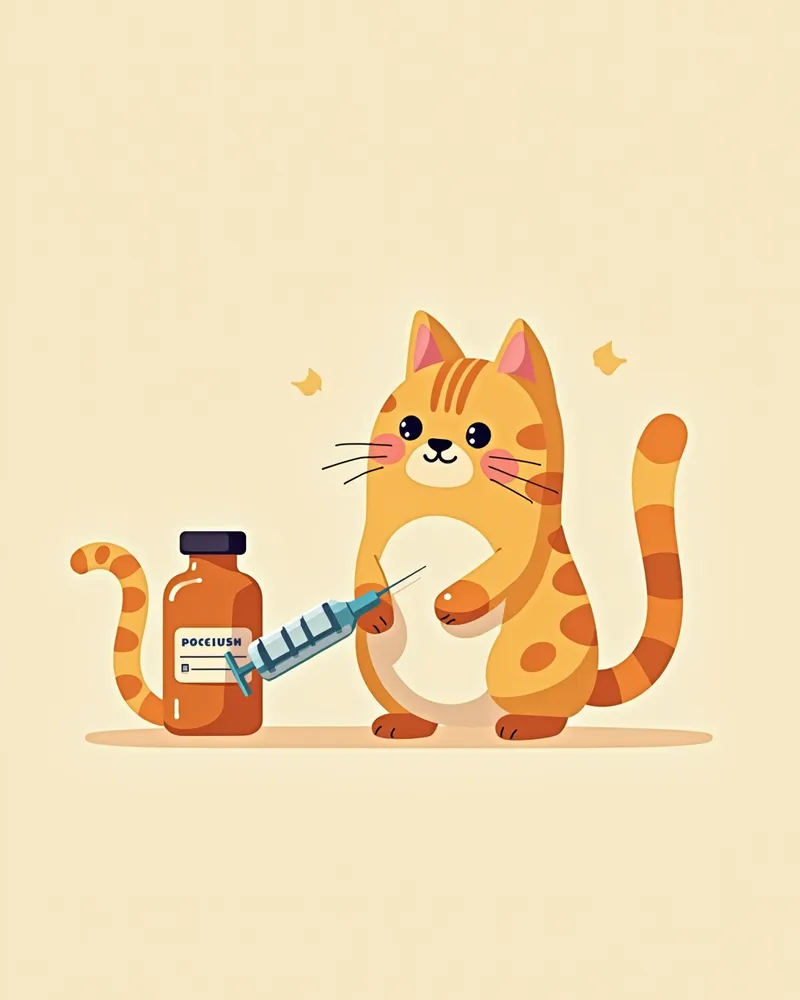
Regular Checkups and Appropriate Diet Selection Are Important for Daily Management
Caution with Drug Interactions: Care Needed When Combining Diuretics and Potassium Supplements
Potassium management varies depending on the medication. Administering potassium supplements alongside potassium-sparing diuretics like spironolactone or triamterene can increase the risk of hyperkalemia in cats. Conversely, diuretics such as furosemide and thiazides can cause hypokalemia by promoting potassium excretion through urine. Therefore, whether potassium supplementation is needed and the appropriate dosage depend entirely on the specific diuretic being used. Always follow your veterinarian’s instructions strictly, and never self-prescribe.
Reviewed by a veterinarian

Dr. Tony — Punnawat Phongkittirak
VeterinarianA veterinarian who majored in veterinary medicine at Khon Kaen University, Thailand, and completed the IVSA program at North Carolina State University in the United States. Drawing on clinical experience at animal hospitals, he works in the pet healthcare field and is dedicated to building a digital care environment that connects pet parents with veterinarians.
Reviewed 2026-06-05
Frequently Asked Questions
Can hypokalemia in cats be treated?
Can potassium be supplemented through diet?
Can hypokalemia recur?
Can I administer potassium supplements to my pet at home?
Can hypokalemia cause kidney disease?
Share
Related Guides
Top 5 Prescription Diets for Cats with Chronic Kidney Disease — Stage-Specific Protein Adjustment

7 Emergency Signs and Causes of Acute Kidney Failure in Dogs You Must Not Miss
Top 5 Cat Kidney Supplements Recommended for 2026

How to Choose a Skin and Coat Diet: Selection Criteria Based on Ingredients
The Meaning of Cat Hunting Behavior and How to Satisfy It

What Is Your Cat’s Play Style? — How to Match Stimulation to Personality
How to Change Kidney Diets for Senior Cats — Key Stage-by-Stage Feeding Guide
Feline Cholangitis and Cholangiohepatitis Guide: From Symptoms to Treatment

Pituitary Tumors and Hormonal Imbalances: How to Recognize and Respond
Perianal Fistulas in Dogs (German Shepherds)
References
[1] Langston, C.E. et al. (2023) Small Animal Critical Care Medicine, 3rd Edition. Elsevier.
[2] The Cat, Clinical Medicine and Management, 2nd Edition (2022). Elsevier.
[3] Plumb's Veterinary Drug Handbook, 9th Edition (2023). Wiley.