Like
Share
멍실장
고양이 스테로이드 부작용과 안전한 사용 총정리 — 보호자가 알아야 할 핵심

Are Cat Steroids Really Dangerous? — A Complete Guide to Side Effects and Safe Use

Skin & CoatQ&AMeongsiljang Veterinary Advisory Board

We’ve compiled a veterinary evidence-based guide on the short- and long-term side effects of steroids (such as prednisolone) in cats, warning signs owners should watch for, and how to use them safely.

What Are Cat Steroids and Why Are Side Effects Important?
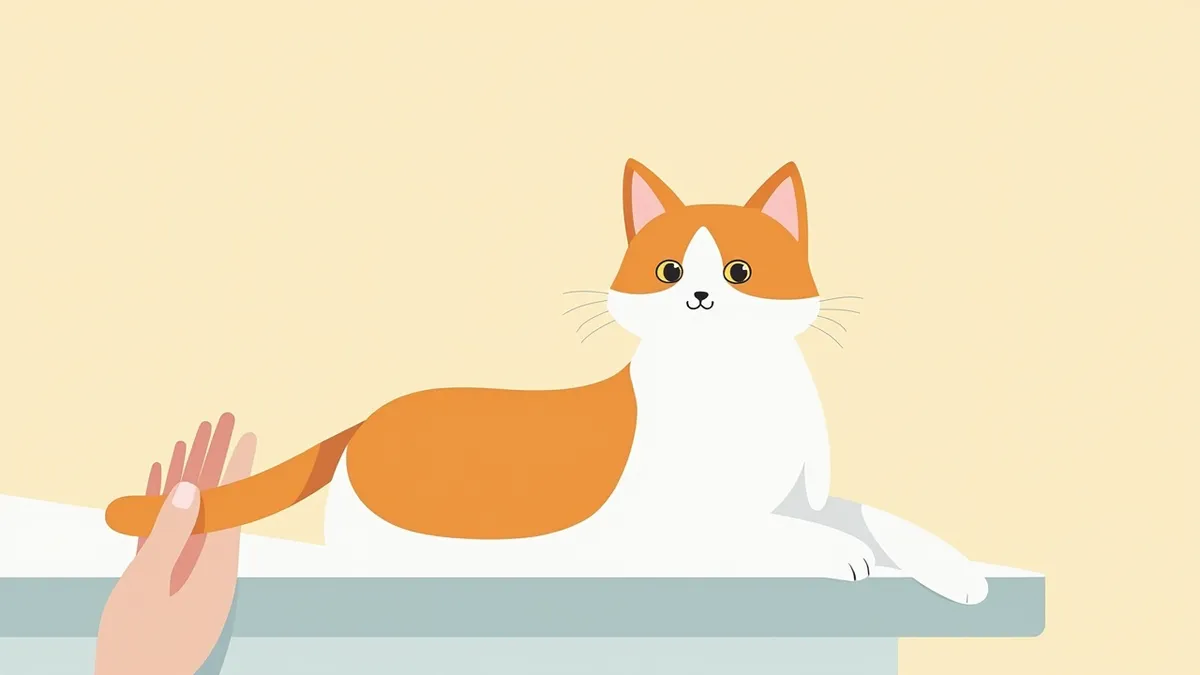
A cat receiving a skin examination on the veterinary clinic’s examination table
Steroids for cats, such as prednisolone and dexamethasone, are corticosteroid medications commonly prescribed to treat dermatitis, allergies, and immune-mediated diseases. While they are highly effective at rapidly suppressing inflammation and immune responses, both short-term and long-term use can lead to a variety of side effects. Knowing the warning signs in advance allows for early detection, enabling you to work with your veterinarian to manage your cat’s health more safely.

Checklist of Major Cat Steroid Side Effects
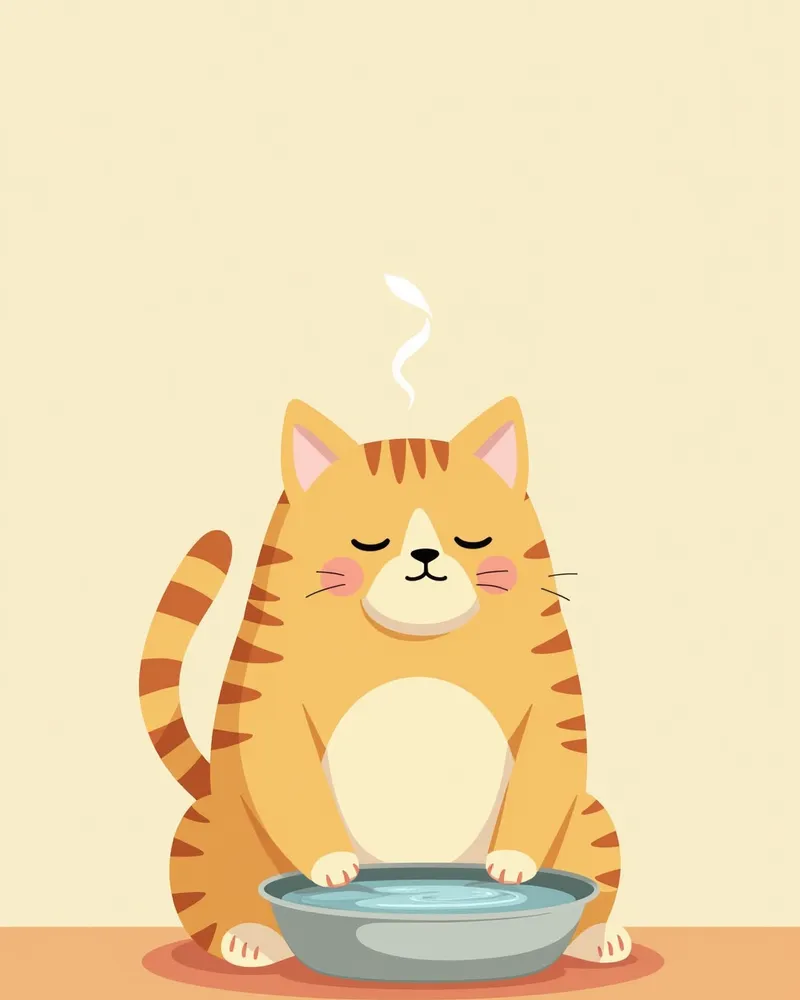
Polydipsia (excessive thirst) and polyuria (excessive urination): Your pet drinks significantly more water than usual and produces a larger volume of urine. Polyphagia (increased appetite) and weight gain: Food intake may increase sharply, leading to weight gain. Skin changes: The skin may become thin, bruise easily, or experience hair loss. Gastrointestinal issues: Symptoms such as vomiting and diarrhea may occur. The risk of gastrointestinal ulcers increases significantly when used alongside nonsteroidal anti-inflammatory drugs (NSAIDs). Immune suppression: There is an increased risk of secondary bacterial or fungal infections. Behavioral changes: Your pet may beg for food more frequently or pant more often. However, behavioral changes in cats are not as clearly reported as those in humans.
A cat that drinks a lot of water and appears lethargic

Short-Term vs. Long-Term Side Effects Comparison

ItemShort-term Use (days to weeks)Long-term Use (several months or more)
Polydipsia/polyuriaCommonCommon + may worsen
Increased appetite/obesityCommonRisk of obesity and muscle loss
Gastrointestinal disturbancePossibleIncreased ulcer risk
Skin thinning/bruisingRareCommon
Diabetes inductionVery rareIncreased risk
Secondary infectionRareIncreased risk
Cushing's-like symptomsNoneMay appear

Compiled based on small animal dermatology and veterinary pharmacology textbooks

Complications to Watch for with Long-Term Use
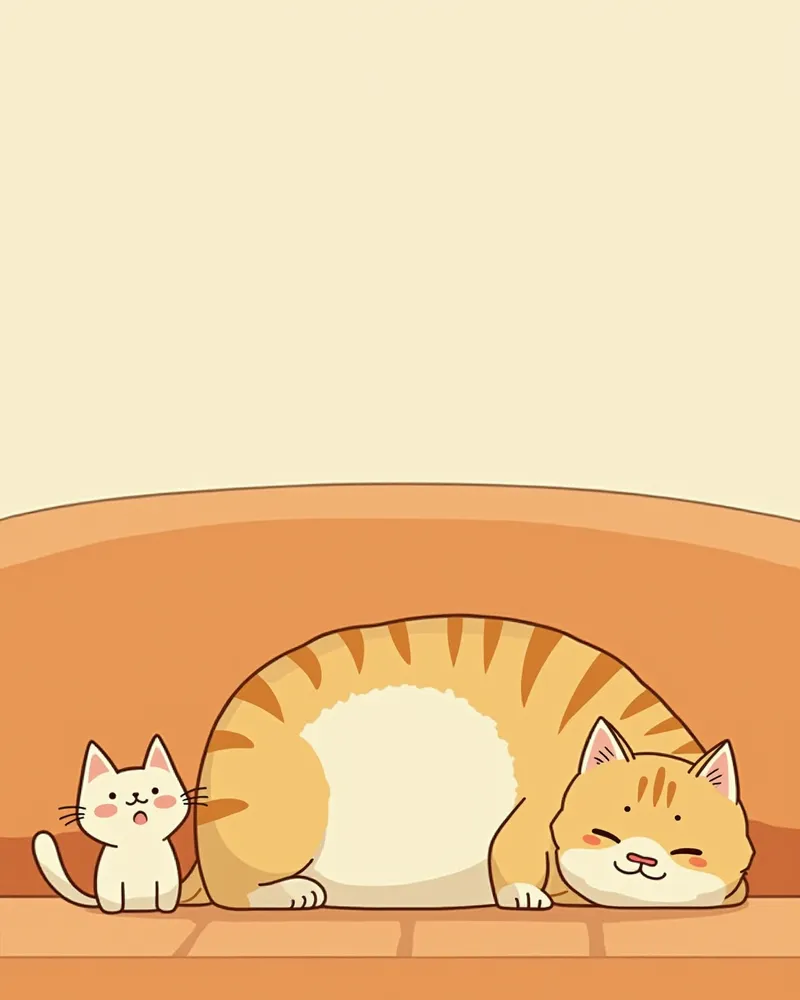
When using steroids long-term, pay close attention to diabetes and Cushing-like symptoms (iatrogenic hyperadrenocorticism) caused by the medication. Steroids increase insulin resistance, which raises blood sugar levels and increases the risk of diabetes, especially in overweight cats (though these effects may sometimes be temporary). Cushing-like symptoms arise not from adrenal suppression but from the direct action of the steroids themselves, manifesting as a distended abdomen, excessive thirst and urination, increased appetite, and hair loss. Additionally, immunosuppression often leads to a higher risk of secondary bacterial and fungal infections, so regular veterinary check-ups are essential for ongoing monitoring.
A cat resting listlessly with a sagging belly

Topical Steroids (Ointments/Sprays) Also Require Caution

Long-term use of topical steroids can lead to local side effects such as skin thinning, bruising, and calcium deposits in the skin. If your cat licks the topical medication, systemic absorption may occur, potentially causing side effects similar to those of oral steroids. Please use topical medications only as directed by your veterinarian, and prevent your cat from licking the treated area by using an Elizabethan collar or protective clothing after application.

Signs That Require Immediate Veterinary Care

If any of the following symptoms occur while your pet is taking steroids, seek immediate veterinary care: • Severe lethargy or inability to stand • Sudden vomiting, bloody stools, or black tarry stools • A sudden, significant increase in water consumption or markedly decreased urination • Rapid breathing or sudden abdominal distension • Decreased level of consciousness or seizures

How to Safely Administer Steroids
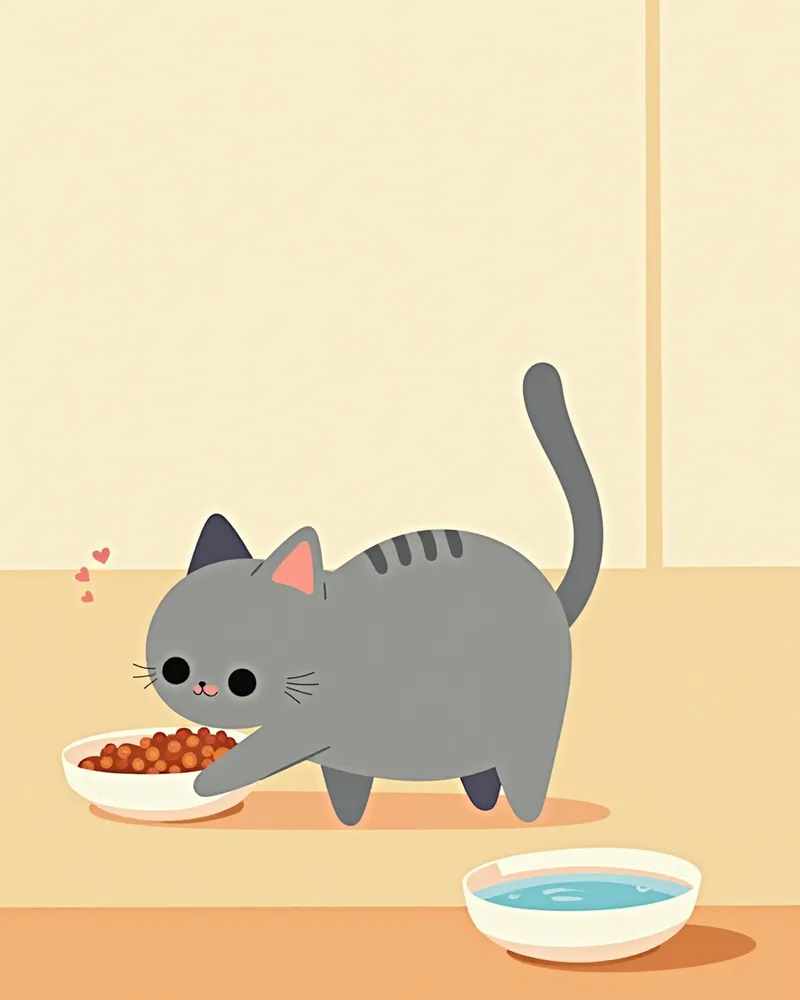
Never adjust the dose of steroids on your own or stop them abruptly. Always follow the dosage and tapering schedule prescribed by your veterinarian. During treatment, it is important to regularly monitor blood sugar and kidney function through blood and urine tests. If you are concerned about gastrointestinal irritation, administer the medication with food, and ensure your pet has constant access to fresh water by placing multiple water bowls around the home.
A cat eating food and drinking water

Why Is Prednisolone Recommended for Cats?

Prednisone and prednisolone are used almost interchangeably in people and dogs. However, cats have a reduced ability to convert prednisone into its active form, prednisolone, in the liver. Therefore, prescribing prednisolone directly from the start is recommended for cats to ensure both efficacy and safety. This is why veterinarians typically prescribe prednisolone for cats.

Why You Should Not Stop Steroids Abruptly

Long-term steroid use can gradually reduce your pet’s adrenal glands’ ability to produce cortisol on their own. Stopping the medication abruptly may lead to adrenal insufficiency, causing symptoms such as lethargy, vomiting, and low blood pressure due to cortisol deficiency. Always follow your veterinarian’s instructions to taper the dose gradually. Do not discontinue the medication without professional guidance.

Reviewed by a veterinarian

Dr. Tony — Punnawat Phongkittirak

Dr. Tony — Punnawat Phongkittirak

Veterinarian

A veterinarian who majored in veterinary medicine at Khon Kaen University, Thailand, and completed the IVSA program at North Carolina State University in the United States. Drawing on clinical experience at animal hospitals, he works in the pet healthcare field and is dedicated to building a digital care environment that connects pet parents with veterinarians.

Frequently Asked Questions

Do some cats need to take steroids for their entire lives?
Immune-mediated diseases and certain chronic skin conditions may require long-term medication. In such cases, your veterinarian will gradually reduce the dose to the lowest effective amount while regularly monitoring for any side effects through routine check-ups.
What should I do if my pet’s appetite increases significantly while taking steroids?
Increased appetite is a common side effect. Consult your veterinarian about slightly reducing the amount of food or substituting with low-calorie treats. Do not adjust the medication dosage on your own.
Can I use other medications while my pet is taking steroids?
Taking nonsteroidal anti-inflammatory drugs (NSAIDs) and steroids at the same time significantly increases the risk of gastrointestinal ulcers. Always inform your veterinarian about all medications your pet is currently taking and seek their guidance before combining treatments.
My cat drinks much more water after taking steroids. Is this normal?
Increased thirst and urination are common side effects of steroids. While drinking more water is a natural response, you should seek veterinary care immediately if the increase is sudden and extreme, or if your pet is barely producing urine.
Are there ways to reduce the side effects of steroids in cats?
Administering the medication every other day, maintaining the lowest effective dose, performing regular blood and urine tests, ensuring adequate water intake, and giving the medication with food can all be helpful. All of these measures should be carried out under the guidance of a veterinarian.

Share

Related Guides

References

[1] Foster A, Foil CS (Eds.), BSAVA Manual of Canine and Feline Dermatology, 4th Edition, British Small Animal Veterinary Association, 2020

[2] Muir WW et al., Handbook of Veterinary Pharmacology, Chapter VI: Anti-Inflammatory Drugs, Wiley-Blackwell, 2009

[3] Ramsey I (Ed.), The Veterinary Workbook of Small Animal Clinical Cases, Case 33, Wiley-Blackwell, 2021

This information is based on veterinary literature and does not replace diagnosis or treatment. Please consult a veterinarian for specific health concerns.

Metapet Co., Ltd. | CEO: Park Sung-yong | Business Reg. No. 417-88-02562 | Seoul, South Korea | Customer Center

Are Cat Steroids Dangerous? Side Effects & Safe Use Guide | Meongsiljang