
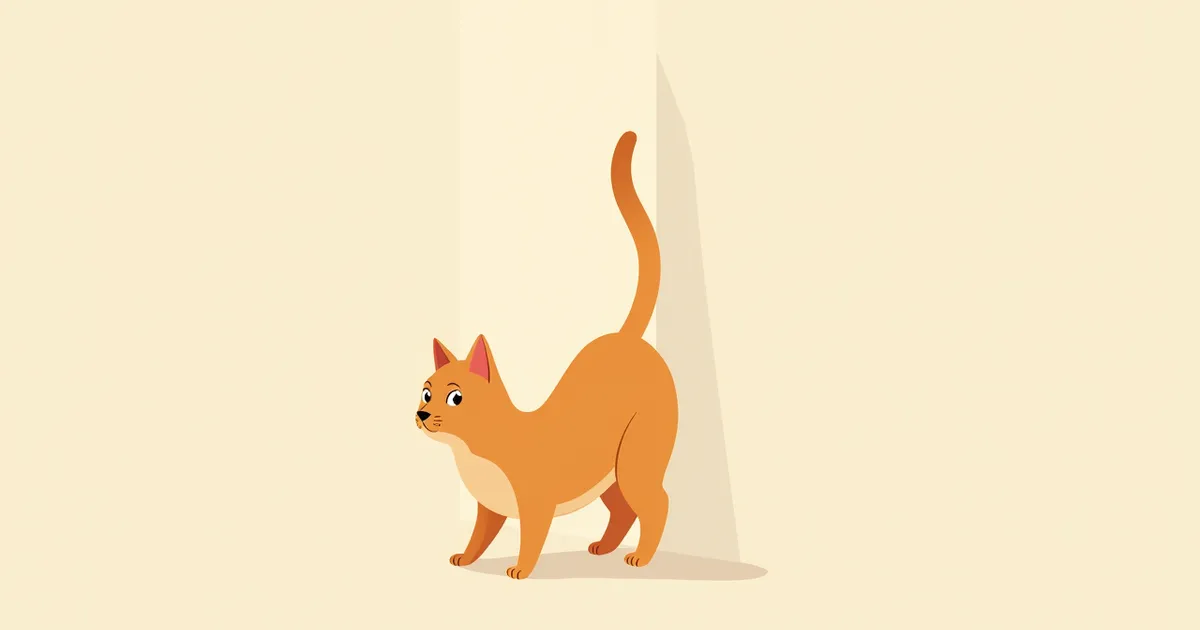
Cat Spray Marking FAQ — Key Points Every Owner Should Know
We’ve compiled a Q&A on the causes, patterns, and solutions for cat spray marking, based on veterinary behavior science. It covers how to distinguish it from regular urination accidents, managing multi-cat households, the effects of neutering, and using pheromones.
What Is Cat Spray Marking?
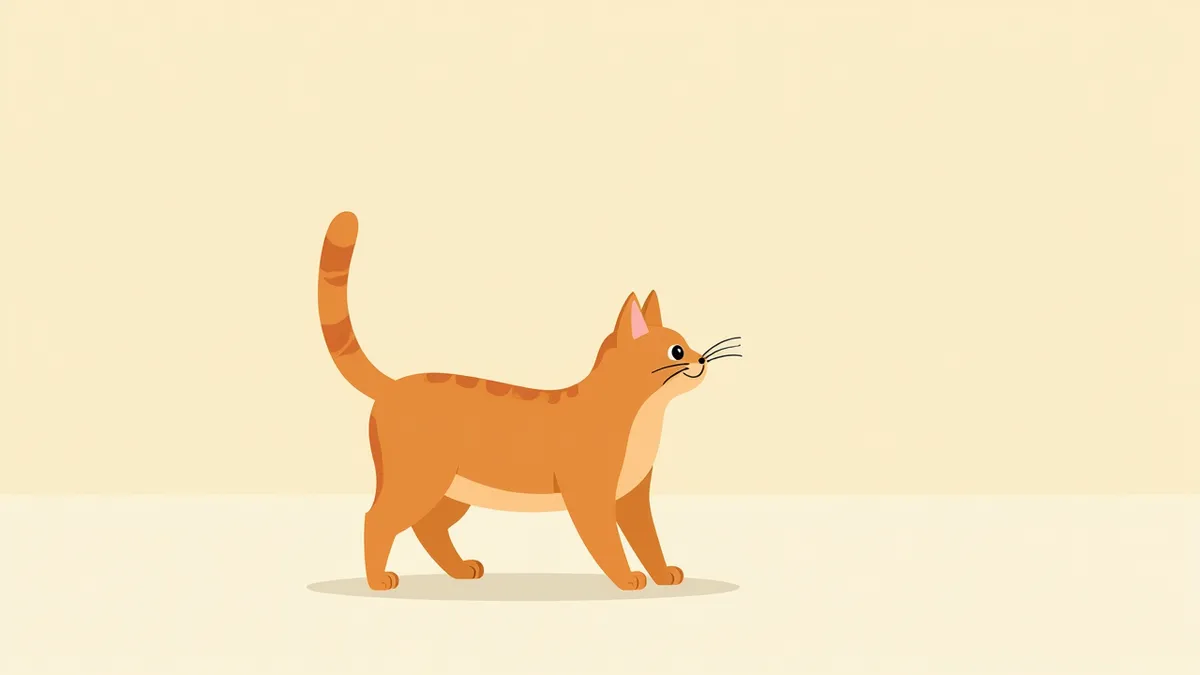
How to Distinguish It From Urination Accidents?
Spray Marking vs. Urination Accidents: A Comparison
| Item | Spray Marking | Urination Accident |
|---|---|---|
| Posture | Standing (tail up) | Squatting down |
| Surface | Vertical (walls, furniture legs) | Horizontal (floor, rug) |
| Amount of Urine | Small amount | Moderate to large amount |
| Main Cause | Stress, territory, heat | Litter box problems, illness |
| Direction of Solution | Improve environment, behavioral correction | Improve litter box, veterinary care |
In both cases, it is important to first rule out medical causes with a veterinary checkup
Why Did My Cat Suddenly Start Marking?
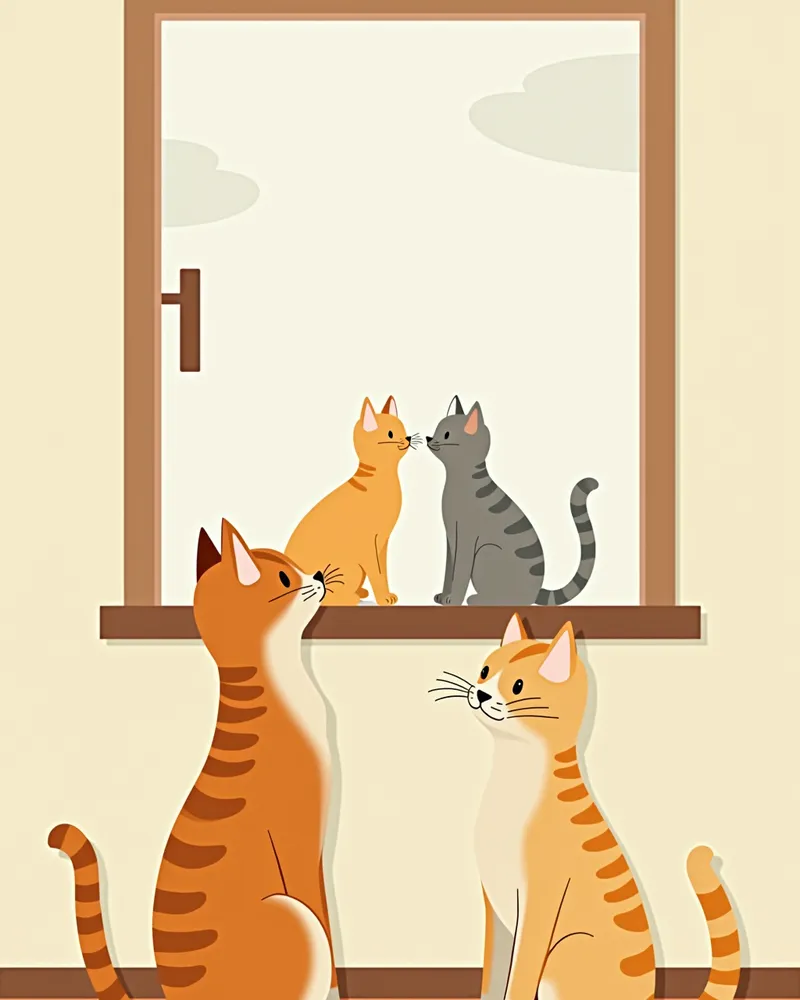
If Marking Suddenly Increases, Start With a Veterinary Checkup
If your pet’s marking behavior has suddenly increased or become inconsistent in location, it’s important to first rule out lower urinary tract diseases such as cystitis or urinary tract infections. Behavioral correction alone won’t resolve the issue if there’s an underlying medical cause. The proper approach is to start with a urinalysis and physical examination before moving on to behavioral management.
How to Reduce Marking Through Environmental Management
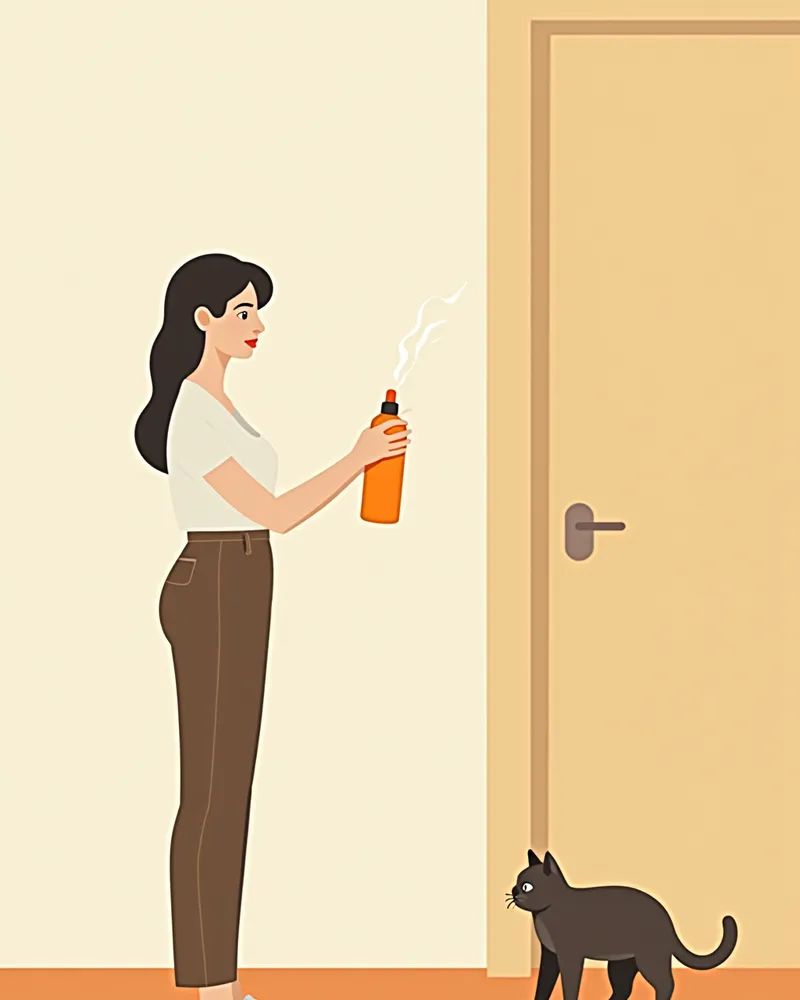
In Multi-Cat Households, Check Resource Placement
How Effective Is Neutering for Marking?
When to Consult a Veterinary Behaviorist
If marking behavior persists despite consistent efforts in environmental management, neutering, and using pheromone products for an adequate period, it is advisable to consult a veterinary behaviorist. Marking can be a response to negative emotional states such as anxiety or frustration, so medication like anxiolytics may be considered alongside behavior modification, depending on the case. However, since individual responses to medication vary, decisions should be based on a professional evaluation.
Reviewed by a veterinarian

Dr. Tony — Punnawat Phongkittirak
VeterinarianA veterinarian who majored in veterinary medicine at Khon Kaen University, Thailand, and completed the IVSA program at North Carolina State University in the United States. Drawing on clinical experience at animal hospitals, he works in the pet healthcare field and is dedicated to building a digital care environment that connects pet parents with veterinarians.
Reviewed 2026-06-01
Frequently Asked Questions
Why is my pet still marking even after being neutered?
How should I clean the area where my pet has marked?
My indoor cat suddenly started marking. Why?
Do female cats spray-mark as well?
Are pheromone products really effective?
Share
Related Guides
7 Behavioral Enrichment Strategies for Mental Stimulation Recommended by Veterinarians

Top 5 Calming Supplements for Dogs and Cats in 2026

L-Theanine Effects and Calming Support
What Is Feline Hepatic Lipidosis? A Must-Read for Owners: Symptoms, Treatment, and Recovery
What is Canine Renal Dysplasia? — From Genetics to Diagnosis and Management
Is Proteinuria in Dogs Really Dangerous? — Q&A on Interpreting and Managing the UPC Ratio
My Dog Is Drinking Too Much Water — Causes of Polyuria and Polydipsia and When to Visit the Vet Q&A
Is a Feline Liver Biopsy Really Necessary? — Q&A on the Procedure, Pain, and Recovery
Cat Eyes and Gums Turning Yellow? Q&A on Jaundice Causes and Treatment
Are Cat Liver Protectants (SAMe and Milk Thistle) Effective? When and How to Administer Them
References
[1] A Professional's Guide to Feline Behaviour Understanding, Improving and Resolving Problems
[2] Borchelt PL. 1991; Bradshaw JW, Cameron-Beaumont C. 2000. Cited in: Veterinary Guide to Preventing Behavior Problems in Dogs and Cats
[3] Little SE., The Cat, Clinical Medicine and Management, 2nd Edition, Elsevier
[4] Ramos D et al. 2020. Cited in: A Professional's Guide to Feline Behaviour Understanding, Improving and Resolving Problems