Like
Share
멍실장
펫이 사람 정신 건강에 미치는 효과 – 과학적으로 증명된 7가지

Do Pets Really Reduce Depression? — 7 Scientifically Proven Benefits

Brain & CognitionQ&AMeongsiljang Veterinary Advisory Board

Living with a pet is associated with reduced loneliness, anxiety, and depression, as well as lower blood pressure and stress hormone levels. We’ve summarized the scientifically proven mental health benefits supported by research papers.

Key Effects of Pets on Human Mental Health
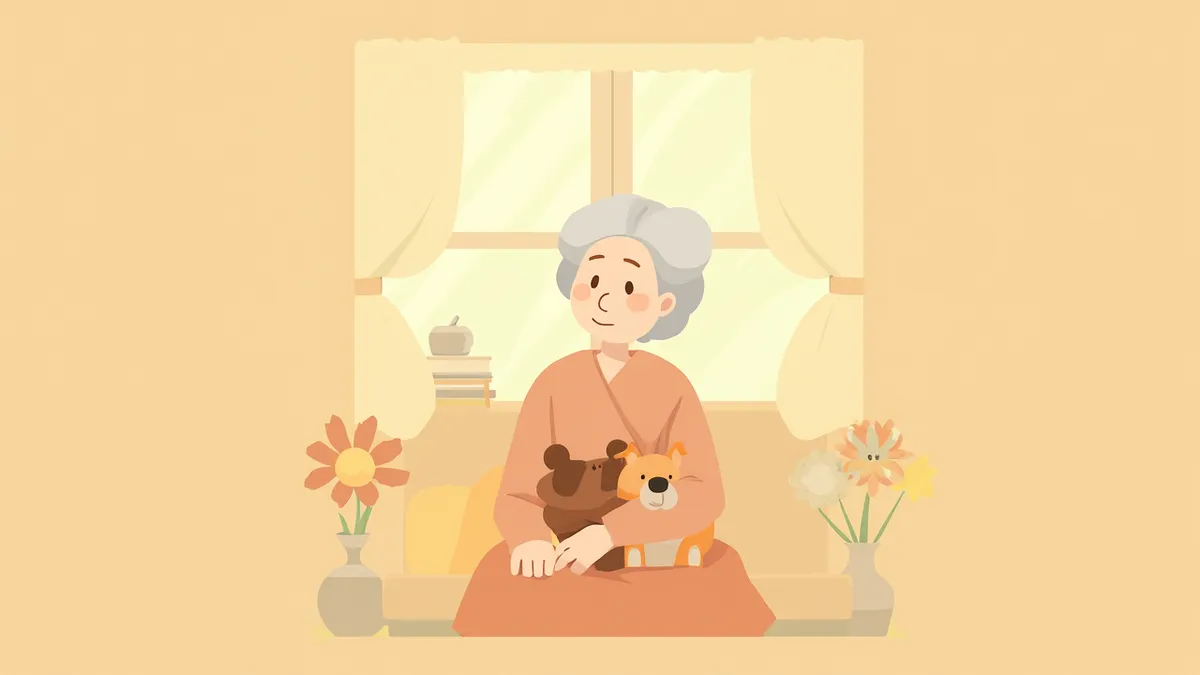
A comfortable scene of an elderly pet owner holding their dog by the window.
The presence of pets can positively impact human mental health by alleviating loneliness, anxiety, and stress, while also reducing feelings of depression. What’s truly significant is that the bond between humans and animals goes beyond simple comfort—it triggers a physiological calming response that helps relieve tension (Barker & Wolen, 2008 review). This effect has been particularly noted in individuals experiencing social isolation, such as older adults living alone (Stanley et al., 2014). However, since specific metrics like reductions in blood pressure or cortisol levels vary widely from person to person, it’s best to view these findings as general trends rather than definitive outcomes. Additionally, if caring for an animal feels forced or burdensome, it may actually increase stress, so it’s important to ensure you’re ready for the responsibility.

Why Do Pets Calm the Mind?

When people and animals interact closely, a calming relaxation response occurs. A review paper by Barker and Wolen (2008) summarizes that interactions between humans and pets provide emotional and physiological benefits. However, it is difficult to generalize specific figures, such as how much blood pressure and heart rate drop within a few minutes of petting, or particular hormonal changes, because these vary significantly from person to person. Instead, it is consistently noted that the establishment of regular routines for walking, feeding, and caring for a pet stabilizes daily rhythms, and the sense of having a dependent being helps reduce loneliness and depression. Ultimately, the key lies in the stable bond formed with the animal and the consistent rhythm of care.

7 Key Mental Health Benefits of Pets

The following benefits of human–pet interaction are consistently reported in research: - Reduced loneliness: Observed in studies of older adults living alone (Stanley et al., 2014). - Reduced anxiety and tension: Bonding with animals helps calm the mind. - Alleviated depression: The sense of purpose and responsibility from caregiving contributes to emotional stability. - Enhanced social connection: Activities like walking provide more opportunities to interact with others. - Increased physical activity: Walking a dog naturally boosts daily movement. - Support for children’s emotional development: Growing up with a pet is reported to aid emotional and psychosocial development (Caya, 2015). - Stabilized daily routines: Consistent care routines help maintain a stable daily rhythm. Please note that specific metrics, such as cortisol levels or walking duration, vary across studies and individuals, so these should be understood as general trends rather than fixed values.
An illustration depicting the seven ways pets benefit human mental health

Comparing the Mental Health Benefits of Pets by Situation

ItemElderly living aloneAdults with anxiety/depressionChildren and adolescents
Loneliness reliefVery largeLargeModerate
Stress reductionLargeVery largeLarge
Increased physical activityModerate (with dogs)Large (with dogs)Large
Emotional developmentVery large
PrecautionsFall risk and care burdenBeware of care overloadParental assistance essential

Cited from Stanley et al. (2014), Caya (2015), and others. Individual differences apply.

Who Should Carefully Consider Pet Adoption

If you’re dealing with severe depression or anxiety that makes daily care difficult, have a job that requires long absences from home, or live with family members who have severe allergies or asthma, a pet may actually become a source of stress. Pets are first and foremost living beings that require responsibility, not just sources of comfort. Only when you have sufficient time, financial stability, and full agreement from your household can you truly experience the mental health benefits of pet ownership.

Dogs vs. Cats: Are the Effects Different?

Both can benefit mental health, but they work in different ways. Dogs help increase physical activity and social interaction through walks and training, making them especially helpful for people who lack exercise or social connection. Cats, on the other hand, offer comfort simply by being present. While many people report feeling soothed by a cat’s purring, there isn’t enough solid evidence to definitively claim that the vibration frequency (20–50 Hz) has calming or therapeutic effects on humans. Therefore, it’s better to focus on the emotional comfort of spending time together rather than specific numerical values. Ultimately, choosing the pet that best fits your personality and lifestyle will maximize the benefits.
A comparison scene between someone running with their dog in the park and someone relaxing on the couch with their cat.

Pet Lifestyle Habits to Boost Mental Health Benefits

- Ten minutes of intentional bonding each day: Make contact like petting and brushing part of your daily routine. - Walk together: Sunlight, walking, and interaction with your pet are all fulfilled at once. - Share space: Simply spending time in the same room can have a calming effect. - Training and play: Small successes boost the owner’s sense of self-efficacy. - Regular veterinary check-ups: When your pet’s health is unstable, the owner’s stress increases too. Caring for their health is also caring for your own mental well-being.

Don’t View Pets Solely as “Therapeutic Tools

While pets certainly support mental well-being, they cannot replace professional treatment for depression, anxiety disorders, or trauma. If symptoms are severe, it is essential to first seek diagnosis and treatment from a mental health specialist, using your pet as a supplementary source of emotional support. Over-relying on your pet for emotional needs can also cause stress for the animal.

Reviewed by a veterinarian

Dr. Tony — Punnawat Phongkittirak

Dr. Tony — Punnawat Phongkittirak

Veterinarian

A veterinarian who majored in veterinary medicine at Khon Kaen University, Thailand, and completed the IVSA program at North Carolina State University in the United States. Drawing on clinical experience at animal hospitals, he works in the pet healthcare field and is dedicated to building a digital care environment that connects pet parents with veterinarians.

Frequently Asked Questions

Does having a pet really help with depression?
While many studies suggest it can help alleviate feelings of sadness, it is not a treatment for clinical depression. If your pet has been diagnosed with depression, professional veterinary care should be the first step, with this product serving only as a supportive aid in their recovery.
Can it also help with my child's emotional development?
Yes, studies such as Caya (2015) have reported that children who grow up with pets tend to develop stronger empathy and a greater sense of responsibility. However, it’s important to note that children should never be left solely responsible for pet care; parental supervision and assistance are always necessary.
I have allergies, but can I still get a pet for my mental health?
I don’t recommend it. Allergy symptoms can actually disrupt sleep and concentration, negatively impacting mental health. Please have an allergy test and consult with a specialist before making any decisions.
Won't the sadness get even worse after my pet passes away?
Pet Loss Syndrome is a common emotional response. Grief over loss is a natural process, and the time spent together certainly brings positive experiences. However, it's difficult to make a blanket statement that "the positive effects are much greater," as individual differences vary widely. It's helpful to learn about psychological support methods during the grieving period in advance.
Is it appropriate to recommend getting a pet for elderly parents?
There are many reports indicating significant positive effects on loneliness and cognitive function. However, considering the risk of falls and physical strain, it is advisable to choose medium- or small-breed dogs or calm, mature cats, and establish a care structure where family members assist with the animal's well-being.

Share

Related Guides

References

[1] Barker, S.B. and Wolen, A.R. (2008) The benefits of human–companion animal interaction: A review. Journal of Veterinary Medical Education 35, 487–495.

[2] Stanley, I.H., Conwell, Y., Bowen, C. and Van Orden, K.A. (2014) Pet ownership may attenuate loneliness among older adult primary care patients who live alone. Aging and Mental Health 18, 394–399.

[3] Archer, J. (1997) Why do people love their pets? Evolution and Human Behavior 18, 237–259.

[4] Caya, S. (2015) The importance of house pets in emotional development. Procedia – Social and Behavioral Sciences.

[5] Hidese, S. et al. (2019) Effects of L-Theanine Administration on Stress-Related Symptoms. Journal of Clinical Medicine.

This information is based on veterinary literature and does not replace diagnosis or treatment. Please consult a veterinarian for specific health concerns.

Metapet Co., Ltd. | CEO: Park Sung-yong | Business Reg. No. 417-88-02562 | Seoul, South Korea | Customer Center

Do Pets Really Reduce Depression? 7 Science-Backed Benefits | Meongsiljang